President Ruto Calls for Stronger African Trade, Industrialisation and Economic Unity at 25th COMESA Summit in Zimbabwe
President William Ruto's remarks at the 25th COMESA Summit in Harare highlighted the importance of stronger African economic cooperation, increased production, greater investment and expanded trade within the region. His message that African countries should produce more, invest more and trade more among themselves underscored the need to build competitive economies capable of creating employment and adding value to local resources. Ruto also called for Africa to engage international partners on equal terms, while the summit's broader agenda focused on industrialisation, regional integration, peace and security, and implementation of the African Continental Free Trade Area. The handover of the COMESA chairmanship to Zimbabwe's Emmerson Mnangagwa marked a new chapter for the regional bloc. The launch of the 2026–2030 strategic plan provided a framework for advancing regional trade, infrastructure, digital transformation and industrial development.
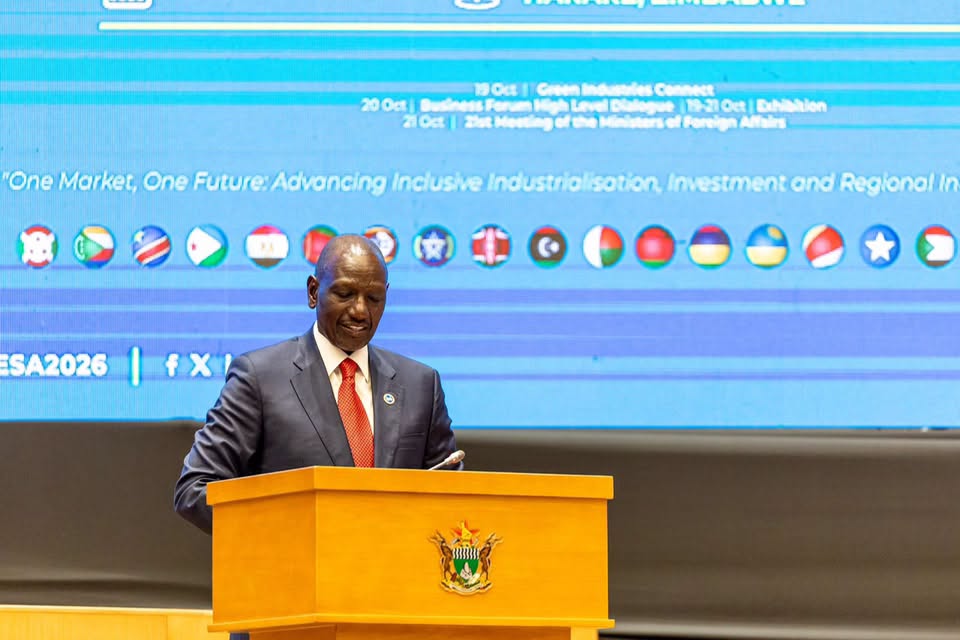
President William Ruto has called for stronger regional economic integration, increased trade among African countries, industrialisation and greater investment in local value addition during the 25th Common Market for Eastern and Southern Africa (COMESA) Summit of Heads of State and Government held in Harare, Zimbabwe, on Thursday, October 22, 2026.
The summit brought together leaders from the 21-member regional bloc to discuss economic cooperation, trade, investment, industrial development, peace and security, and ways of expanding opportunities for businesses and citizens across the region. The meeting was held under the theme, “One Market, One Future: Advancing Inclusive Industrialisation, Investment and Regional Integration in COMESA.”
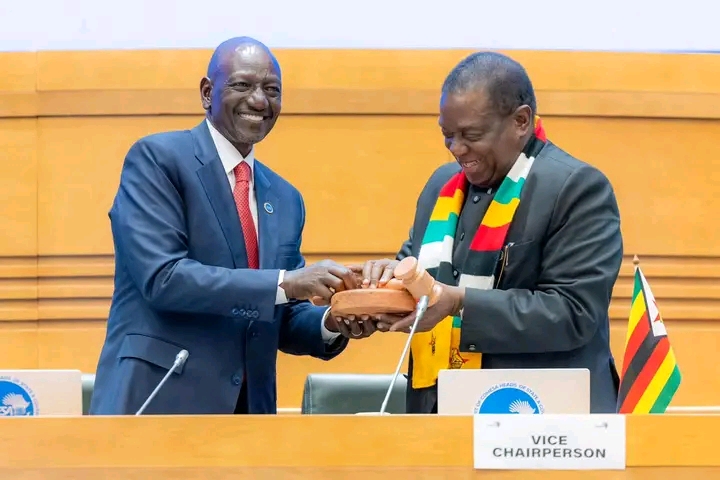
Ruto attended the summit as Kenya's President and the outgoing chairperson of the COMESA Authority. One of the key events was the handover of the chairmanship to Zimbabwean President Emmerson Mnangagwa, marking the end of Kenya's year-long leadership of the regional economic organisation.Ruto calls on African countries to produce, invest and trade more
One of the strongest messages from President Ruto's remarks was the need for COMESA member states to increase production, investment and trade within the region.
During the handover ceremony, Ruto said the vision of one market and one future could be achieved if countries produced more, invested more and traded more among themselves while engaging the rest of the world on equal terms.
The message reflects a wider economic challenge facing African countries, many of which export raw materials but import finished products at higher prices. By encouraging greater regional production, Ruto's position points towards building stronger industries that can supply both domestic and international markets.Africa must negotiate with the world as an equal partner
President Ruto also emphasised the need for African countries to strengthen their collective position in international trade negotiations.
He challenged member states to demand equal treatment in global partnerships rather than settle for arrangements that disadvantage the continent. He expressed this position by saying that Africa should participate at the international table as an equal partner, rather than remain at its edge.
The remarks underline the importance of cooperation when African countries negotiate trade agreements, seek foreign investment or discuss access to international markets.Regional integration remains a major priority
Ruto's remarks came at a summit dedicated to advancing regional integration under the theme, One Market, One Future.
The central idea is that neighbouring countries can achieve greater economic opportunities by making it easier for businesses to operate across borders. COMESA brings together 21 member states and seeks to promote economic cooperation through trade liberalisation, investment and regional development.
Regional integration involves more than allowing products to cross borders. It also includes improving transport infrastructure, coordinating trade policies, strengthening customs systems and addressing restrictions that make business expensive.Implementation of the African Continental Free Trade Area
Ruto's participation also placed attention on the African Continental Free Trade Area (AfCFTA), which seeks to create a single continental market for goods and services.
The agreement is intended to strengthen trade between African economies, expand markets for producers and support the development of regional and continental supply chains.
COMESA's regional integration agenda can complement the AfCFTA by improving trade relationships among Eastern and Southern African countries.Ruto had indicated that leaders would focus on strengthening regional stability alongside trade, industrialisation and the implementation of the AfCFTA.
Security is important to economic development because businesses require stable conditions in which to operate, transport goods and attract investment.
Conflict and insecurity can disrupt supply chains, displace communities, damage infrastructure and increase the costs of doing business. Such disruptions can also affect food supplies and cross-border commerce.
Regional cooperation allows governments to discuss shared security concerns and work towards coordinated responses where appropriate.
For COMESA member states, stability can help strengthen investor confidence and support long-term development plans.A major development at the 25th summit was the formal transfer of COMESA leadership from Kenya to Zimbabwe.
Ruto handed over the chairmanship of the COMESA Authority to President Emmerson Mnangagwa on October 22, 2026, bringing Kenya's year-long tenure to an end. Ruto had assumed the position during the 24th summit in Nairobi in October 2025.
In his handover remarks, Ruto expressed confidence in Mnangagwa's leadership and called for cooperation among member states to turn the vision of one market and one future into tangible progress.
The transition is significant because the chairperson helps provide political direction to the organisation's highest decision-making body.Infrastructure connectivity is important because businesses need reliable roads, transport networks and other systems to move goods between markets.
Digital transformation can also support trade by improving access to information, simplifying administrative procedures and helping businesses connect with customers and suppliers.
At the same time, investment in industrial development can support employment and encourage the growth of local enterprises.
For the plan to deliver meaningful results, member states will need to coordinate their activities, allocate resources effectively and monitor implementation. Businesses and citizens will also need to see tangible benefits from the policies adopted.
The strategic plan therefore provides a framework for translating the summit's broader vision into programmes that can be assessed over time.What Ruto's message means for Kenya
For Kenya, the summit provided an opportunity to reinforce its position as an advocate of regional economic cooperation.
A larger and better-connected COMESA market could provide opportunities for Kenyan agricultural producers, manufacturers, transport operators, technology firms and other businesses.
Companies that currently depend heavily on the domestic market could explore additional customers across the region, while investors could consider opportunities in processing, logistics and manufacturing.The 25th COMESA Summit provided a platform for leaders to review progress in regional integration and determine the organisation's next priorities.
The gathering followed several days of preparatory activities, including a business forum, discussions on green industries and meetings involving foreign affairs ministers. These activities addressed issues such as financing, digital transformation, regional value chains, industrial competitiveness, peace and security.
The summit's wider purpose was to strengthen cooperation between governments and the private sector while identifying practical ways to expand regional economic activity.Its theme, One Market, One Future, reflects the belief that African countries can achieve stronger development outcomes by combining their economic strengths and improving cooperation.
For that vision to become reality, countries will need to reduce unnecessary trade barriers, support local production, attract productive investment and ensure that regional growth creates opportunities for ordinary citizens.
The summit also marked a leadership transition from Kenya to Zimbabwe, placing responsibility on the new chairperson and member states to maintain momentum on the bloc's economic agenda.

You Might Also Like
-
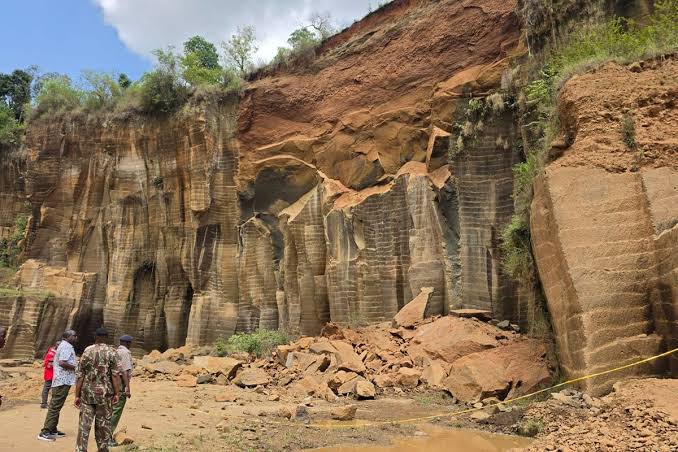
Rescue operations are underway following a deadly quarry collapse at Mutonga in Imenti South, Meru County, that left one person dead and several others feared trapped beneath the rubble. Emergency teams and local residents are working to locate the missing individuals as concerns grow over quarr
-
President William Ruto, speaking at the COMESA Summit in Zimbabwe on October 22, 2026, calls for African countries to be treated as equal partners in global affairs, emphasising fairness, mutual respect and equal opportunities in international trade, investment and decision-making. He urges COMESA m
-
Deputy President Kithure Kindiki witnesses the commencement of construction works on the new Nithi Bridge in Tharaka Nithi County, a major infrastructure initiative aimed at improving road safety, enhancing regional connectivity and facilitating the movement of people and goods. The project is expec
-
Health Director General Patrick Amoth has confirmed that the first group of contacts linked to Ebola patients is expected to leave quarantine facilities on Sunday after completing the required monitoring period. The development marks a significant step in Kenya’s efforts to contain the outbreak th
-
Prime Cabinet Secretary Musalia Mudavadi has called for stronger accountability, inclusive governance and reforms to global institutions, emphasising that restoring public confidence requires integrity, fairness, transparency and tangible results. He urged leaders to prioritise the needs of citizens
-
A family in Gatanga, Murang’a County, is demanding a thorough investigation after three children were found dead in an abandoned dam under circumstances that have raised suspicions of foul play. The children, identified as Natalia, 10, Jamal, 9, and four-year-old Asaph, reportedly attended church