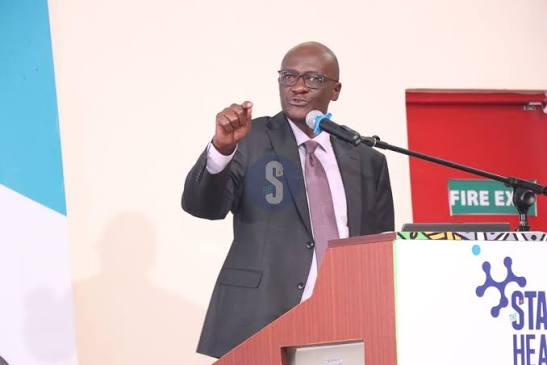
First Group of Ebola Contacts Set to Leave Quarantine on Sunday, Says Patrick Amoth
Health Director General Patrick Amoth has confirmed that the first group of contacts linked to Ebola patients is expected to leave quarantine facilities on Sunday after completing the required monitoring period. The development marks a significant step in Kenya’s efforts to contain the outbreak through contact tracing, medical surveillance and preventive measures. Health authorities continue to monitor potentially exposed individuals as they work to prevent further transmission and protect communities. The Ministry of Health has urged the public to remain vigilant, follow official health guidelines and report any suspected symptoms promptly. Officials maintain that continued surveillance, public awareness and cooperation with healthcare workers are essential to preventing further infections.
Health Director General Patrick Amoth has confirmed that the first group of contacts linked to Ebola patients will begin leaving quarantine facilities on Sunday, marking a significant development in Kenya's ongoing efforts to contain the outbreak and prevent further transmission of the deadly disease.
The announcement offers hope to individuals who have been under close monitoring after being identified as contacts of confirmed Ebola patients. Their release is expected to follow the completion of the required observation period and assessments by health officials to determine whether they have developed symptoms associated with the disease.
Amoth's announcement highlights the importance of contact tracing, quarantine and continuous medical surveillance in controlling infectious diseases. Health authorities have continued to monitor people who may have been exposed to Ebola as part of a broader strategy aimed at identifying infections early and preventing the virus from spreading into the wider community.
The decision to allow the first group of contacts to leave quarantine facilities is expected to depend on whether they have completed the prescribed monitoring period without developing symptoms and have been cleared by medical personnel. Individuals who meet the established public health requirements can be released, while anyone who develops symptoms or requires further assessment may remain under medical observation.
Contact tracing remains one of the most important tools in managing an Ebola outbreak. Once a patient is confirmed to have the disease, health officials work to identify people who may have had close contact with the infected individual during the period when transmission could have occurred.
These contacts are then assessed according to their level of exposure and monitored for symptoms that may indicate infection. The process helps health authorities establish whether the virus has spread beyond the initial cases and enables them to intervene before additional infections occur.
Ebola is a serious viral disease that can cause severe illness and death. Symptoms may include fever, fatigue, muscle pain, headache and sore throat, followed in some cases by vomiting, diarrhoea, rash and impaired kidney or liver function. Severe cases can involve bleeding, although this is not experienced by every patient.
The virus spreads primarily through direct contact with the blood or other bodily fluids of an infected person who is showing symptoms, or through contact with contaminated objects and materials. It can also spread through contact with the body of someone who has died from the disease.
Because transmission is closely associated with direct exposure, identifying contacts and ensuring that appropriate infection prevention measures are followed are essential in limiting the spread of the virus.
The planned release of the first group of contacts will therefore be an important point in the monitoring process. However, health officials must ensure that the decision is based on established medical guidelines rather than public pressure or the desire to reduce the number of people in quarantine facilities.
Quarantine is used to separate and monitor individuals who may have been exposed to an infectious disease but have not necessarily been infected. It allows medical teams to observe their health, provide information and respond quickly if symptoms develop.
For Ebola, the monitoring period is generally 21 days from the last possible exposure because the incubation period can extend to 21 days. Individuals who complete the required period without developing symptoms can usually be cleared for release under public health guidance.
The process also requires careful record-keeping to ensure that each person's exposure history and monitoring period are accurately established. Where an individual has had another possible exposure during quarantine, health officials may need to reassess the relevant timeline.
Amoth's update is particularly important for families and communities whose members have been placed under observation. Quarantine can cause anxiety, disrupt daily routines and create uncertainty, especially when individuals are separated from their families or unable to continue with their normal responsibilities.
Clear communication from health authorities can help address these concerns and prevent the spread of misinformation. Families need reliable information about the conditions of their relatives, the criteria for release and the precautions that should be followed after quarantine.
Health officials must also ensure that people leaving quarantine are treated with dignity and are not subjected to discrimination or unnecessary stigma. Being identified as a contact does not mean that someone has contracted Ebola. Many contacts complete monitoring without becoming infected.
Community education is therefore essential in ensuring that people understand the difference between exposure and confirmed infection. Residents should be encouraged to cooperate with health teams, report possible symptoms and avoid spreading unverified information about individuals who have been placed under observation.
The government and healthcare workers also face the challenge of maintaining public confidence throughout the response. During an outbreak, timely updates and transparent communication are crucial because uncertainty can lead to fear, rumours and resistance to public health measures.
By providing updates on the progress of contact monitoring, health authorities can help the public understand what is being done to contain the disease and why certain measures are necessary. However, all information released must be supported by verified medical assessments and official surveillance data.
The planned discharge of the first group of contacts does not, by itself, mean that the Ebola outbreak has ended. It represents progress in monitoring the people already identified as potentially exposed, while surveillance and other response measures may still be required.
Health teams must continue investigating possible exposure routes, following up on remaining contacts and assessing any new reports of suspected infections. They must also maintain adequate supplies of protective equipment and ensure that healthcare workers are trained to recognise symptoms and manage suspected cases safely.
Healthcare facilities play a critical role in preventing transmission because infected patients may initially seek treatment for symptoms that resemble other illnesses. Medical workers need to obtain relevant exposure histories, apply appropriate infection prevention procedures and follow established protocols when a suspected case is identified.
Laboratory testing is equally important in confirming suspected cases and guiding treatment and public health decisions. Rapid identification enables authorities to isolate confirmed patients, identify their contacts and begin additional investigations where necessary.
Public awareness remains another essential part of the response. Residents should seek medical advice if they develop symptoms after a possible exposure and should inform healthcare providers about relevant contact histories. Anyone who suspects exposure should follow instructions from public health officials rather than attempting to manage the situation without professional guidance.
People should also avoid direct contact with the bodily fluids of suspected or confirmed patients and should not handle bodies of people who may have died from Ebola without the appropriate protective measures. Safe and dignified burial practices are important in preventing transmission while respecting the families and communities affected by the disease.
The government must also ensure that quarantine arrangements provide adequate food, clean water, sanitation, medical attention and psychosocial support. These services help protect the welfare of individuals under observation and encourage cooperation with health authorities.
As the first group prepares to leave quarantine on Sunday, attention is likely to remain focused on the progress of the wider response and whether any additional cases emerge. The health authorities' ability to identify infections quickly, trace contacts accurately and maintain public cooperation will remain central to containing the outbreak.
The announcement by Patrick Amoth provides a cautiously encouraging update in Kenya's efforts to monitor people who may have been exposed to Ebola. The release of contacts who have completed the required observation period without developing symptoms would demonstrate progress in one aspect of the response.
Nevertheless, continued vigilance will be necessary until health officials determine that the outbreak has been brought under control in accordance with established public health criteria. Effective surveillance, accurate information, early medical assessment and cooperation between communities and healthcare workers will remain vital in protecting the public.

You Might Also Like
-
Rescue operations are underway following a deadly quarry collapse at Mutonga in Imenti South, Meru County, that left one person dead and several others feared trapped beneath the rubble. Emergency teams and local residents are working to locate the missing individuals as concerns grow over quarr
-
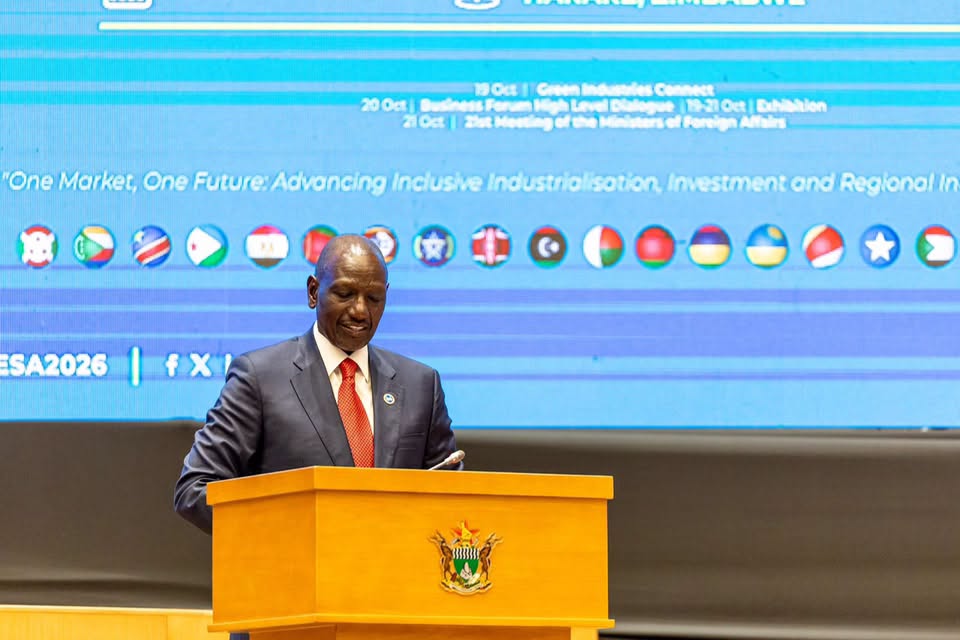
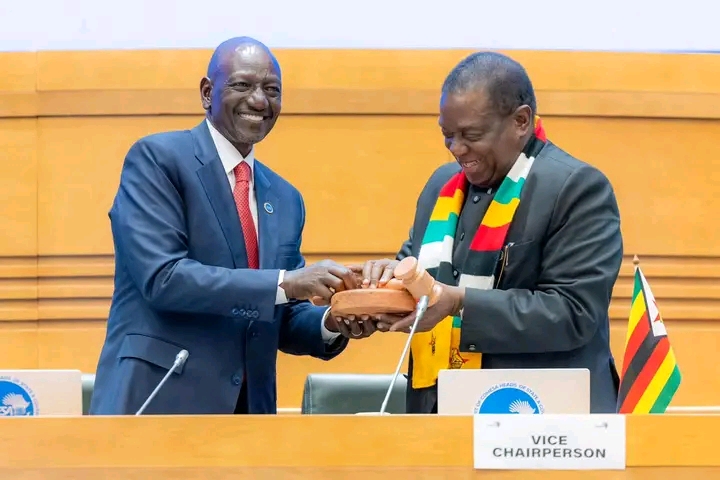
President William Ruto, speaking at the COMESA Summit in Zimbabwe on October 22, 2026, calls for African countries to be treated as equal partners in global affairs, emphasising fairness, mutual respect and equal opportunities in international trade, investment and decision-making. He urges COMESA m
-
President William Ruto's remarks at the 25th COMESA Summit in Harare highlighted the importance of stronger African economic cooperation, increased production, greater investment and expanded trade within the region. His message that African countries should produce more, invest more and trade more
-
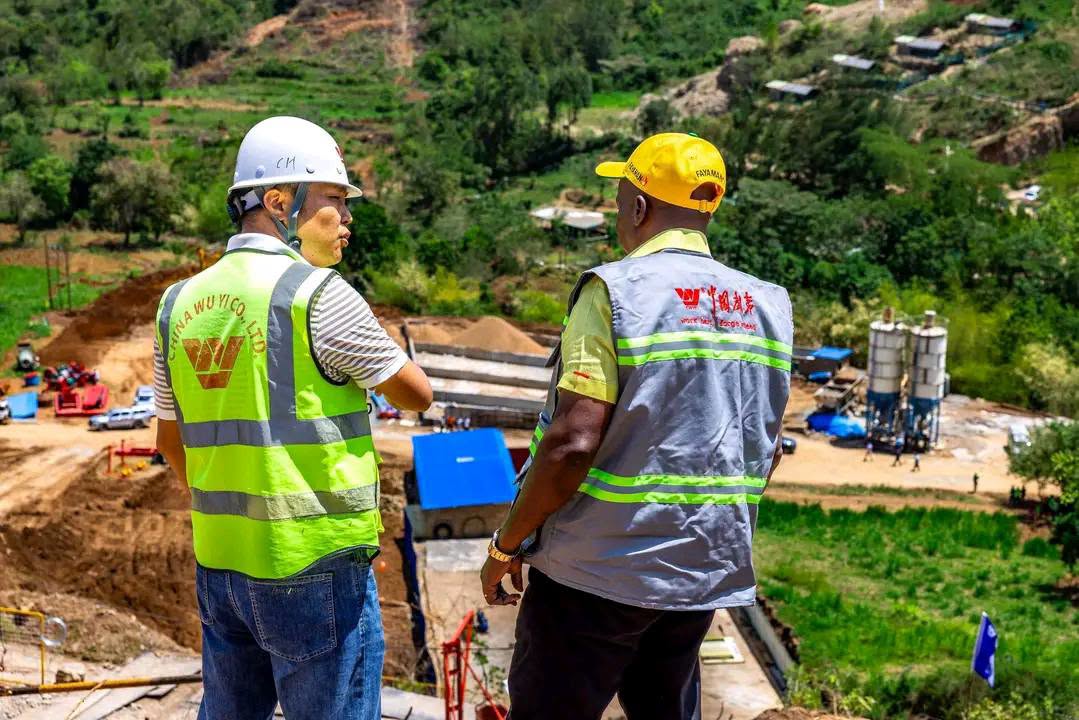
Deputy President Kithure Kindiki witnesses the commencement of construction works on the new Nithi Bridge in Tharaka Nithi County, a major infrastructure initiative aimed at improving road safety, enhancing regional connectivity and facilitating the movement of people and goods. The project is expec
-
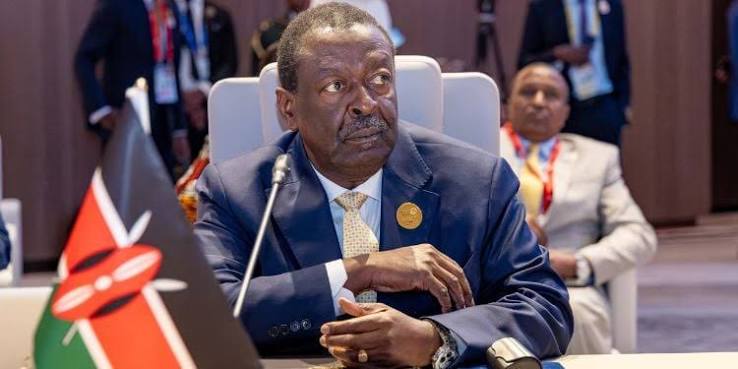
Prime Cabinet Secretary Musalia Mudavadi has called for stronger accountability, inclusive governance and reforms to global institutions, emphasising that restoring public confidence requires integrity, fairness, transparency and tangible results. He urged leaders to prioritise the needs of citizens
-
A family in Gatanga, Murang’a County, is demanding a thorough investigation after three children were found dead in an abandoned dam under circumstances that have raised suspicions of foul play. The children, identified as Natalia, 10, Jamal, 9, and four-year-old Asaph, reportedly attended church