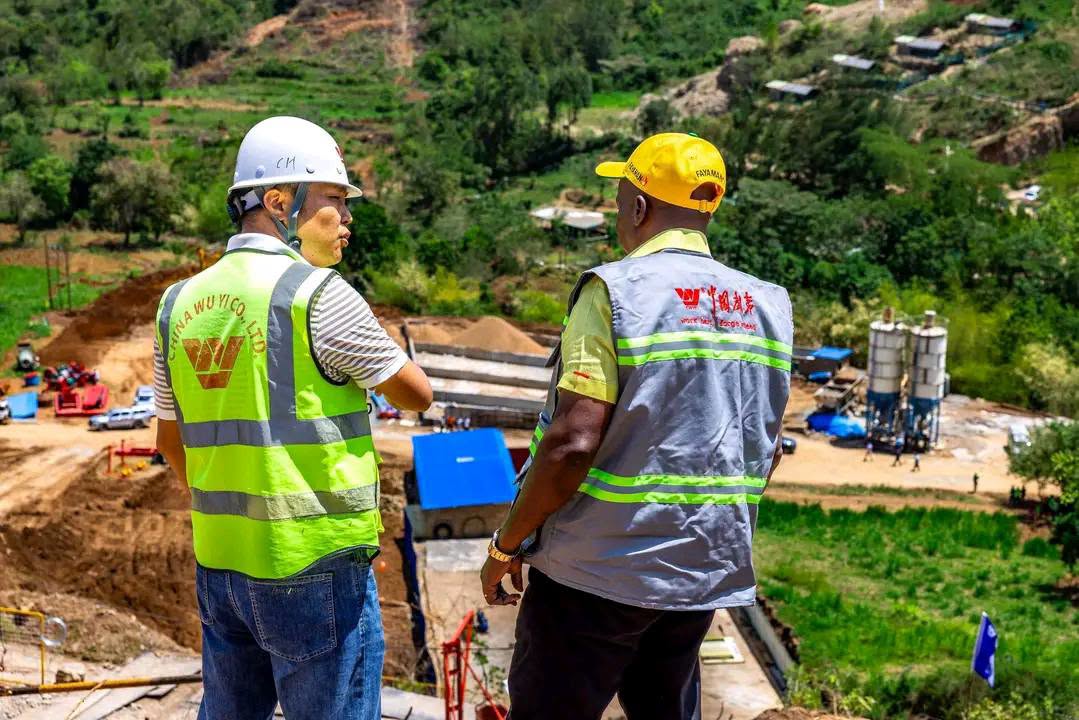
Deputy President Kindiki Witnesses Commencement of New Nithi Bridge Construction in Tharaka Nithi County
Deputy President Kithure Kindiki witnesses the commencement of construction works on the new Nithi Bridge in Tharaka Nithi County, a major infrastructure initiative aimed at improving road safety, enhancing regional connectivity and facilitating the movement of people and goods. The project is expected to address longstanding safety concerns while supporting trade, economic growth and transport efficiency across the Mount Kenya region.
Deputy President Kithure Kindiki has witnessed the commencement of construction works on the new Nithi Bridge in Tharaka Nithi County, marking an important step towards improving transport infrastructure, enhancing road safety and strengthening connectivity in the region. The project is expected to address longstanding concerns surrounding movement along the Nithi River crossing while supporting economic activities and improving accessibility for residents, traders and other road users.
The commencement of works on the new bridge represents a significant infrastructure development for Tharaka Nithi County and the wider Mount Kenya region. The Nithi Bridge is situated along a key transport corridor that serves motorists travelling between different parts of central Kenya and other regions of the country. Improving the crossing is therefore important for ensuring smoother transportation, reducing travel difficulties and supporting the movement of people and goods.
Deputy President Kindiki's presence at the commencement of construction underscores the government's focus on infrastructure development as a means of promoting economic growth and improving the delivery of essential public services. Roads and bridges play a central role in connecting communities, facilitating trade and enabling people to access schools, hospitals, markets and other important facilities. Investments in such infrastructure can also create opportunities for employment and encourage economic activities in areas that have previously faced transport challenges.
The new Nithi Bridge is expected to improve the safety and reliability of movement along the crossing, which has been associated with serious road safety concerns over the years. The area around the existing bridge has attracted public attention because of accidents involving vehicles travelling along the route. These concerns have strengthened calls for improvements that can help protect motorists, passengers and other road users.
The commencement of the project offers an opportunity to address some of these challenges through improved infrastructure. A properly designed and constructed bridge, supported by appropriate safety measures, can help reduce risks associated with crossing the river and navigating the surrounding road section. However, the overall impact will depend on the quality of construction, the design adopted, the completion of supporting road works and the implementation of effective traffic safety measures.
For residents of Tharaka Nithi County, the project carries significance beyond the construction of a bridge. Reliable transport infrastructure is essential for connecting rural communities with major commercial centres and enabling residents to participate more effectively in economic and social activities. Farmers depend on accessible roads to transport agricultural produce to markets, while traders require dependable transport links to move goods between towns and trading centres.
Improved connectivity can also benefit small businesses by reducing the difficulties associated with transporting supplies and reaching customers. When roads and bridges are reliable, businesses can plan deliveries more efficiently, minimise transport-related disruptions and expand their operations. These improvements can contribute to local economic growth and strengthen commercial links between Tharaka Nithi and neighbouring counties.
The bridge is also important for people travelling for education, healthcare and other essential services. Students who travel between communities and educational institutions depend on reliable transport routes, while patients may need to reach hospitals and health centres located far from their homes. Safer and more dependable road infrastructure can make these journeys easier and help reduce delays caused by transport difficulties.
Tharaka Nithi County occupies a strategic position within the Mount Kenya region, connecting different communities and serving as a passage for motorists travelling across the country. Infrastructure improvements along key transport corridors can therefore benefit not only residents of the county but also long-distance travellers, commercial transport operators and businesses operating beyond the immediate project area.
The construction of the new Nithi Bridge is expected to contribute to these wider development objectives by strengthening the reliability of an important transport link. Better infrastructure can improve the movement of agricultural products, manufactured goods and other commodities, supporting trade and helping businesses connect with broader markets.
The project also highlights the importance of investing in infrastructure that responds to the needs and concerns of local communities. Public infrastructure is most effective when it addresses existing challenges, improves access to essential services and provides lasting benefits to the people who depend on it. In the case of the Nithi Bridge, road safety and dependable transportation remain central considerations.
The commencement of construction is therefore an important milestone, although the ultimate success of the project will be measured by its completion, quality and long-term performance. Residents and road users will expect the works to meet the required engineering standards and deliver a crossing that can serve the public safely and efficiently for many years.
Effective project management will be essential in ensuring that construction progresses according to the approved plans and within the designated timelines. Relevant government agencies, engineers and contractors will need to maintain high standards of workmanship, supervise construction activities and ensure that public resources are used responsibly.
Safety during the construction period will also be important. Since the route serves motorists travelling through the area, appropriate traffic management measures will be necessary to minimise disruptions and protect road users and construction workers. Clear signage, alternative traffic arrangements where required and regular communication with motorists can help reduce confusion and improve safety while the works are underway.
The project may also create temporary employment opportunities for local residents, depending on the contractor's recruitment arrangements and the skills required during construction. Local suppliers and businesses could benefit from demand for construction materials, transport services, accommodation and other goods and services associated with the project. Such opportunities can provide an additional economic benefit to communities around the construction site.
However, the extent of these benefits will depend on how the project is implemented and the extent to which local businesses and workers participate in the construction process. Ensuring that opportunities are communicated fairly and that applicable labour and procurement requirements are followed can help maximise the project's contribution to the local economy.
Beyond its immediate benefits, the new Nithi Bridge reflects the broader importance of maintaining and upgrading Kenya's transport infrastructure. As population growth and economic activity increase, roads and bridges must be capable of meeting changing travel demands while providing adequate safety for users. Infrastructure planning must therefore consider not only present challenges but also future transport needs.
Bridges are particularly important because their failure or inadequacy can disrupt entire transport networks. A reliable bridge crossing helps maintain continuity along a road corridor, allowing people and goods to move between regions without unnecessary interruptions. Investments in bridge infrastructure can consequently support economic resilience and improve the efficiency of transport systems.
The commencement of the Nithi Bridge works also places attention on the need for continued coordination between national and county development priorities. While major transport infrastructure projects may fall under national government agencies, their benefits are often experienced directly by communities within county boundaries. Cooperation among public institutions can help ensure that such projects complement local development plans and respond to the needs of residents.
For the government, the project provides an opportunity to demonstrate how infrastructure investment can address public safety concerns while supporting broader economic and social objectives. For local residents, it represents a development that could improve daily travel, facilitate commercial activities and strengthen access to essential services once the bridge is completed and opened for use.
Nevertheless, public expectations will need to be matched by effective implementation and transparent communication. Providing timely information about construction progress, anticipated traffic changes and important project milestones can help keep residents and road users informed. Transparency in the use of public funds and adherence to established procurement and engineering standards will also be important in maintaining public confidence.
The long-term benefits of the bridge will depend on proper maintenance after construction. Even well-built infrastructure requires regular inspections, timely repairs and effective management to remain safe and functional. Responsible maintenance planning can help prevent deterioration, reduce future repair costs and protect the public investment made in the project.
Road safety should also remain a priority beyond the bridge itself. The approaches to the crossing, road markings, warning signs, drainage systems and other supporting features can influence the overall safety of the route. Coordinated improvements in these areas can help ensure that the new bridge forms part of a safer transport corridor rather than serving as an isolated intervention.
The commencement of works witnessed by Deputy President Kithure Kindiki is therefore an important development for Tharaka Nithi County and road users who rely on the route. It brings renewed attention to the need for safer crossings, dependable transport infrastructure and sustained investment in projects that directly affect the lives of ordinary Kenyans.
As construction progresses, the public will look forward to seeing the project deliver on its intended objectives. A completed and well-maintained Nithi Bridge could improve transport reliability, support local businesses, strengthen regional connectivity and reduce some of the safety concerns associated with the crossing.

You Might Also Like
-
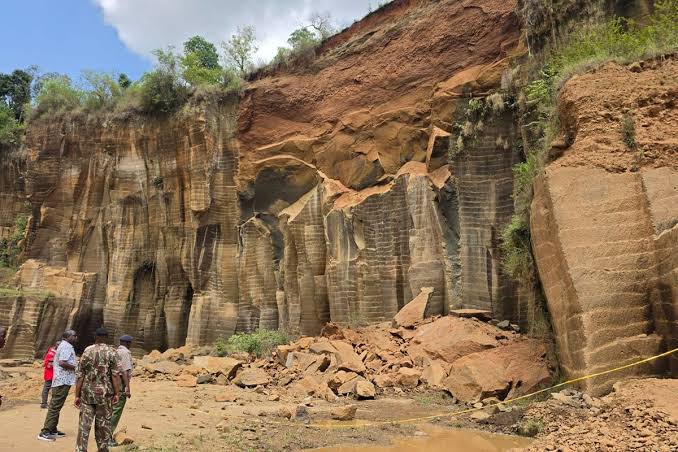
Rescue operations are underway following a deadly quarry collapse at Mutonga in Imenti South, Meru County, that left one person dead and several others feared trapped beneath the rubble. Emergency teams and local residents are working to locate the missing individuals as concerns grow over quarr
-
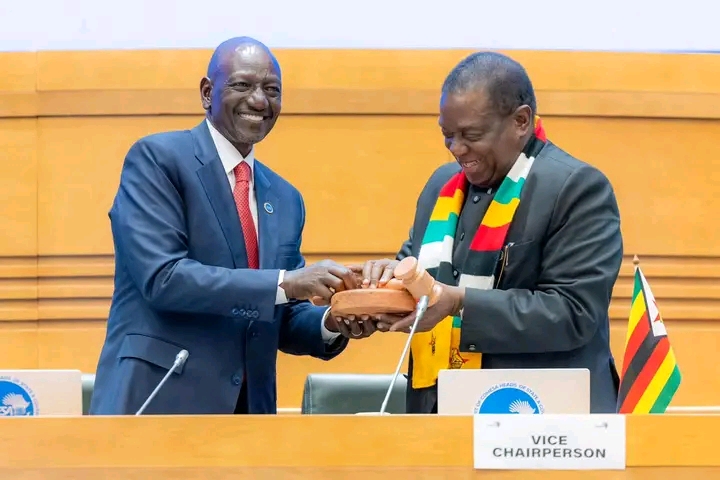
President William Ruto, speaking at the COMESA Summit in Zimbabwe on October 22, 2026, calls for African countries to be treated as equal partners in global affairs, emphasising fairness, mutual respect and equal opportunities in international trade, investment and decision-making. He urges COMESA m
-
President William Ruto's remarks at the 25th COMESA Summit in Harare highlighted the importance of stronger African economic cooperation, increased production, greater investment and expanded trade within the region. His message that African countries should produce more, invest more and trade more
-
Health Director General Patrick Amoth has confirmed that the first group of contacts linked to Ebola patients is expected to leave quarantine facilities on Sunday after completing the required monitoring period. The development marks a significant step in Kenya’s efforts to contain the outbreak th
-
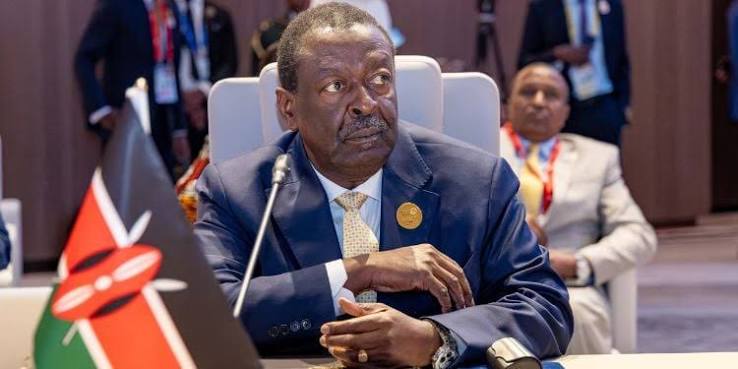
Prime Cabinet Secretary Musalia Mudavadi has called for stronger accountability, inclusive governance and reforms to global institutions, emphasising that restoring public confidence requires integrity, fairness, transparency and tangible results. He urged leaders to prioritise the needs of citizens
-
A family in Gatanga, Murang’a County, is demanding a thorough investigation after three children were found dead in an abandoned dam under circumstances that have raised suspicions of foul play. The children, identified as Natalia, 10, Jamal, 9, and four-year-old Asaph, reportedly attended church