President Ruto Tells COMESA Member States Africa Seeks Equal Treatment, Not Special Privileges in Global Affairs
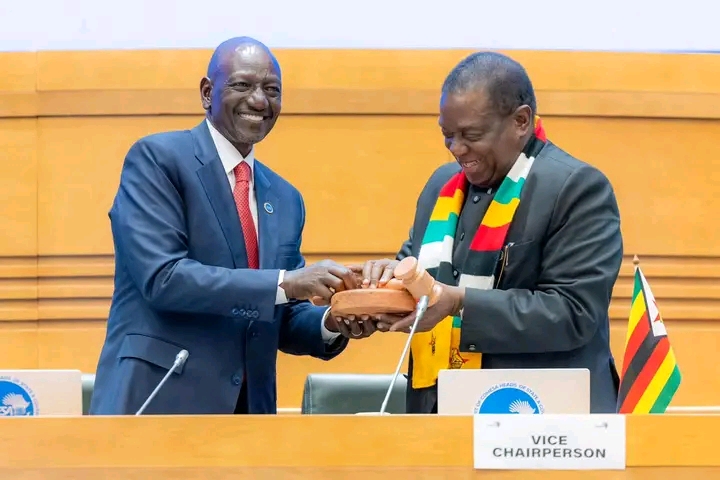
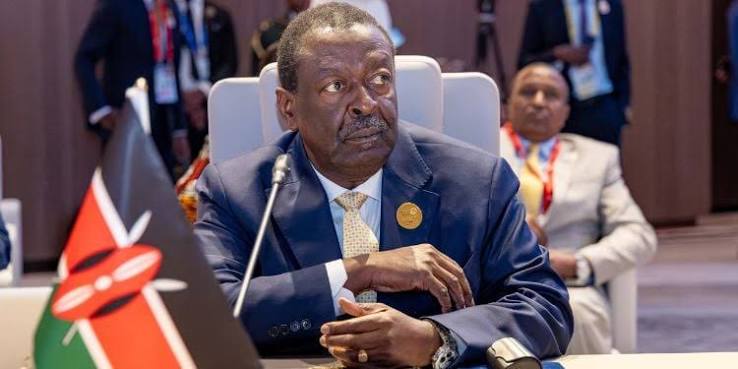
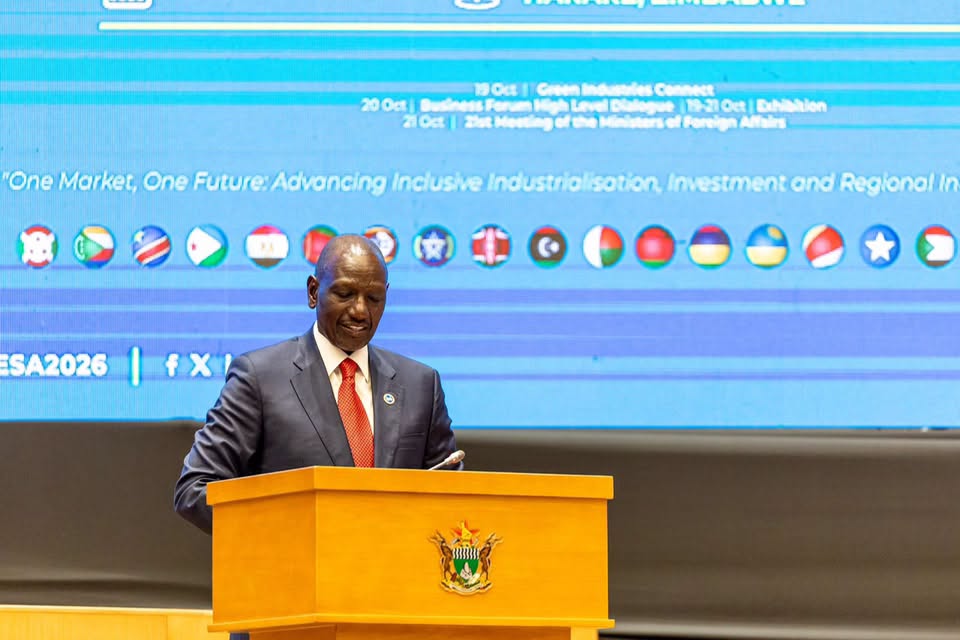
President William Ruto, speaking at the COMESA Summit in Zimbabwe on October 22, 2026, calls for African countries to be treated as equal partners in global affairs, emphasising fairness, mutual respect and equal opportunities in international trade, investment and decision-making. He urges COMESA member states to strengthen regional unity and cooperation in advancing Africa’s shared economic and development interests.
President William Ruto has called on member states of the Common Market for Eastern and Southern Africa (COMESA) to promote equality, fairness and mutual respect in international relations, emphasising that African countries are seeking equal treatment rather than special privileges. Speaking to leaders and representatives of COMESA member states at the summit, President Ruto highlighted the importance of recognising African countries as equal partners in global economic cooperation, trade negotiations and international decision-making.
His message underscored the need for a global system in which African nations can participate meaningfully, advance their development priorities and engage with other countries on the basis of mutual respect. The remarks reflected a broader call for stronger African representation in international affairs and greater recognition of the continent's economic potential, strategic importance and contribution to global development.
The President's statement comes against the background of ongoing discussions about Africa's position in the global economy, particularly regarding access to international markets, investment opportunities, financing and participation in institutions that shape global economic policies. For COMESA member states, the call for equal treatment highlights the importance of strengthening regional cooperation so that countries can pursue shared interests with a more coordinated voice.
Equality in international relations means that countries should have a meaningful opportunity to participate in discussions and negotiations that affect their economies and populations. It also involves respecting national sovereignty, acknowledging the rights of countries to determine their development priorities and ensuring that international agreements are guided by fair and transparent principles.
President Ruto's message places emphasis on the distinction between seeking special treatment and demanding equal opportunities. African countries are not necessarily asking to be exempted from international responsibilities or obligations. Rather, the call for equality centres on ensuring that they are treated fairly, their views are considered and their interests receive appropriate attention in global discussions.
For COMESA member states, this principle is particularly relevant because regional economic cooperation can help countries strengthen their bargaining position when engaging with larger economies and international institutions. By working together, member states can identify common priorities, coordinate their positions and negotiate agreements that reflect the interests of their populations.
COMESA is a regional organisation that seeks to promote economic integration among countries in Eastern and Southern Africa. Its objectives include expanding trade, encouraging investment, facilitating the movement of goods and services and supporting the development of a more integrated regional market. The organisation provides a platform through which member states can discuss common challenges and develop approaches to improving their economic performance.
The call for equal treatment reinforces the importance of making regional integration effective in practice. Although countries may differ in economic size, industrial capacity, population and access to resources, each member state has legitimate interests that should be considered in regional discussions. Respect for these differences can help strengthen trust and encourage participation in common initiatives.
For African countries, equality also involves ensuring that their economic contributions are recognised in global discussions. The continent possesses significant agricultural resources, minerals, energy potential, a growing population and expanding consumer markets. It also has opportunities in manufacturing, digital technology, tourism, financial services and other sectors that can support economic transformation.
However, the benefits of these opportunities depend partly on the conditions under which African countries participate in international trade and investment. Access to financing, technology and markets can influence whether countries are able to expand production, create jobs and improve the livelihoods of their citizens.
Fair treatment can help create an environment in which African businesses and governments compete and cooperate under transparent rules. It can also support efforts to address barriers that limit the ability of African producers to access international markets. Such barriers may include high compliance costs, restrictive trade requirements, limited access to financing and difficulties meeting technical standards.
The issue of equality is also connected to Africa's participation in international institutions. Decisions made by global financial organisations, trade bodies and other multilateral institutions can influence the economic opportunities available to developing countries. African governments have therefore continued to call for meaningful representation and decision-making arrangements that take account of the interests of the continent's diverse economies.
Greater representation can help ensure that African perspectives are considered when policies concerning international finance, debt sustainability, climate change, trade and development are discussed. It can also strengthen confidence in multilateral institutions by encouraging a more inclusive approach to global governance.
For COMESA member states, cooperation at the regional level can support these objectives. Countries that coordinate their positions may be better placed to communicate shared priorities and negotiate with international partners. Regional collaboration can also help member states exchange experiences, develop common standards and identify areas where collective action could deliver better results than separate national approaches.
Trade is one of the most important areas in which equal treatment can make a practical difference. African countries require access to markets where their products can compete fairly and where trade rules are applied transparently. Improved market access can support farmers, manufacturers, service providers and small businesses seeking to expand beyond domestic markets.
Within the COMESA region, reducing unnecessary barriers to trade can help businesses sell goods and services across national borders. This can increase the size of the market available to producers, encourage investment and support the development of regional supply chains.
For example, agricultural producers may benefit from improved access to neighbouring markets, while manufacturers may find opportunities to supply goods to businesses and consumers in other member states. Transport and logistics companies can also benefit when regional trade increases and border procedures become more efficient.
Nevertheless, equality in trade must be supported by practical measures. Governments need to work towards predictable regulations, efficient customs procedures and the consistent application of agreed rules. Businesses must also be able to access reliable infrastructure, affordable finance and the technical support needed to compete in wider markets.
President Ruto's message also highlights the importance of treating African countries as partners in investment and development cooperation. International investment can support infrastructure, industrialisation, energy production and technological advancement. However, partnerships are more sustainable when they are based on mutual benefit, transparency and respect for the priorities of the countries involved.
African governments have a responsibility to evaluate investment proposals carefully and ensure that agreements serve legitimate public interests. International partners, in turn, benefit from predictable policies and constructive engagement with governments and communities. A relationship based on equality allows both sides to negotiate responsibilities and benefits clearly.
Such cooperation can be particularly important in sectors that require substantial capital and technical expertise. Infrastructure projects, renewable energy developments, manufacturing facilities and digital systems may depend on collaboration between governments, private investors and international institutions. Fair agreements can help ensure that these investments support long-term development while providing reasonable returns to investors.
The call for equal treatment also relates to the importance of respecting the sovereignty of African countries. Governments need the space to develop policies suited to their economic circumstances, social priorities and development ambitions, while fulfilling their international obligations. Respect for sovereignty does not eliminate the need for cooperation; rather, it provides a basis for relationships in which countries engage voluntarily and negotiate on mutually understood terms.
For COMESA member states, the principle can encourage constructive dialogue on issues where national interests differ. Countries may have different approaches to tariffs, industrial policies, agricultural trade or investment regulations. Through consultation and established regional mechanisms, these differences can be addressed without undermining the wider objectives of economic integration.
The President's remarks further highlight the need for African countries to strengthen their own economic capacity. Equal treatment in international relations is supported when countries develop competitive industries, improve infrastructure, invest in education and skills, and create stable environments for businesses. These measures can expand domestic opportunities and strengthen the ability of African economies to participate in global markets.
Regional integration can contribute to this process by helping member states build larger markets and improve the movement of goods, services, capital and expertise. A more integrated regional economy can encourage companies to invest in production facilities that serve multiple countries and can make the region more attractive to international investors.
However, achieving these objectives requires sustained commitment from member states. Agreements must be implemented, trade barriers addressed and regional institutions supported in carrying out their responsibilities. Without effective implementation, declarations about equality and cooperation may not translate into measurable economic benefits.
Member states must also consider how the benefits of regional integration can reach ordinary citizens. Expanding trade and investment should contribute to job creation, business growth, improved access to goods and services and better living standards. Small and medium-sized enterprises, young entrepreneurs, farmers and women-led businesses should have opportunities to participate in regional economic activities.
Access to information, training, technology and finance can help these groups take advantage of a wider regional market. Governments can also support participation by improving transport links, simplifying business procedures and ensuring that relevant regulations are communicated clearly.
The broader significance of President Ruto's message lies in the relationship between equality, dignity and effective international cooperation. Countries are more likely to build lasting partnerships when they believe their interests are respected and their participation is meaningful. Mutual respect can support dialogue, reduce misunderstandings and create a stronger foundation for collective action.
For COMESA, this principle can help guide efforts to strengthen regional solidarity while recognising the diversity of member states. By working together on common economic priorities, countries can seek fairer trading relationships, attract investment and improve their collective position in international negotiations.
The call for equality does not mean that every country has identical economic circumstances or responsibilities. Rather, it points to the importance of fair processes, meaningful participation and respect for the legitimate interests of all parties. Different levels of development may require different forms of support or cooperation, but such arrangements should be transparent and directed towards clearly identified objectives.
Ultimately, President Ruto's message to COMESA member states emphasises that African countries want to engage with the international community as equal partners, with their voices heard and their interests treated with respect. The principle calls for international relationships based on fairness, cooperation and shared responsibility rather than assumptions that some countries should have a greater voice simply because of their economic or political influence.
The challenge for COMESA member states is to translate this principle into practical action through stronger regional cooperation, effective trade arrangements and consistent engagement with international partners. By coordinating their priorities and strengthening their economies, member states can improve their ability to participate in global decision-making and pursue opportunities that support sustainable development.
The long-term impact of this approach will depend on both international cooperation and the actions taken within the region. Strong institutions, transparent governance, competitive businesses and reliable regional agreements can help ensure that the call for equality is reflected in real economic and diplomatic outcomes.
As discussions continue on Africa's role in global affairs, the message serves as a reminder that meaningful partnerships depend on mutual respect. For COMESA member states, equality means having the opportunity to contribute to decisions that affect their future, protect legitimate national interests and participate fully in the economic opportunities of an increasingly interconnected world.

You Might Also Like
-
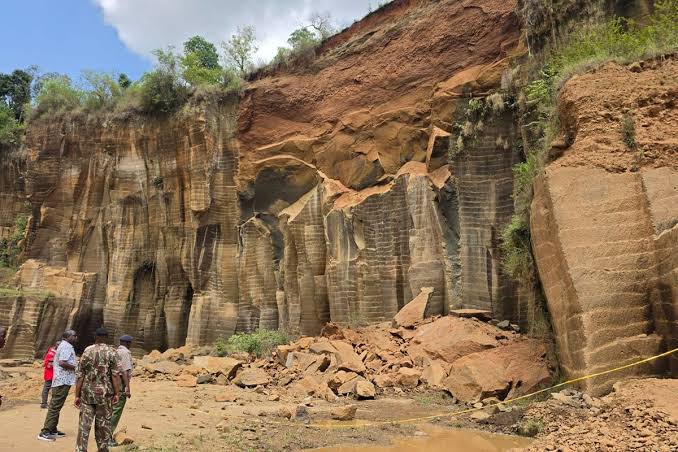
Rescue operations are underway following a deadly quarry collapse at Mutonga in Imenti South, Meru County, that left one person dead and several others feared trapped beneath the rubble. Emergency teams and local residents are working to locate the missing individuals as concerns grow over quarr
-
President William Ruto's remarks at the 25th COMESA Summit in Harare highlighted the importance of stronger African economic cooperation, increased production, greater investment and expanded trade within the region. His message that African countries should produce more, invest more and trade more
-
Deputy President Kithure Kindiki witnesses the commencement of construction works on the new Nithi Bridge in Tharaka Nithi County, a major infrastructure initiative aimed at improving road safety, enhancing regional connectivity and facilitating the movement of people and goods. The project is expec
-
Health Director General Patrick Amoth has confirmed that the first group of contacts linked to Ebola patients is expected to leave quarantine facilities on Sunday after completing the required monitoring period. The development marks a significant step in Kenya’s efforts to contain the outbreak th
-
Prime Cabinet Secretary Musalia Mudavadi has called for stronger accountability, inclusive governance and reforms to global institutions, emphasising that restoring public confidence requires integrity, fairness, transparency and tangible results. He urged leaders to prioritise the needs of citizens
-
A family in Gatanga, Murang’a County, is demanding a thorough investigation after three children were found dead in an abandoned dam under circumstances that have raised suspicions of foul play. The children, identified as Natalia, 10, Jamal, 9, and four-year-old Asaph, reportedly attended church