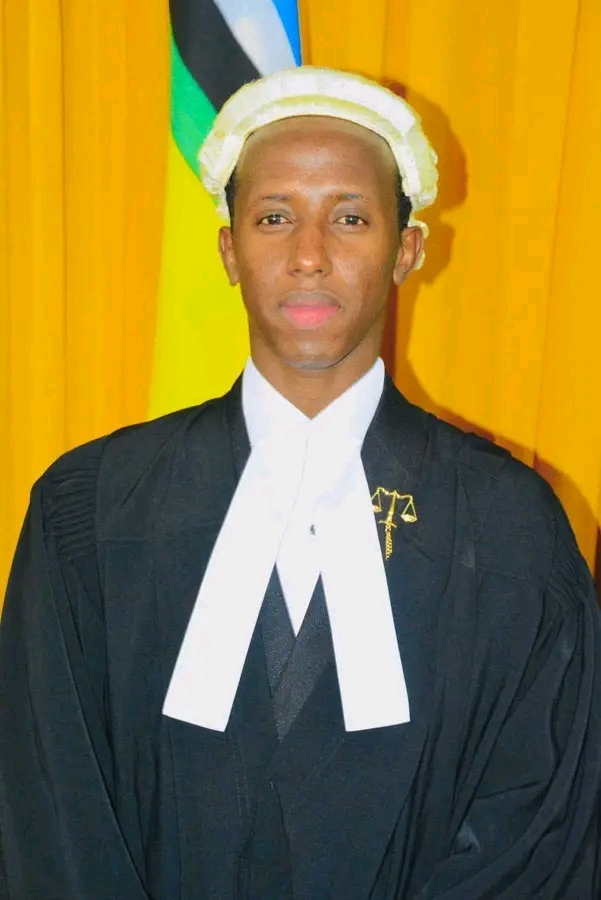
Lawyer Abshir Abdi Appears in Court After Being Found Abandoned in Marsabit as Questions Mount Over His 11-Day Disappearance
The appearance of lawyer Abshir Ahmedsadak Abdi before the Milimani High Court on November 13, 2026, marks a significant development following his 11-day disappearance and subsequent discovery in Marsabit County. His return alive has brought relief to his family, colleagues and Kenyans who had followed the search for him. However, the case remains important because several questions about his disappearance and that of Ayub Mohamud Maalim remain unanswered. The family and the Law Society of Kenya want the circumstances surrounding the incident investigated fully, while the National Police Service has promised an impartial and evidence-led investigation. The coming days will be important in determining how the legal proceedings and investigations progress. For many Kenyans, finding Abdi was only the first step. The bigger demand is to establish who was responsible, where the two men were held and whether justice will ultimately be served.
Lawyer Abshir Ahmedsadak Abdi has appeared before the Milimani High Court in Nairobi after being found alive in Marsabit County, bringing relief to his family, colleagues and members of the legal fraternity who had spent days demanding answers about his disappearance.His appearance in court on Friday, November 13, 2026, marked a significant development in a case that had attracted national attention and raised serious concerns about alleged abductions, personal security, human rights and the responsibility of security agencies to protect Kenyans.
Abdi had been missing since November 1, 2026, when he was reportedly abducted by armed individuals in Nairobi. His disappearance triggered widespread concern, with his family, fellow lawyers and the Law Society of Kenya (LSK) demanding that authorities establish his whereabouts and ensure his safe return.
The lawyer was eventually found alive in Marsabit County on Thursday, November 12, after reportedly being abandoned in the Sololo area near the Kenya-Ethiopia border. His discovery came as court proceedings concerning his disappearance were already underway.Abshir Abdi appears before Milimani High Court
Abdi appeared before Justice Alexander Muteti at the Milimani High Court on Friday morning, accompanied by his lawyer, Eric Theuri, who is a former president of the Law Society of Kenya.According to reports from the court proceedings, Abdi arrived at the court at approximately 10:22am. He was dressed in a navy-blue suit, a red tie and a blue face mask as he joined other advocates and members of the public who had gathered to follow the proceedings.
His appearance was particularly significant because the court had previously been dealing with an application seeking to compel the relevant security agencies to produce him or explain his whereabouts.
The application was filed through habeas corpus proceedings, a legal process that allows the court to demand that a person believed to be unlawfully detained be brought before it.
The family had been seeking answers about Abdi's disappearance and wanted the court to ensure that the authorities accounted for him.
His lawyer, Eric Theuri, informed the court that Abdi was now present and willing to give his account of what had happened during the period he was missing.Reports indicated that the two men had been blindfolded before being abandoned. Their lawyer told the court that they were allegedly ordered to run without looking back after their blindfolds were removed.
The circumstances surrounding their release have raised further questions about the people who allegedly held them and the reasons they were abandoned in different locations.
The National Police Service confirmed that the two men had been found by members of the public at separate locations in Marsabit County.
Police officers from Sololo Police Station responded to the reports, escorted the men to the station and recorded their statements.
The discovery was an important development because their families had spent days appealing for information about their whereabouts.The two men reportedly arrived in Nairobi early Friday morning, around 6:30am, after travelling for several hours.
Abdi sought medical attention at Nairobi Hospital before attending the court proceedings.
His health condition was an important concern, considering the uncertainty surrounding the conditions under which he had been held.
The family and legal fraternity were relieved that he had been found alive, but the reported injuries added to concerns about what might have happened during his disappearance.
The court appearance also provided an opportunity for the legal team to explain the importance of hearing directly from the two men rather than relying only on reports about their discovery.
Their accounts could help establish the circumstances of their alleged captivity, their treatment and the events leading to their release.Eric Theuri argued that their return did not automatically bring the legal proceedings to an end. He wanted the court to examine the circumstances surrounding their disappearance and establish whether the relevant authorities had fulfilled their constitutional responsibilities.
The legal team argued that the court should consider whether there had been any unlawful detention, whether state agencies had acted appropriately and whether there was sufficient accountability concerning the incident.
Theuri further requested that the court allow the two men to narrate their experiences, saying their testimony was important in establishing what happened during the days they were missing.
He also called for expedited investigations into the disappearance and urged the court to seek comprehensive explanations from the relevant security agencies.The judge questioned whether taking detailed evidence from Abdi and Maalim and making findings about their alleged abduction would go beyond the purpose of the existing proceedings.
He also expressed concern that certain findings could potentially affect other legal proceedings, including an intended criminal investigation or prosecution concerning the alleged abduction.
The judge sought clarification from the applicants on the specific orders they wanted the court to issue now that the two men had been found.
This presented an important legal question because the original application was primarily intended to establish the whereabouts of the missing men and compel their production before the court.
However, the family argued that the circumstances surrounding their disappearance remained unresolved.His white Toyota Premio was later discovered abandoned at the scene and subsequently towed to Kilimani Police Station.
The circumstances surrounding the incident immediately raised alarm among his family members and colleagues.
His disappearance became a major concern within the legal profession, with advocates demanding that the security agencies take immediate action to locate him.
The family subsequently approached the High Court through a habeas corpus application, seeking orders compelling the relevant security agencies to produce him alive or dead and explain his whereabouts.
On November 4, the court directed senior security officials to present him before the court or account for his whereabouts by 2:30pm.National Police Service promises investigations
Following the discovery of the two men, the National Police Service issued a statement confirming that they had been found in Marsabit County.
The police said members of the public had discovered the two men at Rawana and Uran Shopping Centres before officers from Sololo Police Station responded and escorted them to the station.
Their statements were recorded as part of the efforts to establish the circumstances surrounding their disappearance.
The National Police Service also promised to conduct a thorough, impartial and expeditious evidence-led investigation.
The commitment is important because the public expects security agencies to establish who was responsible for the alleged abduction and whether anyone used official positions or resources to facilitate the incident.The disappearance also triggered demonstrations by lawyers in Nairobi, with members of the legal profession demanding that security agencies explain what had happened.
The legal fraternity had warned that the incident was not simply a personal matter involving one advocate but a serious issue touching on constitutional rights, the rule of law and the independence of the legal profession.
The lawyers argued that every Kenyan, regardless of profession or social standing, has the right to personal security and protection under the Constitution.
The recovery of Abdi and Maalim has therefore not ended the concerns raised by the legal community.Such incidents raise serious human rights concerns because families can spend days or even months searching for their loved ones without receiving reliable information.
Kenya's Constitution protects the right to life, human dignity, freedom and security of the person. It also provides safeguards against arbitrary detention and torture.
The state has a responsibility to protect these rights and ensure that every reported disappearance is investigated effectively.
Abdi's recovery is encouraging, but the circumstances of his disappearance require proper examination.
It is important to establish the facts before assigning responsibility to any individual or institution. Allegations made during court proceedings must be investigated and tested through the appropriate legal processes.Their accounts may assist investigators in identifying possible suspects, locations where they were held and other evidence that could help establish what happened.
There is also the question of whether any constitutional violations occurred and whether the affected individuals could pursue compensation if wrongdoing is established.
The court will have to consider the legal boundaries of the existing habeas corpus proceedings while addressing the concerns raised by the family.
The National Police Service has separately committed to investigating the matter, and the outcome of those investigations will be important in determining whether criminal charges are warranted.

You Might Also Like
-
The presence of Principal Secretary John Ololtuaa during the distribution of KNEC examination materials in Narok Central Sub-County highlighted the government's continued involvement in ensuring the smooth administration of national examinations. Ololtuaa expressed satisfaction with the increase in
-
The collapse of the eight-storey building near the SGR terminus in Mlolongo along the Nairobi-Mombasa highway is another painful tragedy for Kenya, with six people confirmed dead and survivors rushed to hospital. The incident has renewed concerns about construction safety, regulatory supervision an
-
The warning against political incitement during the Maa Cultural and Tourism Festival in Narok is an important message as Kenya approaches the 2027 General Election. Governor Patrick Ole Ntutu has called on politicians and other participants to put aside their political differences and focus on cel
-
The call for more promotion opportunities was among the major issues surrounding the gathering, with school heads highlighting the importance of recognising teachers' experience, dedication and professional contributions. President William Ruto's announcement that 50,000 teachers would be promoted
-
The Catholic bishops' decision to prohibit politicians from making political addresses in Catholic churches marks an important intervention in Kenya's preparations for the 2027 General Election. Through the Kenya Conference of Catholic Bishops, the religious leaders have directed priests nationwide
-
They want the government, security agencies, political parties and civil society organisations to work together to protect female aspirants and ensure that women have equal opportunities to compete for leadership positions. Their concerns, alongside complaints raised by women aspirants in Kisumu an