Moi Teaching and Referral Hospital Isolates One Person for 21-Day Ebola Monitoring as Precautionary Measure
Moi Teaching and Referral Hospital (MTRH) in Eldoret has isolated one individual for a 21-day monitoring period as a precautionary measure against Ebola. Hospital CEO Dr. Phillip Kirwa has reassured the public that the move is preventive and should not be interpreted as confirmation that the individual has contracted the disease. The monitoring period is intended to help health professionals assess the person's condition and identify any possible symptoms. Members of the public are urged to remain calm, avoid spreading unverified information and rely on official updates from health authorities as Kenya continues strengthening disease surveillance and preparedness measures. Health experts emphasise that early detection, proper monitoring and adherence to public health guidelines are essential in preventing the spread of infectious diseases. The public is also encouraged to maintain good hygiene practices and seek medical advice promptly if they develop symptoms after a possible exposure.
Moi Teaching and Referral Hospital (MTRH) in Eldoret has isolated one individual for a 21-day monitoring period as part of precautionary measures aimed at preventing the possible spread of Ebola in Kenya.
The hospital's Chief Executive Officer, Dr. Phillip Kirwa, has reassured the public that the move is preventive and should not be interpreted as confirmation that the individual has contracted the Ebola virus.
The announcement comes amid heightened vigilance by health authorities as Kenya continues to strengthen surveillance and preparedness measures against the deadly viral disease. The monitoring initiative is intended to help health professionals assess the individual's condition, identify any potential symptoms early and minimise possible risks to healthcare workers, patients and the wider public.
Dr. Kirwa emphasised the importance of understanding the difference between precautionary isolation and a confirmed Ebola diagnosis, urging members of the public not to draw conclusions about the individual's health status without verified medical information.
The hospital's decision reflects the importance of early intervention, careful monitoring and adherence to established public health protocols when responding to suspected exposure to dangerous infectious diseases.
MTRH Strengthens Ebola Surveillance Measures
Moi Teaching and Referral Hospital is among Kenya's major referral facilities, serving patients from Uasin Gishu County and other parts of the country. Its role in managing complex medical cases makes infection prevention, surveillance and emergency preparedness essential components of its operations.
The decision to place one individual under a 21-day monitoring period is part of a precautionary approach designed to ensure that any possible signs of infection are identified promptly.
Ebola is a serious viral disease that can cause severe illness and, in some cases, death. Because of the potential consequences of an outbreak, health authorities rely on surveillance, contact tracing, appropriate isolation procedures and laboratory testing to identify and manage suspected cases.
Monitoring individuals who may have had a relevant exposure can help healthcare teams respond quickly if symptoms develop.
However, being placed under observation does not automatically mean that someone is infected. Such measures are often used to protect both the individual concerned and the public while health professionals assess the available information.
Dr. Kirwa's reassurance is therefore important in preventing unnecessary alarm and ensuring that the public understands the precautionary nature of the hospital's action.
The hospital's approach also highlights the need for healthcare facilities to maintain a high level of readiness when dealing with diseases that require specialised infection prevention procedures.
Why Is the Monitoring Period 21 Days?
The 21-day monitoring period is significant because it corresponds to the recognised maximum incubation period for Ebola virus disease, which is generally between two and 21 days.
The incubation period refers to the time between infection and the appearance of symptoms. During this period, health professionals may monitor individuals with a relevant exposure history to establish whether signs of illness emerge.
The monitoring process can involve regular health assessments, symptom checks and communication with public health teams, depending on the circumstances of the person's potential exposure.
Symptoms associated with Ebola can include fever, fatigue, muscle pain, headache and sore throat. In some cases, the illness may progress to vomiting, diarrhoea, abdominal pain and unexplained bleeding.
These symptoms can also occur in other illnesses, meaning that symptoms alone cannot establish an Ebola diagnosis. Medical assessment and appropriate laboratory testing are required to determine whether someone has the disease.
The 21-day period helps health professionals identify possible illness within the recognised incubation window. If the period passes without symptoms, public health officials can assess whether monitoring can end according to the applicable protocols and the person's exposure history.
It is important to note that the length of monitoring does not itself establish that infection has occurred.
In the case announced by MTRH, Dr. Kirwa has stressed that the individual should not be presumed to have Ebola simply because precautionary monitoring measures have been introduced.
Dr. Kirwa Urges the Public to Avoid Speculation
Dr. Kirwa's statement seeks to prevent misinformation and unnecessary fear surrounding the hospital's decision.
In situations involving potentially dangerous infectious diseases, information can spread quickly through social media, messaging platforms and informal conversations. When details are incomplete, speculation can lead to confusion and unnecessary concern among members of the public.
The hospital's clarification provides an important distinction between precautionary public health action and a confirmed diagnosis.
Isolation or monitoring may be implemented because healthcare professionals need to assess a possible risk, not necessarily because an individual has tested positive for a disease.
Prematurely identifying someone as infected can also expose that person to stigma, discrimination and unwarranted public scrutiny.
Members of the public are therefore encouraged to rely on verified communications from healthcare facilities and relevant public health authorities rather than unconfirmed reports.
Responsible reporting is equally important. Media organisations have a role in informing citizens about disease surveillance while ensuring that headlines and descriptions accurately reflect what health officials have confirmed.
The public should avoid sharing unverified claims about suspected cases, the identity of individuals under monitoring or the alleged spread of infection.
Clear communication can help maintain confidence in healthcare institutions while allowing medical teams to carry out their responsibilities without unnecessary interference.
Understanding How Ebola Spreads
Ebola is transmitted through direct contact with the blood or other bodily fluids of a person who is sick with or has died from Ebola, or through contaminated objects such as needles and medical equipment.
It can also spread through contact with infected animals or materials contaminated by infected bodily fluids.
According to established public health guidance, people who are infected but have not developed symptoms are not considered contagious. This is one reason monitoring and early identification of symptoms are important components of Ebola prevention.
Ebola does not spread through ordinary casual contact in the same way as airborne respiratory infections such as measles. Understanding the actual transmission routes helps people take appropriate precautions without becoming unnecessarily fearful of routine interactions.
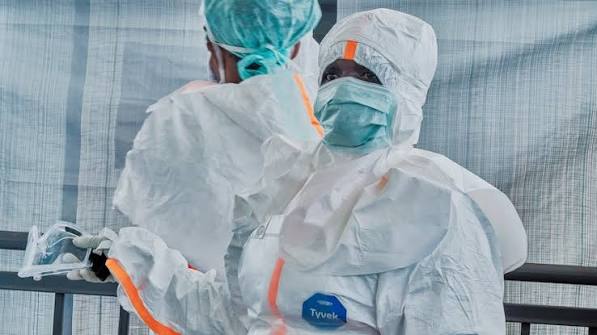
Healthcare workers caring for suspected or confirmed patients must follow strict infection prevention and control procedures, including appropriate protective equipment, safe handling of potentially infectious materials and proper waste management.
Health facilities also need clear protocols for identifying patients who may require further assessment and ensuring that their care is conducted safely.
These measures reduce the risk of transmission and protect both medical personnel and other patients.
Importance of Early Detection and Preparedness
The monitoring action at MTRH highlights the importance of preparedness in responding to emerging infectious disease threats.
Early detection allows health authorities to investigate possible exposure, assess risks and take appropriate measures before a potential transmission chain develops.
Preparedness includes training healthcare workers, maintaining surveillance systems, ensuring access to diagnostic services and establishing communication channels between hospitals and public health agencies.
Contact tracing can also be important where a confirmed or suspected exposure has occurred. It helps identify people who may have been exposed and determine whether they require monitoring or additional medical assessment.
Such activities must be guided by evidence and established protocols rather than assumptions.
For referral hospitals such as MTRH, preparedness is particularly important because patients arrive from different locations and may require specialised treatment.
Healthcare facilities must be able to identify potential risks while continuing to provide essential services to patients with other medical conditions.
Effective preparedness therefore requires coordination among hospitals, county health departments, national health authorities and other relevant agencies.
It also depends on timely communication, reliable information and public cooperation.
What the Public Should Do
Members of the public have an important role to play in supporting disease prevention and avoiding the spread of misinformation.
Anyone who believes they may have been exposed to Ebola should seek guidance from qualified health professionals and follow instructions from public health authorities.
People who develop symptoms after a relevant exposure should contact health services promptly and explain their exposure history. They should follow medical advice on how to access assessment safely rather than making unnecessary contact with other people while seeking care.
The public should also maintain good hygiene practices, including regular handwashing, and avoid contact with the bodily fluids of anyone suspected or confirmed to have Ebola.
However, people should not panic or assume that every fever or flu-like illness is Ebola. Many common conditions can cause similar symptoms, and a proper medical assessment is necessary to establish the cause.
Citizens are also encouraged to obtain information from official health announcements and reputable news organisations.
Sharing accurate information helps communities understand the measures being taken and supports cooperation with healthcare professionals.
Importantly, individuals undergoing medical monitoring should be treated with dignity and privacy. Precautionary procedures are part of public health management and should not become a reason for discrimination.
Protecting Healthcare Workers and Patients
Healthcare workers are often at the forefront of efforts to detect and manage infectious diseases. Their safety depends on adequate training, suitable protective equipment and strict adherence to infection prevention procedures.
Hospitals must ensure that suspected infectious cases are assessed using appropriate protocols and that staff understand how to minimise the risk of exposure.
The protection of healthcare workers also safeguards other patients who visit hospitals for treatment.
If an infectious disease enters a healthcare setting without appropriate precautions, the consequences can extend beyond the original patient. For this reason, hospitals maintain procedures for identifying possible risks and managing them responsibly.
Precautionary isolation and monitoring are among the tools that can be used when a potential exposure requires further assessment.
Such measures must be proportionate to the risk and based on available medical information.
MTRH's announcement demonstrates why hospitals need to communicate clearly about the purpose of their actions, especially when dealing with diseases that generate significant public concern.
Kenya's Continued Vigilance Against Ebola
Kenya's geographical connections with neighbouring countries and its regional transport networks make disease surveillance an important public health priority.
The movement of people across borders means that health authorities must maintain effective systems for identifying possible infections and responding quickly to emerging threats.
Preparedness involves cooperation between national and county health agencies, hospitals, laboratories and border health teams.
It also requires public awareness campaigns that explain symptoms, transmission routes and the appropriate steps to take when a person may have been exposed.
While vigilance is necessary, health officials must communicate risks accurately to avoid creating unnecessary alarm.
The announcement from Moi Teaching and Referral Hospital reinforces the need to distinguish between a precautionary response and evidence of a confirmed infection.
No conclusion about the individual's Ebola status should be drawn solely from the fact that the hospital has introduced a monitoring period.
Any further assessment of the situation should be guided by verified information from the hospital and relevant health authorities.

You Might Also Like
-
The arrest of 76 suspects in Kitale over alleged criminal activities has brought renewed attention to security in Trans Nzoia County and to the troubling disappearance of Lilly Cherono Kimutai, wife of retired police officer Michael Kimutai. The reported arrest of two suspects linked to the case of
-
The Anti-Counterfeit Authority's push for stronger regional cooperation and more consistent legal frameworks reflects the reality that counterfeit trade crosses borders and cannot be defeated by isolated national action. Kenya's engagements with Tanzania, Uganda, WIPO and other African partners dem
-
France's announcement on October 22, 2026, of the first documented human infection with Shamonda virus is a significant development in infectious disease research. The virus, previously associated primarily with livestock, was detected in a severely immunocompromised patient receiving treatment in L
-
Rescue operations are underway following a deadly quarry collapse at Mutonga in Imenti South, Meru County, that left one person dead and several others feared trapped beneath the rubble. Emergency teams and local residents are working to locate the missing individuals as concerns grow over quarr
-
President William Ruto, speaking at the COMESA Summit in Zimbabwe on October 22, 2026, calls for African countries to be treated as equal partners in global affairs, emphasising fairness, mutual respect and equal opportunities in international trade, investment and decision-making. He urges COMESA m
-
President William Ruto's remarks at the 25th COMESA Summit in Harare highlighted the importance of stronger African economic cooperation, increased production, greater investment and expanded trade within the region. His message that African countries should produce more, invest more and trade more