Multi-Storey Building Collapses Along 9th Street in Eastleigh, Nairobi, Several Feared Trapped
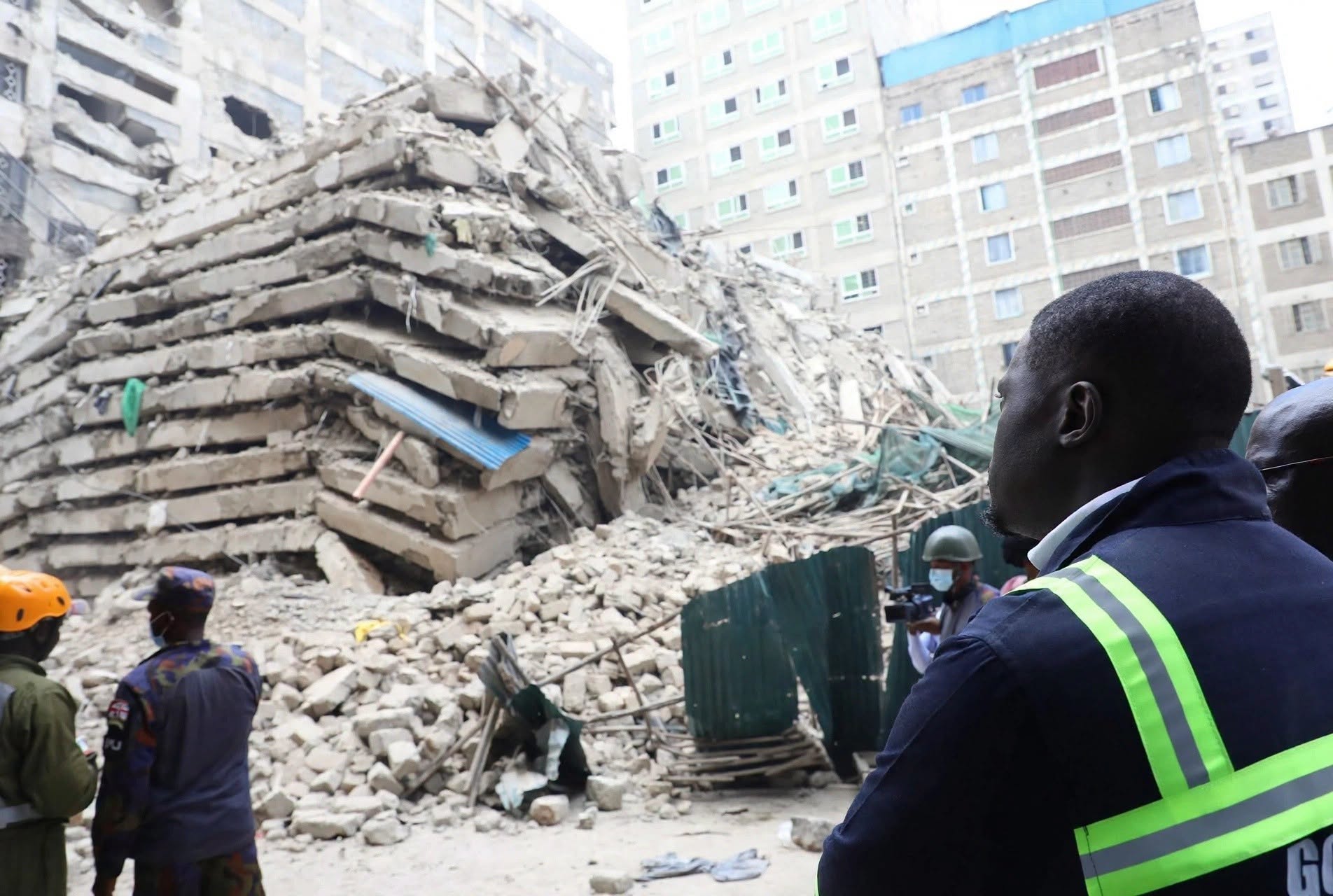
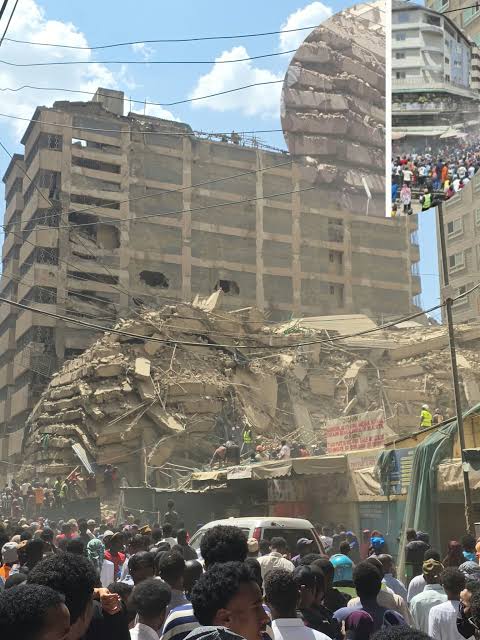
A multi-storey building under construction has collapsed along 9th Street in Eastleigh, Nairobi, raising fears that several people may be trapped beneath the rubble. The incident has sparked concern among residents, traders and passers-by, with attention focused on rescue efforts and efforts to establish whether construction workers or other individuals were inside the building when it came down. The collapse has also renewed concerns over construction safety in Nairobi, highlighting the importance of proper building standards, effective supervision and strict enforcement of safety regulations to prevent similar incidents.
A multi-storey building under construction has collapsed along 9th Street in Eastleigh, Nairobi, raising fears that several people may be trapped beneath the rubble. The incident has sparked concern among residents, traders and passers-by as attention turns to the search for anyone who may have been caught inside the structure when it came down.
The circumstances surrounding the collapse remain unclear, including the number of people who may have been at the construction site at the time of the incident. The immediate concern is the possibility that construction workers or other individuals could be buried beneath the fallen concrete, steel, bricks and other building materials.
The incident has drawn attention to the dangers associated with construction activities in densely populated urban areas, where buildings are often developed close to businesses, residential properties and busy streets. A structural failure at such a location can put not only construction workers but also pedestrians, motorists, traders and people in neighbouring buildings at risk.
As the situation develops, establishing the number of people affected and determining whether anyone remains trapped will be critical. Emergency responders will need to assess the collapsed structure, identify areas where people may be located and determine the safest way to access the debris.
Building collapses can create extremely dangerous conditions for anyone caught inside or near the affected structure. Heavy concrete slabs, steel reinforcement bars, bricks and other materials can fall unpredictably, leaving survivors trapped in confined spaces. Even when individuals survive the initial collapse, unstable debris and restricted access can make it difficult for rescuers to reach them.
The possibility of people being trapped beneath the rubble makes a coordinated emergency response essential. Rescue teams must work carefully to locate possible survivors while preventing additional sections of the structure from collapsing. Moving debris without first assessing the stability of the remaining building could expose both survivors and rescuers to further danger.
The location of the incident along 9th Street in Eastleigh adds to the concerns because the area is known for its busy commercial activities and high levels of movement. Any major emergency in such an environment can affect businesses, pedestrians and road users, particularly if access routes need to be restricted to allow emergency vehicles and rescue personnel to operate.
Residents and people working nearby may be able to provide useful information about what happened before the building collapsed. Witness accounts could help establish whether workers were inside the structure, whether anyone was seen leaving the building and which sections may have been occupied at the time.
However, information about casualties and missing people must be confirmed by the relevant authorities. In the immediate aftermath of a structural collapse, early reports can be incomplete, and the number of people believed to be missing may change as rescue teams obtain more information. Clear communication is important to prevent the spread of rumours and unnecessary distress among families.
The safety of emergency personnel is also a major consideration. A building that has partially collapsed may contain weakened columns, damaged beams and unsupported floors that could give way without warning. Rescuers need to determine which sections are stable enough to approach and whether additional support or specialised equipment is required.
Depending on the extent of the damage, emergency teams may need to use cutting equipment, lifting machinery and other specialised tools to gain access to areas beneath the debris. Such equipment can help remove heavy materials, but its use must be carefully controlled to avoid shifting rubble onto anyone who may be trapped.
Medical personnel may also be required at the scene to provide immediate assistance to survivors. People rescued from collapsed buildings can suffer serious injuries, including fractures, head injuries, crush injuries and breathing difficulties. Some injuries may not be immediately visible, making medical assessment important even for individuals who appear able to walk away from the scene.
The incident raises broader questions about building safety and the management of construction projects in Nairobi. As the city continues to expand, demand for residential, commercial and mixed-use buildings has increased. Construction provides employment and supports economic development, but it also requires strict compliance with building standards and proper supervision throughout the development process.
Multi-storey buildings depend on carefully designed structural systems to carry the weight of floors, walls, equipment and the people who will eventually occupy them. Columns, beams, foundations and other components must be designed and constructed to work together. If important elements fail, the consequences can be severe, particularly where several floors are affected.
A collapse during construction can occur for several reasons, including design deficiencies, substandard materials, poor workmanship, inadequate temporary supports or failures in construction procedures. Ground conditions and foundation problems can also contribute to structural instability. However, the cause of the Eastleigh incident has not been established, and no conclusion should be reached before a proper technical investigation is completed.
Investigators will need to examine the site and review the construction process to determine what led to the collapse. This may involve assessing the building's approved plans, inspecting the materials used, examining structural components and determining whether the work was carried out according to applicable requirements.
The investigation may also need to establish whether the project had the necessary approvals and whether relevant inspections were conducted at appropriate stages. These checks are important because building safety depends not only on the quality of the original design but also on the way construction work is carried out and supervised.
Construction sites require particular attention to temporary supports and partially completed structures. During construction, a building may not yet have the full structural strength it will possess once all planned components are completed. Temporary systems may be needed to support floors, beams and other elements until the permanent structure is capable of carrying the intended loads.
If these systems are inadequate, incorrectly installed or removed too early, sections of a building may become unstable. Safe construction practices therefore require careful sequencing of work and supervision by qualified professionals who understand the structural requirements of each stage.
The quality of construction materials is another important factor. Concrete, steel reinforcement and other components must meet appropriate standards and be used in accordance with the approved design. Poor-quality materials or incorrect installation can weaken a structure and increase the risk of failure.
Equally important is the role of professional oversight. Architects, structural engineers, contractors, site supervisors and relevant regulatory agencies each have responsibilities that contribute to the safety of a building project. Clear communication among these parties helps ensure that concerns are identified and addressed before they develop into serious hazards.
The collapse in Eastleigh may prompt renewed scrutiny of construction practices in Nairobi, particularly in areas experiencing rapid development. Urban growth creates demand for more housing and commercial space, but development must be accompanied by effective inspection, accountability and enforcement of building regulations.
Authorities responsible for construction oversight need to ensure that projects meet applicable safety standards and that violations are addressed appropriately. Regular inspections can help identify problems such as unauthorised structural changes, inadequate supports, unsafe excavation and the use of materials that do not meet required specifications.
Where immediate safety concerns are identified, appropriate action may be necessary to prevent further harm. This can include restricting access to dangerous areas, requiring technical assessments and ensuring that damaged or unstable structures are properly secured.
Neighbouring buildings may also need to be assessed if the collapse has affected nearby foundations, walls or other structural elements. Even when an adjacent building remains standing, vibrations, falling debris or damage to shared ground conditions may create risks that are not immediately apparent.
The impact on the surrounding community could extend beyond the immediate rescue operation. Businesses may be temporarily disrupted if roads are closed or access to nearby premises is restricted. Traders and employees could lose working hours, while residents may experience inconvenience as authorities secure the area and conduct inspections.
For families whose relatives may have been at the construction site, the uncertainty surrounding the incident is likely to be particularly distressing. They will need reliable information about the progress of rescue operations and the identities of anyone confirmed to have been injured or killed. Authorities should communicate verified updates carefully and provide appropriate guidance to affected families.
Members of the public should avoid approaching the collapsed building or entering restricted areas. Although people may want to assist, crowding near an unstable structure can obstruct emergency vehicles, interfere with rescue activities and expose bystanders to falling debris. Keeping access routes clear can help responders carry out their work more effectively.
Anyone who witnessed the collapse or has credible information about people who may have been inside the building should share it with the relevant emergency personnel. Such information can assist search efforts, especially where workers or visitors have not yet been accounted for.
Once the immediate emergency has been addressed, the focus will shift to determining the cause of the collapse and identifying measures needed to prevent similar incidents. A thorough investigation should establish the sequence of events, assess compliance with construction requirements and determine whether any failures contributed to the incident.
If evidence of negligence or breaches of building regulations is found, the appropriate authorities should take action in accordance with the law. Accountability is important not only for establishing responsibility but also for strengthening public confidence in construction oversight and protecting people who live or work near building sites.
The incident also highlights the importance of emergency preparedness at construction projects. Contractors should have procedures for responding to structural failures, evacuating workers, contacting emergency services and accounting for everyone on site. Workers should know how to raise an alarm and move to safety when a serious hazard develops.
Regular safety training and effective supervision can help workers recognise dangerous conditions and report concerns before an accident occurs. Construction companies should also ensure that safety equipment is available and that site access is managed to reduce the risk to unauthorised visitors and members of the public.
At the city level, stronger coordination between planning authorities, construction regulators and emergency services can support safer development. Sharing information about high-risk sites, responding promptly to complaints and ensuring that technical inspections are properly carried out can help reduce the likelihood of major structural failures.
Nairobi's growth makes safe construction increasingly important. New buildings are necessary to accommodate a growing population and support commercial activity, but the benefits of development can only be sustained when projects are designed, built and maintained responsibly. Compliance with building standards must be treated as a fundamental requirement rather than an administrative formality.
For now, the priority at the Eastleigh site is to establish whether anyone remains trapped beneath the rubble, provide assistance to those affected and ensure that the surrounding area is safe. The number of people involved, the extent of any injuries and the cause of the collapse remain matters for confirmation by the relevant authorities.
The incident serves as a reminder of the potentially devastating consequences of structural failure, particularly in busy urban neighbourhoods. It also reinforces the need for effective construction supervision, reliable materials, proper structural design and consistent enforcement of safety regulations.

You Might Also Like
-
 The negotiations between Nyamira County ECDE teachers and the county government marked an important step towards resolving a dispute that had disrupted early childhood education. The September 21, 2026, agreement addressed the central issues of salary adjustments, formal recognition of KUNOPPET, re
-
Nairobi Governor Johnson Sakaja has revealed that the 16-storey building that collapsed in Eastleigh had no occupation certificate, raising concerns over compliance with construction regulations and building safety standards. Meanwhile, multi-agency rescue teams are using excavators and sniffer dogs
-
The development agenda associated with Aden Duale and John Mbadi brings together two important areas of government responsibility: healthcare delivery and economic planning. Duale's portfolio is relevant to strengthening medical services and improving access to essential healthcare, while Mbadi's Tr
-
The proposed Dangote refinery in Lamu has the potential to become a significant part of Kenya's industrial and energy ambitions. Its planned capacity, scale of investment and potential regional market could create opportunities in petroleum processing, manufacturing, logistics and employment. Howev
-
The reported call by ACK Archbishop Jackson Ole Sapit for the government to strengthen measures against Ebola highlights the importance of preparedness, accountability and cooperation in protecting public health. Kenya needs adequate protective equipment, trained healthcare workers, functional isol
-
The Kenya Medical Association's call for adequate protective equipment highlights a fundamental requirement for effective Ebola prevention: healthcare workers must be protected before they can safely protect others. The government, county administrations and hospital managers need to ensure that PP