



Natembeya Challenges Ruto Supporters to Explain Their SupporT
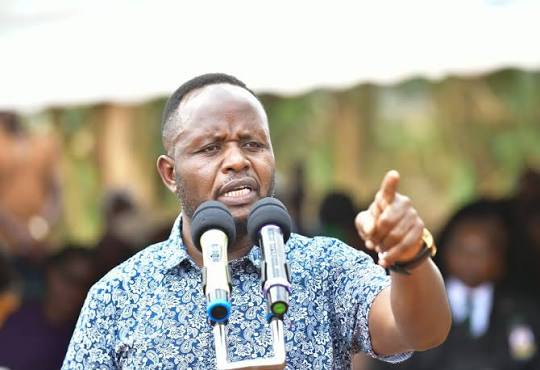
Trans Nzoia Governor George Natembeya has challenged supporters of President William Ruto to explain the reasons behind their support for his administration, amid growing political activity ahead of the 2027 General Election.
Trans Nzoia Governor George Natembeya has challenged Kenyans who support President William Ruto to explain the reasons behind their continued backing of his administration, as political activity intensifies ahead of the 2027 General Election.
Natembeya questioned what he described as the basis for supporting the President, urging Ruto's supporters to point to the achievements, policies and programmes that have influenced their political position.
“If you support Ruto, tell us why,” Natembeya said, in remarks that have added to the growing political debate over the performance of the Kenya Kwanza administration.
His comments come at a time when political leaders across the country are increasingly positioning themselves ahead of the 2027 General Election. Opposition figures have intensified public engagements, rallies and grassroots mobilisation as they seek to consolidate their political bases and explore possible alliances.
Natembeya has been participating in activities associated with the Linda Mwananchi movement, which recently held a major political mobilisation in Nairobi. On September 13, 2026, the movement led a procession through parts of the capital before culminating in a rally at Jacaranda Grounds. Natembeya was among the leaders who participated in the Nairobi mobilisation alongside Nairobi Senator Edwin Sifuna, Siaya Governor James Orengo, Embakasi East MP Babu Owino and other political figures.
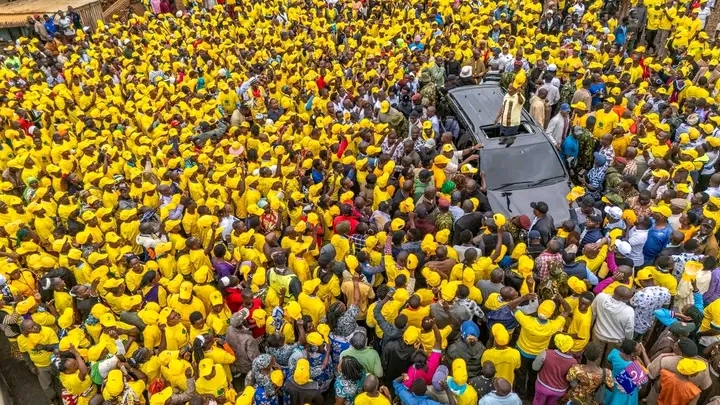
The Nairobi tour began with a church service before the leaders and their supporters moved through several areas, including Marikiti, Gikomba and Burma markets. The procession later passed through parts of Eastlands before reaching Jacaranda Grounds, where the leaders addressed supporters.
The rally became an important platform for the movement to communicate its political message and criticise the current administration. Sifuna, who has increasingly positioned himself as a prominent figure in the opposition, used the occasion to speak about his political ambitions and the need for opposition leaders to work together.
Natembeya's question to Ruto supporters therefore comes against a wider backdrop of competing political narratives about the government's record.
President Ruto's administration has continued to highlight its development agenda, pointing to programmes and projects in areas such as infrastructure, affordable housing, healthcare, agriculture, education, energy and investment. Government officials have argued that these initiatives are intended to improve public services, stimulate economic activity and create employment opportunities.
Opposition leaders, however, have questioned aspects of the government's policies and implementation. Their criticisms have focused on issues including the cost of living, taxation, healthcare, employment, public debt and the management of public resources.
These differing positions have increasingly become part of the political conversation as leaders seek to convince Kenyans of the merits of their respective agendas.
Natembeya's remarks also reflect a broader effort by opposition leaders to challenge the government on its performance rather than focusing solely on political alliances.
By asking supporters of the President to explain their reasons for backing him, the governor is seeking to shift the debate toward the policies and achievements that voters consider important.
The question also comes as political movements begin to test their ability to mobilise support across different regions of the country.
The Linda Mwananchi movement has been conducting political activities in various parts of Kenya, with its Nairobi rally representing one of its most visible recent engagements. Reports from the September 13 mobilisation indicated that large numbers of supporters joined the procession as it moved through different parts of the capital before reaching Jacaranda Grounds.
The National Police Service later described the Jacaranda rally as peaceful, saying organisers, participants and security officers demonstrated mutual respect and restraint during the event. The service said the gathering demonstrated that political expression could take place peacefully and within the law.
The event has since continued to generate political discussion, particularly over the direction of the opposition and the emergence of new political formations ahead of the 2027 elections.
Natembeya has been part of discussions surrounding opposition cooperation, with leaders within the Linda Mwananchi camp calling for greater coordination among opposition parties and politicians.
The question of opposition unity has become increasingly prominent as several political figures position themselves for the next electoral contest. Different leaders have expressed varying views on how opposition parties should work together and whether they should settle on a common candidate or political platform.
At the same time, President Ruto and his allies have continued to defend the government's record and agenda. Kenya Kwanza leaders have maintained that the administration is implementing programmes aimed at addressing long-standing development challenges while laying the foundation for economic growth.
The government has also continued to engage citizens through public meetings, development tours and political events, where officials highlight ongoing projects and explain their policies.
For ordinary Kenyans, the competing political messages are likely to remain centred on issues that directly affect their daily lives.
The cost of basic commodities, access to healthcare, employment opportunities, agricultural productivity, education, infrastructure and taxation are among the issues likely to shape public discussions as the country moves toward the 2027 election.
Natembeya's challenge therefore places the question of political support within the broader debate about government performance and public expectations.
His remarks invite supporters of President Ruto to explain which policies, projects or achievements they believe justify their continued support for the administration.
At the same time, critics of the government are being challenged to present alternative policies and explain how their proposed approach would address the concerns raised by citizens.
The political conversation is expected to become more active in the coming months as parties and movements strengthen their grassroots structures, hold public meetings and seek to build alliances.
The emergence of Linda Mwananchi as a political mobilisation platform has added another dimension to the opposition landscape. The Nairobi rally demonstrated the movement's ability to organise a high-profile public event, while also bringing together politicians with different political backgrounds and ambitions.
However, questions remain about how the movement and its leaders will organise themselves as the 2027 election approaches. Political formations often face challenges over leadership, party structures, alliances and the selection of candidates.
For Natembeya, the immediate focus remains on questioning the basis of support for the current administration.
His message is likely to generate responses from both supporters and critics of President Ruto, with each side expected to present its own assessment of the government's performance.
As Kenya enters a period of heightened political activity, the debate is increasingly shifting from individual personalities to questions about policies, development priorities and the country's future direction.
Natembeya's challenge — “If you support Ruto, tell us why” — has therefore become part of a broader political conversation in which Kenyans are being presented with competing arguments about the record of the current administration and the alternatives being offered by opposition leaders.
With the 2027 General Election approaching, political leaders across the divide are expected to continue taking their messages to the public, seeking to explain their positions and build support around their respective programmes and alliances.

You Might Also Like
-
The High Court in Kibra has denied bail to eight minors facing charges linked to the Untumishi Girls fire tragedy, which claimed the lives of 16 girls on May 28. The suspects will remain in custody as the case proceeds.
-
The Mount Longonot charity hike has once again placed the education needs of persons with visual impairments in the spotlight. The event brought together supporters, organizations and disability advocates for a common cause: raising awareness and resources for learners who require specialized suppor
-
The recovery of 241.5 kilogrammes of bhang valued at approximately KSh7.245 million following an accident along the Nakuru–Nairobi Highway has turned a highway crash into a major narcotics investigation. The six sacks discovered inside the damaged Mazda CX-5 have been secured by police, while dete
-
The drama witnessed in Nairobi CBD on September 21, 2026, has once again pushed Kizza Besigye’s prolonged detention into the spotlight in Kenya. Several activists were arrested after police broke up a demonstration demanding his release and calling for answers over how he was transferred from Keny
-
The Mau evictees' return to the forest has brought renewed attention to a dispute that has remained unresolved for years. While the affected families say they returned because they had not received compensation, Narok authorities have warned them against reoccupying the protected forest and instruct
-
Kithure Kindiki's September 21 visit to Tharaka Nithi combined development inspections, public engagement and political messaging. He inspected road construction works, addressed residents at Gaciongo Market and defended the decision by Mount Kenya elders to endorse him as their spokesperson and rep