



Drama in Nairobi CBD as Police Break Up Protest Against Continued Detention of Kizza Besigye
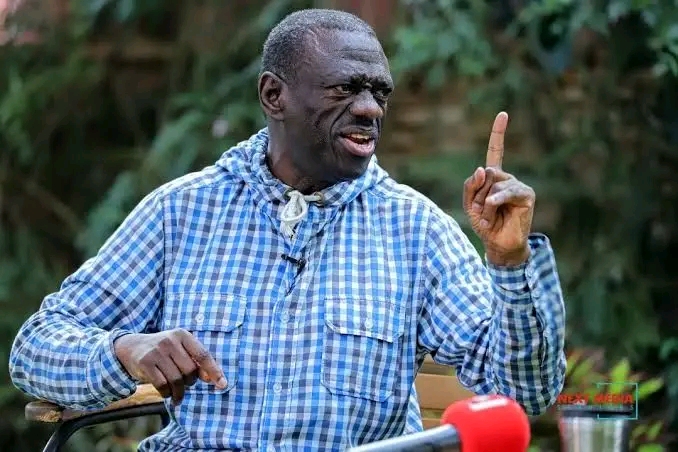
The drama witnessed in Nairobi CBD on September 21, 2026, has once again pushed Kizza Besigye’s prolonged detention into the spotlight in Kenya. Several activists were arrested after police broke up a demonstration demanding his release and calling for answers over how he was transferred from Kenya to Uganda in November 2024. The protests come at a critical moment in Besigye’s Ugandan treason case, with recent court testimony raising fresh and disputed allegations about the Nairobi arrest operation. While the prosecution continues presenting its case, the defence has questioned aspects of the evidence and testimony. For the Kenyan activists, the issue goes beyond Uganda’s internal politics. They are demanding accountability over events that allegedly began in Nairobi and want an independent investigation into the role, if any, played by Kenyan security agencies. As police continue to manage demonstrations in the CBD and Besigye’s court case proceeds in Uganda, the controversy surrounding his detention and transfer remains an important regional human-rights and rule-of-law issue
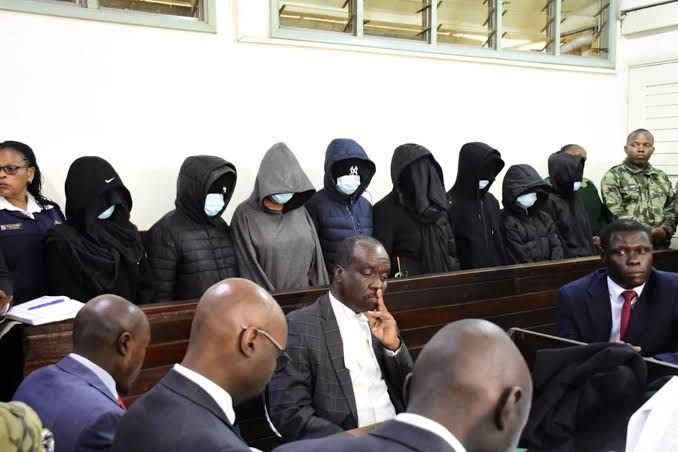
Drama unfolded in Nairobi’s Central Business District on Monday, September 21, 2026, after police moved to disperse activists demonstrating against the continued detention of Ugandan opposition leader Dr Kizza Besigye. Several activists were arrested during the protest as demonstrators demanded his release and called on the Kenyan government to explain how the veteran Ugandan politician was transferred from Kenya to Uganda in November 2024.
The demonstration brought renewed attention to a case that has remained controversial across Kenya and Uganda for nearly two years. Activists say the circumstances surrounding Besigye’s disappearance from Nairobi and subsequent appearance in Uganda raise serious questions about Kenya’s sovereignty, the protection of people on Kenyan territory and the role of security agencies.
The protest also came days after new testimony in Besigye’s treason case in Uganda raised fresh questions about what happened at the Nairobi location where he was arrested.
Police arrest protesters in Nairobi CBD
According to reports from Monday’s demonstration, police officers moved in to break up the protest after activists gathered in Nairobi CBD demanding Besigye’s release. Among those arrested were activists Julius Kamau and Collins Otieno. Reuters photographs also showed Kenyan police detaining Kamau during the demonstration.
The activists had planned to march toward the President’s Office on Harambee Avenue. Their intention was to present their grievances and demand answers from the Kenyan government over Besigye’s transfer from Kenya to Uganda.
The demonstration was not simply focused on Uganda. The protesters were particularly interested in the circumstances surrounding Besigye’s disappearance from Nairobi on November 16, 2024, and what they described as the failure by Kenyan authorities to provide satisfactory answers.
The protesters had previously submitted a petition to the President’s Office and were demanding a response. They wanted an explanation of how Besigye was taken from Kenyan territory and whether Kenyan security officers participated in the operation.
Why activists are protesting
The Nairobi activists say Besigye’s case is important because the events began on Kenyan soil.
Besigye, a veteran Ugandan opposition politician and four-time presidential candidate, was in Nairobi in November 2024 when he was detained alongside his aide, Hajji Obeid Lutale. He later appeared in Uganda, where the two were initially taken before a military court.
The activists argue that Kenya has a responsibility to explain what happened while Besigye was within its jurisdiction.
Ahead of Monday’s demonstration, human-rights defenders said they were not protesting against Kenya but were demanding that Kenya protect its sovereignty and the rights of people within its borders.
The organisers had also demanded an independent investigation into the circumstances surrounding Besigye’s transfer.
Their questions include who authorised the operation, which agencies were involved, how Besigye was transported out of Kenya and whether Kenyan security personnel participated in the operation.
Fresh allegations about the Nairobi arrest
The Nairobi demonstration comes at a particularly significant time because of testimony recently given in Besigye’s treason trial in Uganda.
Andrew Wilson, a prosecution witness in the case, told Uganda’s High Court that the Nairobi arrest operation was intelligence-led. During cross-examination, he alleged that Kenyan police had deliberately placed two pistols and suspected counterfeit currency at a Nairobi apartment before Besigye and Lutale arrived.
These are allegations made in court and should not be treated as established facts unless and until they are determined through the legal process.
Wilson reportedly testified that an apartment at Riverside in Nairobi had been rented and prepared for the operation. He further alleged that he helped lure Besigye and Lutale to the location under the pretext of holding a meeting.
The testimony has generated significant attention because it directly connects the controversial Ugandan treason case to events that occurred in Nairobi.
The defence questioned Wilson about the alleged weapons, the handling of the evidence and his role in the operation. According to Uganda Radio Network, Wilson also declined or was unable to answer some questions, saying certain information was classified.
Questions over evidence
The testimony has also raised questions about evidence allegedly collected during the Nairobi operation.
Earlier in the trial, Wilson told the Ugandan High Court that crucial video evidence from a meeting in Nairobi was lost after police officers allegedly interfered with his recording equipment. He said he had used hidden cameras and microphones to record meetings involving Besigye in different locations, including Nairobi, Athens and Geneva.
The handling of that evidence has become part of the wider courtroom debate.
The defence has challenged aspects of Wilson’s testimony and the prosecution's interpretation of recordings presented before the court. As a result, the allegations concerning the Nairobi operation remain matters being tested through the ongoing proceedings.
Besigye remains in detention
Besigye has remained in custody as his treason case proceeds before Uganda’s High Court.
The trial was initially associated with Uganda’s military court, but the case was subsequently moved into the civilian court system following legal developments concerning the trial of civilians by military courts.
The prosecution alleges that Besigye, Lutale and Uganda People's Defence Forces officer Captain Denis Oola participated in activities aimed at overthrowing the Ugandan government.
The prosecution has relied on witness testimony, recordings and other evidence in presenting its case. Besigye and his co-accused have contested the allegations.
The current proceedings have continued even when Besigye himself has been absent from some hearings because of his health and detention circumstances. Uganda Radio Network reported that the treason trial has been proceeding in his absence while he remains on remand at Luzira Prison.
Health concerns add pressure
Besigye’s health has become another major concern for his supporters.
In July 2026, he collapsed during proceedings at the High Court in Kampala and was taken to hospital. The incident prompted the court to seek medical information regarding his ability to participate in the trial. The High Court subsequently directed that his medical condition be assessed.
His health has since remained an important issue for activists demanding his release.
A fundraising campaign was also launched in Uganda to support Besigye and others detained alongside him, amid concerns over his welfare and medical needs. Recent reporting said supporters were seeking funds for medical and welfare support.
Activists in Kenya have previously called not only for Besigye’s release but also for access to specialised medical treatment.
Previous Nairobi protests
Monday’s demonstration was not the first time Kenyan activists have taken to the streets over Besigye.
On September 3, 2026, human-rights activists marched through Nairobi CBD and went to the Ministry of Foreign and Diaspora Affairs, where they issued a seven-day ultimatum demanding Besigye’s unconditional release. They also raised concerns about his health and called for the Kenyan government to take a position on his continued detention.
The renewed protest on September 21 indicates that activists believe their concerns have not been adequately addressed.
Before Monday's protest, organisers said they wanted the government to respond to a petition they had submitted nearly two weeks earlier. They argued that their continued demonstrations were necessary because they had not received what they considered satisfactory answers.
Activists raise regional human-rights concerns
The protesters have also framed Besigye’s case as a wider East African human-rights issue.
They have pointed to the relationship between Kenya and Uganda and argued that citizens should be protected regardless of their political affiliations or nationality.
Some activists have linked Besigye’s case to other incidents involving Ugandan nationals in Kenya, arguing that there should be greater transparency whenever foreign security agencies seek to detain or transfer people from Kenyan territory.
Their concerns come against a background of continuing debate over the treatment of opposition figures and human-rights defenders in the region.
Human-rights organisations have previously criticised Uganda’s use of military courts in cases involving civilians, while calling for respect for due process and fair-trial rights.
The role of the Kenyan government
One of the most important issues raised by Monday’s protest is the question of what Kenyan authorities knew about Besigye’s transfer.
Activists want an independent inquiry to establish the circumstances under which he was moved from Nairobi to Uganda.
The issue has been especially sensitive because Ugandan authorities previously acknowledged cooperation with Kenyan authorities in relation to Besigye’s arrest and transfer. Reporting in 2024 quoted Uganda’s government as saying there had been coordination with Kenyan authorities.
However, the exact nature and extent of any Kenyan involvement remain a subject of political and legal debate.
The activists therefore want a formal investigation rather than relying solely on competing statements from governments, security agencies and individuals involved in the case.
What happened during Monday's confrontation
The planned demonstration became tense when police intervened.
Activists carrying placards and demanding Besigye’s release were confronted by officers as they attempted to continue their protest in the CBD. Photographs from Reuters showed police detaining protesters, including Julius Kamau.
Reports from the protest identified several activists who were arrested.
The police action brought the demonstration to an early halt and shifted attention from the protesters’ demands to the question of how authorities handle demonstrations in Nairobi.
For the activists, however, the arrests reinforced their argument that they should continue pressing for answers about Besigye.
What happens next?
The latest developments leave several issues unresolved.
First, Besigye’s treason case continues in Uganda. The prosecution is presenting evidence, while the defence continues to challenge aspects of the state's case.
Second, questions surrounding the November 2024 Nairobi operation remain highly controversial. Recent testimony by prosecution witness Andrew Wilson has introduced new allegations concerning the alleged planting of firearms and counterfeit currency, but those claims remain contested in court.
Third, Kenyan activists are continuing to demand an explanation from their government over Besigye’s transfer.
Finally, Besigye’s health remains an important concern for his supporters, who have repeatedly called for appropriate medical treatment and, in some cases, medical evacuation.

You Might Also Like
-
The High Court in Kibra has denied bail to eight minors facing charges linked to the Untumishi Girls fire tragedy, which claimed the lives of 16 girls on May 28. The suspects will remain in custody as the case proceeds.
-
The Mount Longonot charity hike has once again placed the education needs of persons with visual impairments in the spotlight. The event brought together supporters, organizations and disability advocates for a common cause: raising awareness and resources for learners who require specialized suppor
-
The recovery of 241.5 kilogrammes of bhang valued at approximately KSh7.245 million following an accident along the Nakuru–Nairobi Highway has turned a highway crash into a major narcotics investigation. The six sacks discovered inside the damaged Mazda CX-5 have been secured by police, while dete
-
The Mau evictees' return to the forest has brought renewed attention to a dispute that has remained unresolved for years. While the affected families say they returned because they had not received compensation, Narok authorities have warned them against reoccupying the protected forest and instruct
-
Kithure Kindiki's September 21 visit to Tharaka Nithi combined development inspections, public engagement and political messaging. He inspected road construction works, addressed residents at Gaciongo Market and defended the decision by Mount Kenya elders to endorse him as their spokesperson and rep
-
Azimio la Umoja has officially rebranded as the Ukombozi Alliance, with Wiper leader Kalonzo Musyoka announcing the new political identity ahead of the 2027 General Election.