



Azimio La Umoja Rebrands as Ukombozi Alliance Ahead of 2027
Azimio la Umoja has officially rebranded as the Ukombozi Alliance, with Wiper leader Kalonzo Musyoka announcing the new political identity ahead of the 2027 General Election.
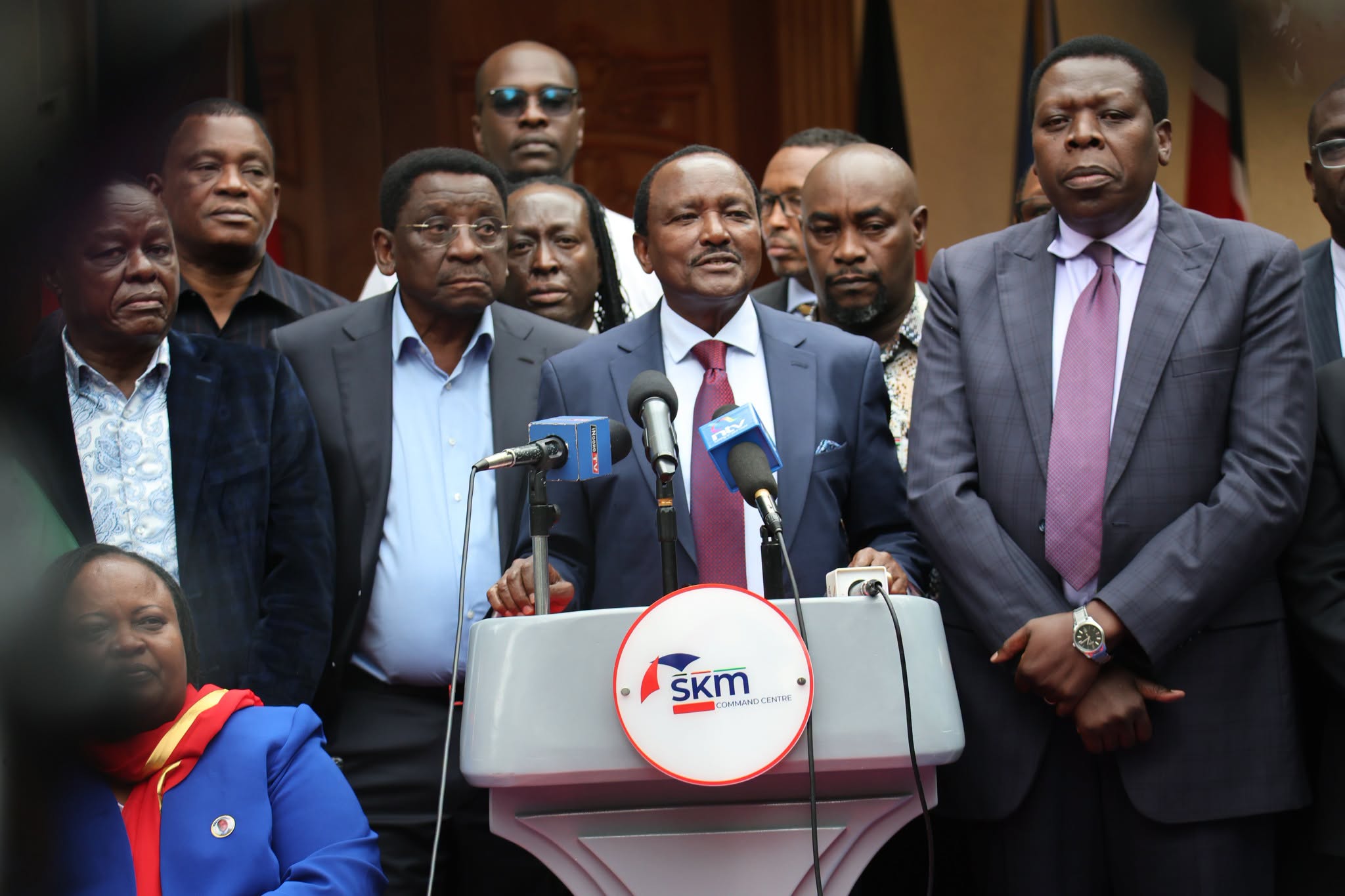
The Azimio la Umoja One Kenya Coalition has adopted a new political identity, with Wiper Party leader Kalonzo Musyoka announcing that the coalition will henceforth operate under the name Ukombozi Alliance.
Kalonzo announced the rebranding on Monday, September 21, 2026, saying the decision had been reached unanimously by the coalition's leadership. The move marks a new phase for the opposition formation as political parties and leaders reorganise ahead of the 2027 General Election.
The rebranding follows months of discussions within Azimio over the future of the coalition, its structures and its political identity. In August, the coalition's Joint Council and National Executive Committee resolved to reorganise its structures and undertake a comprehensive rebranding ahead of the next electoral cycle.
The decision was part of a broader effort to strengthen the coalition, expand its membership and engage other political formations that could work together under a wider opposition arrangement.
Under the new identity, the alliance is expected to be guided by the political philosophy of “One Term, One Team, One Coalition.” The coalition has also adopted blue and white as its identifying colours.
Kalonzo's announcement comes at a time when Kenya's political landscape is undergoing significant realignments, with several parties and political leaders exploring new alliances ahead of the 2027 elections.
The Ukombozi Alliance is expected to retain several of the political parties and leaders that have operated under the Azimio umbrella, while also seeking to attract additional partners.
The coalition had earlier indicated that it was willing to engage other opposition leaders and political formations as part of efforts to broaden its political base. In August, Azimio's leadership announced plans to engage parties and leaders including the Democratic Action Party-Kenya, the People's Liberation Party, the United Green Movement and other political formations.
The coalition also identified several opposition figures for possible engagement as part of its broader strategy.
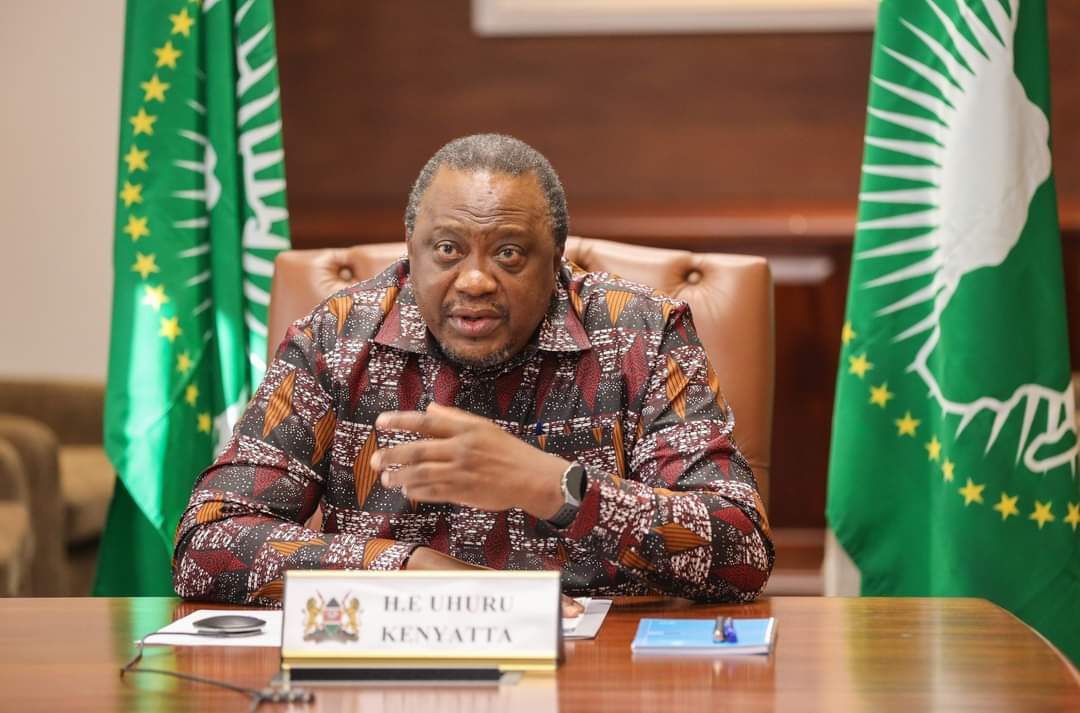
The latest rebranding comes against the backdrop of changes involving former President Uhuru Kenyatta and his political roles.
Uhuru has been associated with the Azimio coalition and has served as chairman of its Council. Recent legal developments surrounding the political activities of retired presidents have brought renewed attention to the question of his formal political positions.
Kalonzo has previously said that Azimio would follow the law and its internal structures when dealing with the implications of the court ruling concerning retired presidents and political party leadership. He has also maintained that Uhuru remains a member of the political movement whose counsel can continue to be sought.
The rebranding therefore comes at a time when the coalition is also expected to make decisions regarding its leadership structures and relationship with its constituent parties.
According to reports, the newly rebranded alliance is also expected to engage the Jubilee Party as it determines the next phase of its political organisation. A meeting between the alliance and Jubilee has been announced as part of ongoing consultations.
The political developments surrounding Azimio are part of a wider reorganisation within Kenya's opposition ahead of 2027.
Several political leaders have been holding meetings, rallies and consultations as they explore possible alliances. Some leaders have chosen to establish independent political vehicles, while others are seeking to strengthen existing coalitions.
Nairobi Senator Edwin Sifuna, for example, is expected to unveil a political party associated with the Linda Mwananchi movement, while Embakasi East MP Babu Owino has announced plans to pursue his political ambitions through the Mwananchi Party. The two leaders have indicated that separate party structures could still cooperate within a wider coalition arrangement.
These developments highlight the fluid nature of Kenya's political landscape as parties position themselves ahead of the next General Election.
For the Ukombozi Alliance, one of the immediate tasks will be to communicate its new identity to members and supporters across the country.
The coalition will also have to clarify its organisational structure, policy priorities and the role of its constituent parties under the new arrangement.
Political rebranding is not a new phenomenon in Kenya. Political parties and coalitions have frequently changed names, structures and alliances ahead of elections as leaders seek to consolidate their support and build broader political platforms.
The Ukombozi Alliance now becomes another political vehicle in an opposition environment that already includes several emerging formations.
The coalition's leadership has previously said the reorganisation is intended to make the political outfit more inclusive and strengthen its engagement with Kenyans ahead of the 2027 election.
The decision to rebrand was first formally announced as part of the coalition's wider restructuring plans in August. At the time, Azimio said the changes were intended to strengthen its structures, expand its membership and deepen political engagement across the country.
The new identity also comes with a new political message. The “One Term, One Team, One Coalition” philosophy is expected to form part of the alliance's public communication as it begins its activities under the new name.
However, the broader opposition landscape remains unsettled.
Different leaders and political parties continue to hold discussions over whether they should work together under one coalition or pursue separate political platforms before negotiating alliances later.
Some opposition figures have argued for a united political front, while others have been developing individual parties and movements.
The emergence of the Ukombozi Alliance is therefore likely to form part of these ongoing discussions.
Kalonzo has previously advocated for engagement among opposition leaders and political formations. The coalition's August resolutions authorised him to engage with other parties and political movements as Kenya moved into an election year.
Those engagements could determine the eventual composition of the wider opposition landscape ahead of the 2027 General Election.
For now, the formal adoption of the Ukombozi Alliance name marks a significant organisational change for the political formation previously known as Azimio la Umoja.
The new alliance will have to build recognition around its new name while maintaining the political networks and structures developed under the Azimio banner.
Its leaders will also need to explain how the new formation will operate, how leadership responsibilities will be distributed and how the constituent parties will coordinate their activities.
The coalition's relationship with other opposition formations will also be closely watched as political negotiations continue.
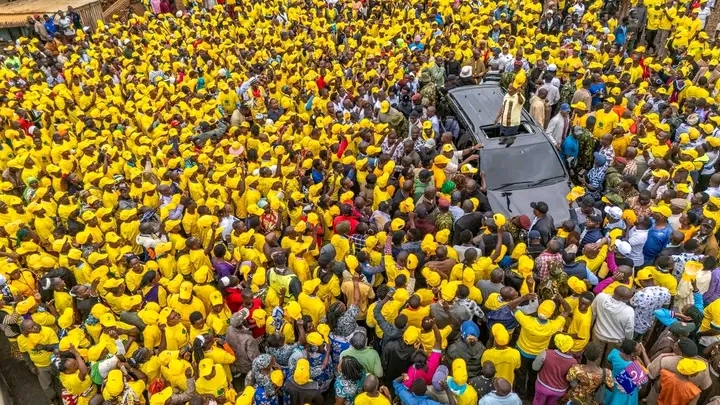
The rebranding comes at a time when political activity across Kenya is increasing, with leaders holding grassroots meetings and mobilising supporters ahead of the next electoral cycle.
The coming months are expected to bring further discussions on alliances, party structures, candidates and policy platforms.
For the Ukombozi Alliance, the focus will now shift from the announcement of the new name to the practical work of building its organisation and defining its political agenda.
Kalonzo and other coalition leaders are expected to continue consultations with political parties and leaders as they seek to establish the new alliance.
The coalition's leadership will also have to communicate its policy priorities to voters and demonstrate how the new political identity will translate into a broader programme for the country.
The rebranding is therefore not simply a change of name. It represents an attempt by the coalition to renew its political structures and present itself under a new identity as Kenya approaches another election year.
As political realignments continue, the Ukombozi Alliance will now take its place among the formations seeking to shape the country's political debate ahead of 2027.
The immediate question will be how the new alliance develops its structures, which political parties and leaders ultimately join or cooperate with it, and what policy agenda it presents to Kenyans.
For now, Kalonzo's announcement has formally closed one chapter of the Azimio political identity and opened another under the Ukombozi Alliance banner.

You Might Also Like
-
The Mau evictees' return to the forest has brought renewed attention to a dispute that has remained unresolved for years. While the affected families say they returned because they had not received compensation, Narok authorities have warned them against reoccupying the protected forest and instruct
-
Kithure Kindiki's September 21 visit to Tharaka Nithi combined development inspections, public engagement and political messaging. He inspected road construction works, addressed residents at Gaciongo Market and defended the decision by Mount Kenya elders to endorse him as their spokesperson and rep
-
The disappearance of 53-year-old Lily Chorono Kimtai from Kaplamai, Trans Nzoia County, has left her family facing unanswered questions since September 9, 2026. Her reported message about travelling to Mombasa, the subsequent loss of phone communication and the disappearance of her husband's license
-
The High Court has declared unconstitutional a law restricting retired presidents from engaging in active politics, affirming their constitutional right to participate in political activities as private citizens.
-
Former CS Fred Matiang’i is demanding full disclosure of Kenya’s G-to-G oil deal, citing concerns over transparency, accountability and the role of intermediaries in petroleum imports.
-
COTU Secretary-General Francis Atwoli is calling for constitutional reforms to clearly regulate the conduct and political activities of retired presidents, arguing that Kenya needs a framework that will apply to former heads of state beyond individual political circumstances.