



Atwoli Calls for Constitutional Rules on Retired Presidents
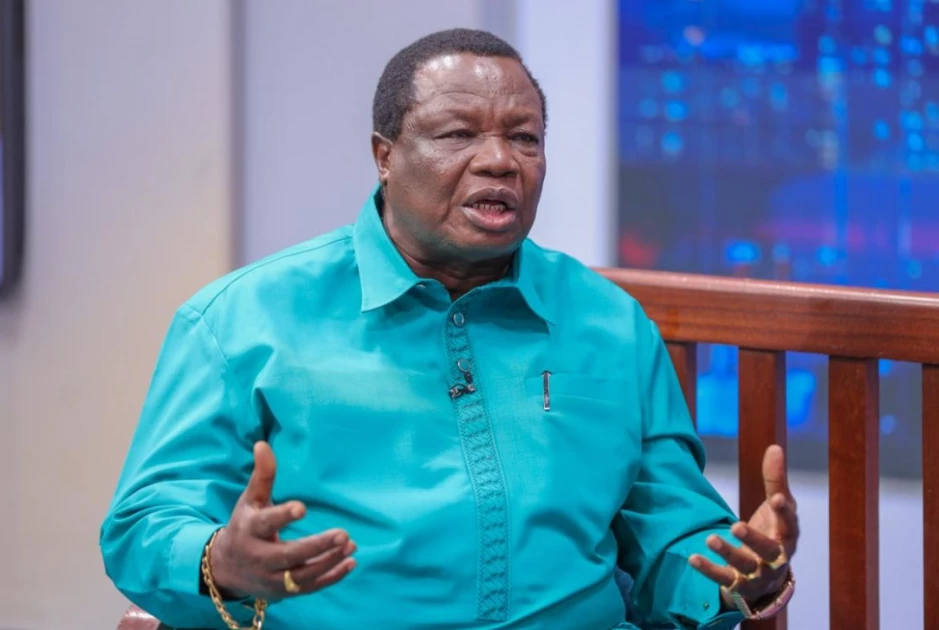
COTU Secretary-General Francis Atwoli is calling for constitutional reforms to clearly regulate the conduct and political activities of retired presidents, arguing that Kenya needs a framework that will apply to former heads of state beyond individual political circumstances.
Central Organisation of Trade Unions (COTU) Secretary-General Francis Atwoli has called for constitutional reforms to clearly define the role and political conduct of retired Kenyan presidents.
Atwoli argues that Kenya needs a permanent constitutional framework governing former heads of state, particularly because presidents can leave office while still relatively young and may continue to wield significant political influence after retirement.
Speaking during a media interview on Sunday, September 20, Atwoli appealed to the government to initiate broader consultations on the issue and consider introducing specific constitutional provisions dealing with retired presidents.
According to Atwoli, the issue should not be viewed as targeting an individual former president but rather as a matter requiring a permanent solution for future administrations.
He argued that Kenya could face challenges when former presidents remain actively involved in politics after leaving office, particularly where their political activities are perceived to conflict with the administration in power.
Atwoli has previously raised the question of what role former presidents should play after completing their constitutional terms. In 2023, he proposed that presidents who serve for 10 years could be assigned a formal peacemaking role after leaving office, arguing that such a responsibility should be anchored in the Constitution.
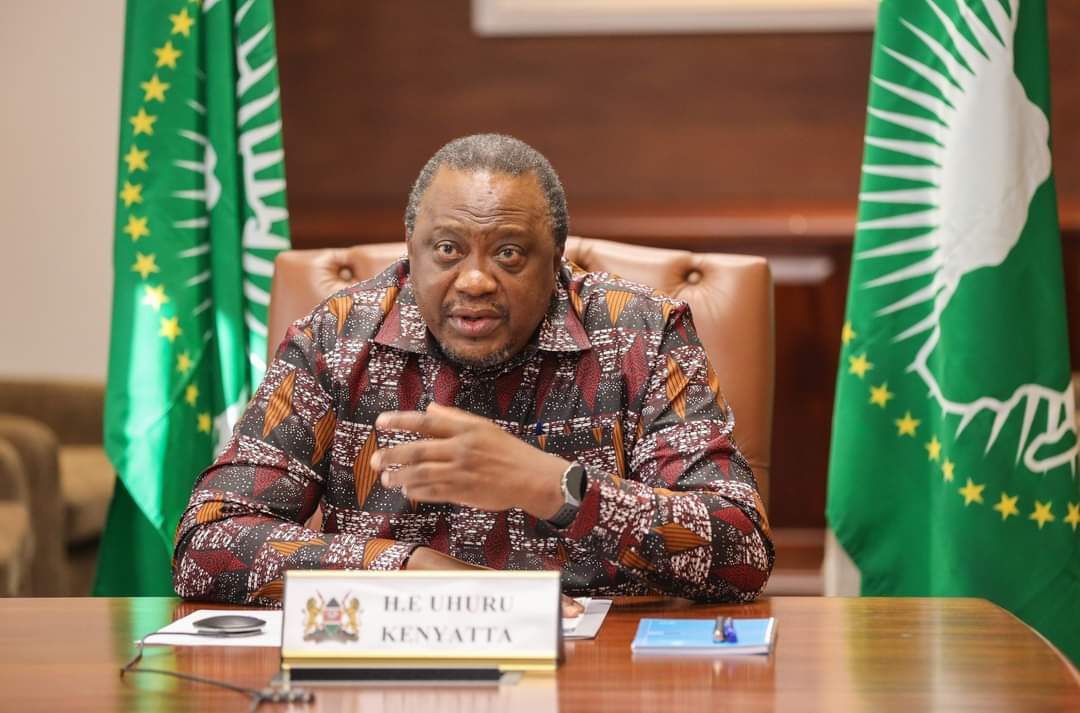
The latest proposal comes at a time when the political influence of former President Uhuru Kenyatta remains part of the national political debate.
Government allies have in recent months criticised Uhuru over his continued engagement with political issues and alleged links to activities opposed to President William Ruto's administration. Uhuru, however, has maintained that he is entitled to participate in public affairs as a Kenyan citizen and has previously rejected suggestions that he is seeking a political comeback.
The debate has also gained renewed attention following political developments ahead of the 2027 General Election.
Atwoli has argued that Kenya should establish clear rules before similar situations arise involving future retired presidents. In his view, the country should determine through constitutional provisions what responsibilities former presidents should have, what political activities they can undertake and how they should relate to the government of the day.
His proposal comes shortly after the High Court upheld a provision restricting retired presidents from holding leadership positions in political parties. The court ruled that Section 6 of the Presidential Retirement Benefits Act was a reasonable limitation on the political rights of former presidents and dismissed a petition challenging the provision.
The court decision has added another dimension to the discussion about the political role of former heads of state.
Under the existing legal framework, retired presidents continue to enjoy rights as citizens, while certain restrictions apply to their involvement in political parties. The recent ruling therefore provides part of the existing legal framework, while Atwoli's proposal seeks a broader constitutional conversation on the post-presidency period.
Atwoli says the country should look beyond the current political environment and establish rules that can apply consistently to future presidents.
He has pointed to the relatively young age at which some presidents may leave office as one of the reasons Kenya should address the issue. Former President Uhuru Kenyatta and President William Ruto have been cited in the debate as examples of leaders who could leave the presidency while still having considerable political relevance and public influence.
The COTU Secretary-General's argument is that former presidents can remain influential for many years after leaving State House. This influence, he suggests, could become a source of political tension if there are no clearly defined constitutional expectations governing their conduct.
The proposal is likely to generate debate among constitutional experts, political leaders and members of the public, particularly around the balance between protecting the rights of retired presidents and maintaining a clear separation between former and current administrations.
Kenya's 2010 Constitution establishes the framework for presidential elections, terms of office and the functions of the presidency, while other legislation provides for retirement benefits and certain responsibilities or restrictions affecting former presidents. The Constitution also provides that a person who has vacated a constitutional office may, where qualified, again be appointed, elected or selected to hold office unless the Constitution provides otherwise.
Any proposal to amend the Constitution would therefore require a formal legal and public process rather than simply an administrative decision.
Atwoli's call also raises the broader question of whether retired presidents should have a defined national role after leaving office.
His earlier proposal of assigning former presidents a peacemaking responsibility suggests that he favours a structured post-presidency role rather than leaving former heads of state without defined responsibilities.
Such a framework could potentially address issues such as mediation, national unity, regional diplomacy and participation in peace initiatives, although the details of any proposed constitutional amendment would have to be debated and agreed through the appropriate legal process.
The debate comes as Kenya's political environment becomes increasingly active ahead of the 2027 General Election.
Political leaders from different camps have intensified public engagements, with former leaders, current officials and emerging political figures taking increasingly visible positions on national issues.
The question of former presidents' political involvement is therefore likely to remain relevant, especially where former heads of state continue to command political networks and public attention after leaving office.
Atwoli has insisted that his proposal should not be interpreted as being directed at one individual.
Instead, he wants Kenya to establish rules that would apply to every president who eventually leaves office.
The proposal would require wide consultations among political parties, constitutional experts, civil society organisations, former presidents, Parliament and the public before any amendments are considered.
For supporters of the proposal, clearly defined rules could help prevent disputes over the role of former presidents and provide certainty about their responsibilities after retirement.
However, the debate also touches on constitutional rights, particularly the right of retired presidents to participate in public affairs as citizens.
The recent High Court ruling illustrates the legal tension between the political rights of former presidents and restrictions imposed by law on certain political activities.
As the debate continues, questions are likely to emerge over how far any restrictions should go, what responsibilities should be assigned to former presidents and whether a special constitutional framework is necessary.
Atwoli's proposal has therefore opened another discussion on Kenya's post-presidency arrangements at a time when political activity is already intensifying.
The COTU leader is calling for the country to look beyond the personalities currently involved in political disagreements and develop a system that can apply to future administrations.
His message is essentially that Kenya should determine, through constitutional and public processes, how former presidents should conduct themselves, participate in national affairs and contribute to the country after leaving office.
Whether the proposal gains political support remains a matter for public and constitutional debate. What is clear is that the role of retired presidents has become an increasingly prominent issue in Kenya's political conversation, particularly as the country approaches another election cycle.
The discussion is expected to continue as political leaders and constitutional experts weigh the balance between the rights of former presidents, the authority of sitting governments and the need for clear rules governing Kenya's political leadership after State House.

You Might Also Like
-
Kithure Kindiki's September 21 visit to Tharaka Nithi combined development inspections, public engagement and political messaging. He inspected road construction works, addressed residents at Gaciongo Market and defended the decision by Mount Kenya elders to endorse him as their spokesperson and rep
-
Azimio la Umoja has officially rebranded as the Ukombozi Alliance, with Wiper leader Kalonzo Musyoka announcing the new political identity ahead of the 2027 General Election.
-
The disappearance of 53-year-old Lily Chorono Kimtai from Kaplamai, Trans Nzoia County, has left her family facing unanswered questions since September 9, 2026. Her reported message about travelling to Mombasa, the subsequent loss of phone communication and the disappearance of her husband's license
-
The High Court has declared unconstitutional a law restricting retired presidents from engaging in active politics, affirming their constitutional right to participate in political activities as private citizens.
-
Former CS Fred Matiang’i is demanding full disclosure of Kenya’s G-to-G oil deal, citing concerns over transparency, accountability and the role of intermediaries in petroleum imports.
-
The demand by Kenyan women senators for a probe into the reported pregnancies of 36 learners at Bakisa Secondary School in Webuye, Bungoma County, has placed child protection and the safety of school-going girls at the centre of national attention. With 13 girls reportedly having already given birth