



36 Schoolgirls Pregnant in Bungoma: Women Senators Demand Urgent Probe Into Shocking Cases
The demand by Kenyan women senators for a probe into the reported pregnancies of 36 learners at Bakisa Secondary School in Webuye, Bungoma County, has placed child protection and the safety of school-going girls at the centre of national attention. With 13 girls reportedly having already given birth, 13 expectant and 10 having left school, authorities face the task of establishing the circumstances behind every case, identifying anyone responsible and ensuring that evidence is handled through the proper legal process. At the same time, the affected girls require protection, medical and psychosocial support and opportunities to continue their education. The investigation will be important not only in determining whether criminal offences occurred, but also in revealing whether there were gaps in the systems designed to keep children safe. For the senators and government agencies involved, the immediate priority is establishing the facts, protecting the affected learners and ensuring that any person found responsible faces the law.
Kenyan women senators have called for urgent and thorough investigations following reports that 36 learners at Bakisa Secondary School in Webuye, Bungoma County, became pregnant. The case has raised serious concerns about the safety of school-going children, possible sexual abuse of minors, access to education and the effectiveness of mechanisms meant to protect girls from exploitation.
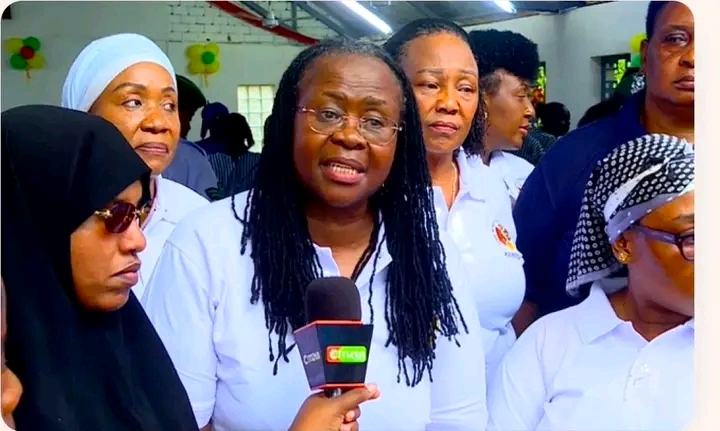
The Kenya Women Senators Association (KEWOSA), led by nominated Senator Catherine Mumma, condemned the situation and demanded that security and education authorities move quickly to establish what happened and identify those responsible. The senators made the call during their Senate Mashinani tour in Kilifi County.
36 learners affected
According to reports from the school and authorities, the 36 cases have had different consequences for the affected learners. Thirteen girls have already given birth, another 13 are expectant, while 10 have dropped out of school after becoming pregnant.
The figures have sparked concern because of the age of the learners and the possibility that some of the pregnancies may have resulted from sexual offences.
Women senators have therefore urged authorities not to treat the matter simply as a teenage-pregnancy issue. They want investigators to establish the circumstances surrounding every case, including the identities of people responsible and whether criminal offences were committed.
Senator Catherine Mumma said the language used to describe pregnancies involving children should reflect the seriousness of possible abuse. She argued that where minors have been sexually abused, authorities must investigate whether offences such as defilement occurred.
Senators demand identification of perpetrators
The lawmakers have called for cooperation between several government agencies, including the Ministry of Interior, National Police Service, Directorate of Criminal Investigations (DCI), Ministry of Education and school administration.
Their demand is that the investigations should establish what happened to each of the 36 girls rather than treating the cases as one general incident.
Nominated Senator Tabitha Mutinda also called on security officers in Bungoma to pursue those responsible. The senators said they wanted to see perpetrators arrested where investigations establish criminal responsibility.
The call comes as police and local administrators in Webuye intensify their own investigations.
Webuye East Assistant County Commissioner Emmanuel Kenga has said authorities have a list of the reported cases and intend to follow them individually. He emphasized that children cannot be assumed to have caused the pregnancies themselves and that investigations must determine the adults or other persons involved.
Parents urged to report cases
One of the concerns emerging from the investigation is the low number of cases formally reported to police.
According to a police Gender and Child Protection Desk officer quoted by The Star, only one of the 36 cases had been formally reported by a parent at the time of the report. Authorities have urged parents of the affected girls to come forward and make official reports so that investigations can proceed.
The officer also said parents should not fear seeking assistance. Authorities indicated that support is available for affected children, including assistance with medical services.
The lack of formal reporting could complicate investigations because officers require information from families and victims to establish when and where the alleged offences occurred, identify suspects and collect evidence.
It also highlights a broader challenge in dealing with sexual abuse involving children: families may sometimes hesitate to report cases because of stigma, fear, financial difficulties or concerns about confrontation with suspected perpetrators.
School safety under scrutiny
The developments have also placed attention on the environment in which the learners attend school.
The school's administration has raised concerns about the daily movement of students between their homes and the school. The administration has appealed for assistance to construct a dormitory, arguing that improved boarding facilities could reduce risks associated with students travelling between school and home.
The dormitory proposal has therefore become part of the wider conversation about protecting learners.
However, the pregnancy cases cannot automatically be attributed to students' movements or any single factor before investigations are completed. Authorities still need to establish the circumstances surrounding each individual case.
The education consequences
Beyond the criminal investigation, the cases have significant educational implications.
Ten of the affected learners have reportedly dropped out of school after becoming pregnant. This means that the incident is not only a child-protection concern but also an education issue.
Pregnancy can disrupt a girl's education through extended absence from school, childcare responsibilities, financial challenges and stigma. For girls who are already vulnerable, dropping out can affect their ability to complete secondary education and pursue further training or employment.
The 13 girls who have already given birth also face the challenge of combining motherhood with education if they wish to return to school.
The government and education stakeholders therefore face a dual responsibility: investigating possible offences and ensuring that affected learners receive appropriate support to continue their education where possible.
Bungoma among counties affected by adolescent pregnancies
The Webuye cases come against a wider national concern over adolescent pregnancies.
According to Kenya's 2026 Economic Survey, 235,938 adolescents aged 10 to 19 presented for their first antenatal care visit in 2025. This was lower than the 241,228 recorded in 2024. However, pregnancies among children aged 10 to 14 increased from 10,126 in 2024 to 11,605 in 2025.
The figures should be interpreted carefully because they cover adolescents who presented for their first antenatal care visit and therefore do not necessarily represent every adolescent pregnancy in the country.
The 15–19 age group accounted for the overwhelming majority of the recorded cases, with 224,333 pregnancies in 2025, according to the survey. Bungoma recorded 10,443 adolescent pregnancies, placing it among counties with high numbers.
These national figures provide context for the concern surrounding the Webuye cases, although they do not establish that the 36 pregnancies at Bakisa Secondary School resulted from the same circumstances.
Concern over possible defilement
The senators' use of the term "defilement" reflects the legal seriousness of sexual activity involving children.
Kenyan law provides special protections for children against sexual exploitation and abuse. Consequently, where investigators establish that an adult sexually abused a child, the matter can become a criminal investigation rather than simply a case of teenage pregnancy.
This is why the women senators have asked investigators to establish the circumstances behind each pregnancy.
At this stage, however, authorities have not publicly identified suspects or announced that specific individuals have been convicted in connection with the 36 cases. Investigations are ongoing, and allegations should therefore not be treated as established facts until evidence is presented through the appropriate legal process.
Concerns surrounding reporting and community protection
The case has also raised questions about the role of families and communities in protecting children.
The fact that only one of the 36 cases had reportedly been formally reported to police at the time authorities spoke about the matter has become an important part of the investigation. Authorities want parents to provide information that can help officers establish the circumstances of the pregnancies.
Community members can play an important role in protecting children by reporting suspected abuse through appropriate channels.
At the same time, affected girls need protection from stigma. They should not be treated as responsible for crimes committed against them. Investigators and support agencies must handle cases involving minors with sensitivity and respect for their privacy.
Government agencies under pressure
The women senators' intervention places additional pressure on government agencies to demonstrate that the matter is being handled effectively.
The DCI and police are expected to investigate potential criminal offences, while education authorities have a role in ensuring that affected learners are supported.
The Interior Ministry also has responsibility for coordinating security responses, while local administrators can help ensure that information reaches investigators.
For the senators, cooperation between these institutions is necessary because the matter crosses several areas: security, criminal justice, education, child protection and public health.
Senator Mumma said KEWOSA was prepared to work with the Interior Ministry to ensure the investigations move forward.
Broader questions about protecting girls
The incident has revived broader questions about how Kenya protects girls from sexual abuse and exploitation.
Schools are expected to provide safe environments where children can learn without fear. Parents and guardians also play an important role in monitoring children's safety, while communities and government agencies have responsibilities to respond when abuse is suspected.
The senators' demand for an investigation is therefore not only about the 36 individual cases. It also raises questions about whether existing child-protection mechanisms are functioning effectively and whether warning signs are being detected early enough.
The case may also prompt authorities to examine whether learners face particular risks while travelling between home and school, during community events or in other environments outside the classroom.
Need for support for affected girls
While the investigation continues, the welfare of the affected learners remains important.
The girls who have given birth may require medical care, counselling, childcare support and assistance returning to education. Those who are pregnant may similarly need access to antenatal care and psychosocial support.
The ten who have dropped out of school should also be considered in efforts to ensure that pregnancy does not permanently end their education.
Such support is important because an investigation alone will not address the long-term consequences faced by the affected girls.
A case attracting national attention
The reported 36 pregnancies at Bakisa Secondary School have quickly become a major child-protection concern in Bungoma and beyond.
The intervention by women senators has increased pressure on investigators to move quickly while ensuring that due process is followed. Police and local administrators have already started investigating, while the senators have called for perpetrators to be identified and prosecuted where evidence supports criminal charges.
The school, meanwhile, faces the challenge of supporting affected learners and addressing concerns about their safety.

You Might Also Like
-
Kithure Kindiki's September 21 visit to Tharaka Nithi combined development inspections, public engagement and political messaging. He inspected road construction works, addressed residents at Gaciongo Market and defended the decision by Mount Kenya elders to endorse him as their spokesperson and rep
-
Azimio la Umoja has officially rebranded as the Ukombozi Alliance, with Wiper leader Kalonzo Musyoka announcing the new political identity ahead of the 2027 General Election.
-
The disappearance of 53-year-old Lily Chorono Kimtai from Kaplamai, Trans Nzoia County, has left her family facing unanswered questions since September 9, 2026. Her reported message about travelling to Mombasa, the subsequent loss of phone communication and the disappearance of her husband's license
-
The High Court has declared unconstitutional a law restricting retired presidents from engaging in active politics, affirming their constitutional right to participate in political activities as private citizens.
-
Former CS Fred Matiang’i is demanding full disclosure of Kenya’s G-to-G oil deal, citing concerns over transparency, accountability and the role of intermediaries in petroleum imports.
-
COTU Secretary-General Francis Atwoli is calling for constitutional reforms to clearly regulate the conduct and political activities of retired presidents, arguing that Kenya needs a framework that will apply to former heads of state beyond individual political circumstances.