President Ruto Lands in Harare for High-Stakes COMESA Summit as Zimbabwe Prepares to Take Over Regional Leadership
President William Ruto's visit to Harare for the 25th COMESA Summit is an important moment in Kenya's regional diplomacy, coming as the country prepares to hand over the bloc's chairmanship to Zimbabwe's President Emmerson Mnangagwa. The October 22 summit brings together leaders from the 21-member organisation to consider trade, industrialisation, investment, peace and security, digital transformation and economic integration. Ruto's stated priorities include advancing the African Continental Free Trade Area, strengthening regional cooperation and ensuring that African countries capture more value from their natural resources. The summit's wider programme also includes the proposed 2026–2030 strategic plan and the presentation of the 2025 Annual Report.
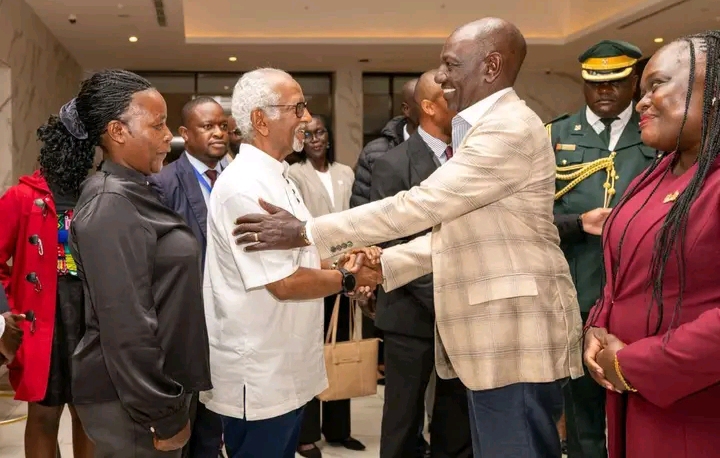
President William Ruto arrived in Harare, Zimbabwe, on Wednesday, October 21, 2026, ahead of the 25th Summit of the Common Market for Eastern and Southern Africa (COMESA) Heads of State and Government. The high-level meeting, scheduled for Thursday, October 22, brings together regional leaders to discuss trade, industrialisation, investment, peace and security, and economic integration across Africa.
Ruto's visit is particularly significant because Kenya is concluding its tenure as chair of the COMESA Authority, with Zimbabwean President Emmerson Mnangagwa expected to take over the leadership of the regional economic bloc.
The summit comes at a time when African governments are seeking ways to expand trade among themselves, create employment, strengthen manufacturing and reduce their dependence on imported finished products. For Kenya, participation provides an opportunity to strengthen commercial relationships with neighbouring countries and promote opportunities for Kenyan businesses in regional markets.Why President Ruto travelled to Zimbabwe
The main purpose of Ruto's visit is to participate in the 25th COMESA Heads of State and Government Summit, the highest decision-making gathering of the regional organisation.
The summit provides member countries with an opportunity to assess progress in economic integration, examine challenges affecting regional commerce and agree on priorities for the future.
Ruto indicated that the discussions would focus on deepening regional integration, strengthening peace and security, accelerating implementation of the African Continental Free Trade Area (AfCFTA), promoting industrialisation and unlocking the economic potential of Africa's natural resources through value addition.One of the most important events associated with Ruto's visit is the expected handover of the COMESA chairmanship to President Emmerson Mnangagwa.
Ruto assumed the chairmanship in 2025, succeeding Burundi's President Évariste Ndayishimiye. Zimbabwe is expected to take over at the 25th summit on October 22, 2026.
The handover represents a change in leadership rather than the end of Kenya's membership or participation in COMESA. Kenya will remain part of the regional bloc and continue working with other member states on economic cooperation.
For Ruto, the transition provides an opportunity to reflect on Kenya's period at the helm and encourage continued implementation of regional commitments.The theme reflects the ambition to create a more connected regional economy in which countries cooperate to expand production, attract investors and improve living standards.
The idea of one market is important because many African countries have relatively small domestic markets when considered individually. By cooperating, they can create a larger consumer base for locally manufactured goods and agricultural products.
Inclusive industrialisation means ensuring that economic growth benefits more than large corporations and established investors. Small businesses, farmers, young people, women entrepreneurs and workers should also have opportunities to participate in industrial development.The agreement aims to establish a single continental market for goods and services, increase trade among African countries and support economic cooperation.
Although COMESA operates at a regional level, its integration objectives complement the wider continental initiative.
Kenya has an interest in expanding access to African markets because its businesses produce goods and services that can serve customers beyond its borders.
Manufacturers may find new opportunities to sell processed foods, construction materials, household products and other manufactured goods. Agricultural exporters can also benefit when regional trade procedures become more predictable and efficient.
For example, a Kenyan business seeking to supply products to Zimbabwe or another COMESA country would benefit from transparent customs procedures, clear product standards and fewer unnecessary administrative delays.Economic development cannot be separated from peace and security. Conflict and political instability can disrupt transport routes, interrupt trade, discourage investment and force people to leave their homes.
This issue featured in the COMESA foreign ministers' meeting held in Harare on October 21, ahead of the heads of state summit.
According to the COMESA Secretariat, ministers discussed insecurity and political challenges affecting several parts of the region, including the conflict in eastern Democratic Republic of the Congo, instability in Sudan, developments in Ethiopia and security concerns in Somalia and Libya. They also considered electoral disputes, irregular migration, piracy and other emerging threats.The 25th summit is supported by a series of meetings that bring together government officials, private-sector representatives, investors and development partners.
One of the major events was the 19th COMESA Business Forum and Exhibition, held in Harare on October 20. The forum provided a platform for discussions on investment, industrial competitiveness, regional value chains, financing and digital transformation. The COMESA Medium-Term Strategic Plan for 2026–2030
A major item on the summit's programme is the launch of the COMESA Medium-Term Strategic Plan for 2026–2030.
According to the COMESA Secretariat, the plan is intended to guide the organisation's priorities over the next five years, including deeper economic integration, industrialisation, value addition, increased regional trade, infrastructure connectivity, digital transformation and improved citizen welfare. The 2025 Annual Report is also scheduled for presentation.
The strategic plan is important because regional integration requires a long-term framework rather than isolated meetings and announcements.What the summit means for Kenya's economy
Ruto's visit to Harare has implications for Kenya's economic and diplomatic interests.
First, Kenya has an opportunity to strengthen relationships with the other 20 member states of COMESA. These relationships can support negotiations on trade, investment and infrastructure.
Second, expanding regional markets could benefit Kenyan producers. Companies that currently serve only domestic customers may have opportunities to supply consumers in additional countries.
Third, regional industrialisation could create opportunities for Kenyan businesses to participate in manufacturing and processing networks that extend across national borders.
Fourth, stronger cooperation could help address common economic challenges, including high transport costs, inefficient border procedures and limited access to investment capital.Zimbabwe's role as host and incoming chair
Zimbabwe's hosting of the summit places Harare at the centre of regional diplomatic and economic discussions.
The country has an opportunity to showcase its industrial, agricultural, mining, tourism and investment potential while strengthening relationships with other African governments.
The incoming chairmanship also gives Mnangagwa a responsibility to work with fellow leaders on the bloc's shared objectives.
Zimbabwe has emphasised industrialisation, value addition and stronger regional trade as priorities for its leadership. The country's experience in regional diplomacy is expected to inform its engagement with COMESA member states. What Kenyans should look for after the Summit?
They should also look for practical measures to address non-tariff barriers, improve regional infrastructure and make it easier for businesses to operate across borders.
For farmers and manufacturers, the key question is whether new policies will help them sell more products in regional markets.
For investors, the question is whether the summit will lead to clearer rules, improved infrastructure and more predictable conditions for doing business.
For young people, the central concern is whether regional industrialisation will create decent employment and opportunities to develop marketable skills.
The planned strategic plan and the presentation of COMESA's annual report should help frame discussions about implementation, but actual results will require sustained cooperation from governments and the private sector.

You Might Also Like
-
The reported protest by women activists from vulnerable backgrounds at Bondeni Police Station brings renewed attention to the need for justice, survivor protection and accountability in cases of sexual violence. The allegation that a girl was raped by six men must be investigated thoroughly, with t
-
The National Assembly has passed the Sexual Offences (Amendment) Bill No. 78 of 2023, aimed at promoting public awareness, protecting victims’ right to education and aligning existing laws with the Constitution of Kenya. The proposed amendments highlight the importance of safeguarding victims’ r
-
The Kenya Meteorological Department's forecast for October 20–26, 2026, indicates that rainfall is expected in parts of 45 counties across western Kenya, the Rift Valley, Central Kenya, the Coast, the eastern region and the north-eastern counties. Afternoon thunderstorms are particularly relevant
-
Felix Koskei's participation in the Global Trust Summit 2026 placed Kenya's public service leadership within a major conversation about the relationship between institutions and the people they serve. The summit's first day focused on rebuilding trust from the frontline, examining democracy, publi
-
The October 21 protest by public health officers in Nairobi has brought renewed attention to the connection between workers' welfare, adequate staffing and Kenya's preparedness for infectious disease outbreaks. As their nationwide strike entered its 92nd day, the officers demanded the signing of a
-
Governor Patrick Ole Ntutu's reported peace message during the Mashujaa Day celebrations at Esoit Naibor Primary School highlights the importance of unity, security and cooperation in Trans Mara South. The gathering came amid concerns about inter-clan disputes and the need to prevent ethnic incitem