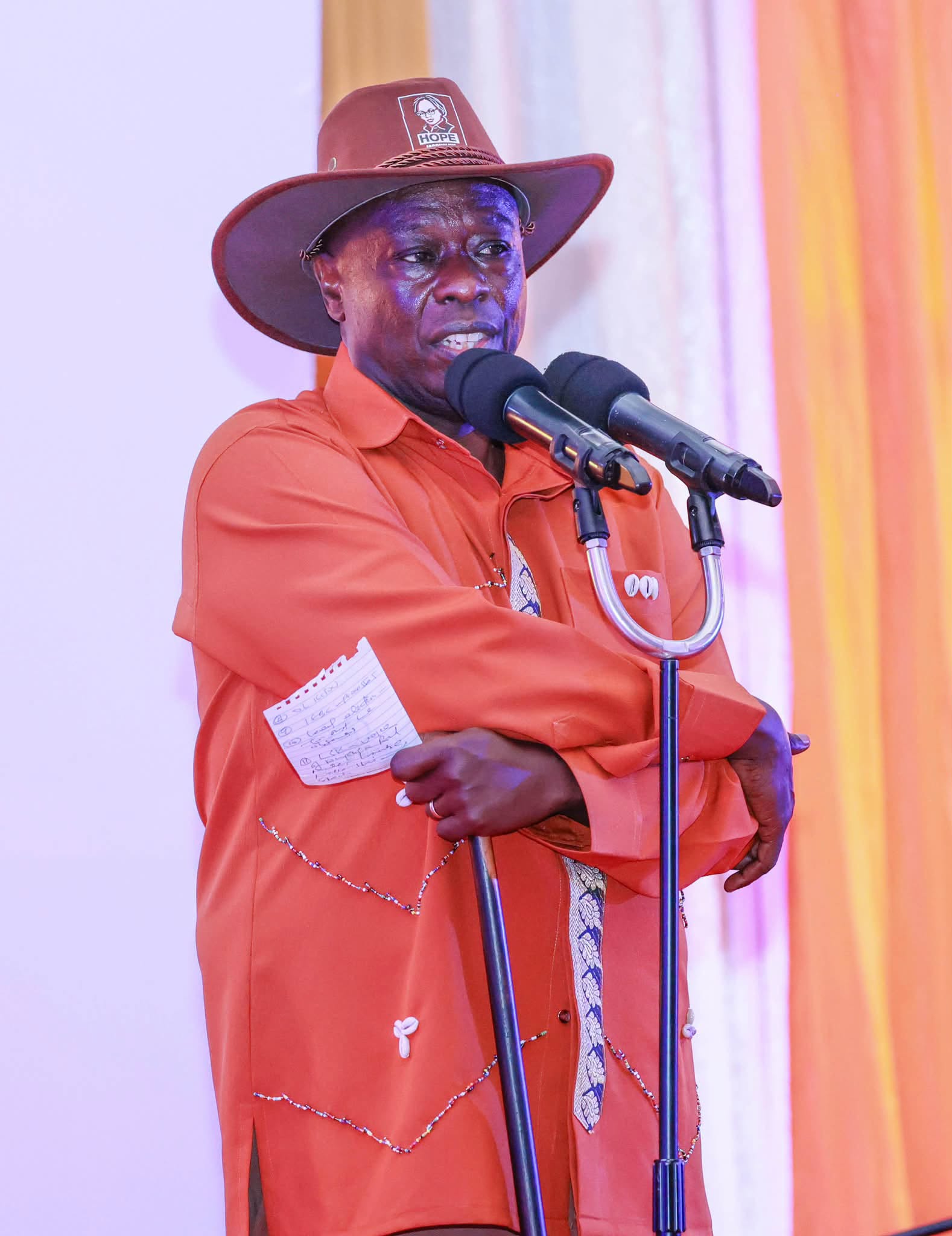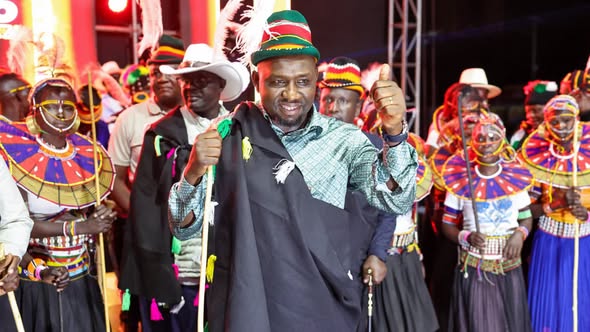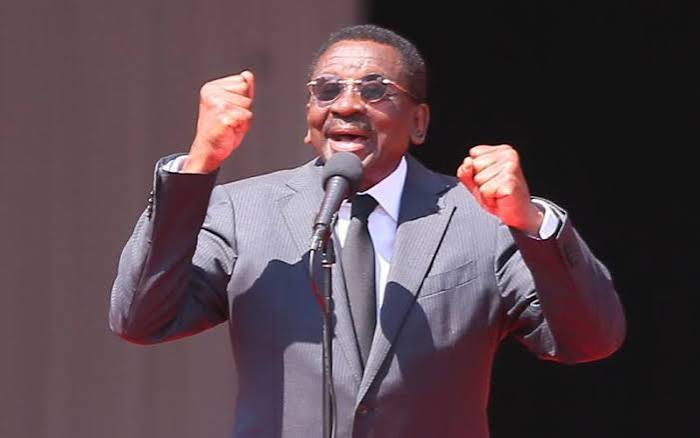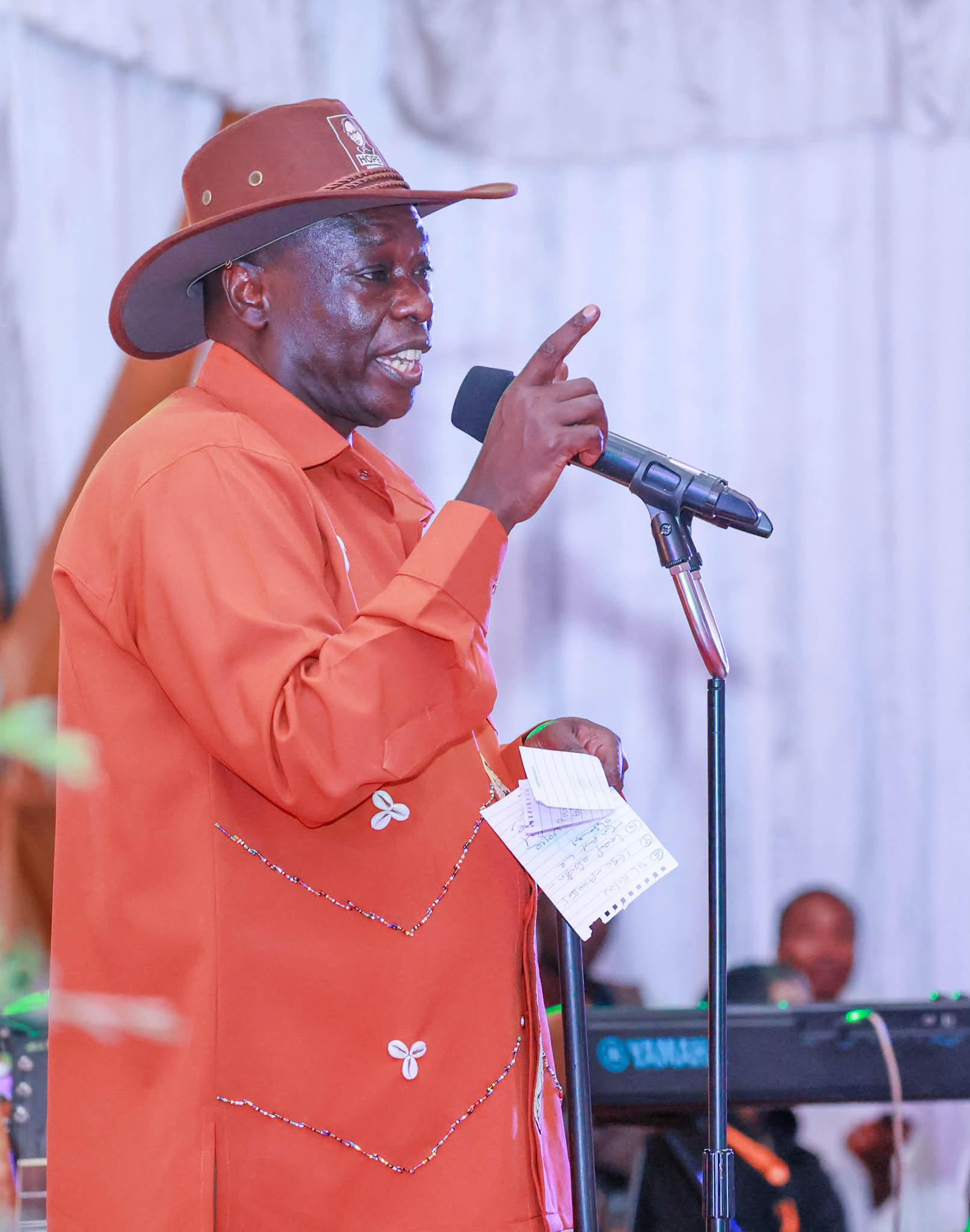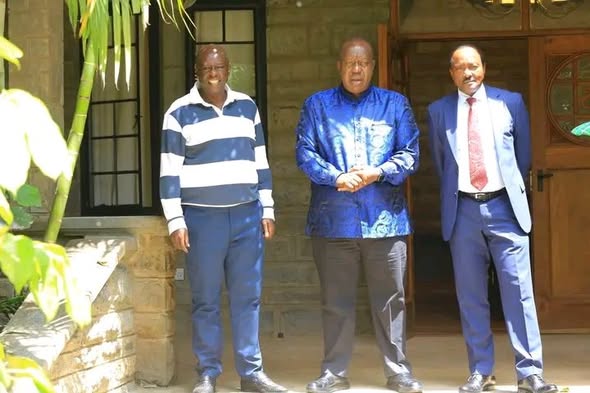
Presidential hopefuls Fred Matiang’i, Rigathi Gachagua and Kalonzo Musyoka meet to discuss the United Opposition’s next political move.
Presidential hopefuls Fred Matiang’i, Rigathi Gachagua and Kalonzo Musyoka have met to deliberate on the future of the United Opposition as political realignments ahead of the 2027 General Election continue to take shape. The discussions come amid growing questions over coalition unity, leadership arrangements and the process of settling on a common presidential candidate. With different political interests and ambitions emerging within the opposition, the leaders face the task of finding common ground, strengthening cooperation and agreeing on a shared strategy to challenge President William Ruto’s administration. Their next political moves could shape the direction and unity of the opposition as the country moves closer to the 2027 elections.
Presidential hopefuls Fred Matiang’i, Rigathi Gachagua and Kalonzo Musyoka have held talks aimed at charting the way forward for the United Opposition as political activities intensify ahead of the 2027 General Election.
The meeting comes at a critical moment for the opposition, which is facing growing pressure to establish a common political direction, manage competing presidential ambitions and agree on a strategy that can bring different political formations together.
The three leaders are among prominent figures associated with the opposition's efforts to challenge President William Ruto in the next General Election. Their engagement is therefore significant as the political landscape continues to take shape, with different leaders positioning themselves and seeking to influence the direction of the emerging coalition.
At the centre of the discussions is the need to strengthen cooperation among opposition parties and movements while addressing disagreements that have recently emerged over leadership, political representation and the process of identifying a presidential candidate.
The United Opposition has brought together leaders with different political backgrounds, regional support bases and ambitions. While they share an interest in providing an alternative political platform, maintaining unity among the various groups remains an important challenge.
The meeting between Matiang’i, Gachagua and Kalonzo comes against the backdrop of growing conversations about how the opposition should organise itself before the 2027 polls. The leaders must consider how to accommodate different political interests while developing a common agenda that can appeal to voters across the country.
Fred Matiang’i, who is associated with the Jubilee Party, has positioned himself among the political figures seeking to play a major role in the next presidential contest. His involvement in opposition discussions reflects the importance of bringing together leaders beyond individual political parties and regional political bases.
The former Interior Cabinet Secretary has previously emphasised the importance of an inclusive approach to coalition building. His position has centred on the need for political cooperation based on mutual respect, shared ideas and an acceptable process for selecting the opposition's presidential candidate.
Matiang’i's participation in the discussions is particularly important because of the disagreements that have emerged over proposals to organise the opposition around selected political blocs. He has cautioned against approaches that could leave some leaders feeling excluded from the coalition-building process.
Rigathi Gachagua, on the other hand, has been actively involved in efforts to organise opposition forces and build a political alliance ahead of the next General Election. The former Deputy President has held consultations with several opposition figures as he seeks to establish a working arrangement among leaders who share an interest in challenging the current administration.
Gachagua has previously promoted an alliance involving his Democracy for the Citizens Party, Kalonzo's Wiper formation and the political movement associated with Nairobi Senator Edwin Sifuna. The proposal has generated discussions within the opposition, particularly regarding the place of other political leaders and parties in the proposed arrangement.
His approach has highlighted the importance of bringing together political formations with significant regional influence. However, it has also exposed differences over how the coalition should be structured and how leadership responsibilities should be distributed.
Kalonzo Musyoka remains another influential figure in the opposition's political calculations. The Wiper Party leader has maintained his interest in the presidential contest and has continued engaging other leaders on the possibility of building a united political front.
His experience in national politics and longstanding involvement in opposition coalitions place him among the key figures in discussions about the movement's future. His engagement with both Gachagua and other political leaders is part of broader efforts to establish common ground before the election.
For Kalonzo, the challenge involves balancing his own presidential ambitions with the need to maintain cooperation among opposition partners. The process of agreeing on a common candidate is expected to require negotiations, consultations and compromises among the different political formations.
The talks involving the three leaders therefore provide an opportunity to address some of the questions surrounding the coalition's direction. These include the structure of the alliance, the role of individual political parties, the selection of a presidential candidate and the distribution of responsibilities within a possible coalition government.
One of the biggest challenges facing the opposition is how to manage the ambitions of several leaders who have expressed interest in the presidency. Matiang’i, Gachagua and Kalonzo are among the prominent political figures associated with the contest, while other leaders have also maintained their interest in influencing the coalition's future.
Without an agreed process for determining the presidential candidate, differences could continue to emerge as the election approaches. Each political formation has its own supporters, organisational structures and expectations, making negotiations an important part of the process.
The question of inclusivity has also become central to the opposition's discussions. Leaders from different regions have expressed the need for an arrangement that recognises their political contributions and allows them to participate meaningfully in decision-making.
For a coalition seeking national support, maintaining a broad political outlook will be important. Kenya's political environment involves different communities, regions and interests, meaning that any alliance seeking to compete nationally must consider how to build relationships beyond its established political bases.
The opposition will also need to move beyond individual political ambitions and establish a common agenda addressing issues affecting ordinary Kenyans. Matters such as the cost of living, unemployment, taxation, healthcare, education, economic opportunities and public accountability are likely to remain important in the national political debate.
A clearly defined agenda could provide a common foundation for leaders who may otherwise differ on political strategy and individual ambitions. It would also give supporters an opportunity to understand what the opposition intends to prioritise if it gains political power.
The ongoing discussions also reflect the importance of political communication and coordination. Leaders who appear to share a political objective must be able to communicate consistently and avoid disagreements that could create uncertainty among their supporters.
Recent political engagements have demonstrated that opposition leaders are pursuing different approaches to building alliances. While some have held joint meetings and public appearances, others have maintained separate political activities as negotiations continue.
These developments have raised questions about whether the different factions can eventually agree on a common platform. The latest engagement involving Matiang’i, Gachagua and Kalonzo is therefore taking place at a time when the opposition's internal relationships are receiving considerable public attention.
Another important issue is the timing of the coalition's final decisions. Political parties and aspirants need sufficient time to organise their structures, prepare for nominations and communicate their plans to supporters. Delayed agreements could create uncertainty, particularly among candidates seeking positions at the national and county levels.
The opposition will also have to consider how to manage competition among its supporters during party nominations and other political processes. A transparent and acceptable framework could help reduce disagreements and strengthen confidence in the coalition.
Beyond the presidential contest, the arrangement will have implications for parliamentary, gubernatorial, senatorial and county assembly candidates. Political parties seeking to work together will need to establish how they intend to cooperate in different electoral areas without creating unnecessary competition among their members.
For now, the talks involving the three presidential hopefuls underscore the continuing efforts to find common ground within the opposition. Their ability to engage in discussions despite differing political interests will be important as the coalition considers its next steps.
The coming months are expected to bring further political consultations, public engagements and negotiations as leaders work towards establishing their positions ahead of the 2027 General Election.
Ultimately, the success of the United Opposition's efforts will depend on whether its leaders can agree on a shared political direction and develop a framework that accommodates the interests of participating parties and movements.
The meeting between Fred Matiang’i, Rigathi Gachagua and Kalonzo Musyoka has therefore placed the question of opposition unity back at the centre of the political debate. With the next General Election approaching, attention will remain on the decisions emerging from their consultations and whether the discussions will translate into a more coordinated political arrangement.

You Might Also Like
-
Former Deputy President Rigathi Gachagua has warned Nairobi Senator Edwin Sifuna that Mt. Kenya voters will no longer offer their political support without clear commitments and accountability from those seeking their votes. His remarks highlight the growing debate over the region's political influe
-
The accident at Soysambu in Gilgil, Nakuru County, has claimed two lives and left two other people injured following a head-on collision between a FAW trailer and a Mazda Demio along the Nairobi–Nakuru Highway. The accident occurred at approximately 10:00 p.m. on Saturday, November 7, 2026, near
-
Interior Cabinet Secretary Kipchumba Murkomen has highlighted the importance of preserving Kenya's rich cultural diversity, describing it as a valuable heritage that must be explored, celebrated and passed on to future generations. Kenya's diverse communities boast unique languages, traditions, musi
-
Detectives in Mt. Elgon, Bungoma County, have arrested two parents following the tragic death of their two-year-old daughter, who reportedly succumbed to multiple injuries allegedly inflicted on her. The arrests come as investigators work to establish the circumstances surrounding the child's death
-
Siaya Governor James Orengo has called for fair and inclusive political engagement, warning against profiling communities based on their ethnic or political identities. He insists that every Kenyan has the right to participate in political activities, support preferred leaders and engage in campaign
-
DCP leader Rigathi Gachagua has defended cultural gatherings organised by the Mt Kenya community, insisting that celebrating one's heritage should not be mistaken for promoting tribalism. He maintains that every community has a right to embrace its traditions, language and identity without being pre