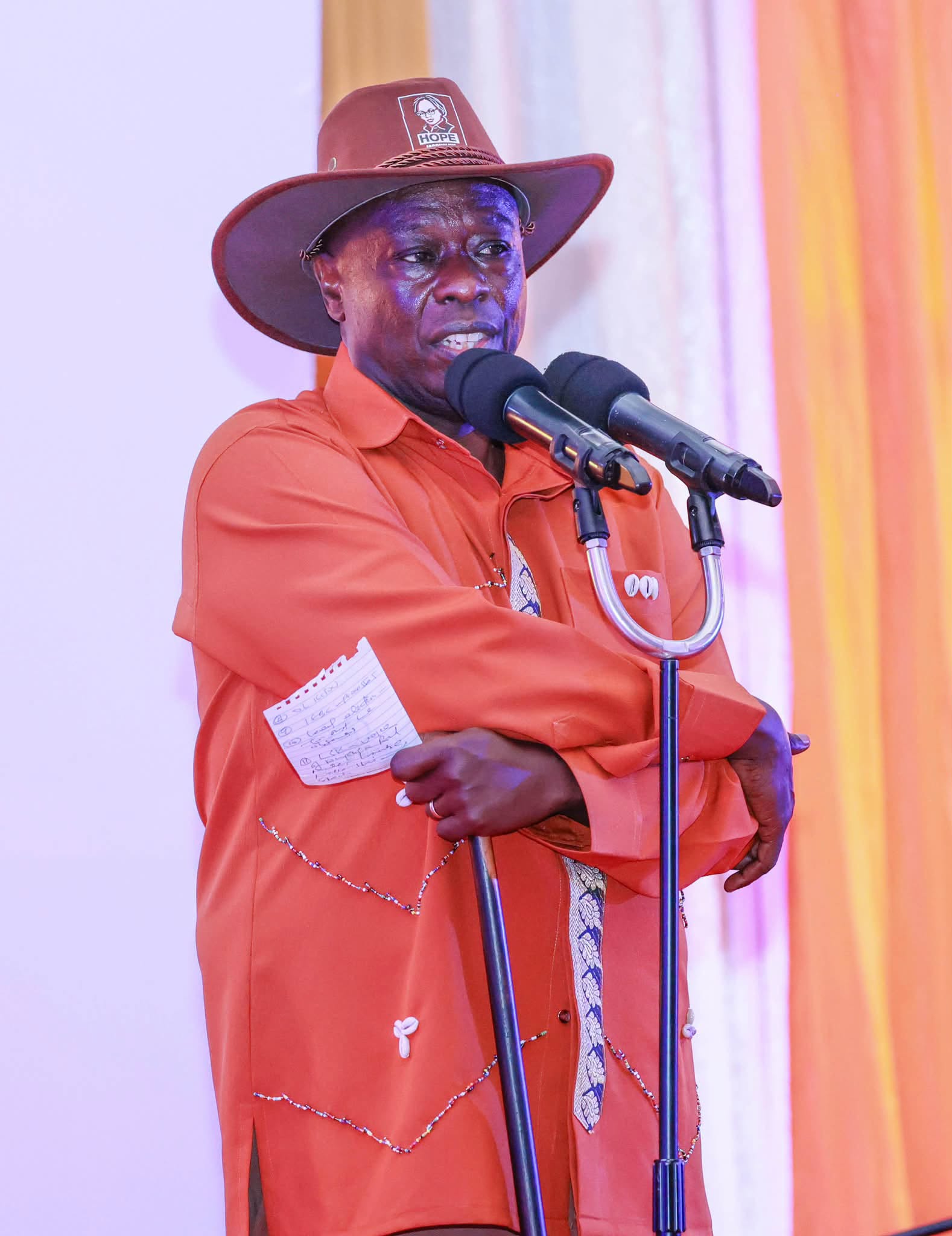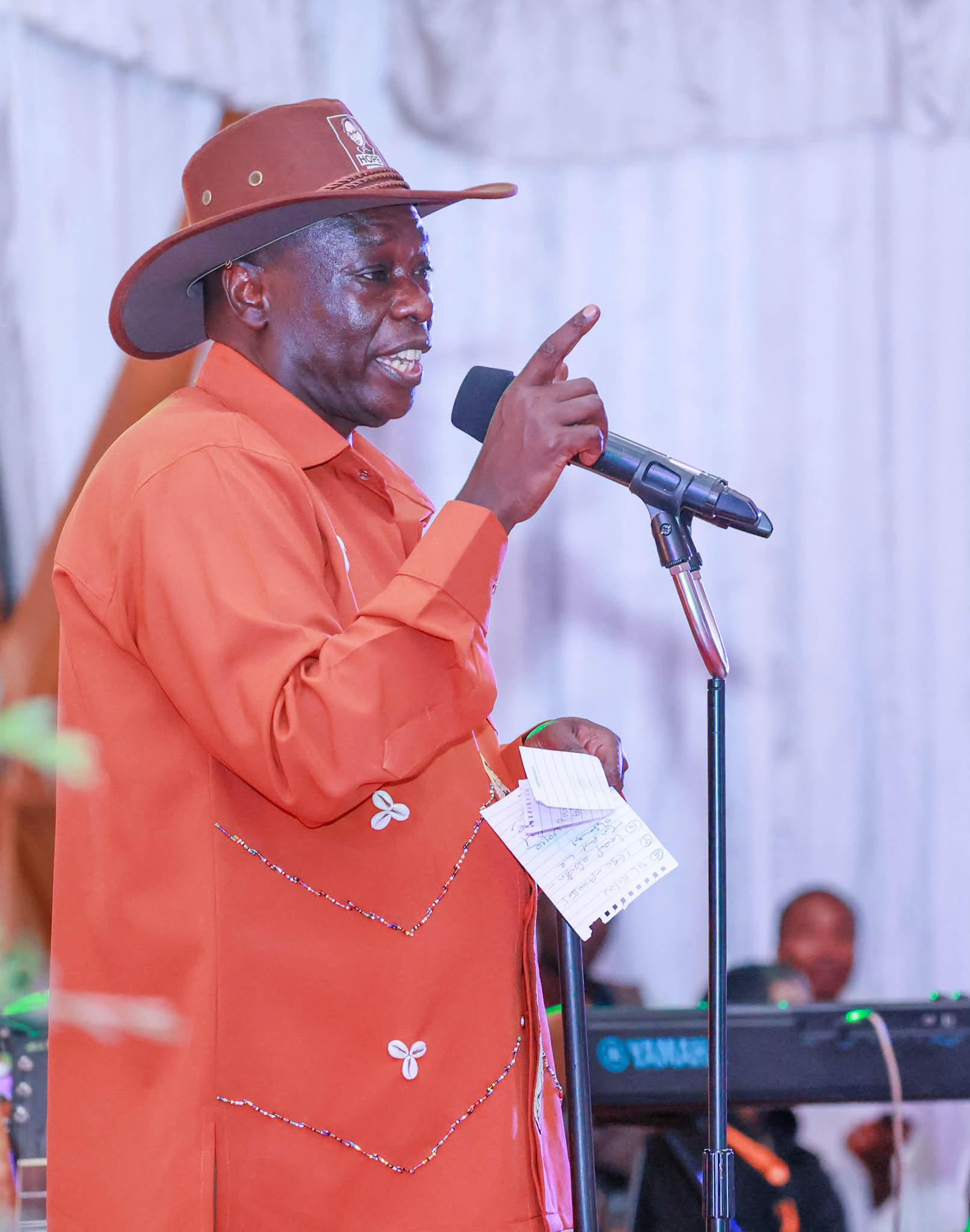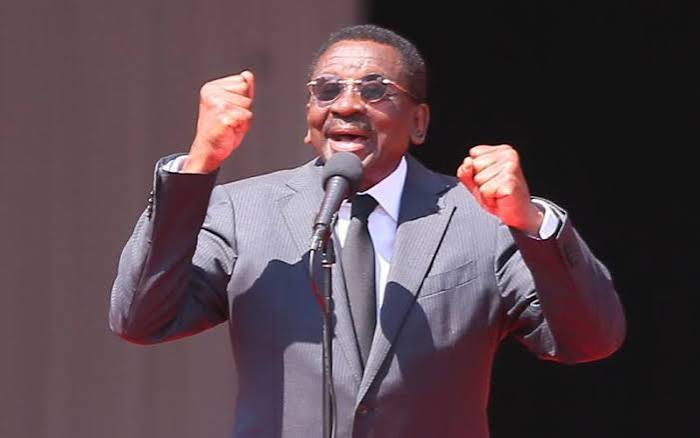
Siaya Governor James Orengo has called for inclusive and non-discriminatory political engagement across the country
Siaya Governor James Orengo has called for fair and inclusive political engagement, warning against profiling communities based on their ethnic or political identities. He insists that every Kenyan has the right to participate in political activities, support preferred leaders and engage in campaigns without discrimination or intimidation. His remarks come as political realignments ahead of the 2027 General Election continue to intensify, raising concerns about political intolerance, ethnic divisions and freedom of movement. Orengo has emphasised the importance of respecting democratic rights and ensuring that leaders can freely engage voters across the country, regardless of their political affiliations or regional backgrounds.
Siaya Governor James Orengo has called for inclusive and non-discriminatory political engagement across the country, warning leaders against profiling communities or restricting political participation without a clear legal or political justification.
Orengo maintains that every Kenyan has a right to participate in political activities, support preferred candidates and engage in campaigns regardless of their ethnic background, region or political affiliation. He has emphasised that democracy should provide equal opportunities for all citizens and political leaders to express their views without intimidation or unfair treatment.
His remarks come at a time when political activities are gaining momentum ahead of the 2027 General Election, with various leaders and political formations seeking support across different parts of the country. The growing competition has also brought renewed attention to concerns surrounding ethnic divisions, political intolerance and freedom of movement.
The governor's position highlights the importance of allowing politicians to interact with voters in different regions without being judged solely on their ethnic or political identities. He argues that political competition should be guided by democratic principles, respect for the law and the freedom of citizens to make independent political choices.
Kenya's political environment has historically been influenced by regional and ethnic considerations, with politicians often building support around communities and geographical strongholds. However, the country's democratic framework provides for political participation and freedom of association, allowing citizens and leaders to organise, campaign and support political causes of their choice.
Orengo's call for non-discriminatory engagement therefore raises an important question about how political competition can take place without creating divisions among communities. As leaders prepare for the next election, the ability to engage voters across the country will remain an important part of the democratic process.
The governor's remarks also come amid discussions surrounding the treatment of political leaders visiting regions where they may not enjoy strong political support. Such visits are an important part of democratic engagement because candidates seeking national leadership must have the freedom to present their ideas to voters from different backgrounds.
Political campaigns are not supposed to be restricted to traditional political strongholds. A candidate seeking national office must be able to reach citizens in different counties, explain their policies and seek support without facing discrimination because of their identity or political affiliation.
Orengo has maintained that leaders should be allowed to participate in political activities throughout the country. His position places emphasis on the principle that Kenya belongs to all its citizens and that no community should be treated as though it has exclusive ownership of a particular region.
The issue of political access has become particularly significant as presidential aspirants begin building alliances and reaching out to communities beyond their established support bases. Political parties and movements are increasingly engaging in consultations as they consider possible partnerships and strategies for the 2027 elections.
Such engagements require an environment where political competition is peaceful and where leaders can freely interact with residents. Preventing or discouraging politicians from visiting certain areas because of their political affiliations could undermine the democratic space and limit the ability of voters to hear different political perspectives.
At the same time, political leaders have a responsibility to conduct their activities peacefully and respect the rights of residents. Freedom of political participation should go hand in hand with respect for public order, the law and the safety of everyone involved in political activities.
The governor's message also touches on the broader issue of ethnic profiling, which remains a sensitive subject in Kenya's political discourse. Profiling communities based on assumptions about their political preferences can deepen mistrust and create unnecessary divisions.
No community should be collectively blamed or labelled because of the political position taken by some of its leaders or members. Citizens have individual rights and should be free to support different parties and candidates without being subjected to discrimination.
Kenya's political diversity means that people from the same ethnic or regional background may hold different political opinions. Some may support the government, others may identify with the opposition, while many may choose to remain independent. These differences are part of democratic society and should be respected.
The governor's call for fairness is therefore also a reminder that political leaders should avoid treating communities as unified voting blocs. Voters have the right to assess candidates based on their policies, leadership records, development proposals and ability to address national challenges.
The importance of political tolerance becomes even greater during election periods when competition for public office intensifies. Political disagreements can sometimes create tension, particularly when leaders use ethnic identity or regional differences to mobilise supporters.
Responsible political engagement requires leaders to communicate their positions without encouraging hostility towards people who hold opposing views. It also requires political parties to promote peaceful campaigns and ensure that their supporters respect the rights of others.
The 2027 General Election is expected to attract intense political competition as various leaders position themselves for different elective offices. Presidential aspirants will seek support from across the country, while gubernatorial, parliamentary and county-level candidates will also begin strengthening their political networks.
In this environment, the ability of leaders to move freely and engage voters will be important in ensuring that political campaigns remain open and competitive. Citizens should have the opportunity to listen to different candidates and make informed decisions without intimidation or interference.
Orengo's remarks also bring attention to the responsibility of security agencies and relevant institutions in protecting democratic freedoms. Where political activities are conducted lawfully, authorities have a responsibility to ensure that all participants receive equal protection regardless of their political identity.
Any complaints involving threats, violence or interference with political activities should be addressed through established legal procedures. This would help ensure that disputes are handled fairly rather than allowing political disagreements to develop into confrontations between communities or supporters of rival parties.
The role of political parties is equally important. Parties should encourage their members to respect democratic competition and recognise that political opponents are not enemies. Differences in political opinion should be resolved through dialogue, lawful processes and peaceful engagement.
The governor's position further highlights the need for national leaders to focus on issues that affect ordinary citizens rather than allowing political competition to revolve entirely around ethnic identities. Matters such as the cost of living, employment opportunities, healthcare, education, infrastructure and economic development remain important concerns for households across the country.
A political environment that allows open engagement can give voters an opportunity to compare different proposals and hold candidates accountable for their promises. It also creates room for national conversations that bring together people from different regions and backgrounds.
For the United Opposition and other political formations seeking to expand their support, the question of inclusivity will remain central. Building a national political alliance requires leaders to reach beyond their traditional support bases and establish relationships with communities across the country.
The same expectation applies to leaders aligned with the government, who must also respect the political freedoms of those who hold different opinions. Democracy is strengthened when all political formations are allowed to operate within the law and compete on equal terms.
As the country approaches another election cycle, political tolerance and respect for constitutional freedoms will remain essential in protecting national cohesion. Leaders have an opportunity to demonstrate that political competition can take place without discrimination, intimidation or hostility.
Orengo's call for non-discriminatory engagement places the responsibility on political leaders to promote an environment where every Kenyan can participate freely in national affairs. His message underscores the importance of recognising that political support should be earned through engagement and persuasion rather than assumptions about a person's community or background.

You Might Also Like
-
Former Deputy President Rigathi Gachagua has warned Nairobi Senator Edwin Sifuna that Mt. Kenya voters will no longer offer their political support without clear commitments and accountability from those seeking their votes. His remarks highlight the growing debate over the region's political influe
-
The accident at Soysambu in Gilgil, Nakuru County, has claimed two lives and left two other people injured following a head-on collision between a FAW trailer and a Mazda Demio along the Nairobi–Nakuru Highway. The accident occurred at approximately 10:00 p.m. on Saturday, November 7, 2026, near
-
Interior Cabinet Secretary Kipchumba Murkomen has highlighted the importance of preserving Kenya's rich cultural diversity, describing it as a valuable heritage that must be explored, celebrated and passed on to future generations. Kenya's diverse communities boast unique languages, traditions, musi
-
Detectives in Mt. Elgon, Bungoma County, have arrested two parents following the tragic death of their two-year-old daughter, who reportedly succumbed to multiple injuries allegedly inflicted on her. The arrests come as investigators work to establish the circumstances surrounding the child's death
-
DCP leader Rigathi Gachagua has defended cultural gatherings organised by the Mt Kenya community, insisting that celebrating one's heritage should not be mistaken for promoting tribalism. He maintains that every community has a right to embrace its traditions, language and identity without being pre
-
Presidential hopefuls Fred Matiang’i, Rigathi Gachagua and Kalonzo Musyoka have met to deliberate on the future of the United Opposition as political realignments ahead of the 2027 General Election continue to take shape. The discussions come amid growing questions over coalition unity, leadership