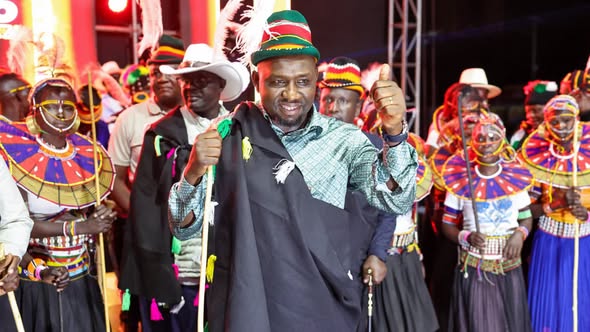
Murkomen Calls for Preservation and Celebration of Kenya’s Cultural Diversity
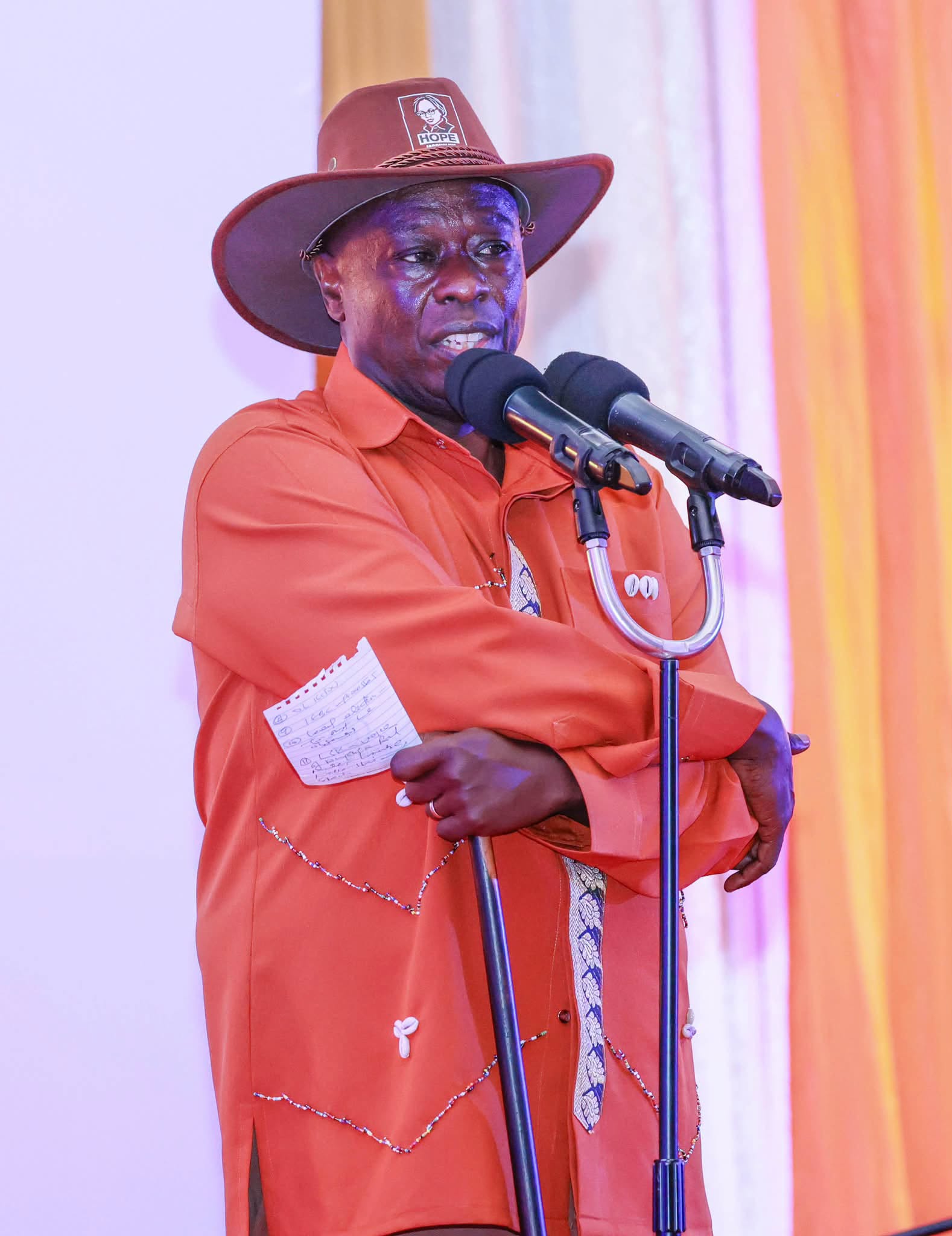
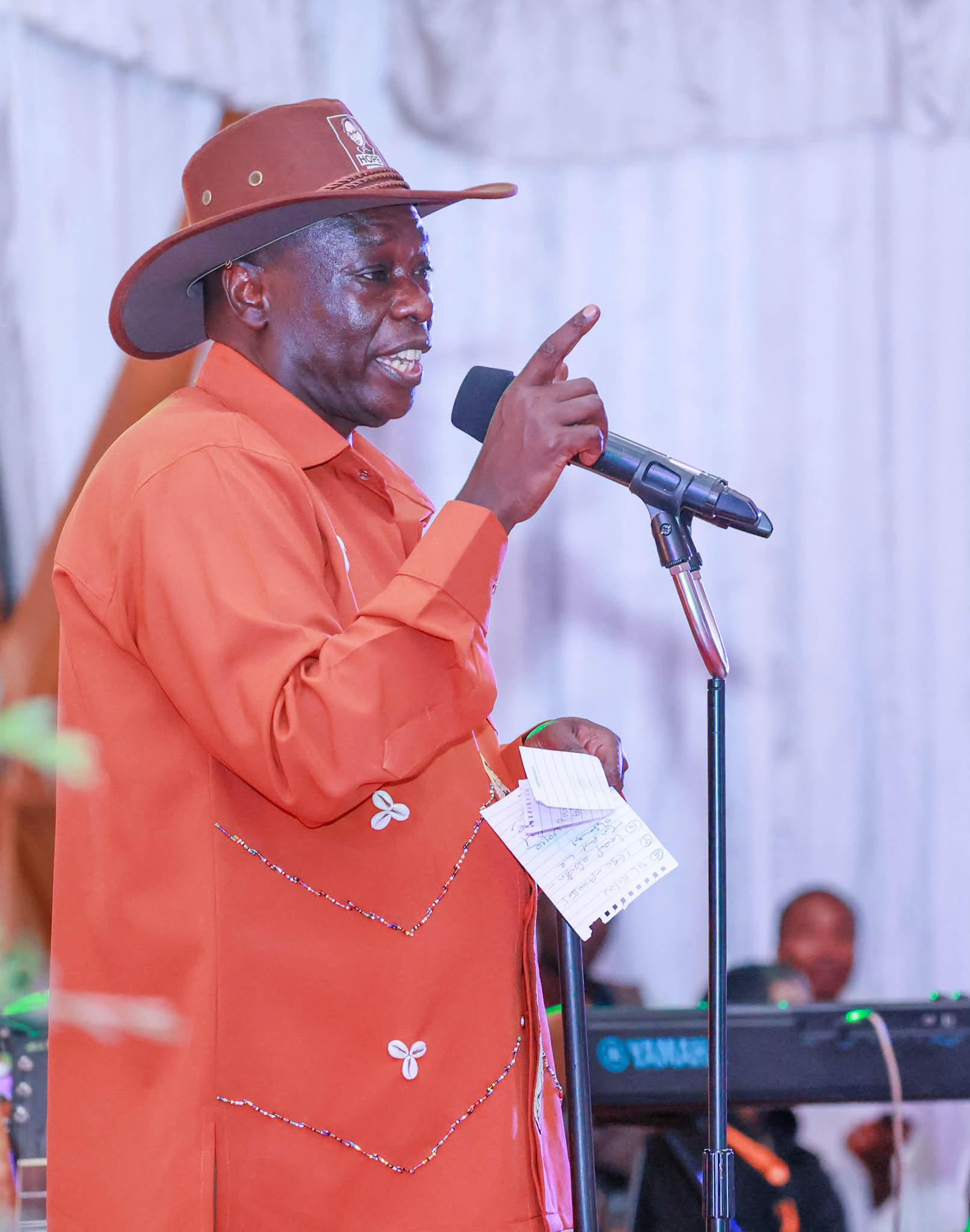
Interior Cabinet Secretary Kipchumba Murkomen has highlighted the importance of preserving Kenya's rich cultural diversity, describing it as a valuable heritage that must be explored, celebrated and passed on to future generations. Kenya's diverse communities boast unique languages, traditions, music, dances, clothing and customs that contribute to the country's national identity. His remarks emphasise the need for families, cultural institutions, schools and the government to work together in safeguarding traditional knowledge and encouraging young people to embrace their heritage. As modernisation continues to influence society, preserving cultural practices remains essential in strengthening national identity, promoting unity and ensuring that future generations appreciate the country's rich history.
Kenya's cultural diversity remains one of its greatest national treasures, offering a rich collection of traditions, languages, beliefs, customs and ways of life that define the identity of its people. The country's different communities contribute unique cultural practices that have been preserved over generations, creating a heritage that continues to shape society. Interior Cabinet Secretary Kipchumba Murkomen has emphasised the importance of embracing, celebrating and preserving this diversity, noting that it should be explored and passed on to future generations.
Kenya is home to numerous communities, each with its own cultural identity, historical experiences and traditional practices. These differences are reflected in languages, music, dances, clothing, food, ceremonies, storytelling and social values. Together, they form an important part of the country's national identity and provide an opportunity for citizens to appreciate the richness of their shared heritage.
Cultural diversity is more than the existence of different ethnic communities within one country. It represents the knowledge, experiences and values that have been developed and transmitted across generations. Through traditional practices, communities preserve lessons about family relationships, leadership, respect, responsibility, cooperation and the importance of belonging. These values continue to influence how people interact with one another and understand their place in society.
Murkomen's remarks highlight the need to recognise culture as an important resource that should not be taken for granted. As Kenya continues to experience social, economic and technological changes, preserving traditional heritage becomes increasingly important. Modernisation has created new opportunities for communication, education, employment and interaction, but it has also changed how younger generations relate to traditional customs and practices.
Many young people are growing up in environments where technology, social media and global entertainment influence their lifestyles and interests. While these developments provide opportunities to learn about other cultures and connect with the wider world, they can also reduce exposure to traditional knowledge when cultural education is not actively promoted. Passing heritage to younger generations therefore requires deliberate efforts from families, communities and institutions.
Parents and grandparents play an important role in keeping cultural traditions alive. They are often the first people responsible for introducing children to their community's language, history, values and customs. Through storytelling, family gatherings, traditional ceremonies and everyday interactions, older generations can help young people understand the importance of their cultural background.
Traditional storytelling remains one of the most effective ways of preserving community knowledge. Stories passed from one generation to another often communicate historical experiences, moral lessons, community values and explanations of traditional practices. They also provide children with an opportunity to understand the experiences of those who came before them. Encouraging storytelling can help prevent valuable knowledge from disappearing as older generations pass on.
Languages are another important part of cultural heritage. Kenya's indigenous languages carry knowledge, expressions and historical meanings that may not always be fully captured through translation. They provide communities with a way of communicating their experiences and maintaining connections with their past. Promoting the use of local languages at home, during cultural events and in community activities can help strengthen their continued use among younger people.
Traditional music and dance also play a significant role in expressing cultural identity. Different communities have unique musical styles, instruments, rhythms and dances associated with celebrations, ceremonies and important social occasions. These forms of expression provide entertainment while also communicating historical experiences and community values. Supporting cultural performers and encouraging young people to participate can help ensure that these traditions remain relevant.
Traditional clothing, crafts and food are equally important elements of Kenya's heritage. Clothing styles often reflect a community's history, environment and identity, while traditional foods demonstrate the knowledge communities have developed around agriculture, livestock keeping, food preparation and local resources. Crafts such as beadwork, weaving, carving and other forms of artistic expression also represent skills that have been developed and refined over many generations.
Preserving these practices can create opportunities for cultural tourism and economic development. Local artists, musicians, designers, craft makers and cultural groups can benefit when their work receives recognition and support. Cultural activities can also attract visitors interested in learning about Kenya's diverse traditions, creating opportunities for businesses and communities.
Cultural tourism has the potential to contribute to local economies while encouraging the preservation of traditional heritage. Visitors can learn about different communities through cultural festivals, exhibitions, performances, historical sites and traditional experiences. Such activities can create employment opportunities while giving communities a platform to showcase their identity and share their knowledge.
However, cultural preservation should not be limited to commercial opportunities. Traditions have value because they connect people to their history and provide a sense of belonging. Communities should be encouraged to preserve their heritage in ways that respect its meaning and allow future generations to understand the values behind different practices.
Educational institutions also have a significant responsibility in promoting cultural awareness. Schools and universities can provide opportunities for learners to study Kenya's history, languages, traditional practices and the contributions of different communities. Cultural activities, competitions, exhibitions and exchange programmes can help students appreciate the diversity that exists within the country.
When children learn about different communities from an early age, they become better equipped to understand and respect people with different backgrounds. Cultural education can also challenge stereotypes and reduce prejudice by helping learners recognise that every community has a valuable contribution to national development.
The media remains another important platform for promoting cultural heritage. Television, radio, newspapers and digital platforms can document traditional practices, highlight cultural events and provide opportunities for communities to share their histories. Through documentaries, interviews, cultural programmes and educational content, media organisations can help preserve knowledge that might otherwise be lost.
Digital technology can further strengthen these efforts by allowing cultural materials to be recorded, stored and shared with wider audiences. Traditional songs, stories, languages, dances and historical accounts can be documented through audio and video recordings. Digital archives can provide future generations with access to information about their heritage while allowing Kenyans living outside their ancestral communities to maintain connections with their culture.
At the same time, cultural preservation requires sensitivity and respect. Communities should have the opportunity to determine how their traditions are presented, documented and shared. Some cultural practices may have special meanings or restrictions, making it important for individuals and organisations to seek appropriate guidance before recording or displaying them.
The celebration of cultural diversity must also be accompanied by a commitment to national unity. Kenya's different communities share one country and a common responsibility to build a peaceful and prosperous society. Cultural differences should therefore be viewed as opportunities for learning and cooperation rather than reasons for discrimination or division.
Respecting cultural diversity means recognising that no community should be considered superior to another because of its traditions, language or historical background. Every community deserves dignity and equal recognition. Citizens can celebrate their identities while appreciating the cultural practices of others and participating in activities that strengthen national cohesion.
Political and community leaders also have an important role in promoting cultural understanding. Their engagement should encourage peaceful coexistence, mutual respect and appreciation of the country's different identities. Cultural celebrations should provide opportunities for communities to come together, exchange experiences and strengthen relationships rather than create unnecessary divisions.
Kenya's cultural heritage has also contributed to the country's identity beyond its borders. Traditional music, athletics-related celebrations, artistic expressions, food and cultural festivals have introduced different aspects of Kenyan life to international audiences. This heritage provides an opportunity to strengthen the country's global image while encouraging appreciation of its historical and cultural richness.
Preserving cultural diversity also requires addressing the challenges that threaten traditional knowledge. The disappearance of indigenous languages, limited documentation of oral histories and reduced participation in traditional activities can weaken the connection between younger generations and their heritage. Without deliberate efforts, some practices and skills may gradually disappear.
Community organisations, cultural associations and government institutions can help address these challenges by supporting cultural festivals, documentation programmes, research initiatives and educational activities. Such efforts can provide platforms for older generations to share their knowledge while encouraging young people to become active participants in cultural preservation.
The responsibility should not rest on government institutions alone. Individuals can contribute by learning their community's history, speaking indigenous languages, participating in cultural events and teaching children about traditional values. Small actions within families and communities can make a significant difference in ensuring that heritage remains part of everyday life.
Cultural diversity can also contribute to innovation and creativity. Exposure to different traditions, ideas and experiences allows people to learn from one another and develop new approaches to addressing common challenges. Communities can exchange knowledge in areas such as agriculture, environmental conservation, food preparation, craftsmanship and social organisation.
As Kenya continues to develop, it is important to ensure that progress does not come at the expense of its cultural identity. Modern technology, education and economic opportunities can coexist with traditional knowledge when communities are supported in preserving what is valuable while adapting to changing circumstances.
The emphasis on exploring, celebrating and passing on cultural heritage is therefore a reminder that national development should include the protection of identity and historical knowledge. A society that understands its past is better positioned to appreciate its present and prepare future generations to build on the achievements of those who came before them.

You Might Also Like
-
Former Deputy President Rigathi Gachagua has warned Nairobi Senator Edwin Sifuna that Mt. Kenya voters will no longer offer their political support without clear commitments and accountability from those seeking their votes. His remarks highlight the growing debate over the region's political influe
-
The accident at Soysambu in Gilgil, Nakuru County, has claimed two lives and left two other people injured following a head-on collision between a FAW trailer and a Mazda Demio along the Nairobi–Nakuru Highway. The accident occurred at approximately 10:00 p.m. on Saturday, November 7, 2026, near
-
Detectives in Mt. Elgon, Bungoma County, have arrested two parents following the tragic death of their two-year-old daughter, who reportedly succumbed to multiple injuries allegedly inflicted on her. The arrests come as investigators work to establish the circumstances surrounding the child's death
-
Siaya Governor James Orengo has called for fair and inclusive political engagement, warning against profiling communities based on their ethnic or political identities. He insists that every Kenyan has the right to participate in political activities, support preferred leaders and engage in campaign
-
DCP leader Rigathi Gachagua has defended cultural gatherings organised by the Mt Kenya community, insisting that celebrating one's heritage should not be mistaken for promoting tribalism. He maintains that every community has a right to embrace its traditions, language and identity without being pre
-
Presidential hopefuls Fred Matiang’i, Rigathi Gachagua and Kalonzo Musyoka have met to deliberate on the future of the United Opposition as political realignments ahead of the 2027 General Election continue to take shape. The discussions come amid growing questions over coalition unity, leadership