Gachagua Defends Mt Kenya Cultural Gatherings, Rejects Tribalism Claims
DCP leader Rigathi Gachagua has defended cultural gatherings organised by the Mt Kenya community, insisting that celebrating one's heritage should not be mistaken for promoting tribalism. He maintains that every community has a right to embrace its traditions, language and identity without being pressured to apologise for its cultural background. His remarks have reignited debate over cultural expression, ethnic identity and national unity, particularly as political activities ahead of the 2027 General Election continue to gather momentum. The discussion also highlights the importance of preserving Kenya's rich cultural diversity while promoting peaceful coexistence and mutual respect among all communities.
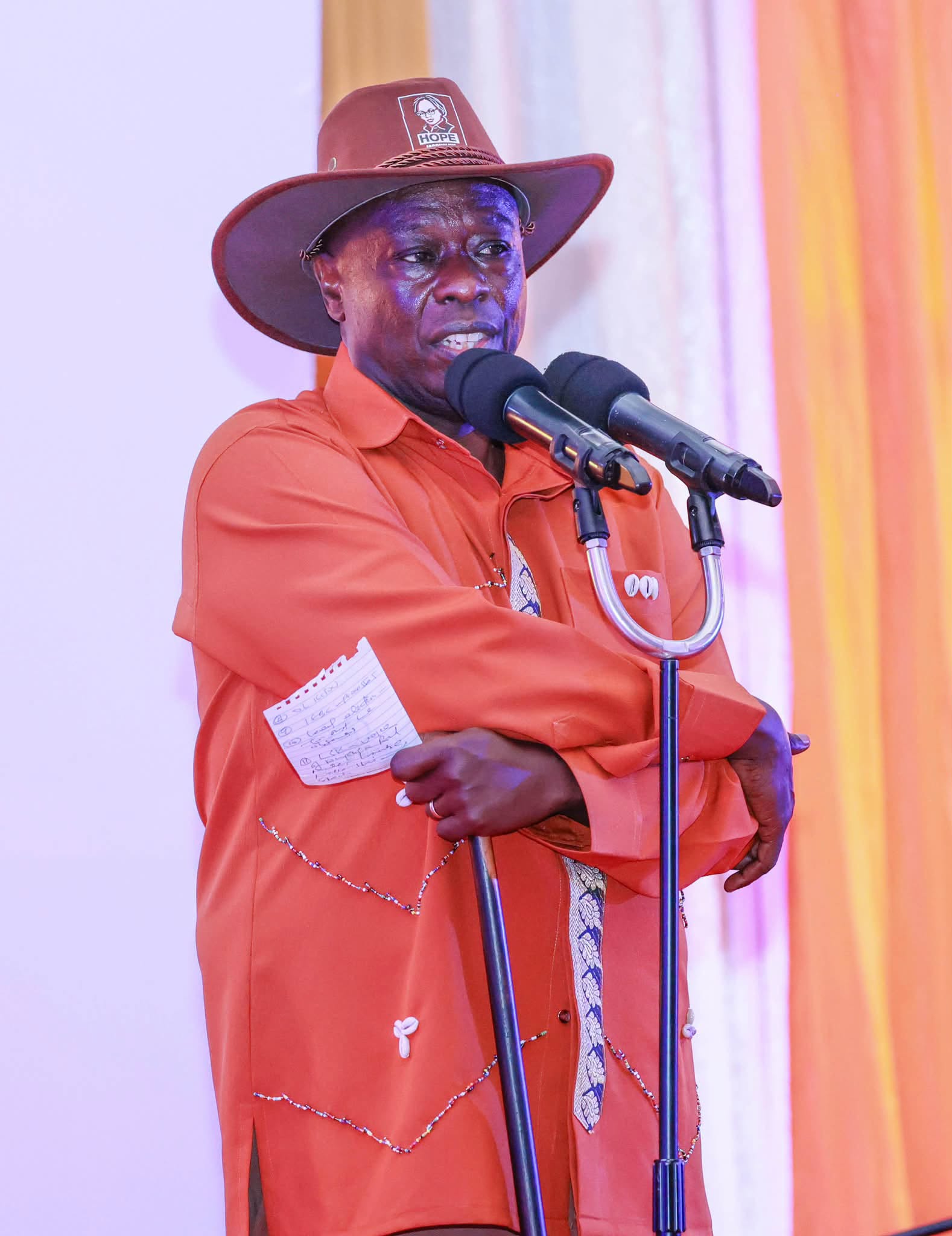
Democracy for the Citizens Party (DCP) leader Rigathi Gachagua has defended cultural gatherings organised by the Mt Kenya community, dismissing accusations of tribalism and maintaining that members of the region should remain proud of their identity, traditions and cultural heritage.
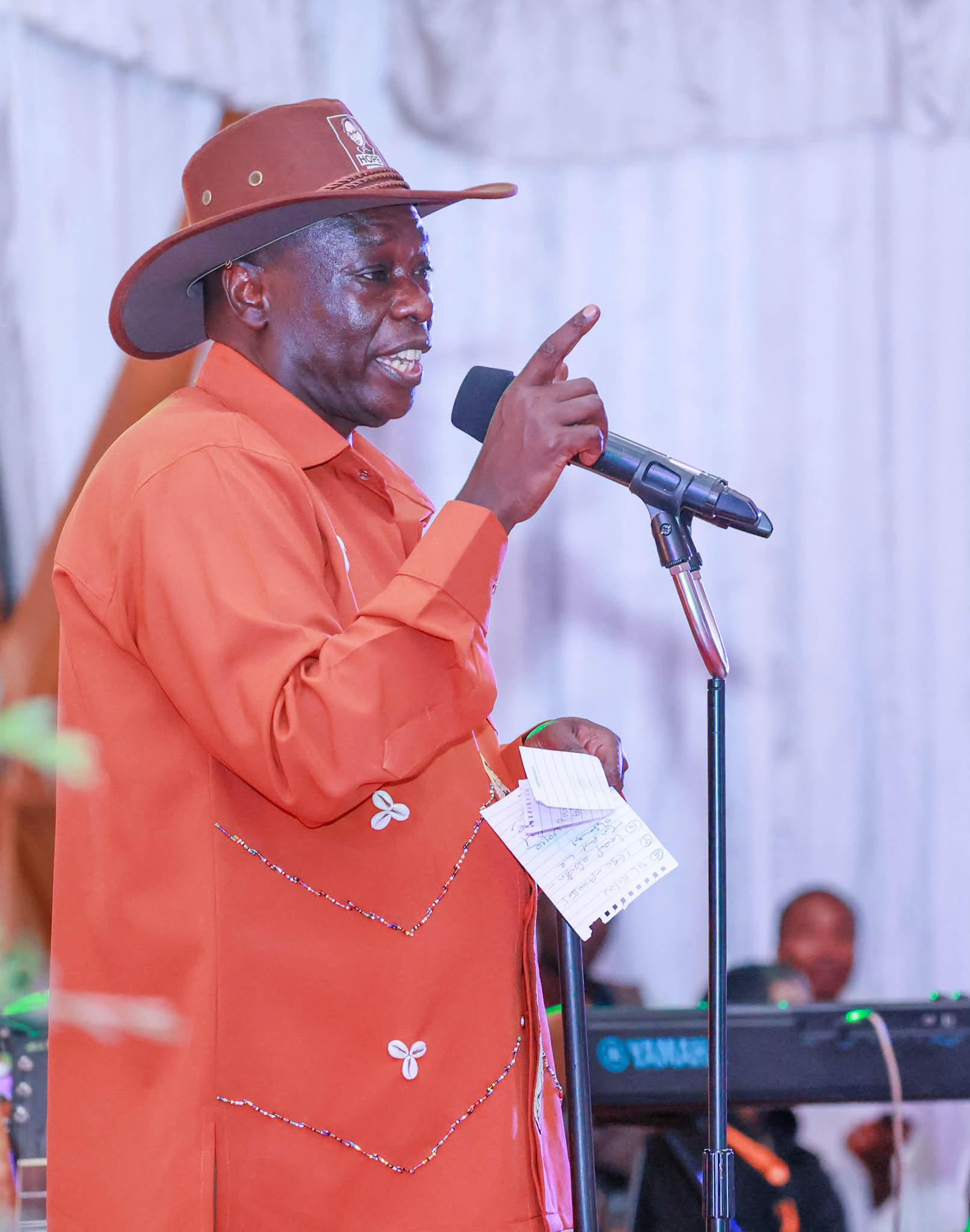
Gachagua made his position clear during a cultural gathering in Thika, Kiambu County, where he challenged criticism directed at community events and argued that celebrating one's cultural background should not automatically be interpreted as promoting ethnic divisions.
The former Deputy President maintained that communities across Kenya have a right to preserve their traditions, celebrate their heritage and organise cultural activities without being made to feel ashamed of their origins. He argued that cultural identity is an important part of society and should be respected rather than treated as a source of political controversy.
His remarks have reignited conversations about the relationship between cultural identity, political mobilisation and national unity, particularly as political activities intensify ahead of the 2027 General Election.
Cultural gatherings have long provided communities with opportunities to celebrate their history, language, traditional practices and shared experiences. Such events can bring together people from different generations, allowing older members of society to pass cultural knowledge to younger generations while strengthening connections within communities.
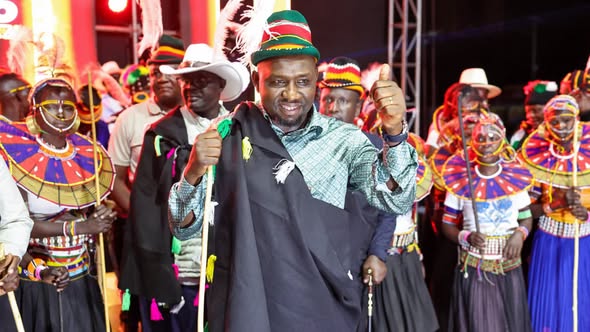
For the Mt Kenya community, these gatherings also provide an opportunity to showcase traditions that have been preserved over generations. They create spaces where participants can celebrate their heritage through cultural performances, traditional practices, music, food and community interactions.
Gachagua's defence centres on the argument that people should not be criticised simply for celebrating the community they come from. He maintains that being proud of one's identity does not necessarily mean rejecting other communities or undermining the idea of national unity.
However, the debate surrounding such gatherings has also raised questions about how cultural identity is presented in a politically sensitive environment. Kenya is a multicultural country with numerous ethnic communities, each with its own traditions, languages and historical experiences. While cultural expression is part of the country's diversity, political leaders are often expected to ensure that their public engagements promote coexistence and mutual respect.
The discussion has become particularly significant because cultural gatherings can attract large numbers of people and provide opportunities for political leaders to address communities on issues affecting their regions. When political messages are introduced into cultural events, discussions about identity can sometimes extend beyond heritage and enter the wider national political debate.
Gachagua has consistently challenged accusations that his political activities and public engagement with the Mt Kenya community amount to tribalism. He has argued that regional organisation and cultural pride should not automatically be viewed as hostility towards other communities.
His latest remarks reflect that position, with the DCP leader maintaining that members of the Mt Kenya region should not be expected to abandon or apologise for their cultural identity. He has also argued that every community should have the freedom to celebrate its traditions while participating in national affairs.
The issue of cultural identity has remained part of Kenya's political discussions, with leaders frequently engaging communities through regional meetings, cultural celebrations and public forums. Such engagements can provide opportunities to discuss development priorities, political representation and the preservation of local traditions.
At the same time, Kenya's political history demonstrates the importance of handling ethnic and regional interests carefully. Political competition has sometimes been accompanied by concerns about ethnic divisions, making national cohesion an important issue in public leadership.
The challenge facing political leaders is therefore how to promote cultural pride without encouraging exclusion or hostility. Communities can celebrate their heritage while recognising that national identity brings together people from different backgrounds who share the same country and constitutional rights.
Cultural diversity is one of the defining features of Kenyan society. Different communities have contributed to the country's history, traditions, arts, languages and social development. Preserving this diversity requires an environment where people can express their identities freely while respecting the rights and dignity of others.
Gachagua's remarks have also drawn attention to the role of cultural events in preserving traditions at a time when modern lifestyles and changing social patterns continue to influence younger generations. As more young people interact with different cultures through education, technology and urban life, community gatherings can provide opportunities to maintain connections with their heritage.
For many families, cultural events are important occasions for passing knowledge about traditional values, history and social practices to younger members. They also provide opportunities for people living away from their ancestral homes to reconnect with relatives and communities.
The preservation of local languages is another important aspect of cultural identity. Language remains a major way through which communities communicate their history, values and experiences. Cultural gatherings can encourage younger generations to learn and appreciate languages that might otherwise receive less attention in their daily lives.
Traditional music, dances, clothing and storytelling also contribute to the preservation of cultural heritage. Through these activities, communities can document and share their traditions while creating opportunities for cultural exchange with people from other backgrounds.
The debate over Mt Kenya cultural gatherings therefore touches on issues beyond politics. It raises questions about how communities can preserve their traditions, how cultural identity should be respected and how Kenya can maintain unity while accommodating its diversity.
Gachagua's position places him within a wider national conversation about the relationship between regional identity and national belonging. His defence of the gatherings comes as political leaders continue to organise themselves and engage different communities ahead of the next General Election.
The 2027 political contest is expected to involve discussions about leadership, regional representation, coalition arrangements and national development priorities. As political alliances take shape, cultural and regional gatherings may continue to provide platforms for leaders to communicate with their supporters.
For the opposition, the challenge will be to develop political partnerships that bring together communities with different interests and expectations. Building a national coalition requires more than regional mobilisation, as leaders must also demonstrate their ability to address issues affecting Kenyans across the country.
The debate also highlights the responsibility of political leaders to distinguish between cultural celebrations and political messaging. Cultural activities can be valuable platforms for preserving heritage, but the manner in which they are used in political discussions can influence how they are perceived by other communities.
Kenya's constitutional framework recognises the country's cultural diversity and provides for the protection of cultural expression, while also emphasising national values, equality and cohesion. These principles allow communities to preserve their identities while remaining part of a wider national society.
The important question is how these freedoms can be exercised in a manner that strengthens mutual respect. Cultural pride does not have to conflict with national unity, just as national unity should not require communities to abandon their languages, traditions or historical identities.

You Might Also Like
-
Former Deputy President Rigathi Gachagua has warned Nairobi Senator Edwin Sifuna that Mt. Kenya voters will no longer offer their political support without clear commitments and accountability from those seeking their votes. His remarks highlight the growing debate over the region's political influe
-
The accident at Soysambu in Gilgil, Nakuru County, has claimed two lives and left two other people injured following a head-on collision between a FAW trailer and a Mazda Demio along the Nairobi–Nakuru Highway. The accident occurred at approximately 10:00 p.m. on Saturday, November 7, 2026, near
-
Interior Cabinet Secretary Kipchumba Murkomen has highlighted the importance of preserving Kenya's rich cultural diversity, describing it as a valuable heritage that must be explored, celebrated and passed on to future generations. Kenya's diverse communities boast unique languages, traditions, musi
-
Detectives in Mt. Elgon, Bungoma County, have arrested two parents following the tragic death of their two-year-old daughter, who reportedly succumbed to multiple injuries allegedly inflicted on her. The arrests come as investigators work to establish the circumstances surrounding the child's death
-
Siaya Governor James Orengo has called for fair and inclusive political engagement, warning against profiling communities based on their ethnic or political identities. He insists that every Kenyan has the right to participate in political activities, support preferred leaders and engage in campaign
-
Presidential hopefuls Fred Matiang’i, Rigathi Gachagua and Kalonzo Musyoka have met to deliberate on the future of the United Opposition as political realignments ahead of the 2027 General Election continue to take shape. The discussions come amid growing questions over coalition unity, leadership