



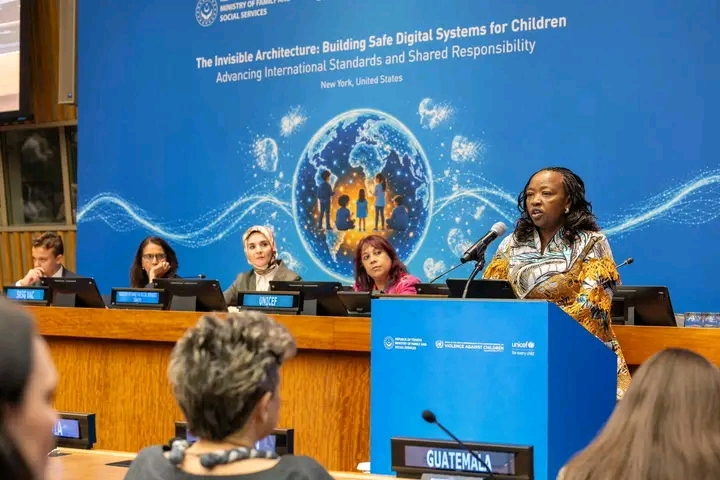
Rachel Ruto Joins Global First Spouses in Major Push to Protect Children from Online Dangers
Rachel Ruto's recent participation in the United Nations discussion on safer digital systems for children forms part of a broader series of engagements involving First Ladies and other spouses of world leaders. From Nairobi to the G7 discussions in France and now the United Nations in New York, the central issue has remained similar: how can society ensure that children benefit from digital technology and artificial intelligence without being exposed to unacceptable risks? Rachel Ruto has argued that governments, technology companies, parents, teachers and international partners must work together because no country or institution can address the challenge alone. Her message has also been linked to Kenya's Voice of Children Initiative, which emphasizes provision, protection and participation. The approach seeks to ensure that children have access to digital opportunities, are protected from online harm and have a meaningful voice in decisions affecting their digital lives. As technology continues to become part of education and everyday life, the debate over children's online safety is likely to remain an important international issue. The meetings involving Rachel Ruto and other First Spouses place particular emphasis on making digital development compatible with children's rights, safety, privacy and wellbeing.
Kenya’s First Lady Rachel Ruto has continued to take part in international discussions focused on protecting children from the growing risks associated with digital technology, artificial intelligence and the internet. The issue has brought together First Ladies and other spouses of world leaders, technology experts, governments, educators, parents and young people, with a common focus on ensuring that children can benefit from technology without being exposed to abuse, exploitation and other online dangers.
The latest discussion involving Rachel Ruto took place in New York during the 81st Session of the United Nations General Assembly. At the Invisible Architecture Forum on building safer digital systems for children, Rachel Ruto called for stronger safeguards and collective action to protect children as digital technology becomes increasingly embedded in education and everyday life.
Her participation comes after several other international engagements in 2026 where First Ladies and spouses of leaders have discussed the safety of children in the digital environment. These discussions have increasingly focused on artificial intelligence because AI is rapidly changing the way children learn, communicate, create content and interact with online platforms.
Rachel Ruto's message in New York
Speaking at the United Nations Headquarters in New York, Rachel Ruto stressed that protecting children online cannot be left to one institution or one country. She described child protection in the digital age as a shared responsibility involving governments, technology companies, parents, teachers and international partners.
She warned that technological progress should not move faster than the systems designed to protect children.
According to the Kenya Broadcasting Corporation, Rachel Ruto said that children could be exposed to danger online even when they are physically in a safe environment at home. She used this point to demonstrate how the internet has changed the traditional understanding of child safety.
Her argument was that a child does not necessarily have to leave home to encounter harmful content, online exploitation or other risks. A smartphone, computer or other connected device can provide access to both educational opportunities and potentially harmful material.
Rachel Ruto therefore called for Kenya's growing digital opportunities to be accompanied by strong measures protecting children's safety, dignity and privacy.
The Voice of Children Initiative
Rachel Ruto also highlighted Kenya's Voice of Children Initiative, which is built around three broad principles: provision, protection and participation.
Provision refers to ensuring children have opportunities to benefit from digital technology. This includes access to education, digital tools, connectivity and other opportunities that can help children develop skills for the modern economy.
Protection focuses on preventing children from experiencing harm online. This includes addressing online exploitation, abuse and exposure to inappropriate content.
Participation recognizes that children should have a meaningful opportunity to express their views on decisions affecting their digital lives.
The approach is significant because children are not only users of technology but are increasingly affected by decisions made by governments, schools, parents and technology companies.
First Spouses and the international discussion
Rachel Ruto's involvement is part of a wider international conversation among First Ladies and other spouses of national leaders.
One notable meeting took place during the G7 Summit in France in June 2026. First Ladies and spouses of leaders gathered to discuss protecting children in the age of artificial intelligence.
The meeting was hosted by French First Lady Brigitte Macron and brought together Rachel Ruto, Brazil's First Lady Janja Lula da Silva, Canada's First Lady Diana Fox Carney, South Korea's First Lady Kim Hye Kyung and Britain's Lady Victoria Starmer, among others.
The discussion examined both the opportunities and risks presented by artificial intelligence and digital technologies. Particular attention was given to children's rights, online safety and digital wellbeing. Young people were also involved, with French students presenting proposals developed through the G7 Youth Forum.
The discussions reflected a broader concern that children should be able to use digital services in environments designed with their safety and age in mind.
Why artificial intelligence has become a major concern
Artificial intelligence has rapidly become part of children's digital environment. It can help students research subjects, translate information, create images, learn languages and access educational material.
At the same time, the technology introduces new challenges.
AI-generated content can make it more difficult for children and adults to distinguish between genuine and manipulated information. Automated systems can also expose children to content that is inappropriate for their age.
Another concern is privacy. Children may share personal information with online services without fully understanding how that information can be stored or used.
The international discussions involving First Spouses therefore emphasize the need for technology to be developed with children's rights and safety in mind.
The G7-related discussion highlighted concepts such as safer-by-design digital services, protection of children's privacy, age-appropriate experiences and tools that allow parents and caregivers to support children's online activities.
Rachel Ruto's earlier African initiative
The discussion is not new for Rachel Ruto.
In May 2026, she led a high-level side event during the Africa Forward Summit in Nairobi focusing specifically on building safer digital spaces for children in Africa.
The event brought together First Ladies, government representatives, diplomats, technology companies, mobile network operators, civil society organizations, development partners and children and young people.
The Nairobi meeting examined how African countries could respond to risks created by rapid digital transformation and artificial intelligence.
The organizers emphasized that African children are increasingly using digital technology for learning, communication, creativity and participation. However, the systems surrounding them do not always adequately address safety, privacy and child development.
The meeting therefore sought to move the conversation beyond general statements and toward practical measures.
Financing child protection
One of the important issues raised during the Africa Forward discussion was financing.
Protecting children online requires more than awareness campaigns. Countries need resources to support child-protection services, reporting systems, investigations, digital literacy programmes and mechanisms for responding to online abuse.
The Africa Forward programme identified sustainable financing as an important component in responding to online sexual exploitation and other technology-facilitated harms. It also identified the importance of trusted reporting and content-removal mechanisms, regulatory capacity and community-based child protection.
This means that the international discussions are not solely about encouraging children to be careful online. They also place responsibility on institutions and technology providers to create safer environments.
Parents and teachers have an important role
Another major theme in the discussions is the responsibility of parents and educators.
Children can be introduced to smartphones and internet-connected devices at increasingly young ages. Parents therefore have to understand the platforms their children use and the potential risks involved.
Teachers also have an important role because schools increasingly depend on digital technology for learning.
Digital literacy can help children understand issues such as privacy, misinformation, cyberbullying, inappropriate contact and suspicious online requests.
However, the First Ladies' discussions have emphasized that parents and teachers cannot carry the responsibility alone.
Technology companies also have an important role because they design the platforms and systems children use.
Kenya's existing child online protection efforts
Kenya has already been working on child online protection through the Communications Authority of Kenya.
The authority says children are among the most vulnerable users of cyberspace. It launched a Child Online Protection programme in 2015 that brought together stakeholders to equip children and their parents or guardians with information and skills for safer internet use.
The programme recognizes that the growth of connectivity creates both opportunities and risks.
Children can use computers and mobile devices to access educational resources, communicate and develop digital skills. However, the same devices can expose them to cyberbullying, exploitation, harmful content and other threats.
Kenya's participation in international discussions therefore builds on an existing national concern about online child safety.
Online exploitation remains a serious concern
Rachel Ruto has also previously spoken about the growing threat of online exploitation of children.
On September 17, 2026, she raised the issue during discussions on gender-based violence, femicide and human trafficking. According to KBC, she cited more than 46,000 reports of online child sexual abuse material received in 2023.
She called for stronger cooperation between governments, technology companies, parents, communities and other stakeholders.
The issue is particularly challenging because online exploitation can cross national borders. A perpetrator, victim, technology platform and financial transaction can all be located in different countries.
This makes international cooperation important for investigations, reporting, removal of harmful material and prosecution.
Children should also have a voice
An important feature of the discussions involving Rachel Ruto and other First Spouses is the emphasis on children's participation.
Children are often described primarily as people who need protection. However, the Voice of Children approach also recognizes them as participants whose experiences can help shape policies affecting them.
At the Africa Forward event, children and young people were included in the programme, including through a children's intervention on artificial intelligence.
The idea is that policies designed to protect children should take into account how children actually use technology and the challenges they encounter.
The wider significance of the discussions
The meetings involving Rachel Ruto and other First Spouses show that child online safety has become an international policy issue rather than simply a family or education matter.
The rapid development of artificial intelligence has increased the urgency of the conversation.
Governments are being encouraged to develop appropriate regulations. Technology companies are being asked to improve safety measures. Parents and teachers are expected to strengthen digital literacy. International organizations are being encouraged to facilitate cooperation across borders.
The discussions also recognize that completely preventing children from accessing technology is not necessarily the objective.
Instead, the focus is on creating an environment where children can benefit from digital technology while their rights, privacy, dignity and safety are protected.

You Might Also Like
-
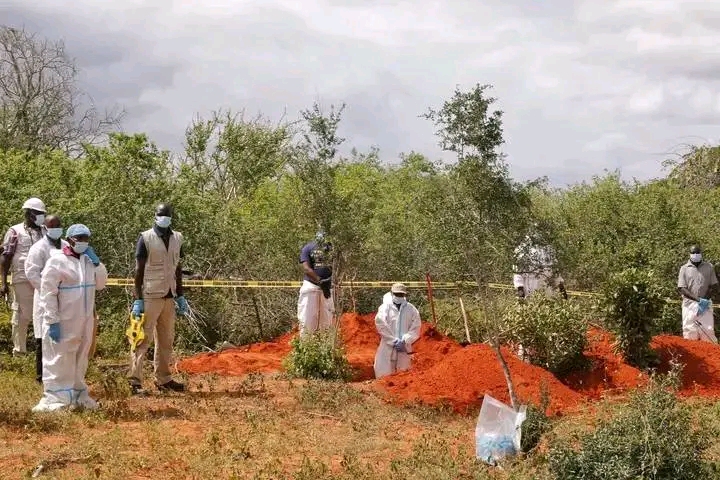
On September 21, 2026, Kilifi County announced that families of people believed to have died in the Shakahola tragedy have been given 21 days to come forward and claim or identify their relatives’ remains, with 443 bodies and human remains still being preserved at Malindi Sub-County Hospital. The
-
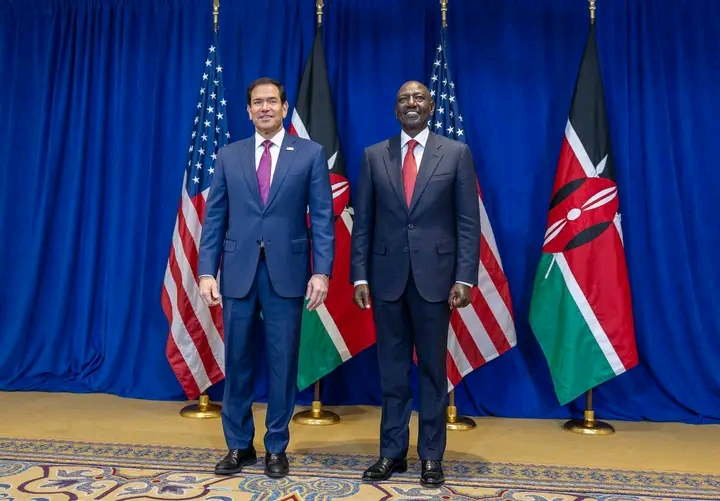
President William Ruto's meeting with US Secretary of State Marco Rubio in New York on September 21, 2026, focused on a broad range of issues affecting Kenya-US relations and wider international affairs. The discussions covered trade and AGOA, artificial intelligence, critical minerals, nuclear ene
-
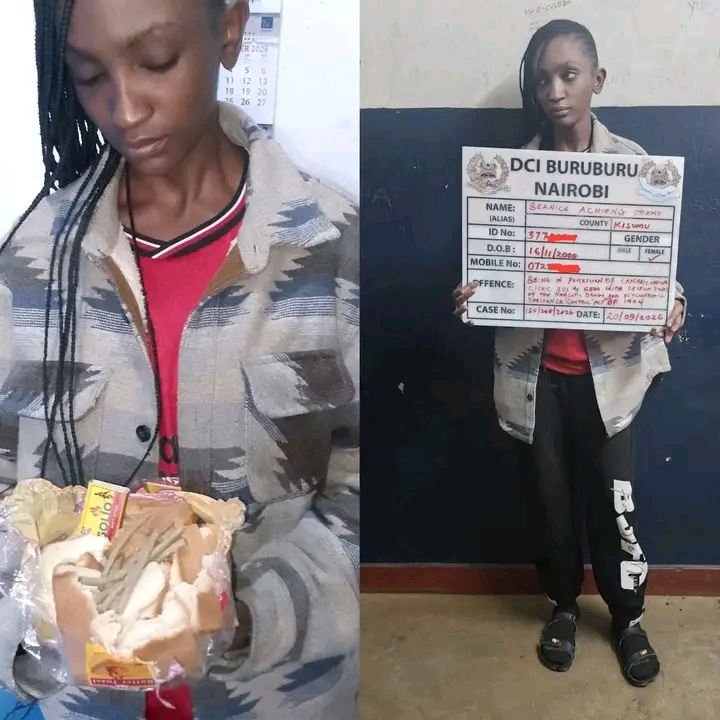
A woman was arrested at Buruburu Police Station in Nairobi after police officers allegedly discovered bhang concealed inside a loaf of bread she had brought for her boyfriend, who was being held at the station. According to police reports, officers inspected the unsealed loaf and allegedly found fiv
-
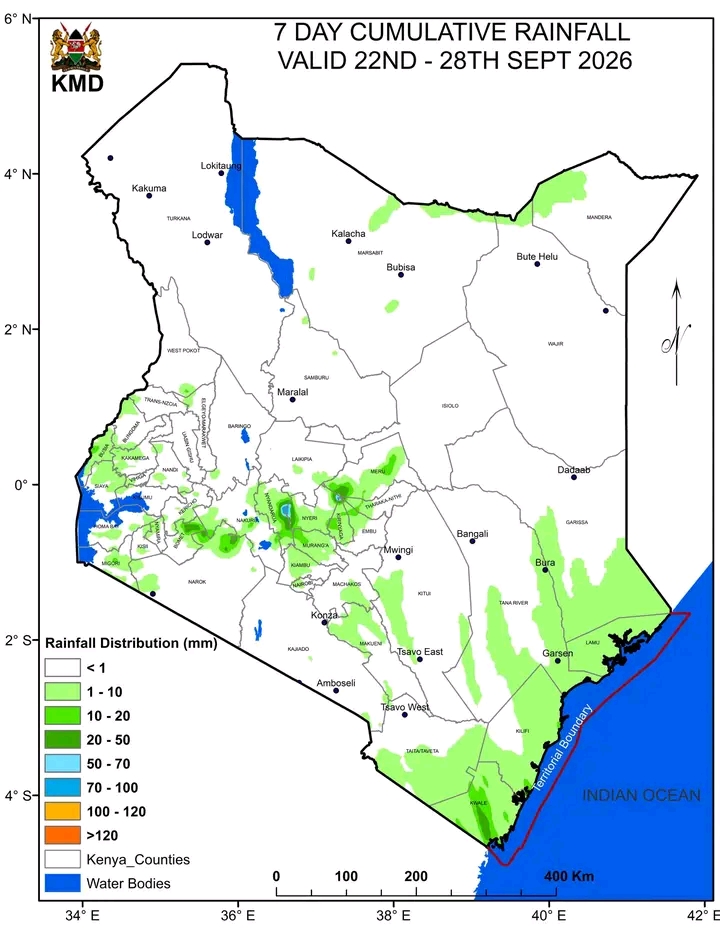
Kenya is expected to experience mixed weather conditions this week, from September 22 to September 28, 2026. Western Kenya, parts of the Rift Valley, the Lake Victoria Basin and sections of Central Kenya are among the areas where rainfall is expected, with Kakamega, Vihiga and Bungoma highlighted fo
-
The High Court in Kibra has denied bail to eight minors facing charges linked to the Untumishi Girls fire tragedy, which claimed the lives of 16 girls on May 28. The suspects will remain in custody as the case proceeds.
-
The Mount Longonot charity hike has once again placed the education needs of persons with visual impairments in the spotlight. The event brought together supporters, organizations and disability advocates for a common cause: raising awareness and resources for learners who require specialized suppor