Uganda military chief Muhoozi threatens media outlets with 10-year jail term over insults to Museveni
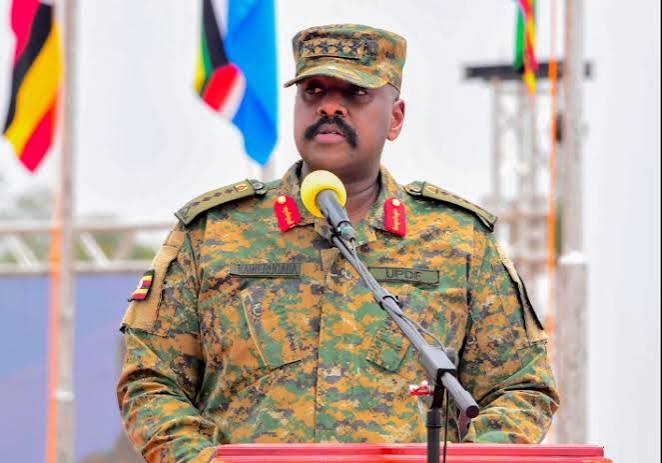
Uganda's Chief of Defence Forces, General Muhoozi Kainerugaba, has sparked fresh debate over press freedom and freedom of expression after warning media outlets that they could face up to 10 years in prison for insulting or belittling President Yoweri Museveni, First Lady Janet Museveni, General Salim Saleh or himself. Kainerugaba made the remarks in a post on X, drawing attention to the relationship between the country's military leadership and independent media. The warning has raised concerns among journalists, media organisations and press freedom advocates over the possible implications for critical reporting, investigative journalism and public accountability. Media outlets play a crucial role in informing citizens, questioning government decisions and examining the conduct of public officials. The remarks have also reignited discussions about the distinction between legitimate criticism, responsible journalism and unlawful communication, as well as the importance of protecting freedom of expression in a democratic society. Questions have emerged over the legal provisions that could support the threatened 10-year sentence, with attention turning to the country's constitutional protections, judicial processes and the responsibility of authorities to respect media independence. The development comes amid ongoing concerns about the operating environment for journalists in Uganda and previous tensions involving media organisations and the military. As reactions continue, the latest warning is expected to intensify scrutiny of press freedom in Uganda and the ability of journalists to report on powerful political and military figures without fear of intimidation or disproportionate punishment.
Uganda is facing renewed debate over press freedom and freedom of expression following remarks by the country's Chief of Defence Forces, General Muhoozi Kainerugaba, warning media outlets that they could face up to 10 years in prison for insulting or belittling senior members of the country's leadership.
Kainerugaba issued the warning in a post on X, naming President Yoweri Museveni, First Lady Janet Museveni, General Salim Saleh and himself among the individuals he said should not be insulted or disrespected by media organisations.
The remarks have attracted attention because of the position Kainerugaba holds within Uganda's military establishment and the potential implications of such a warning for journalists, editors, media owners and other individuals involved in public communication.
His statement has also raised questions about the relationship between political leadership, national security institutions and independent media, particularly in a country where freedom of expression and the role of journalists remain important subjects of public discussion.
The warning comes at a time when media organisations across the world continue to navigate the challenge of reporting on powerful political figures while maintaining professional standards, editorial independence and accountability.
For journalists, the ability to question public officials, investigate government decisions and report on matters affecting citizens is a central part of their professional responsibility. Media organisations also play an important role in providing platforms for public debate, examining government performance and informing citizens about developments in their country.
However, Kainerugaba's remarks have brought renewed attention to the limits that should apply when media outlets report on senior government and military officials, as well as the distinction between legitimate criticism and unlawful conduct.
The threat of a possible 10-year prison sentence is particularly significant because imprisonment is among the most severe penalties that can be imposed on individuals for activities connected to public communication. Such a warning is likely to raise concerns among media professionals about whether critical reporting could expose journalists and media organisations to legal consequences.
The warning has also drawn attention to the broader question of how Uganda's media sector operates in an environment where political and military leaders have significant influence over public affairs. Journalists are expected to report on government activities, public spending, security operations and political developments, including matters involving individuals holding senior positions.
In democratic societies, public officials are generally expected to tolerate scrutiny because their decisions and actions affect the lives of citizens. Media organisations provide an important link between the government and the public by examining policies, highlighting challenges and giving citizens information that enables them to make informed decisions.
The situation becomes more complicated when criticism of powerful individuals is interpreted as an insult or an attempt to undermine their authority. There is a difference between publishing false information intended to damage someone's reputation and reporting verified facts or expressing an opinion about a public official's conduct.
This distinction is particularly important for journalists because investigative reporting often involves examining controversial decisions, questioning official explanations and exposing possible wrongdoing. If journalists fear severe punishment whenever their reporting displeases powerful individuals, they may become reluctant to pursue stories involving government officials and influential personalities.
Kainerugaba's latest remarks have therefore revived concerns about whether media organisations in Uganda can operate independently without facing intimidation or threats of legal action.
The warning is also significant because Uganda has experienced several confrontations involving the military and independent media organisations. In June 2026, Kainerugaba announced the closure of major media outlets belonging to Nation Media Group, including Daily Monitor and NTV Uganda, following disagreements over media coverage.
The announcement raised concerns among journalists and media stakeholders about the ability of independent newsrooms to operate without interference. Military personnel were reportedly deployed at the company's premises in Kampala, while the affected outlets faced interruptions to their operations.
The developments attracted attention beyond Uganda because Nation Media Group is one of East Africa's major media organisations, with operations across several countries, including Kenya.
The latest warning over possible prison sentences adds another dimension to the debate about the relationship between the military leadership and the media. It also places renewed attention on the responsibility of government institutions to protect press freedom while addressing genuine cases of unlawful communication.
Uganda's media environment has previously faced legal and administrative challenges involving journalists, broadcasters and online content creators. Some media professionals have raised concerns about restrictions on reporting, arrests and the use of laws governing online communication.
The expansion of social media has also changed how information is shared and how public figures interact with citizens. Platforms such as X, Facebook, TikTok and YouTube allow politicians, government officials and military leaders to communicate directly with millions of people without relying entirely on traditional media outlets.
Kainerugaba has frequently used X to communicate his views on political and security matters. His posts have attracted public attention because of his position as the country's military chief and his close relationship with President Museveni.
Social media has increasingly become an important space for political debate in Uganda, with journalists, activists, politicians and ordinary citizens using online platforms to discuss national issues. However, the same platforms have also raised questions about misinformation, online harassment, privacy and the limits of freedom of expression.
The latest warning has therefore placed media organisations and online publishers under renewed attention as they consider how to report on the country's leadership without compromising their editorial responsibilities.
Another issue arising from the remarks concerns the legal basis for the threatened 10-year sentence. A statement issued on social media by a senior military official does not, by itself, create a new criminal offence or establish a new prison penalty. Any prosecution and sentence must be based on applicable Ugandan law and determined through the country's judicial system.
This distinction is important because criminal penalties are established through legislation and applied through recognised legal procedures. Individuals accused of offences are also entitled to due process, including the opportunity to challenge allegations against them in court.
The warning has also brought renewed attention to Uganda's constitutional provisions on freedom of expression and the media. These protections are important in ensuring that journalists and citizens can participate in public discussions without facing arbitrary punishment.
At the same time, freedom of expression does not mean that individuals have unlimited permission to publish threats, knowingly spread false information or engage in unlawful harassment. The challenge for authorities is to enforce legitimate laws without using them to silence criticism or protect public officials from scrutiny.
For media organisations, the developments highlight the importance of maintaining professional reporting standards, verifying information and ensuring that published material is supported by credible evidence.
Editors and journalists must continue distinguishing between factual reporting, opinion and commentary. Responsible journalism requires accuracy, fairness and accountability, particularly when covering sensitive political and security issues.
However, professional standards should not be used as a justification for intimidating journalists or preventing them from examining matters of public interest.
The developments are also likely to attract attention from regional media organisations and press freedom advocates because Uganda's political and media environment has implications for the wider East African region.
East African countries share common challenges involving misinformation, online communication, political accountability and the protection of independent journalism. Media organisations frequently cover developments across national borders, making press freedom an important regional concern.
Kenya and other neighbouring countries also have a strong interest in developments in Uganda because of the two countries' close economic, political and security relations. Uganda is an important trading partner for Kenya, particularly through the movement of goods and services along regional transport corridors.
Political stability and access to reliable information in Uganda are therefore important to businesses, regional institutions and citizens who depend on cross-border cooperation.
The latest remarks by Kainerugaba come at a time when his influence in Uganda's political and security establishment continues to attract attention. As the son of President Museveni, he occupies a prominent position in the country's leadership structure and has increasingly become a major figure in national political discussions.
His public statements frequently generate debate because of the authority associated with his military position and his close connection to the president.
President Museveni has remained at the centre of Uganda's political leadership for decades, making questions about governance, political succession and the country's democratic institutions important subjects of national discussion.
In this environment, the media plays a critical role in informing citizens about decisions made by the country's leadership and examining issues that could affect its future.
Journalists are expected to provide accurate accounts of government activities while giving different sides an opportunity to respond to allegations and criticism. Their work also helps ensure that public officials remain accountable for decisions made while exercising authority.
The possibility of severe penalties for media outlets accused of insulting senior leaders could consequently influence how journalists approach political reporting, particularly stories involving the president, the military and other influential figures.
Media stakeholders will be watching closely to establish whether the warning leads to any formal legal action against journalists or organisations. They will also be interested in whether Ugandan authorities provide clarification regarding the legal provisions that could apply to the alleged offences.
For now, Kainerugaba's statement has reignited debate about the limits of criticism, the responsibilities of journalists and the protection of independent media in Uganda.
The central issue remains how the country can balance respect for public institutions with the constitutional rights of citizens and journalists to question those in positions of authority.

You Might Also Like
-
Linda Mwananchi Movement leader and Nairobi Senator Edwin Sifuna is set to begin his United States tour in New Jersey, where he will officially open the movement’s diaspora office as part of efforts to strengthen its presence and organisational structures among Kenyans living abroad. The planned v
-
Medical Services Principal Secretary Ouma Oluga has called for expanded access to HIV prevention services, particularly among populations considered to be at higher risk of infection, as the government intensifies efforts to strengthen the country’s response to HIV. Oluga emphasised the need to en
-
Education Cabinet Secretary Julius Ogamba has reaffirmed the government’s commitment to strengthening girls’ education across the country through expanded access to quality learning, competency-based education, scholarships, mentorship programmes and stronger school re-entry policies. The commit
-
The Teachers Service Commission (TSC) has dismissed allegations of tribalism raised by former Deputy President Rigathi Gachagua over the appointment of Cheptumo Ayabei as its new Chief Executive Officer, maintaining that the recruitment exercise was conducted through a transparent, professional and
-
Head of Public Service Felix Koskei has announced that this year’s Jamhuri Day celebrations will focus on showcasing how investments in infrastructure and innovation are contributing to Kenya’s economic transformation. The celebrations will highlight the role of development projects in creating
-
Medical Services Principal Secretary Ouma Oluga has called for stronger collaboration among government departments to strengthen the implementation of health sector programmes, emphasising that investment in healthcare is essential to improving the well-being of Kenyans and supporting sustainable ec