20 Ebola Contacts Leave Quarantine as Ministry of Health Warns Outbreak Is Not Yet Contained
Kenya’s Ministry of Health has confirmed the release of 20 Ebola contacts from quarantine after completing the required monitoring period without developing symptoms. However, the ministry warns that the outbreak is not yet contained, with 98 other contacts still under observation and expected to be released in phases from November 3, 2026. Health officials continue to strengthen surveillance, contact tracing and public awareness to prevent further transmission. Kenyans are urged to remain vigilant, report suspected symptoms promptly and avoid spreading misinformation.
Kenya’s Ministry of Health has announced the release of 20 people who had been placed under quarantine following their possible exposure to Ebola, while cautioning that the outbreak has not yet been fully contained. The development marks progress in the country’s efforts to monitor and manage the disease, but health officials continue to urge vigilance as surveillance and follow-up activities remain ongoing.
The 20 individuals were among those placed under close monitoring after being identified as contacts of confirmed Ebola cases. Their release comes after a period of observation and assessment by health authorities, who have been working to identify people who may have been exposed to the virus and prevent further transmission.
Despite the latest development, the Ministry of Health has emphasised that the situation still requires close attention. Officials are maintaining surveillance measures, monitoring individuals who remain under quarantine, and strengthening public health preparedness to minimise the risk of additional infections.
The ministry has also warned members of the public against assuming that the release of some contacts means the outbreak is over. Ebola response operations depend on continued monitoring, timely reporting of suspected cases, and strict adherence to infection prevention and control measures.
Kenya confirmed its first imported case of Bundibugyo virus disease on October 6, 2026, triggering an emergency public health response involving contact tracing, quarantine, laboratory testing and isolation of suspected and confirmed cases. The first patient later died, and health authorities moved quickly to identify individuals who had interacted with the patient before the infection was confirmed.
According to the Ministry of Health, the 20 people released from quarantine had completed the mandatory 21-day monitoring period without developing symptoms. Each individual underwent a final health assessment before being cleared to return home and reunite with family members.
Health officials have called on communities to receive those released from quarantine warmly and avoid discrimination against people who have completed the monitoring process. The individuals should be allowed to resume their daily activities without fear of stigma or rejection.
The release represents an important milestone in Kenya's response, demonstrating the role of early identification, quarantine and regular medical assessments in managing infectious disease outbreaks. However, health authorities have maintained that continued surveillance is necessary until the outbreak is officially declared over.
The Ministry of Health has indicated that 98 other contacts remain under quarantine. These individuals are expected to leave quarantine in phases beginning November 3, 2026, depending on their individual health assessments and completion of the required monitoring period.
The phased release is intended to ensure that each person meets the necessary health requirements before returning to their respective communities. Health teams continue to monitor those still under observation and provide guidance on the precautions they must follow.
Kenya's contact-tracing programme has involved identifying people who may have been exposed to confirmed cases, assessing their risk and ensuring that those requiring quarantine receive appropriate supervision. The government has also coordinated with relevant authorities to trace contacts beyond the country's borders where necessary.
As of October 26, the country had recorded nine confirmed cases of Ebola, including two deaths. The other patients were reported to be receiving medical care in designated treatment facilities.
Health officials have continued to investigate the circumstances surrounding the infections to establish the links between confirmed cases and determine whether any additional transmission chains exist. Investigations into the outbreak remain important in determining whether the virus has spread beyond the initially identified group.
Laboratory investigations have also played a critical role in the response. Testing helps health authorities confirm suspected infections, establish links between cases and guide decisions on isolation, treatment and contact tracing.
The findings from these investigations help health authorities understand the relationship between cases and guide epidemiological investigations. However, officials continue to rely on contact tracing, laboratory confirmation and clinical assessments to establish the full picture of the outbreak.
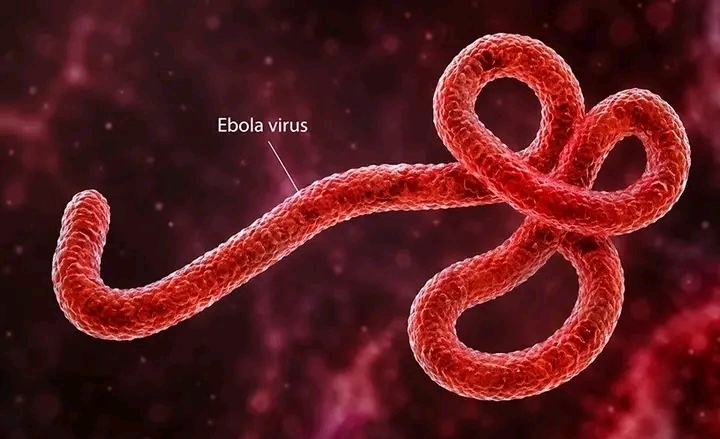
The Bundibugyo virus is one of the viruses that can cause Ebola virus disease. The illness can be severe, and transmission can occur through direct contact with the blood or other bodily fluids of an infected person who is symptomatic, or through contaminated materials.
The disease may initially present with symptoms such as fever, unusual tiredness, muscle pain, headache and sore throat. As the illness progresses, some patients may experience vomiting, diarrhoea, abdominal pain and unexplained bleeding. These symptoms can resemble those of other illnesses, making prompt medical assessment important, particularly for individuals who may have been exposed to a confirmed case.
The Ministry has urged Kenyans who develop concerning symptoms after possible exposure to seek medical attention immediately and disclose their contact or travel history to healthcare workers. Early identification allows health teams to assess patients, arrange appropriate testing and introduce infection prevention measures where necessary.
At the same time, the government has strengthened infection prevention and control measures in health facilities. These efforts include training healthcare workers, distributing personal protective equipment and designating personnel responsible for monitoring infection prevention practices.
Healthcare workers are particularly important in the response because they may encounter suspected cases during routine medical consultations. Appropriate protective equipment, safe handling of potentially infectious materials and adherence to established clinical procedures help reduce the risk of transmission within hospitals and other healthcare settings.
Surveillance has also continued at points of entry, health facilities and community level. Screening and investigation of alerts are intended to identify potential cases as early as possible, while contact tracing helps health authorities determine whether people who may have been exposed require monitoring.
The government has also continued working with county health departments, laboratory teams and other response partners to coordinate activities and communicate public health information.
Beyond medical monitoring, health authorities have recognised the psychological and social challenges faced by people placed under quarantine. Being separated from family members, missing work and facing uncertainty about one's health can create considerable stress for affected individuals.
Support for people under quarantine and those returning home is important in helping them cope with the experience and resume their normal routines. Families and communities also have a role to play in providing reassurance and ensuring that affected individuals are not subjected to unnecessary discrimination.
Members of the public have been urged to avoid stigmatising people who were placed under quarantine but completed the required monitoring period without developing the disease. Those who have been officially cleared can return to their families and communities in accordance with the guidance provided by health authorities.
The warning against stigma is particularly important because fear and misinformation can discourage people from cooperating with health officials. Individuals who fear being isolated or rejected may be reluctant to report possible exposure or seek medical attention, potentially undermining efforts to control an outbreak.
Authorities have encouraged Kenyans to rely on verified information from the Ministry of Health and recognised public health agencies rather than spreading unconfirmed reports on social media. Communities are also being encouraged to cooperate with contact-tracing teams and follow instructions provided by healthcare professionals.
Despite the release of the first 20 contacts, the government has made it clear that the outbreak cannot yet be declared over. Under established public health protocols, an Ebola outbreak is generally declared over after 42 days have passed without a new confirmed case, following the recovery or safe burial of the last confirmed patient and the completion of the required monitoring procedures.
This requirement is intended to provide sufficient time to identify infections that may emerge following the last known case. It also allows health teams to maintain surveillance and respond quickly if another suspected infection is detected.
The Ministry has maintained that the response will continue to focus on protecting public health while avoiding unnecessary disruption to daily activities. Kenyans are being encouraged to remain calm but vigilant as the response continues.
The release of the first 20 contacts marks progress in Kenya's efforts to contain the Bundibugyo virus disease outbreak. Nevertheless, with 98 contacts still under quarantine and other confirmed patients receiving treatment, continued cooperation from communities, healthcare workers and government agencies remains essential.

You Might Also Like
-
The October 28–29 summit provides a platform for discussions on trade, investment, agriculture, technology, peace and security, while the accompanying economic and humanitarian engagements offer further opportunities to explore cooperation. Kenya’s immediate economic interests include expandin
-
The reported inspection by Deputy President Kithure Kindiki of the Njoro–Beeston–Lawina–Elburgon road on October 27, 2026, highlights an important infrastructure project in Nakuru County. Official records confirm that the wider road programme covers approximately 40 kilometres, has a listed c
-
Former President Uhuru Kenyatta has cautioned Kenyans against fake social media accounts claiming to represent him, his family or his political activities. He has urged the public to verify information before believing or sharing online posts attributed to him. The warning highlights growing concern
-
Kenya's latest published forecast available for this report points to rainfall across numerous counties, including areas in the Coast, North Eastern, Eastern, Central, Western, Nyanza and Rift Valley regions. Particular attention is warranted in Mandera, Wajir and parts of the coastal region, where
-
The commencement of post-mortem examinations for the 24 victims of the Mtito Andei road accident is a crucial step in the process of identifying the deceased, documenting the causes of death and facilitating burial arrangements. The tragedy occurred at Kanga along the Nairobi–Mombasa Highway on Oc
-
The discharge of 20 people from Ebola quarantine on 26 October 2026 marks an important step in Kenya’s efforts to contain the Bundibugyo virus disease outbreak. The individuals completed the mandatory 21-day monitoring period without symptoms and were released after health assessments. However, 9