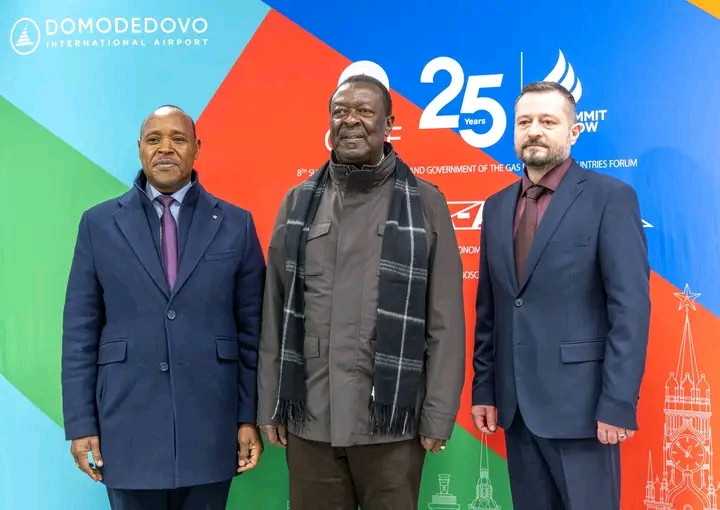
Mudavadi Arrives in Russia Ahead of the Third Russia–Africa Summit as Kenya Seeks Stronger Diplomatic and Economic Ties
The October 28–29 summit provides a platform for discussions on trade, investment, agriculture, technology, peace and security, while the accompanying economic and humanitarian engagements offer further opportunities to explore cooperation. Kenya’s immediate economic interests include expanding access to the Russian market for tea, coffee and horticultural products, attracting investment and identifying partnerships that can support manufacturing, skills development and job creation.
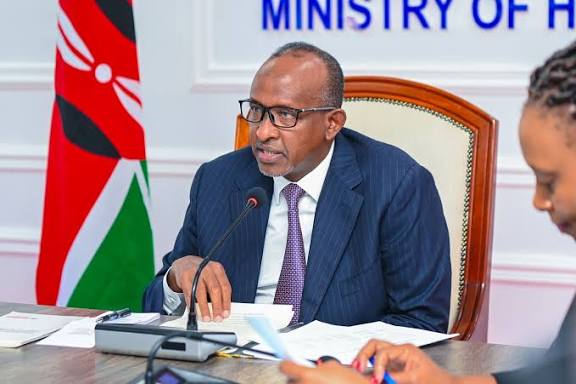
Prime Cabinet Secretary and Cabinet Secretary for Foreign and Diaspora Affairs Musalia Mudavadi’s arrival in Russia ahead of the Third Russia–Africa Summit marks an important moment in Kenya’s diplomatic engagement with Russia and the wider African continent. The summit provides an opportunity for African countries and the Russian Federation to discuss cooperation in trade, investment, agriculture, energy, education, technology, security and other areas of shared interest.
Mudavadi’s participation is particularly significant because Kenya continues to pursue a foreign policy focused on expanding international partnerships, attracting investment, opening new markets for Kenyan products and strengthening the country’s standing in global affairs. Through high-level diplomatic engagements, Kenya seeks to maintain productive relationships with traditional partners while exploring opportunities with emerging and established economic powers.According to reports published on October 26, 2026, Mudavadi arrived in Moscow ahead of the high-level diplomatic meetings. His visit is intended to strengthen Kenya’s engagement with Russia and identify opportunities for cooperation that can support the country’s economic and development priorities.
The Third Russia–Africa Summit is scheduled for October 28–29, 2026, in Moscow. The accompanying Russia–Africa Economic and Humanitarian Forum is also scheduled for the same period, with some Kenyan reports describing the wider engagements as running through October 30.
The gathering is expected to bring together African leaders, senior government officials, diplomats, business representatives and other stakeholders. Discussions will cover political relations, international security, economic development, trade, investment, science, technology and humanitarian cooperation.Strengthening Kenya–Russia Diplomatic Relations
Kenya and Russia maintain diplomatic relations, and the upcoming summit offers an opportunity to review existing cooperation and explore areas where relations can be strengthened.
One of the anticipated highlights of Mudavadi’s visit is bilateral engagement with Russian Foreign Minister Sergey Lavrov. Kenyan media reports indicate that the two officials are expected to discuss bilateral relations, economic cooperation and regional and international developments. Kenyan reports indicate that the government intends to pursue greater access to the Russian market for tea, coffee and horticultural products.
Tea is one of Kenya’s important agricultural exports, supporting farmers, factory workers, transporters, traders and other participants in the agricultural value chain. Expanding access to foreign markets could help Kenyan producers reach additional buyers and reduce overreliance on a limited number of destinations.
Coffee is another product with potential for stronger international commercial engagement. Better market connections can provide opportunities for farmers and exporters, although actual benefits depend on demand, prices, quality requirements and the costs of transporting products to overseas buyers.Another important area of interest is investment. Kenya needs capital, technology, expertise and reliable partnerships to support industrialisation and expand employment opportunities.
The summit provides a platform for discussing possible investments in agriculture, manufacturing, energy, infrastructure and technology. Russia–Africa engagement is designed to encourage economic partnerships alongside political and diplomatic cooperation.
For Kenya, attracting responsible investment could help local enterprises expand their operations, improve productivity and access new technologies.
Investment in manufacturing, for example, could support the processing of agricultural products before export. Instead of selling only raw commodities, Kenya can pursue greater value addition, which may create jobs and allow producers to capture more value from their goods.Agriculture, Food Security and Technology
Agriculture remains central to Kenya’s economy, making it an important area for potential cooperation with Russia. The two countries have opportunities to explore collaboration in agricultural research, fertiliser supply, farm technology, food processing and the development of resilient food systems.
The African Union and Russia discussed agricultural cooperation and the need to strengthen the supply of food, fertilisers and agricultural inputs during high-level consultations in July 2026. They also identified infrastructure, energy and industrial development as areas for further engagement. Peace, Security and International Relations
The summit will also provide a platform for discussions on peace, security and international affairs.
African countries face different security challenges, including armed conflicts, terrorism, organised crime, political instability and humanitarian emergencies. Cooperation among governments and international institutions can contribute to dialogue, conflict prevention and the development of stronger security capabilities.Education and skills development are additional areas where Kenya could explore partnerships with Russia.
Cooperation between universities, technical institutions and research organisations can create opportunities for academic exchanges, scientific collaboration and professional training.
Potential areas of interest include engineering, agriculture, medicine, information technology, energy and scientific research. Such programmes could help students and professionals acquire skills relevant to Kenya’s development priorities.
For these partnerships to deliver meaningful benefits, they would need clear arrangements covering scholarships, accreditation, research funding, student welfare and the recognition of qualifications.The Third Russia–Africa Summit is part of a broader effort to strengthen relations between Russia and African countries. The first summit was held in Sochi in 2019, while the second took place in St Petersburg in 2023. The 2026 gathering continues that diplomatic process.
Russia has expressed interest in expanding cooperation with African countries across politics, security, trade, investment, science, technology and humanitarian affairs.
The meeting also comes as African governments seek to diversify their economic partnerships and increase their influence in international decision-making.
For Kenya, diversification means building relationships with different international partners while protecting its economic interests and maintaining productive relations with existing trading partners.Challenges and Expectations Ahead of the Summit
Despite the potential opportunities, several challenges could affect the outcomes of the Moscow meetings.First, diplomatic commitments must be translated into practical projects. Announcements about investment and trade have limited value unless they lead to financing, commercial agreements, market access or other measurable results.
Second, Kenyan businesses must be able to compete in international markets. Exporters need to meet product standards, manage transport expenses, understand foreign regulations and establish reliable commercial relationships.
Third, investment agreements must offer benefits to both sides. Kenya will need to assess proposed projects carefully, including their financial sustainability, employment potential and contribution to local development.
Fourth, international political tensions can complicate economic and diplomatic relationships. Kenya must continue to evaluate its partnerships in light of national interests, international law and the welfare of its citizens.

You Might Also Like
-
President William Ruto has called on Kenyans to prioritise locally produced goods, saying excessive reliance on imports denies the country opportunities to create jobs and grow its economy. He emphasised the need to strengthen local industries, support farmers and empower entrepreneurs to produce go
-
The reported inspection by Deputy President Kithure Kindiki of the Njoro–Beeston–Lawina–Elburgon road on October 27, 2026, highlights an important infrastructure project in Nakuru County. Official records confirm that the wider road programme covers approximately 40 kilometres, has a listed c
-
Former President Uhuru Kenyatta has cautioned Kenyans against fake social media accounts claiming to represent him, his family or his political activities. He has urged the public to verify information before believing or sharing online posts attributed to him. The warning highlights growing concern
-
Kenya’s Ministry of Health has confirmed the release of 20 Ebola contacts from quarantine after completing the required monitoring period without developing symptoms. However, the ministry warns that the outbreak is not yet contained, with 98 other contacts still under observation and expected to
-
Kenya's latest published forecast available for this report points to rainfall across numerous counties, including areas in the Coast, North Eastern, Eastern, Central, Western, Nyanza and Rift Valley regions. Particular attention is warranted in Mandera, Wajir and parts of the coastal region, where
-
The commencement of post-mortem examinations for the 24 victims of the Mtito Andei road accident is a crucial step in the process of identifying the deceased, documenting the causes of death and facilitating burial arrangements. The tragedy occurred at Kanga along the Nairobi–Mombasa Highway on Oc