261,000 Learners Reportedly Unaccounted for as Questions Emerge Over 100% School Transition Policy
More than 261,000 learners expected to sit the 2026 KCSE and KJSEA examinations are reportedly unaccounted for, raising questions about learner retention and the implementation of Kenya's 100 per cent transition policy. The reported gap highlights the need for accurate education records, investigations into possible causes and stronger measures to keep learners in school.
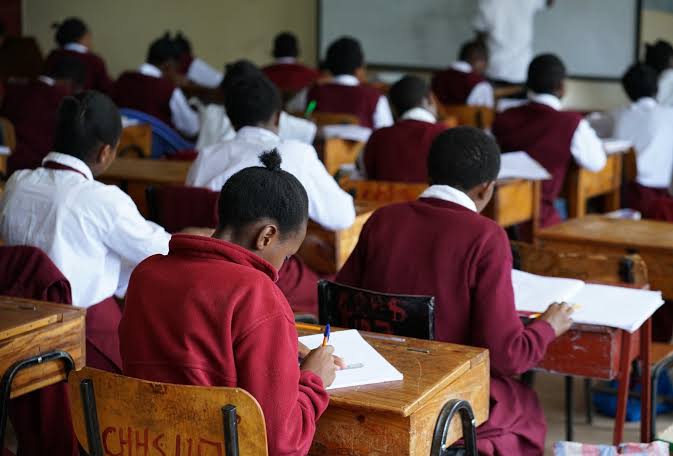
More than 261,000 learners who were expected to sit this year's Kenya Certificate of Secondary Education (KCSE) and Kenya Junior School Education Assessment (KJSEA) examinations are reportedly unaccounted for, raising fresh concerns about school attendance, learner retention and the implementation of the government's 100 per cent transition policy.
The reported gap has drawn attention to the challenges facing Kenya's education sector, particularly efforts to ensure that children who enrol in school continue learning through the different stages of the education system. The development has also raised questions about the whereabouts of learners who were expected to progress through primary, junior and senior levels of education but are not reflected in the expected examination numbers.
The government's 100 per cent transition policy was introduced to ensure that learners completing one level of basic education proceed to the next without being left behind. The policy forms part of broader efforts to expand access to education, reduce the number of children out of school and promote equal opportunities for learners from different social and economic backgrounds.
However, the reported number of missing candidates has prompted renewed scrutiny of whether school enrolment is translating into sustained attendance and successful progression through the education system. While the figures require further clarification from the relevant authorities, the issue highlights the importance of tracking learners from the time they enter school until they complete the various stages of their education.
The KCSE examination is a major milestone for learners completing secondary education in Kenya. Its results help determine eligibility for university education, technical training and other post-secondary opportunities. The KJSEA, meanwhile, forms part of the assessment framework under the Competency-Based Curriculum and helps evaluate learners completing junior school as they prepare for senior school.
The reported shortfall involving learners expected to sit these assessments raises questions about the factors that may prevent some pupils from reaching these important academic stages. It is, however, necessary to establish the exact circumstances behind the figures before concluding that all the learners have dropped out of school.
Some learners may have transferred to other institutions, relocated with their families or encountered administrative challenges that affected the accuracy of school records. Others may have experienced interruptions in their education due to financial difficulties, family responsibilities, illness or other circumstances. A comprehensive verification exercise would help establish the actual position and distinguish learners who have left school from those whose records have not been properly updated.
The issue is particularly important because access to education is not determined by enrolment alone. Ensuring that children register in school is only the first step; they must also attend classes consistently, receive adequate learning support and remain in the system until they complete their education.
The 100 per cent transition policy was intended to reduce barriers that prevent learners from moving from primary to secondary education. Through the policy, the government sought to promote continuity in learning and ensure that children are not denied educational opportunities because of their backgrounds.
Despite these objectives, keeping learners in school remains a complex undertaking that requires cooperation among government agencies, school administrators, teachers, parents and communities. Economic hardship, inadequate school facilities, limited learning resources and social challenges can affect a child's ability to remain in education.
For some households, the cost of education extends beyond school fees. Families may struggle to provide uniforms, books, transport, meals and other essential requirements. These expenses can become difficult to manage, particularly for households facing unemployment, unstable incomes or other financial pressures.
When families are unable to meet these needs, learners may miss classes or experience prolonged interruptions in their education. In some cases, children may be required to assist with household responsibilities or engage in activities intended to supplement family income. Such circumstances can affect attendance, academic performance and eventual completion of school.
The reported examination shortfall therefore underscores the importance of examining the economic conditions that influence school participation. Financial support programmes, school feeding initiatives and targeted assistance for vulnerable households can help reduce some of the pressures that contribute to absenteeism and school dropout.
Another important consideration is the availability of adequate learning facilities. As more learners transition between education levels, schools require sufficient classrooms, teachers, sanitation facilities, textbooks and other resources to accommodate growing enrolment.
Where schools experience overcrowding or shortages of teachers and learning materials, maintaining quality education can become difficult. Such challenges may affect learners' motivation and performance, particularly when they do not receive the individual attention required to overcome learning difficulties.
The implementation of the Competency-Based Curriculum has also increased the need for appropriate facilities and trained teachers who can support its practical and learner-centred approach. Schools need suitable resources to help pupils develop competencies in different learning areas while preparing them for subsequent stages of education.
The transition from junior school to senior school presents additional planning requirements. Education authorities must ensure that sufficient places are available and that learners can access institutions offering the pathways suited to their interests and abilities.
Effective guidance is equally important in helping learners understand their educational options. Students who receive appropriate counselling and support are better positioned to make informed decisions about their future studies and career aspirations.
However, the reported figures alone do not establish whether the challenges arise primarily from school capacity, financial hardship, transfers, administrative gaps or other factors. Further investigation is needed to identify the specific causes and determine the most appropriate responses.
Education stakeholders have a responsibility to ensure that school records accurately reflect the status of learners. Reliable data can help authorities identify children who may be at risk of dropping out, monitor transitions between education levels and direct support to areas experiencing the greatest challenges.
A coordinated tracking system could help schools identify learners who stop attending classes and initiate follow-up measures before they become permanently disconnected from education. Teachers, school administrators and local education officers can work with parents and community representatives to establish why a learner has been absent and what support may be necessary.
Early intervention is particularly important because prolonged absence can make it increasingly difficult for learners to return to school. Children who miss substantial periods of instruction may struggle to catch up academically, while those who become disconnected from their peers may face additional barriers when attempting to resume their studies.
Parents and guardians also play a central role in ensuring that children remain in education. Regular communication with teachers, monitoring attendance and providing encouragement can help identify problems before they become more serious.
At the same time, communities can support efforts to keep children in school by raising awareness about the importance of education and helping vulnerable families access available assistance. Local leaders, community organisations and other stakeholders can contribute by identifying barriers affecting learners and working with relevant authorities to address them.
The government also needs reliable information to evaluate the effectiveness of its education policies. If the reported shortfall is confirmed, authorities would need to establish how many learners are genuinely missing from the expected examination cohorts, where they are located and what circumstances contributed to their absence.
Such an assessment would provide a clearer basis for determining whether additional resources, policy adjustments or targeted interventions are required. It would also help identify regions or communities where learner retention presents particular challenges.
The distinction between enrolment, attendance, transition and completion is important in assessing educational progress. A learner may be registered in school but attend irregularly, while another may successfully transfer to a different institution without the original school's records being updated. These situations require different responses and should not automatically be treated as evidence of permanent dropout.
Accurate reporting is therefore essential to avoid drawing conclusions that are not supported by verified information. Authorities should explain the methodology used to calculate the reported figure and clarify the period, education levels and records covered by the assessment.
Transparency would also help parents and the public understand the scale of the problem and the measures being considered to address it. Regular updates on learner retention, transfers and progression would strengthen public confidence in education planning and improve accountability.
Beyond the immediate concern, the reported figures highlight the need to assess the broader outcomes of Kenya's education reforms. Expanding access to school is a significant objective, but its success also depends on whether learners acquire relevant knowledge and skills and complete their studies.
Quality education requires investment in teachers, school infrastructure, learning materials and support services. It also requires policies that recognise the different circumstances facing learners and provide assistance where barriers threaten their participation.
For learners preparing for the KCSE, completing secondary school can open pathways to universities, technical and vocational institutions and employment opportunities. For those undertaking the KJSEA, successful progression to senior school is an important step towards further education and career development.
When learners leave the education system prematurely, they risk losing access to these opportunities. Their communities may also miss out on the long-term benefits associated with an educated population, including improved productivity, greater economic participation and stronger social development.
Addressing learner dropout and unexplained gaps in examination numbers is therefore not only an education issue but also a matter of national development. Ensuring that children remain in school can help strengthen families, communities and the country's future workforce.
As the education sector responds to the reported shortfall of at least 261,000 learners, the priority will be to establish the facts, identify the underlying causes and determine whether affected learners can be supported to continue their education.
The government, schools and communities will need to work together to strengthen learner tracking, improve school attendance and address the financial and social challenges that may interrupt education. Any response should be guided by verified data and tailored to the circumstances of the learners involved.
Ultimately, the success of the 100 per cent transition policy should be assessed not only by the number of children admitted to the next level of education but also by their ability to remain in school, complete their studies and acquire the skills necessary for their future.
The reported discrepancy has placed learner retention and education data under renewed scrutiny. Clarification from the relevant authorities will be essential in determining the actual status of the missing learners and the measures needed to ensure that children across Kenya have a fair opportunity to complete their education.

You Might Also Like
-
The October 28–29 summit provides a platform for discussions on trade, investment, agriculture, technology, peace and security, while the accompanying economic and humanitarian engagements offer further opportunities to explore cooperation. Kenya’s immediate economic interests include expandin
-
The reported inspection by Deputy President Kithure Kindiki of the Njoro–Beeston–Lawina–Elburgon road on October 27, 2026, highlights an important infrastructure project in Nakuru County. Official records confirm that the wider road programme covers approximately 40 kilometres, has a listed c
-
Former President Uhuru Kenyatta has cautioned Kenyans against fake social media accounts claiming to represent him, his family or his political activities. He has urged the public to verify information before believing or sharing online posts attributed to him. The warning highlights growing concern
-
Kenya’s Ministry of Health has confirmed the release of 20 Ebola contacts from quarantine after completing the required monitoring period without developing symptoms. However, the ministry warns that the outbreak is not yet contained, with 98 other contacts still under observation and expected to
-
Kenya's latest published forecast available for this report points to rainfall across numerous counties, including areas in the Coast, North Eastern, Eastern, Central, Western, Nyanza and Rift Valley regions. Particular attention is warranted in Mandera, Wajir and parts of the coastal region, where
-
The commencement of post-mortem examinations for the 24 victims of the Mtito Andei road accident is a crucial step in the process of identifying the deceased, documenting the causes of death and facilitating burial arrangements. The tragedy occurred at Kanga along the Nairobi–Mombasa Highway on Oc