Ebola Update: 20 People Discharged from Quarantine as 98 Remain Under Monitoring in Kenya
The discharge of 20 people from Ebola quarantine on 26 October 2026 marks an important step in Kenya’s efforts to contain the Bundibugyo virus disease outbreak. The individuals completed the mandatory 21-day monitoring period without symptoms and were released after health assessments. However, 98 contacts remain under quarantine, and continued surveillance is necessary to detect any additional infections quickly. The authorities must maintain contact tracing, laboratory testing, safe patient care and public awareness while providing timely updates about the situation. Kenyans can support the response by following official health guidance, reporting possible symptoms after exposure, avoiding misinformation and welcoming discharged contacts without stigma.
Kenya’s Ebola response has reached an important stage, with 20 people reportedly discharged from quarantine while 98 others remain under monitoring as health authorities continue efforts to contain the outbreak. The development highlights the importance of contact tracing, medical surveillance, infection prevention and public awareness in preventing further transmission of the potentially deadly disease.
The discharge of the 20 individuals is encouraging because it suggests that some people who had been placed under quarantine have completed the required monitoring period and met the conditions for release. However, the 98 people who remain in quarantine continue to require close observation by health professionals to establish whether they develop symptoms or need further medical assessment.Twenty contacts return home after completing quarantine
The release of the first 20 contacts marks a significant development in Kenya’s efforts to control the Ebola outbreak. The individuals had been placed under quarantine after being identified as people who may have been exposed to the virus through their association with the initial confirmed case.
According to the WHO update, the individuals completed the mandatory 21-day monitoring period without developing symptoms. They underwent final health assessments and received counselling on precautions to follow after discharge, with further follow-up arranged where necessary.
The 21-day period is important because Ebola symptoms can develop within two to 21 days after exposure. Health authorities therefore monitor potentially exposed individuals throughout this period to identify any signs of illness as early as possible.The discharge of the 20 individuals is not the same as releasing patients who have recovered from Ebola. These people were contacts under observation, not confirmed Ebola patients. Their release followed the completion of quarantine without symptoms, in accordance with the reported public health procedures.
The development also provides reassurance to their families and communities, who can welcome them home without treating them as a danger simply because they had previously been quarantined.
Kenya’s Director-General for Health, Dr Patrick Amoth, urged communities to welcome the discharged individuals warmly. He explained that people who complete the required 21 days without developing symptoms pose no risk of infection to others. Ninety-eight contacts remain under quarantine
Despite the discharge of the first group, 98 contacts remain under quarantine as health authorities continue to monitor those who may have been exposed to the virus.
Their continued presence under observation does not mean that all 98 have Ebola. Quarantine is a preventive public health measure used to separate and monitor people who may have been exposed before they develop symptoms.
Health workers need to establish that each contact has completed the required monitoring period safely. The discharge process is therefore conducted according to each person's exposure history and health assessment rather than simply releasing everyone at the same time.Understanding Kenya’s Ebola outbreak
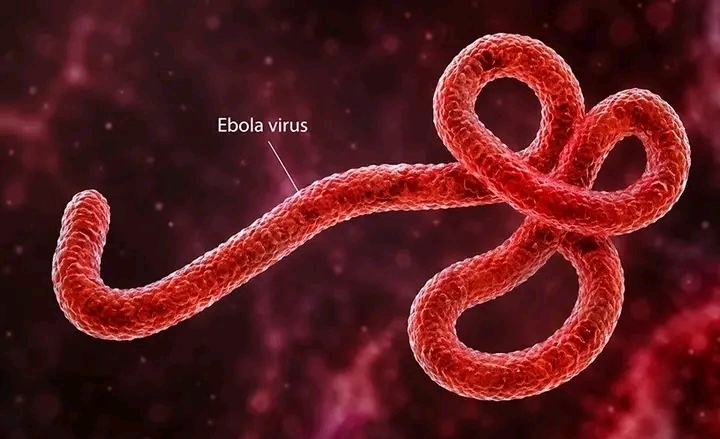
Kenya’s current outbreak involves Bundibugyo virus disease, a form of Ebola virus disease. The Ministry of Health confirmed the country’s first imported case on 6 October 2026 after a Kenyan citizen who had been living in the Democratic Republic of the Congo travelled to Kenya through Uganda.
The patient had reportedly been unwell for about a month and had received treatment at several hospitals in the Democratic Republic of the Congo before travelling to Nairobi. Following arrival in Kenya, he was assessed and isolated at a hospital, where laboratory testing confirmed Bundibugyo virus disease. He subsequently died.
The confirmation of the first case prompted the government to intensify contact tracing, laboratory testing, isolation arrangements and public health surveillance.In Kenya, the response has involved tracing contacts both within the country and internationally. According to the WHO, all 135 contacts associated with the initial case had been traced by 22 October 2026 and placed under quarantine.
Health teams use information about where a patient travelled, whom they met and where they received medical attention to identify possible exposures.
This work helps prevent infections from going undetected. If someone develops symptoms during quarantine, health workers can arrange immediate assessment, testing and transfer to an appropriate treatment facility.
The detection of additional infections among contacts already in quarantine demonstrates why the monitoring period must be completed. It also illustrates the importance of ensuring that people under observation have access to healthcare and receive regular checks.The 21-day quarantine period is based on the recognised incubation period of Ebola virus disease. Symptoms generally develop between two and 21 days after exposure.
During this period, people under observation may be asked to undergo regular temperature checks and assessments for symptoms such as fever, unusual tiredness, muscle pain, headache and sore throat.
Other possible symptoms include vomiting, diarrhoea and, in some cases, unexplained bleeding. However, bleeding is not necessarily an early or universal symptom of Ebola.
Anyone who develops symptoms after a possible exposure should inform health professionals immediately and disclose their exposure history. They should follow instructions from health authorities rather than attempting to manage a suspected infection without medical assistance.Government and WHO strengthen containment measures
The Ministry of Health is coordinating Kenya’s response with support from the World Health Organization and other public health partners.
The response includes surveillance, contact tracing, laboratory testing, patient care, infection prevention and control, screening at points of entry, and communication with affected communities.
The WHO has also supported Kenya with technical assistance and supplies intended to strengthen detection and response capacity. These measures are designed to help healthcare workers identify suspected cases, handle potentially infectious materials safely and protect patients and medical personnel. Public awareness and the fight against stigma
The release of the 20 contacts presents an opportunity for communities to understand how quarantine works and why people who have completed the required monitoring period should be welcomed back.
People who have been quarantined should not automatically be labelled as infected. Quarantine means that someone may have been exposed and requires observation; it does not mean that the person has tested positive for Ebola.
Stigmatising discharged contacts can cause unnecessary emotional distress and discourage other people from cooperating with health officials. Families and communities should therefore rely on verified medical guidance rather than rumours.What the update means for Kenya
The release of 20 contacts is a positive development, but it does not mean that the outbreak has ended. The remaining 98 contacts still require monitoring, while health authorities must continue investigating possible exposures and responding to suspected cases.
According to the latest reports, the government has not imposed general restrictions on travel, trade or public gatherings in response to the outbreak. The WHO has advised against unnecessary travel and trade restrictions and has emphasised evidence-based public health measures.

You Might Also Like
-
The October 28–29 summit provides a platform for discussions on trade, investment, agriculture, technology, peace and security, while the accompanying economic and humanitarian engagements offer further opportunities to explore cooperation. Kenya’s immediate economic interests include expandin
-
The reported inspection by Deputy President Kithure Kindiki of the Njoro–Beeston–Lawina–Elburgon road on October 27, 2026, highlights an important infrastructure project in Nakuru County. Official records confirm that the wider road programme covers approximately 40 kilometres, has a listed c
-
Former President Uhuru Kenyatta has cautioned Kenyans against fake social media accounts claiming to represent him, his family or his political activities. He has urged the public to verify information before believing or sharing online posts attributed to him. The warning highlights growing concern
-
Kenya’s Ministry of Health has confirmed the release of 20 Ebola contacts from quarantine after completing the required monitoring period without developing symptoms. However, the ministry warns that the outbreak is not yet contained, with 98 other contacts still under observation and expected to
-
Kenya's latest published forecast available for this report points to rainfall across numerous counties, including areas in the Coast, North Eastern, Eastern, Central, Western, Nyanza and Rift Valley regions. Particular attention is warranted in Mandera, Wajir and parts of the coastal region, where
-
The commencement of post-mortem examinations for the 24 victims of the Mtito Andei road accident is a crucial step in the process of identifying the deceased, documenting the causes of death and facilitating burial arrangements. The tragedy occurred at Kanga along the Nairobi–Mombasa Highway on Oc