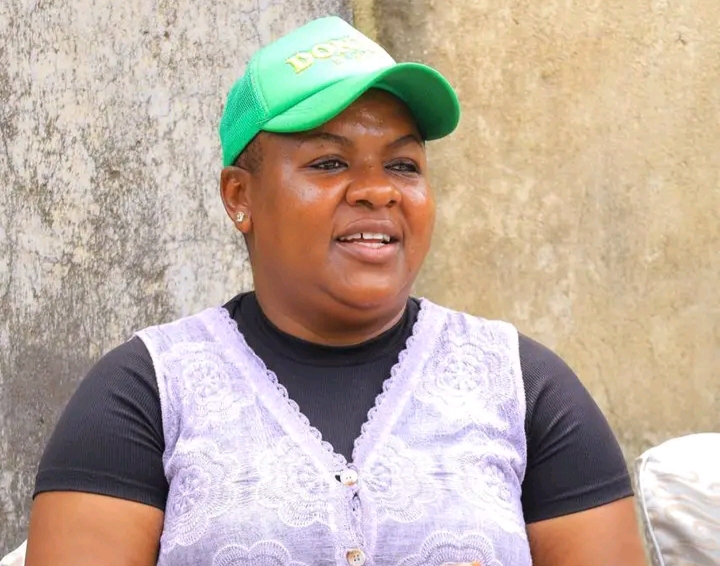
Kisii Woman Representative Demands Justice Over Theft of Electrical Equipment as Bonchari Residents Remain Without Power
The concerns raised by Kisii Woman Representative Dorice Donya over the theft of electrical equipment and the lack of electricity in parts of Bonchari highlight the importance of protecting public infrastructure and ensuring that rural communities benefit from essential services. Previous reports have documented transformer theft in Bonchari and wider Kisii County, while the September 2026 launch of a last-mile electricity project in Nyabiendi offered hope to more than 150 households. Residents now need effective investigations into any newly reported theft, accountability for those found responsible, timely repairs where necessary and continued efforts to connect underserved households.
Kisii County Woman Representative Dorice Donya Aburi has been vocal about the challenges facing residents of Bonchari Constituency, including inadequate electricity access and the theft and vandalism of electrical infrastructure. The issue has raised concerns about the safety of public utilities, the disruption of household activities and the need for authorities to ensure that those responsible for damaging or stealing electricity equipment are brought to justice.
Electricity access remains a major development concern in parts of Bonchari, where some families have lived for decades without a reliable connection. On September 25, 2026, a last-mile electricity connectivity project was launched in Nyabiendi village, targeting more than 150 households. The initiative was expected to expand access to electricity for residents who had relied on alternative lighting for generations. The theft of electrical equipment can have serious consequences for communities that depend on the infrastructure for domestic use, education, businesses and security. When transformers, cables or other essential components are stolen or vandalised, households can lose power, businesses may be forced to suspend operations, and the cost of restoring electricity can delay other planned connections.
Donya's calls for accountability reflect the wider concern among residents and leaders that public infrastructure should be protected and those responsible for criminal damage should face the law. However, specific details concerning the latest alleged theft, including the precise location, the equipment involved, the date of the incident and whether suspects have been arrested, require confirmation from the relevant authorities.Bonchari residents continue to face electricity challenges
Bonchari Constituency, located in Kisii County, has experienced electricity access challenges in several villages. For residents who have lived without power for many years, the problem affects more than lighting their homes. It also limits opportunities for education, business development, access to technology and improved living standards.Transformers regulate electricity distribution to consumers, while cables and conductors carry power through the network. The theft or destruction of these components can interrupt supply and force electricity providers to organise inspections, procure replacement equipment and carry out repairs before restoring service.
Kisii County has previously experienced incidents of electricity equipment theft. In July 2021, a report that the theft of a Kenya Power transformer near Bogiakumu Secondary School in Bonchari left residents without electricity. Local residents appealed for the transformer to be replaced and urged the community to report suspicious activity to the police. Impact on students and schools
Electricity plays an important role in education, particularly for learners who need to study at home after school hours.
In households without power, children may depend on rechargeable lamps, candles or kerosene lamps to complete assignments and revise for examinations. These alternatives may provide limited lighting and can increase household expenses.
Schools also require reliable electricity for a range of educational activities. Power supports computer laboratories, digital learning equipment, printing, communication and the use of modern teaching resources where those facilities are available.
When electricity infrastructure is vandalised, communities may lose opportunities to improve access to such services. Restoring power is therefore important not only for domestic comfort but also for creating a more supportive learning environment.The demand for justice requires effective cooperation between the police, electricity providers, local administration and members of the public.
Where a theft has been reported, investigators need to establish when the incident occurred, identify the equipment involved, gather statements from witnesses and examine any available evidence. They should also investigate possible buyers or dealers in stolen electrical materials where the evidence supports doing so.
Kenya Power has previously urged residents in Kisii County to remain vigilant and report suspicious activity around electricity installations. In May 2024, a report that the company's county business manager, Engineer Erick Momanyi, raised concerns about transformer theft and vandalism and called for cooperation between residents, electricity officials and administrative officers. REREC and Kenya Power have different but complementary roles in expanding and maintaining electricity access.
REREC implements rural electrification projects, including efforts to extend electricity to underserved communities. Kenya Power is responsible for electricity distribution and related customer services within its mandate.
The Nyabiendi project demonstrates the ongoing effort to extend electricity infrastructure to households that have remained outside the national grid for decades. The first phase targeted approximately 150 households, with the possibility of additional areas benefiting in subsequent phases. Residents affected by theft or vandalism need clear information about the status of their electricity supply, the extent of any damage and the expected steps towards restoration.
Authorities should also communicate whether a reported outage results from stolen equipment, a technical fault, incomplete connections or another cause. Clear communication would help residents understand the situation and avoid confusion about responsibility.
Preventive measures, including improved security around vulnerable installations, regular inspections and public awareness, may also help reduce future losses.A renewed call for equitable development in Bonchari
The electricity issue has broader implications for development in Bonchari. Residents need infrastructure that supports education, healthcare, commerce and household welfare.
The launch of the Nyabiendi project in September 2026 offered hope to families who had waited for decades for electricity. Nevertheless, the launch of a project does not automatically mean that every targeted household is already receiving power. Connections must be completed, installations checked and supply made available.
This distinction is important when assessing the progress of rural electrification programmes. The number of households targeted, the number physically connected and the number receiving a reliable supply are different measures of progress.For residents, the desired outcome is straightforward: electricity that is available, reliable and affordable, supported by infrastructure that is protected against criminal damage.
Donya's advocacy on electricity access and accountability has brought attention to the challenges facing the constituency. The next steps require practical action from the relevant agencies, including investigations into any confirmed theft, restoration of affected services and continued expansion of electricity connections.

You Might Also Like
-
The October 28–29 summit provides a platform for discussions on trade, investment, agriculture, technology, peace and security, while the accompanying economic and humanitarian engagements offer further opportunities to explore cooperation. Kenya’s immediate economic interests include expandin
-
The reported inspection by Deputy President Kithure Kindiki of the Njoro–Beeston–Lawina–Elburgon road on October 27, 2026, highlights an important infrastructure project in Nakuru County. Official records confirm that the wider road programme covers approximately 40 kilometres, has a listed c
-
Former President Uhuru Kenyatta has cautioned Kenyans against fake social media accounts claiming to represent him, his family or his political activities. He has urged the public to verify information before believing or sharing online posts attributed to him. The warning highlights growing concern
-
Kenya’s Ministry of Health has confirmed the release of 20 Ebola contacts from quarantine after completing the required monitoring period without developing symptoms. However, the ministry warns that the outbreak is not yet contained, with 98 other contacts still under observation and expected to
-
Kenya's latest published forecast available for this report points to rainfall across numerous counties, including areas in the Coast, North Eastern, Eastern, Central, Western, Nyanza and Rift Valley regions. Particular attention is warranted in Mandera, Wajir and parts of the coastal region, where
-
The commencement of post-mortem examinations for the 24 victims of the Mtito Andei road accident is a crucial step in the process of identifying the deceased, documenting the causes of death and facilitating burial arrangements. The tragedy occurred at Kanga along the Nairobi–Mombasa Highway on Oc