Post-Mortems Begin for 24 Victims of Mtito Andei Road Accident as Families Await Answers
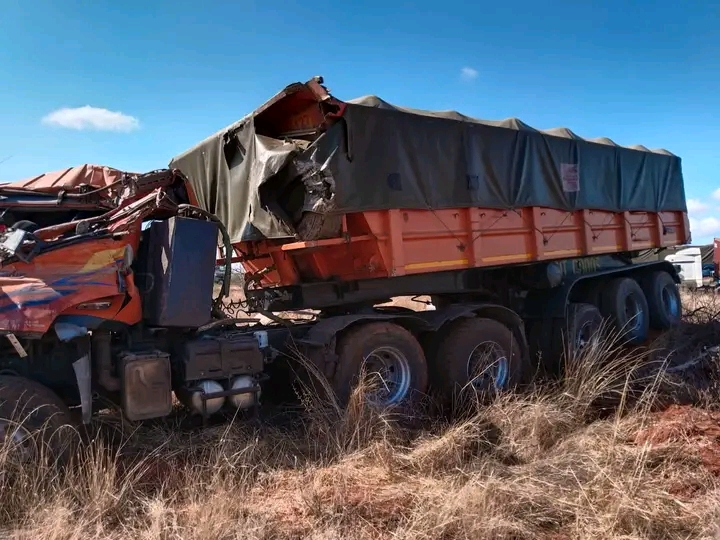
The commencement of post-mortem examinations for the 24 victims of the Mtito Andei road accident is a crucial step in the process of identifying the deceased, documenting the causes of death and facilitating burial arrangements. The tragedy occurred at Kanga along the Nairobi–Mombasa Highway on October 25, 2026, when a church bus collided with a truck. The crash also left survivors requiring medical attention. As families mourn their loved ones, the Makueni County Government's decision to waive hospital, mortuary and post-mortem bills offers some financial relief. Meanwhile, investigations into the collision and continued treatment of survivors remain important priorities. The tragedy is also a reminder that road safety requires the commitment of drivers, passengers, transport operators and government agencies. Preventing similar incidents will require responsible driving, effective enforcement of traffic regulations and careful investigation of serious crashes.
The commencement of post-mortem examinations for 24 victims of the tragic Mtito Andei road accident marks an important step in the process of identifying the deceased, establishing the causes of death and helping families prepare for burial. The incident has drawn attention to the dangers facing motorists and passengers on Kenya's highways, particularly along busy transport corridors used by public service vehicles, private motorists and heavy commercial trucks.
For families who lost their loved ones, the post-mortem process represents a painful but necessary stage in coming to terms with the tragedy. Beyond determining the medical causes of death, the examinations may help authorities establish the identities of victims where necessary and provide information required for official documentation and investigations.According to a report on October 26, 2026, families of the 24 people who died in the Mtito Andei road accident began identifying their loved ones as post-mortem examinations got underway. The examinations are expected to help facilitate the release of the bodies to their families for burial.
The accident occurred on Sunday, October 25, at Kanga, near Mtito Andei, along the Nairobi–Mombasa Highway in Makueni County. It involved a bus belonging to Power of the Word Church International and a truck. The passengers were reportedly returning from a burial in western Kenya when the collision occurred.
The start of the post-mortem process is a significant development for bereaved families who have been waiting for information about their relatives. For those whose loved ones died in sudden and traumatic circumstances, confirming identities and completing the necessary medical procedures are essential steps before burial arrangements can proceed.Post-mortem examinations, also known as autopsies, are medical procedures conducted after death to establish or confirm the cause of death. In a fatal road accident involving multiple victims, the examinations may help doctors document the injuries that proved fatal and distinguish the medical circumstances surrounding each death.
The examinations can be particularly important when victims have sustained severe injuries or when their identities cannot immediately be established through ordinary identification methods.
The process may involve:
Confirming the identity of each deceased person through available records and identification procedures.
Documenting injuries sustained during the collision.
Establishing the medical cause of death where possible.
Preparing medical documentation required for official records and burial arrangements.
Providing relevant findings to investigating authorities when legally required.Reports indicate that the victims were travelling in a church bus after attending a burial in western Kenya. Their journey back towards the Coast ended in a devastating collision with a truck on one of the country's busiest highways.
The Nairobi–Mombasa Highway is a major transport route linking the capital with the Coast. It serves public transport vehicles, private cars, long-distance buses and heavy commercial trucks transporting goods between major towns and ports.
The combination of heavy traffic, long journeys and interactions between vehicles of different sizes makes safe driving particularly important along this corridor.
Preliminary accounts of the Mtito Andei collision raised concerns about overtaking. The National Transport and Safety Authority was reported to have indicated that improper overtaking could have contributed to the accident. This remains a preliminary line of inquiry rather than a final determination of responsibility. Families face the painful task of identifying their loved ones
The identification of the deceased is one of the most difficult stages following a mass-casualty accident. Relatives who rushed to the relevant facilities must deal with grief while also completing the formal procedures necessary to identify and claim the bodies.
In some cases, identification can be straightforward where personal identification documents and other records are available. In other cases, the severity of injuries or missing personal belongings can complicate the process, requiring additional verification.
Reports on the Mtito Andei tragedy indicate that missing identification documents and personal belongings complicated the identification of some victims. Survivors continue receiving medical attention
While relatives prepare to bury the deceased, attention is also focused on the survivors who sustained injuries during the crash.
According to information reported,, Makindu General Hospital received 20 patients following the accident. Ten were admitted for further treatment, and one was placed in the intensive care unit. Three patients were referred to other facilities at their request, while other patients continued receiving medical attention.
The overall number of injured people reported in initial coverage was 23, although patients were taken to different medical facilities. Updates from hospitals are important because the conditions of seriously injured survivors may change as treatment progresses. Police investigations into the cause of the crash
Investigations are expected to establish the circumstances surrounding the collision at Kanga.
Initial accounts indicated that the bus may have been attempting to overtake a line of vehicles before the collision. The NTSA was reported to have identified improper overtaking as a possible contributing factor. Investigators will need to establish the precise sequence of events before reaching firm conclusionsThe Mtito Andei tragedy has renewed concerns about the number of lives lost on Kenya's roads.
The Nairobi–Mombasa Highway is essential to the country's economy because it supports passenger movement, tourism, freight transportation and trade. Its importance also means that road safety must remain a priority for drivers, transport operators and enforcement agencies.
Makueni Deputy Governor Lucy Mulili appealed to motorists to exercise caution and avoid driving when tired following the accident. Her warning highlighted the dangers associated with fatigue, particularly during long journeys.The impact on religious communities
The loss of members of a church community can affect far more people than those directly involved in an accident.
Religious communities often function as extended families, providing spiritual guidance, social support and practical assistance to members. When several people die in one incident, congregations can experience collective grief and uncertainty.
The Mtito Andei crash involved members travelling in a church bus after attending a burial in western Kenya. The incident has therefore affected families as well as people connected to the wider religious community. What happens after the post-mortems?
Once the examinations and necessary identification procedures are completed, the relevant authorities can facilitate the release of bodies to families for burial, subject to the applicable requirements.
Families will then be able to finalise funeral arrangements, coordinate transport and make plans for burial ceremonies.
The medical findings may also become part of the official documentation relating to the deaths. Where necessary, relevant evidence can be provided to investigating authorities as they work to establish the circumstances of the accident.
The next steps will include continued medical care for survivors, communication with affected families and follow-up investigations into the collision

You Might Also Like
-
The October 28–29 summit provides a platform for discussions on trade, investment, agriculture, technology, peace and security, while the accompanying economic and humanitarian engagements offer further opportunities to explore cooperation. Kenya’s immediate economic interests include expandin
-
The reported inspection by Deputy President Kithure Kindiki of the Njoro–Beeston–Lawina–Elburgon road on October 27, 2026, highlights an important infrastructure project in Nakuru County. Official records confirm that the wider road programme covers approximately 40 kilometres, has a listed c
-
Former President Uhuru Kenyatta has cautioned Kenyans against fake social media accounts claiming to represent him, his family or his political activities. He has urged the public to verify information before believing or sharing online posts attributed to him. The warning highlights growing concern
-
Kenya’s Ministry of Health has confirmed the release of 20 Ebola contacts from quarantine after completing the required monitoring period without developing symptoms. However, the ministry warns that the outbreak is not yet contained, with 98 other contacts still under observation and expected to
-
Kenya's latest published forecast available for this report points to rainfall across numerous counties, including areas in the Coast, North Eastern, Eastern, Central, Western, Nyanza and Rift Valley regions. Particular attention is warranted in Mandera, Wajir and parts of the coastal region, where
-
The discharge of 20 people from Ebola quarantine on 26 October 2026 marks an important step in Kenya’s efforts to contain the Bundibugyo virus disease outbreak. The individuals completed the mandatory 21-day monitoring period without symptoms and were released after health assessments. However, 9