



President Approves Finance Bill at State House, Says New Law Promotes Tax Fairness
President Approves Finance Bill at State House, Says New Law Promotes Tax Fairness
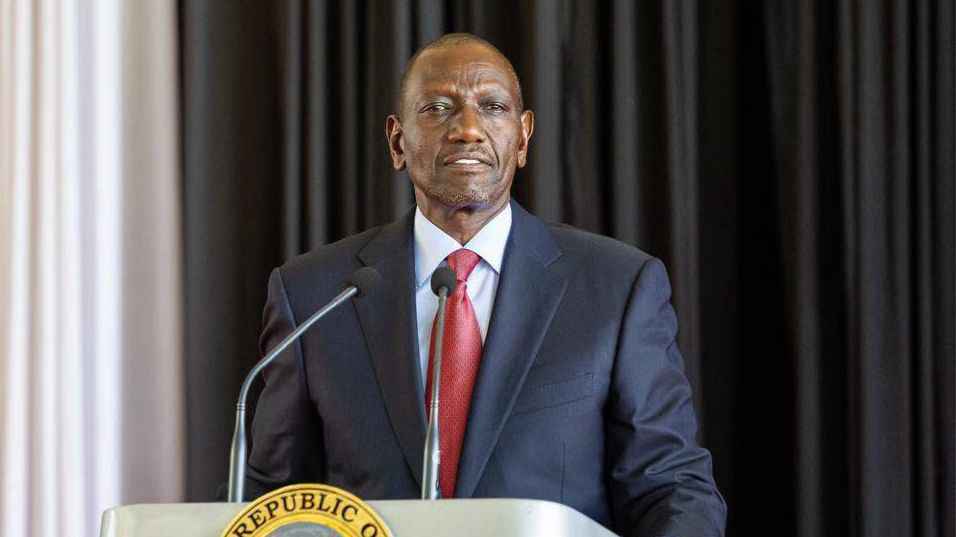
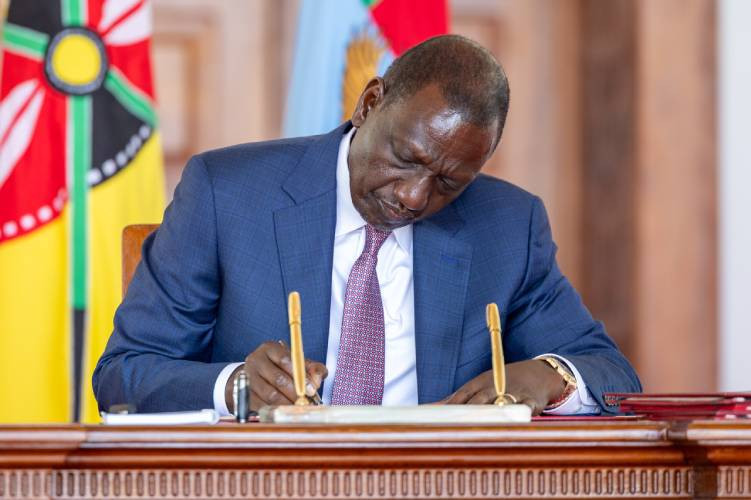
On Tuesday, President William Ruto signed the Finance Bill 2026 into law at State House, Nairobi, clearing the way for the implementation of various tax and revenue measures outlined in the legislation.
The signing was witnessed by senior government officials, including representatives from the National Treasury and lawmakers who had championed the Bill's progression through Parliament.
At the event, Ruto emphasized that the new law resulted from broad public consultation and was intended to promote fairness in tax collection without adding extra burdens on ordinary citizens.
He noted that prior to the Bill's passage, Parliament had carried out extensive public participation and set up digital platforms for Kenyans to offer input. He stressed that the law does not introduce higher taxes for everyday Kenyans but instead seeks to improve equity by strengthening compliance, closing loopholes, and ensuring that all individuals and businesses pay what is legally required.
The President further stated that the enactment of both the Finance Act and the Appropriation Act provides the government with the necessary resources to pursue its development goals.
He remarked that with his approval of the Finance Bill, Kenya now possesses both the legal foundation and the financial means to fund its priorities, generate employment, improve livelihoods, and invest in the future through the Bottom-Up Economic Transformation Agenda.
Ruto also observed that the national budget represents more than just a record of income and expenditure—it reflects the nation's strategic priorities.
He rejected allegations that the government had suggested new taxes on land, second-hand clothing, or bottled water, labeling such claims as untrue.
He clarified that contrary to rumors and false information, no taxes were proposed on freehold land or any other type of land, nor on mitumba (used clothing). He also denied any changes to rental income tax or any proposal to tax bottled water.
The President acknowledged that some of the public discourse around the Finance Bill had been fueled by misinformation, and reiterated that the law's provisions are geared toward boosting tax compliance, curbing revenue losses, and establishing a more balanced tax system.
Last week, the National Assembly passed the Finance Bill, 2026, in its Third Reading with 122 votes in favor and 40 against.
The vote is part of the government's strategy to fund the Sh4.8 trillion budget for the 2026–27 fiscal year.
Despite a unified opposition front, the government's parliamentary majority ensured the Bill's passage. Lawmakers allied with President Ruto and the broad-based coalition supported the Bill, while those aligned with impeached former Deputy President Rigathi Gachagua opposed it. Gachagua had instructed his allies to reject the Bill and push for a division vote to publicly document each legislator's stance.
With the Bill now passed, it will be submitted to the President for assent, after which it will officially become law.

You Might Also Like
-
A new government report has ranked ministries and state agencies by performance, highlighting both top achievers and underperformers.
-
President Ruto has announced that Kenya's inaugural National Ambulance Dispatch Centre is scheduled to be operational by July.
-
Teachers are pressing for clarification regarding an unexplained Ksh.108 rise in PAYE deductions on their June pay slips.
-
Wanjigi rejects United Opposition budget, launches alternative tax plan
-
Swiss Voters Reject 10 Million Population Cap
-
The Energy and Petroleum Regulatory Authority (EPRA) has lowered the prices of petrol and diesel in its monthly review effective June 15, 2026.