Stakeholders Raise Concerns Over Proposed Dangote Refinery in Lamu as Calls for Transparency Intensify
The proposed Dangote refinery in Lamu has the potential to become a significant part of Kenya's industrial and energy ambitions. Its planned capacity, scale of investment and potential regional market could create opportunities in petroleum processing, manufacturing, logistics and employment. However, stakeholders are raising serious concerns about land compensation, environmental protection, fishing livelihoods, water resources, public participation, security and financial transparency. Save Lamu and other community groups have called for key project documents to be disclosed and outstanding grievances to be addressed. Fishermen want assurances that their fishing grounds will be protected, while affected landowners are demanding fair treatment and clarity on compensation. Youth leaders are seeking meaningful access to employment and business opportunities.
The proposed Dangote oil refinery in Lamu County has sparked growing debate among environmental activists, fishermen, local residents, landowners, youth leaders and policy experts. Although the multibillion-shilling investment is expected to strengthen Kenya’s energy sector, create employment and support industrial development, stakeholders are demanding greater transparency, proper environmental assessments, fair compensation for affected families and meaningful public participation before the project advances further.
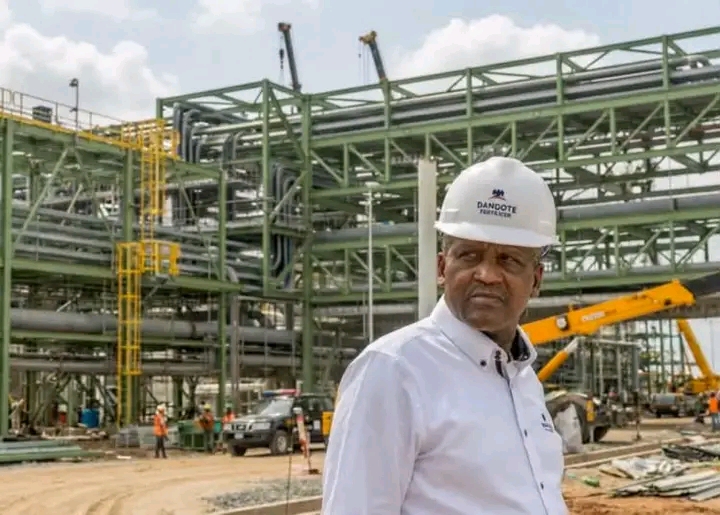
The concerns intensified following the refinery’s groundbreaking ceremony on September 30, 2026, and subsequent calls by community organisations for the government and the investor to address outstanding grievances. On October 9, environmentalists, fishermen and community representatives under the Save Lamu coalition issued a 14-day ultimatum demanding the disclosure of key project documents and a clear explanation of how the investment would affect local communities. The proposed refinery is associated with Nigerian billionaire Aliko Dangote and his Dangote Group. The project, referred to as the Dangote East Africa Petroleum Refinery and Petrochemicals project, is planned for the Kwasasi and Magogoni areas of Lamu County.
Reports have placed the estimated investment at approximately KSh2.1 trillion to KSh2.2 trillion, with a proposed processing capacity of 700,000 barrels of crude oil per day. Plans have also included a power-generation facility with a proposed capacity of 1,000 megawatts. These figures describe the announced project, rather than completed facilities.One of the most prominent groups raising concerns is Save Lamu, a coalition of community organisations advocating for sustainable development and the protection of Lamu's environmental, social and cultural heritage.
The organisation has questioned whether the government and project proponents have provided sufficient evidence that the legal and regulatory requirements for such a large investment have been fulfilled.
According to reports ,Save Lamu has called for the publication of essential documents, including the project's environmental assessments, relevant decisions and licence conditions from the National Environment Management Authority (NEMA), and records demonstrating meaningful public participation. Land ownership and compensation are among the most sensitive issues surrounding the proposed refinery. Some residents say that land intended for the project includes areas where families have lived, cultivated crops, grazed livestock and maintained homes and cultural sites for generations.
Affected residents fear that industrial development could deprive them of their livelihoods and ancestral connections to the land without adequate compensation or resettlement arrangements.
In September 2026, 133 residents from Chandavai filed a case at the Malindi Environment and Land Court seeking to stop further development, arguing that their ancestral land had been taken without proper compensation or resettlement. The petitioners sought court orders to prevent activities that they said could destroy crops, homes and cultural sites. These are allegations presented by the residents and should be distinguished from findings made by a court. Environmental protection is another major issue raised by stakeholders. Lamu's coastal ecosystem supports fishing, tourism, mangroves, coral reefs and other forms of marine life. Communities depend on these natural resources for food, employment and cultural activities.
Environmentalists are concerned that a refinery of the proposed size could affect air quality, marine habitats and water resources if its operations are not properly assessed and regulated.
Potential risks associated with petroleum refining include accidental oil spills, industrial wastewater discharge, air pollution, hazardous waste and emissions from processing operations. These are potential risks that require careful assessment; they should not be treated as evidence that pollution has already occurred at the proposed site.Youth unemployment and demands for local jobs
Employment is one of the biggest expectations surrounding the proposed refinery. Lamu residents recognise that a major industrial investment could create opportunities for young people, skilled professionals, transport operators, suppliers and local businesses.
However, youth leaders have warned that the community could be left out if recruitment and procurement are not transparent.Security concerns surrounding Lamu
Security has also emerged as an important issue in discussions about the refinery.
In September 2026, Muslims for Human Rights (MUHURI), led by director Khelef Khalifa, called for the government to address security concerns and night-time movement restrictions along the Lamu–Malindi corridor before proceeding with major commitments to the investment.
The organisation argued that an industrial project requiring workers, contractors, suppliers and the movement of goods needs a secure operating environment. It also questioned the continued restrictions on residents' movement and called for applicable court orders to be respected. Financial transparency and the risk of a costly investment
The proposed refinery has also attracted scrutiny over its financing and long-term commercial viability.
At an estimated cost of approximately KSh2.1 trillion to KSh2.2 trillion, the investment is exceptionally large. Stakeholders want clarity about how it will be financed, whether public funds or government guarantees will be involved, and what obligations Kenya could assume.
The International Policy Group has highlighted the possibility that the refinery could face commercial risks as countries increasingly expand renewable energy and electric mobility. It has also argued that developing petrochemicals, fertilisers and other industrial products could diversify revenue streams.What the government and investor are expected to address
The concerns raised by residents and civil society organisations point to several practical steps that could help move the project forward responsibly.
First, the government and investor should publish the applicable environmental and social assessments, licensing decisions and relevant conditions, together with a clear explanation of outstanding regulatory requirements. Second, all affected landowners and occupants should be identified through a transparent process. Disputes over ownership, valuation, compensation and resettlement should be handled through lawful procedures.
Third, communities should receive detailed information about employment, training, procurement and the expected distribution of economic benefits.
Fourth, the investor should publish credible plans for water supply, wastewater treatment, air-quality monitoring, oil-spill prevention and the protection of marine ecosystems.
Fifth, the government should clarify the financing arrangements and any public financial commitments connected to the investment.
Finally, there should be accessible mechanisms through which residents can raise complaints, seek remedies and monitor the project's compliance with agreed safeguards.The controversy surrounding the proposed refinery reflects a broader development challenge facing Kenya. Large investments can support economic growth, improve infrastructure and create employment, but their benefits are less likely to be sustainable when affected communities feel excluded.
Lamu's residents are asking for development that recognises both national economic interests and local realities. Their concerns involve not only the future refinery but also the protection of land, fishing grounds, cultural heritage and existing livelihoods.
The government must balance its ambition to attract investment with its responsibilities to protect citizens' constitutional rights and enforce environmental regulations.
The investor, meanwhile, has an opportunity to demonstrate that a major industrial project can be developed through transparent engagement, responsible business practices and respect for the communities hosting it.

You Might Also Like
-
 The negotiations between Nyamira County ECDE teachers and the county government marked an important step towards resolving a dispute that had disrupted early childhood education. The September 21, 2026, agreement addressed the central issues of salary adjustments, formal recognition of KUNOPPET, re
-
Nairobi Governor Johnson Sakaja has revealed that the 16-storey building that collapsed in Eastleigh had no occupation certificate, raising concerns over compliance with construction regulations and building safety standards. Meanwhile, multi-agency rescue teams are using excavators and sniffer dogs
-
The development agenda associated with Aden Duale and John Mbadi brings together two important areas of government responsibility: healthcare delivery and economic planning. Duale's portfolio is relevant to strengthening medical services and improving access to essential healthcare, while Mbadi's Tr
-
A multi-storey building under construction has collapsed along 9th Street in Eastleigh, Nairobi, raising fears that several people may be trapped beneath the rubble. The incident has sparked concern among residents, traders and passers-by, with attention focused on rescue efforts and efforts to esta
-
The reported call by ACK Archbishop Jackson Ole Sapit for the government to strengthen measures against Ebola highlights the importance of preparedness, accountability and cooperation in protecting public health. Kenya needs adequate protective equipment, trained healthcare workers, functional isol
-
The Kenya Medical Association's call for adequate protective equipment highlights a fundamental requirement for effective Ebola prevention: healthcare workers must be protected before they can safely protect others. The government, county administrations and hospital managers need to ensure that PP