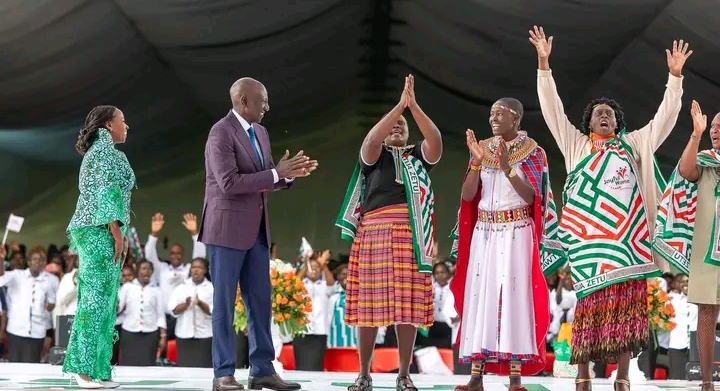
17 Years of Empowering Women! President Ruto Leads Joyful Women Anniversary Celebrations at State House as Thousands Benefit from Financial Independence
The 17th anniversary celebrations of Joyful Women Organization at State House on November 24, 2026, mark an important chapter in Kenya's efforts to promote women's economic independence. With President William Ruto leading the celebrations, the occasion recognises an organisation that began with approximately 60 women under a tree in Eldoret North in 2009 and has grown into a national movement with more than 250,000 members across 44 counties. Through table banking, entrepreneurship, agricultural projects, financial literacy and community support, JOYWO has created opportunities for women to save, access affordable loans and establish income-generating activities. The anniversary also celebrates First Lady Mama Rachel Ruto's vision of helping women overcome financial challenges and take control of their economic future. As the organisation enters its 18th year, its continued focus on financial inclusion, business development and women's leadership will remain important in building stronger families, empowering communities and contributing to Kenya's economic transformation.
The Joyful Women Organization (JOYWO) is celebrating 17 years of promoting women's economic empowerment, financial independence and social transformation in Kenya. The anniversary celebrations are taking place at State House, Nairobi, with President William Ruto leading the event in recognition of the organisation's contribution to improving the lives of thousands of women across the country.
The celebrations mark an important milestone for an organisation that has spent nearly two decades helping women overcome financial challenges, establish businesses, support their families and become economically independent. Founded in 2009 by First Lady Mama Rachel Ruto, JOYWO has grown from a small grassroots initiative into a national movement that promotes financial inclusion through table banking and other empowerment programmes.The 17th anniversary is not only an opportunity to celebrate the organisation's achievements but also to recognise the determination of Kenyan women who have worked together to improve their economic circumstances. It highlights the importance of giving women access to affordable financial services, business opportunities, knowledge and skills that enable them to participate actively in the country's economic development.
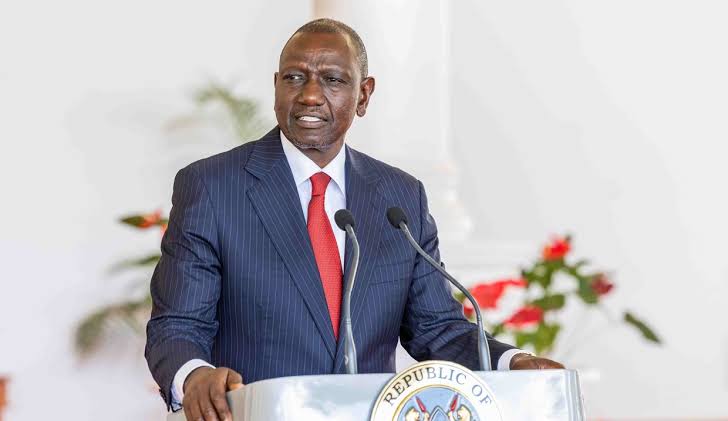
According to coverage of Tuesday's event, President William Ruto led the State House celebrations, which focused on recognising JOYWO's contribution to women's economic transformation. The organisation's journey demonstrates how collective savings, financial discipline and community support can create opportunities for women who might otherwise struggle to access conventional banking services. The encounter made Rachel reflect on the difficulties experienced by women who lacked adequate financial resources to support themselves and their families. She became interested in finding a lasting solution that would enable women to improve their livelihoods rather than depending entirely on temporary assistance.
After spending time exploring possible approaches to women's economic empowerment, the idea of table banking emerged as a practical solution.
On August 31, 2009, approximately 60 women gathered under a tree in Eldoret North to establish what would eventually become Joyful Women Organization.
What began as a small community initiative has since expanded into a nationwide movement, demonstrating the importance of collective responsibility and financial inclusion.Table banking is a community-based financial model that brings women together in organised groups where they save money, contribute resources and provide loans to one another.
Under this arrangement, members meet regularly and make financial contributions according to their agreed arrangements. The money collected is made available to members who need loans to start businesses, expand existing enterprises, invest in farming or meet other important financial needs.
Unlike conventional banking systems, which may require extensive documentation, collateral and formal financial records, table banking provides a more accessible option for women who may not qualify for traditional loans.
Through this approach, women are encouraged to develop a savings culture and learn how to manage their finances responsibly.
The system also promotes accountability because members work together, agree on lending arrangements and monitor the repayment of loans.The organisation also reports that its members have mobilised approximately KSh3.9 billion in revolving funds. These resources provide opportunities for women to access loans and invest in income-generating activities.
Its growth demonstrates the importance of grassroots initiatives in addressing financial exclusion, especially among women in rural communities.
The organisation has also established thousands of women's groups, allowing members to share experiences, exchange business ideas and support one another in pursuing financial goals.
Beyond the financial figures, JOYWO's achievements can be seen in the growing number of women participating in entrepreneurship, agriculture, household development and community leadership.
The 17th anniversary therefore recognises the contribution of women who have remained committed to saving, borrowing responsibly and investing in their future.For many years, women in different communities have experienced challenges accessing financial resources, business opportunities and employment. Some have depended entirely on their spouses or relatives to meet their personal and household needs.
JOYWO seeks to address these challenges by providing women with opportunities to generate their own income.
Through table banking, women can obtain capital to establish businesses and develop projects that provide regular income.
For example, a woman can use an affordable loan to start a grocery shop, purchase livestock, establish a tailoring business or invest in agricultural production.JOYWO recognises the importance of supporting women who participate in agricultural activities by providing opportunities for savings, credit and skills development.
Women can use financial support to purchase seeds, fertilisers, livestock and other agricultural inputs.
Others can invest in poultry farming, dairy farming, horticulture and other agricultural enterprises.
These activities can improve household food security while creating additional sources of income.
The organisation also supports entrepreneurship by encouraging women to establish and expand businesses.
Small businesses play an important role in creating employment and strengthening local economies. When women receive financial support and business knowledge, they are better positioned to turn their ideas into sustainable enterprises.The government's development agenda recognises the role of women in driving economic growth, creating employment and improving the living standards of families.
Financial inclusion is particularly important because many small-scale entrepreneurs require affordable capital to establish and expand their businesses.
Programmes supporting access to credit, enterprise development and financial services can help women participate more effectively in the economy.
The State House celebrations also provide an opportunity to recognise the work of community-based organisations such as JOYWO in complementing wider national development efforts.
Women's economic empowerment should not be viewed as an issue affecting women alone. It has wider implications for families, children, communities and the national economy.Her vision was based on the understanding that women needed sustainable financial opportunities to improve their circumstances.
Rather than establishing an organisation that would only provide temporary assistance, she championed a model that encourages women to save, borrow, invest and work together.
Her involvement has helped bring attention to the importance of grassroots women's organisations and the need to strengthen financial inclusion.
Through JOYWO, women from different economic backgrounds have been encouraged to organise themselves into groups and identify opportunities for improving their livelihoods.
The organisation has also demonstrated that women can become important drivers of development when they are given access to resources and opportunities.The celebration of 17 years of JOYWO comes at a time when economic independence remains an important concern for many Kenyan households.
Women contribute significantly to agriculture, trade, education, healthcare and other sectors of the economy.
However, access to affordable credit and business opportunities remains a challenge for many women, particularly those operating small businesses in rural and underserved areas.
Organisations such as JOYWO help bridge this gap by creating opportunities for women to access financial services through collective action.
Economic empowerment can also help reduce vulnerability to poverty and strengthen women's participation in decision-making.Some women continue to experience difficulties accessing capital, identifying reliable markets and managing expanding businesses.
Others face challenges associated with high production costs, limited infrastructure, financial literacy and competition from established enterprises.
For JOYWO, the next stage of development will require strengthening its existing groups while reaching women who have not yet benefited from its programmes.
There is also a need to improve access to digital financial services, business training and market opportunities.
The organisation's website highlights digital literacy, agribusiness, financial inclusion and sustainable development as important areas of its work.

You Might Also Like
-
**HEADLINE:** IEBC CHAIRPERSON ETHEKON QUESTIONS PRACTICALITY AND COST OF LIVESTREAMING RESULTS FROM 50,000 POLLING STATIONS **NEWS ARTICLE:** Independent Electoral and Boundaries Commission (IEBC) Chairperson Erastus Ethekon has questioned the practicality of livestreaming electoral activi
-
The meeting convened by Interior Cabinet Secretary Kipchumba Murkomen, attended by PS Raymond Omollo, IG Douglas Kanja, DIG Eliud Lagat, DIG Gilbert Masengeli and leaders from Isiolo and Garissa, marks an important government intervention following the recent deadly inter-community clashes. The eig
-
Football Kenya Federation (FKF) has partnered with the Kenya Red Cross Society in an agreement valued at approximately KSh54 million aimed at strengthening medical preparedness and emergency response across Kenyan football. The collaboration seeks to improve the safety and welfare of players, coache
-
President William Ruto has announced an increase in Hustler Fund borrowing limits for approximately 4.5 million Kenyans who have demonstrated responsible repayment behaviour. The move is aimed at expanding access to affordable credit, supporting small-scale traders and entrepreneurs, and strengtheni
-
By combining KIMC's expertise in media and communication with TSC's responsibility for teacher development, the initiative seeks to prepare educators for emerging learning areas under the Competency-Based Education curriculum. The training in Media Technology, Theatre and Film, Creative Arts, Music
-
The Kenya Defence Forces (KDF) has announced that candidates shortlisted for the December 2026 recruitment exercise will not be issued with physical calling letters. Instead, applicants will undergo biometric verification to confirm their identities when reporting for the recruitment process. The cl