FKF and Kenya Red Cross Sign KSh54 Million Partnership to Strengthen Medical Preparedness in Kenyan Football
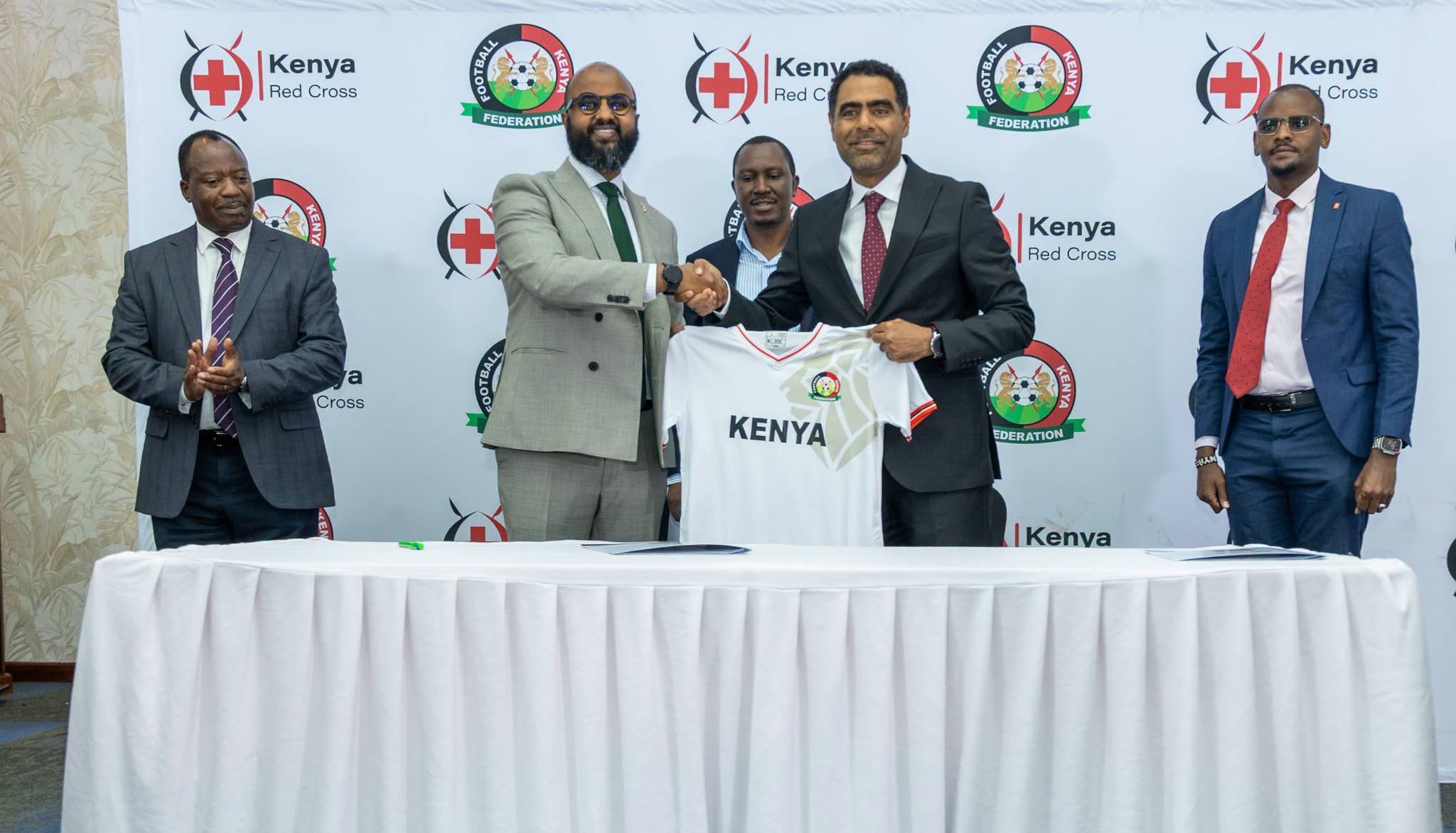
Football Kenya Federation (FKF) has partnered with the Kenya Red Cross Society in an agreement valued at approximately KSh54 million aimed at strengthening medical preparedness and emergency response across Kenyan football. The collaboration seeks to improve the safety and welfare of players, coaches, match officials, supporters and other participants during football matches, training sessions and sporting events. Through the partnership, the two organisations are expected to strengthen emergency response arrangements and promote better preparedness when medical incidents occur. The initiative highlights the growing importance of player welfare and the need for reliable medical support within the country's football sector, including grassroots competitions and major leagues. It also reflects efforts to improve standards in Kenyan football by ensuring that health and safety receive the attention they deserve alongside talent development, competition and infrastructure. The success of the KSh54 million agreement will depend on its implementation and the extent to which the planned support reaches football activities across the country.
Football Kenya Federation (FKF) has entered into a major partnership with the Kenya Red Cross Society valued at approximately KSh54 million, in a move aimed at improving medical preparedness, strengthening emergency response and enhancing the safety of players and other participants in football activities across the country.
The partnership is expected to strengthen the capacity of football stakeholders to respond to medical emergencies during matches, training sessions and other football-related events. It brings together two organisations whose responsibilities and experience could play an important role in improving the management of health and safety risks within Kenyan football.
Football is one of the most popular sporting activities in Kenya, attracting thousands of players, coaches, officials, supporters and other participants. From grassroots competitions to national leagues, the sport continues to provide opportunities for young people, promote talent development and bring communities together. However, football activities also come with medical risks that require proper preparation and reliable emergency response systems.
Players can suffer injuries during training and competitive matches, while supporters and officials may also experience medical emergencies at sporting venues. In some cases, the ability to provide immediate assistance can make a significant difference in protecting lives and preventing injuries from becoming more serious.
Through the KSh54 million partnership, FKF and the Kenya Red Cross Society intend to improve the medical support available within the football environment. The collaboration is expected to place greater emphasis on preparedness, emergency response and the ability to manage medical incidents when they occur.
The agreement represents an important step towards recognising medical preparedness as a key component of football administration. While attention in the sport often focuses on competition, player performance, coaching and results, medical safety remains equally important in ensuring that football activities are conducted responsibly.
One of the central areas addressed by the partnership is the need to improve emergency response during football activities. Medical incidents can happen unexpectedly, making it necessary for organisers and football authorities to have arrangements that allow affected individuals to receive assistance as quickly as possible.
During a football match, for example, a player may suffer a serious injury following a collision, experience breathing difficulties or develop another condition requiring immediate medical attention. In such circumstances, delays in accessing assistance may increase the risk of complications.
The presence of trained responders and appropriate emergency arrangements can help ensure that incidents are handled in an organised manner. It can also help establish clearer procedures for assessing injuries, providing initial assistance and arranging further medical attention where necessary.
The involvement of the Kenya Red Cross Society is significant because of its humanitarian and emergency response role. Its experience in responding to emergencies provides an opportunity for football stakeholders to strengthen their understanding of medical preparedness and the importance of having appropriate systems in place.
The partnership is therefore expected to support efforts to improve how medical emergencies are handled within Kenyan football. It also highlights the importance of cooperation between sports institutions and organisations with experience in emergency response.
Player welfare remains one of the most important responsibilities of football administrators. Athletes are exposed to physical demands that can sometimes result in injuries, particularly during highly competitive matches and intensive training sessions.
Common football injuries include muscle strains, ligament injuries, fractures and head injuries. Although some incidents may be minor, others can require urgent medical assessment and specialised treatment.
Having appropriate medical arrangements at sporting events can help ensure that players receive attention when they need it. It can also help coaches, referees and team officials understand how to respond when an athlete is injured.
The partnership between FKF and the Kenya Red Cross Society is expected to contribute to a safer environment for players by strengthening the attention given to medical preparedness. This is particularly important for competitions involving young athletes, who may require additional protection and guidance when participating in organised sport.
Beyond players, football events bring together referees, coaches, match officials, volunteers and supporters. Any of these individuals may experience a medical emergency while attending or participating in a match.
A comprehensive approach to medical preparedness should therefore consider the safety of everyone involved in football activities. Strengthening emergency response arrangements can help ensure that sporting venues are better prepared to handle incidents affecting different categories of participants.
The KSh54 million agreement also comes at a time when football administrators continue to face expectations to improve the overall organisation and management of the sport.
For Kenyan football to develop sustainably, investment must go beyond the playing field. Areas such as infrastructure, coaching, officiating, talent development, administration and player welfare all contribute to the growth of the game.
Medical preparedness is an important part of this wider development agenda. A competition cannot be considered properly organised if the safety and health needs of participants are not given adequate attention.
The collaboration between FKF and the Kenya Red Cross Society provides an opportunity to strengthen the medical component of football administration. It also demonstrates the potential benefits of involving organisations outside the traditional sporting structure in efforts to improve the game.
Through partnerships of this nature, football authorities can access specialised experience and support that may help address challenges that cannot be handled by sports administrators alone.
The involvement of the Kenya Red Cross Society could also help promote greater awareness of emergency preparedness among football stakeholders. Coaches, team officials, referees and event organisers all have roles to play in ensuring that medical incidents are identified and handled appropriately.
While major football competitions often attract attention because of their large audiences and high-profile participants, grassroots football also requires proper medical arrangements.
Across Kenya, young players participate in school competitions, community tournaments, county leagues and local football programmes. These activities provide an important foundation for talent identification and development.
However, grassroots competitions may face challenges related to access to medical personnel, emergency equipment and reliable referral arrangements. Some matches take place in areas where medical facilities are not immediately accessible, making preparation especially important.
Strengthening medical preparedness across the football structure could help address some of these challenges. It would also reinforce the message that player welfare should not be limited to professional or elite competitions.
Young footballers deserve safe environments in which they can develop their abilities without unnecessary exposure to preventable risks. Providing appropriate emergency arrangements during matches and training sessions is one way of supporting that objective.
The partnership could therefore contribute to broader discussions about how medical safety can be integrated into football activities at different levels. Its long-term value will depend on how effectively the collaboration reaches the various parts of the football system.
The Kenya Red Cross Society is widely associated with humanitarian assistance, emergency response and support to communities affected by different forms of emergencies.
Its involvement in the football sector provides an opportunity to apply relevant emergency preparedness experience within a sporting environment. Football events require organised responses because incidents can occur in front of large crowds and under circumstances that demand quick decision-making.
Emergency response also involves more than simply having medical personnel present. It requires preparation, coordination, clear communication and an understanding of the steps that should be followed when an incident occurs.
The collaboration with FKF is expected to strengthen this area by bringing together the federation's football structures and the Red Cross Society's emergency response experience.
Such cooperation can help reinforce the importance of planning ahead rather than waiting until an emergency happens. Organisers who understand potential risks and prepare appropriate responses are better positioned to manage unexpected situations.
The partnership also highlights the importance of building relationships between sporting institutions and humanitarian organisations. These partnerships can help create opportunities for knowledge-sharing and improved coordination.
The success of the KSh54 million partnership will ultimately depend on how effectively the planned activities are implemented and how widely the benefits are felt across Kenyan football.
Stakeholders will be keen to see how the agreement translates into practical improvements in medical preparedness, particularly during competitive matches and other organised sporting activities.
Effective implementation will require cooperation between FKF, the Kenya Red Cross Society, clubs, regional football associations and other relevant stakeholders. Football organisers will also need to understand their responsibilities in supporting medical safety arrangements at different levels of competition.
The partnership provides an opportunity to strengthen coordination and encourage football stakeholders to take emergency preparedness more seriously. It could also help promote a culture in which medical safety is treated as an essential part of organising sporting events.
The KSh54 million investment further reflects the importance of allocating resources towards protecting the people who make football possible. Players and supporters contribute to the growth of the sport, and their safety should remain a priority for all institutions involved.
The partnership between Football Kenya Federation and the Kenya Red Cross Society marks an important development in efforts to strengthen medical preparedness within the country's football sector.
By committing approximately KSh54 million to the collaboration, the two organisations are seeking to improve emergency response and reinforce the importance of protecting players and other participants.
The agreement also provides an opportunity to address medical preparedness as part of the wider efforts to improve football standards in Kenya. Stronger emergency response arrangements can contribute to safer sporting environments while giving players, officials and supporters greater confidence when attending football events.
As the partnership progresses, attention will focus on its implementation and the practical benefits it delivers to football activities across the country. Its impact will be measured not only by the resources committed but also by improvements in preparedness, coordination and the ability to respond to medical emergencies.
For Kenyan football, the collaboration is a reminder that the development of the sport must include more than competitive success. Protecting lives, promoting player welfare and ensuring that sporting events are conducted safely are equally important responsibilities.
The KSh54 million partnership therefore represents an investment in the health and safety of the football community, with the potential to strengthen emergency response systems and support the continued growth of the game in Kenya.

You Might Also Like
-
**HEADLINE:** IEBC CHAIRPERSON ETHEKON QUESTIONS PRACTICALITY AND COST OF LIVESTREAMING RESULTS FROM 50,000 POLLING STATIONS **NEWS ARTICLE:** Independent Electoral and Boundaries Commission (IEBC) Chairperson Erastus Ethekon has questioned the practicality of livestreaming electoral activi
-
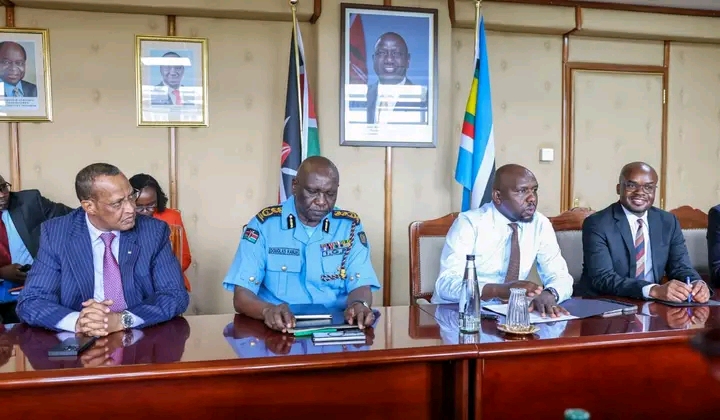
The meeting convened by Interior Cabinet Secretary Kipchumba Murkomen, attended by PS Raymond Omollo, IG Douglas Kanja, DIG Eliud Lagat, DIG Gilbert Masengeli and leaders from Isiolo and Garissa, marks an important government intervention following the recent deadly inter-community clashes. The eig
-
President William Ruto has announced an increase in Hustler Fund borrowing limits for approximately 4.5 million Kenyans who have demonstrated responsible repayment behaviour. The move is aimed at expanding access to affordable credit, supporting small-scale traders and entrepreneurs, and strengtheni
-
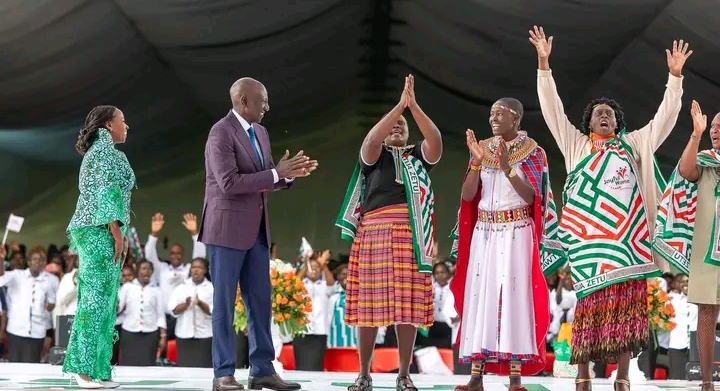
The 17th anniversary celebrations of Joyful Women Organization at State House on November 24, 2026, mark an important chapter in Kenya's efforts to promote women's economic independence. With President William Ruto leading the celebrations, the occasion recognises an organisation that began with app
-
By combining KIMC's expertise in media and communication with TSC's responsibility for teacher development, the initiative seeks to prepare educators for emerging learning areas under the Competency-Based Education curriculum. The training in Media Technology, Theatre and Film, Creative Arts, Music
-
The Kenya Defence Forces (KDF) has announced that candidates shortlisted for the December 2026 recruitment exercise will not be issued with physical calling letters. Instead, applicants will undergo biometric verification to confirm their identities when reporting for the recruitment process. The cl