



Abiy Ahmed Breaks Silence at Dangote Lamu Refinery Launch: What Ethiopia Stands to Gain
Prime Minister Abiy Ahmed's message during the Dangote East Africa Petroleum Refinery groundbreaking was centred on energy security, Ethiopia's access to additional fuel supplies, regional trade, industrialisation, investment and opportunities for young Africans. He described the Lamu refinery as a project whose importance could extend beyond Kenya because of its position within the LAPSSET corridor and its potential to supply refined petroleum to neighbouring markets. For Ethiopia specifically, Abiy said the refinery would broaden fuel-supply options and open new opportunities for trade and investment. He also argued that East Africa should develop its capacity not only to consume products but to produce and add value within the region.
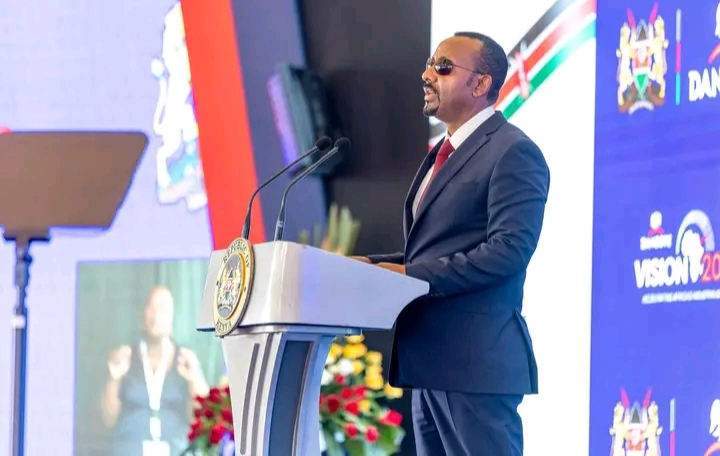
Ethiopian Prime Minister Abiy Ahmed has described the groundbreaking of the Dangote East Africa Petroleum Refinery in Lamu as an important development for Ethiopia and the wider East African region, particularly because the project is expected to create an additional source of refined petroleum products for Ethiopia while strengthening regional trade and energy security.
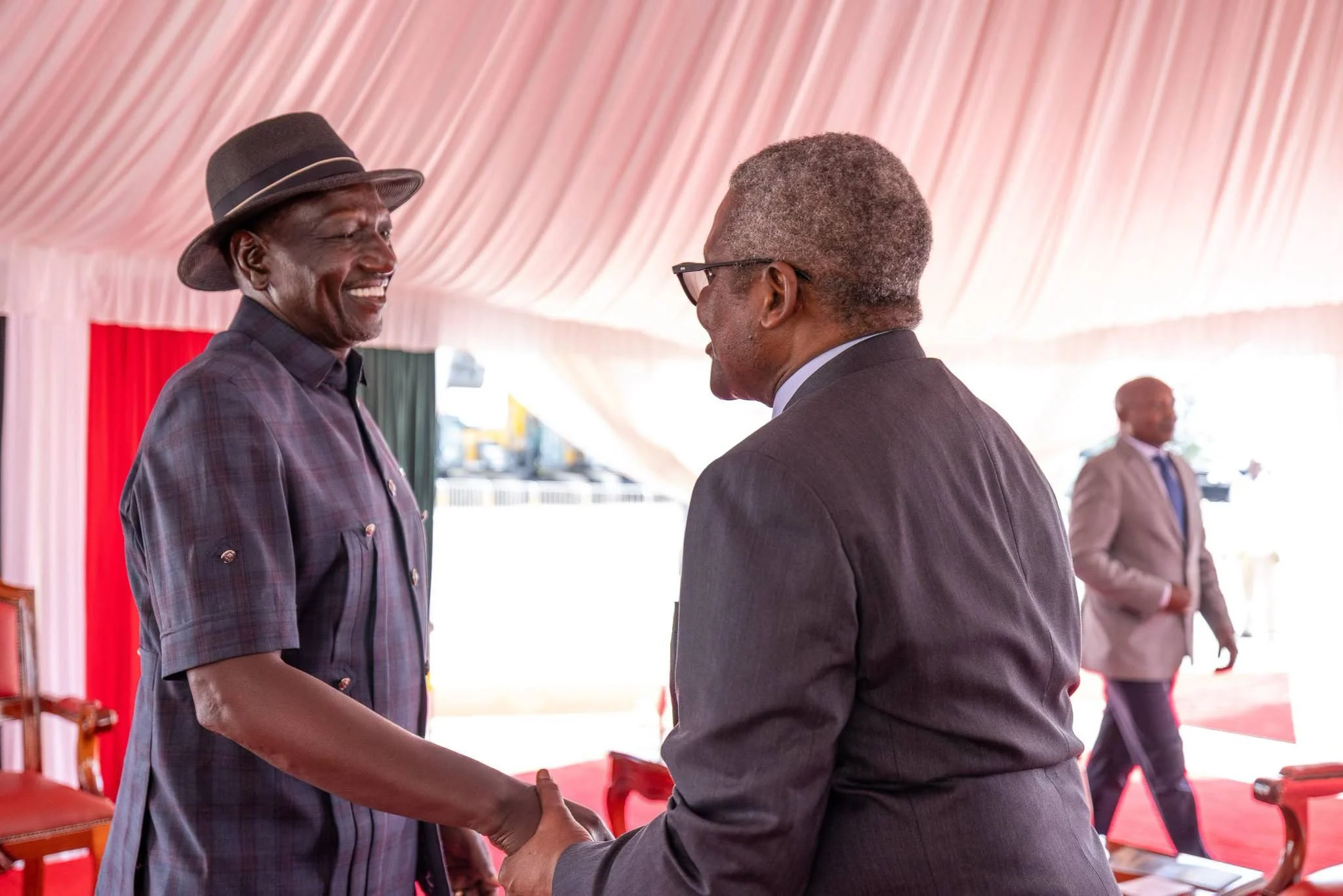
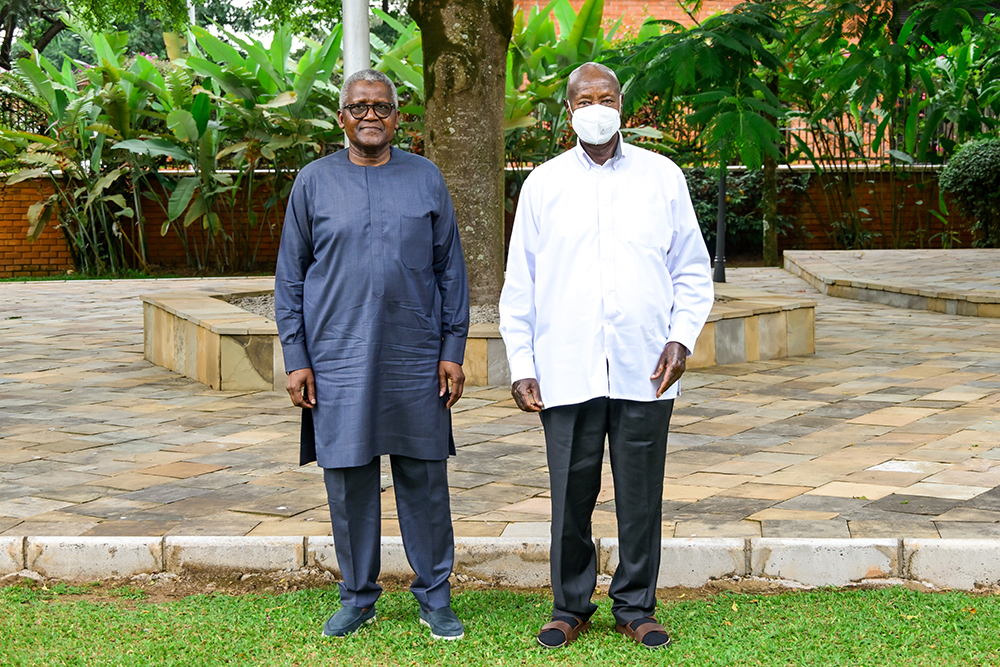
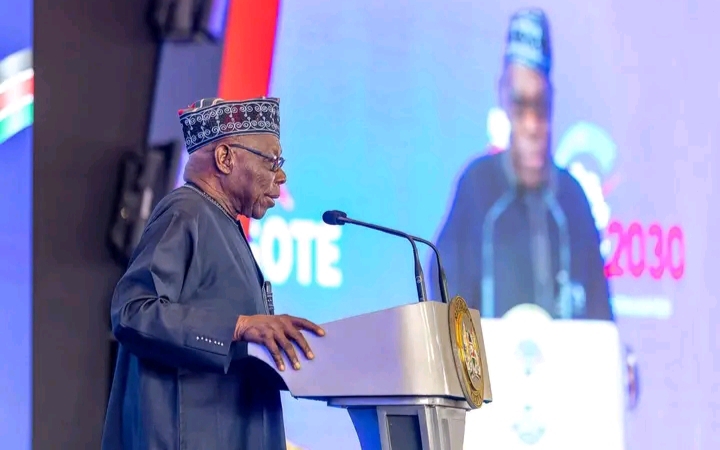
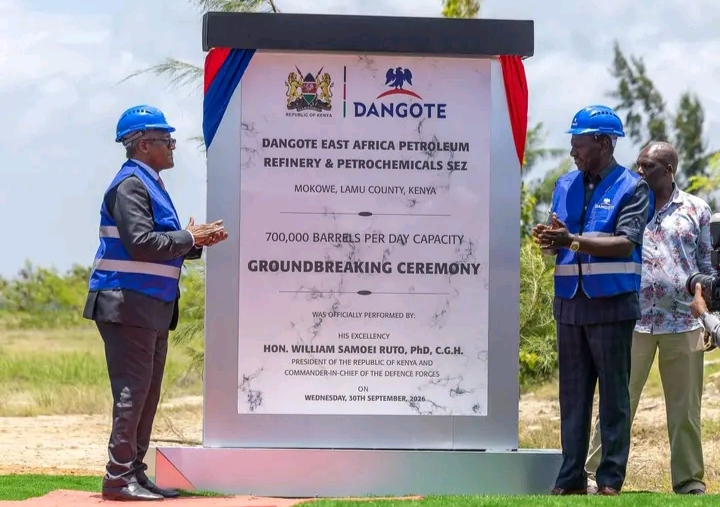
Prime Minister Abiy was among the African leaders who attended the groundbreaking ceremony in Lamu on Wednesday, September 30, 2026. The ceremony brought together Kenyan President William Ruto, Ugandan President Yoweri Museveni, Togolese President Jean-Lucien Savi de Tové, Benin President Romuald Wadagni, former Nigerian President Olusegun Obasanjo and Nigerian industrialist Aliko Dangote, among other senior officials and representatives.
Abiy’s message on Ethiopia’s fuel supply
One of the central points in Prime Minister Abiy’s remarks was the importance of giving Ethiopia more options for accessing refined petroleum products.
According to the Ethiopian News Agency, Abiy said the Lamu refinery would provide Ethiopia with an additional regional source of refined petroleum, thereby broadening the country's supply options. He linked this to new possibilities for trade and investment between Ethiopia and other countries in the region.
The Prime Minister's remarks are significant because Ethiopia is one of East Africa's largest markets, meaning that a large-scale refinery located within the region could potentially become part of a wider petroleum supply network.
Abiy argued that the refinery could help change the current situation in which much of the fuel used by African economies is refined outside the continent. He said African countries have for years been exposed to international market disruptions and price volatility because of their dependence on external refining capacity.
A project linked to East Africa's growing energy demand
Abiy also spoke about the increasing demand for fuel as African cities expand and industries grow.
He said the growth of African economies makes it increasingly important to establish refining capacity closer to regional markets. In his view, this can contribute to more resilient fuel-supply systems and reduce dependence on distant sources of refined petroleum.
The Lamu project is designed to have a processing capacity of 700,000 barrels of crude oil per day when completed. The overall investment has been put at about $16 billion, making it one of the largest industrial projects currently being developed in the region. Construction is expected to take about 40 months.
For Abiy, therefore, the project is not simply about constructing an oil refinery in Kenya. He presented it as part of a broader effort to improve the ability of African countries to meet their own energy needs.
Lamu's strategic location
Another important issue raised by Abiy was the refinery's location along the Lamu Port-South Sudan-Ethiopia Transport (LAPSSET) Corridor.
The Prime Minister said the location could strengthen connections between production centres and regional markets. The LAPSSET corridor is intended to connect Kenya's coast with inland markets and neighbouring countries, including Ethiopia and South Sudan.
The refinery could consequently become connected to other infrastructure and trade routes serving East Africa.
Abiy's remarks placed particular emphasis on the idea that infrastructure should not operate in isolation. A refinery, port, road, storage facility and other transport infrastructure can work together to support the movement of fuel and other goods across borders.
This regional dimension is particularly relevant to Ethiopia because of its large consumer market and its position within East Africa.
Opportunity for trade and investment
Prime Minister Abiy also highlighted the potential for increased trade and investment resulting from the refinery.
He said the facility could create opportunities beyond the production of fuel, with other industries potentially developing around it. Such industries could include transportation, logistics, storage, engineering, maintenance and other services associated with a major petroleum and industrial complex.
The Prime Minister told business leaders that East Africa should not be viewed only as a market where products are sold. He said the region should also become a place where goods are produced, businesses are built and value is created.
That message was closely connected to the wider theme of African industrialisation that dominated the Lamu ceremony.
Abiy praises Dangote
Abiy also praised Aliko Dangote for bringing experience from his other large-scale African investments to the Lamu project.
The Ethiopian Prime Minister referred to Dangote's investments in sectors including cement, fertiliser and refining as examples of African industrial capacity.
Dangote's participation in the Lamu refinery is particularly notable because his company operates the large Dangote refinery in Nigeria. The Lamu project is expected to use experience gained from that industrial operation as the company expands its presence in East Africa.
Abiy's comments therefore placed the project within a wider discussion about the role of African private-sector investment in developing major infrastructure on the continent.
Focus on young Africans
Another notable part of Abiy's remarks was his emphasis on young people.
The Ethiopian Prime Minister said the long-term impact of a project of this size should not only be measured by its financial value or the amount of petroleum it produces. He pointed to opportunities involving technology, new businesses, skilled employment and the development of the next generation.
He specifically said young Africans should not remain observers of projects such as the Lamu refinery. Instead, he said they should become the engineers, technicians, entrepreneurs and leaders associated with such developments.
This means that Abiy presented the refinery as potentially more than an energy project. He connected it to skills development, employment and the creation of businesses that can support industrialisation.
Strengthening African energy security
Energy security was another major theme in Abiy's remarks.
The Prime Minister said African economies have been vulnerable to international fuel-market disruptions partly because significant quantities of refined petroleum products are produced outside the continent.
The Lamu refinery, according to his remarks, could contribute to changing that situation by bringing refining capacity closer to African consumers.
The facility is expected to produce refined petroleum products such as petrol, diesel and aviation fuel for Kenya and neighbouring markets. Its location at Lamu also provides access to the Indian Ocean and regional transport infrastructure.
A regional rather than purely Kenyan project
Abiy's remarks also underlined the regional character of the investment.
Although the refinery is being constructed in Kenya, its proposed market extends beyond Kenya. The project is intended to serve East African markets, with Ethiopia identified by Abiy as one of the countries that could benefit from an additional source of refined petroleum.
Other countries in the region also sent senior representatives to the ceremony. Rwanda, Burundi, South Sudan and Tanzania were represented, illustrating the wider regional interest surrounding the project.
Uganda's President Museveni, who also attended the ceremony, said Uganda would continue with plans for its own smaller refinery, arguing that the region needs more than one or two refineries.
Abiy welcomes the project
In his concluding remarks, Abiy welcomed the development and expressed hope that the Lamu refinery would serve Kenya while contributing to Africa's broader effort to produce more of what it consumes.
His comments reflected the central message of the groundbreaking ceremony: African countries need greater industrial capacity to process their own natural resources and meet the needs of their growing populations.
The project is expected to create major construction and industrial opportunities, although it also faces local concerns. AP reported that residents have raised land-compensation issues and that environmental activists have expressed concerns about potential effects on the coastal marine ecosystem.

You Might Also Like
-
President William Ruto says Kenya will take a stake in the proposed Dangote East Africa Refinery and contribute its assets to the project, stressing that the country will invest and not expect anything for free.
-
Ugandan President Yoweri Museveni has praised Aliko Dangote as an African investor committed to developing the continent, while criticising leaders he says prioritise foreign interests over African development.
-
Former Nigerian President Olusegun Obasanjo's attendance at the September 30, 2026 groundbreaking of the Dangote East Africa Petroleum Refinery in Lamu added historical and continental significance to the ceremony. His presence alongside President William Ruto, Aliko Dangote and other African leader
-
President William Ruto's September 30, 2026 groundbreaking ceremony with Aliko Dangote marks a major new chapter in Kenya's energy and industrial development. The proposed Sh2.2 trillion, 700,000-barrel-per-day Dangote East Africa Petroleum Refinery is expected to supply petroleum products to Kenya
-
The EPRA report released on September 29 provides a broad assessment of Kenya's energy and petroleum sectors for the year ended June 30, 2026. Its findings show record electricity demand, increased generation, continued dominance of renewable energy, rising household electricity consumption, higher
-
Aliko Dangote says he is not intimidated by court challenges, maintaining that his team is ready to defend the proposed KSh2.2 trillion Lamu refinery through legal channels.