



Museveni Praises Dangote as an African Investor Focused on Development
Ugandan President Yoweri Museveni has praised Aliko Dangote as an African investor committed to developing the continent, while criticising leaders he says prioritise foreign interests over African development.
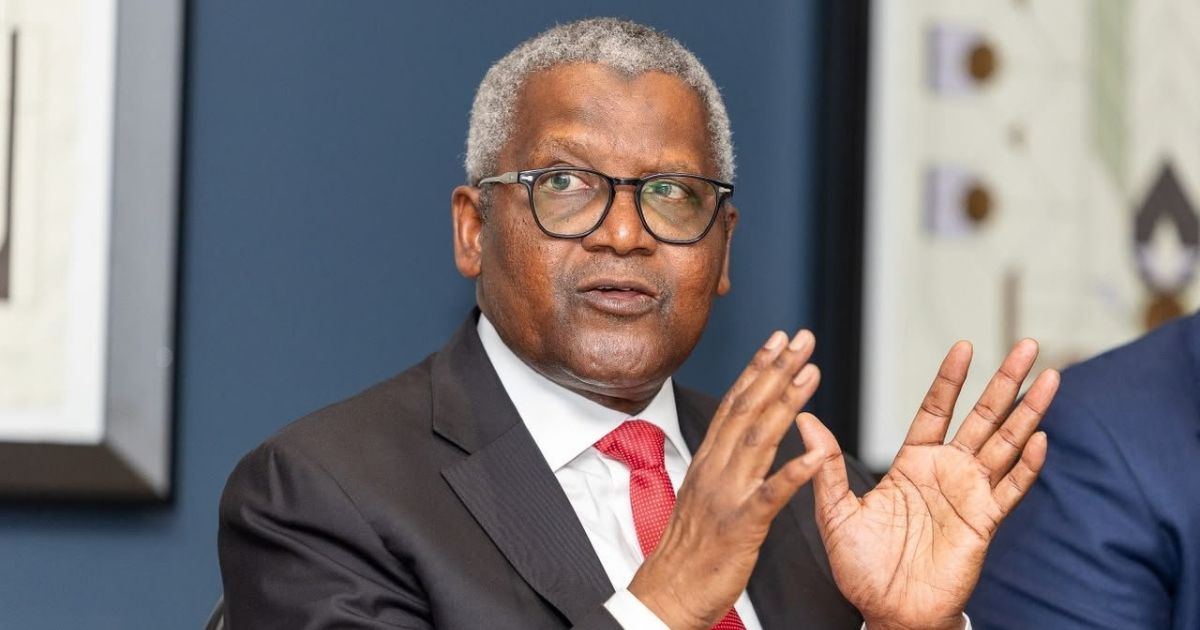
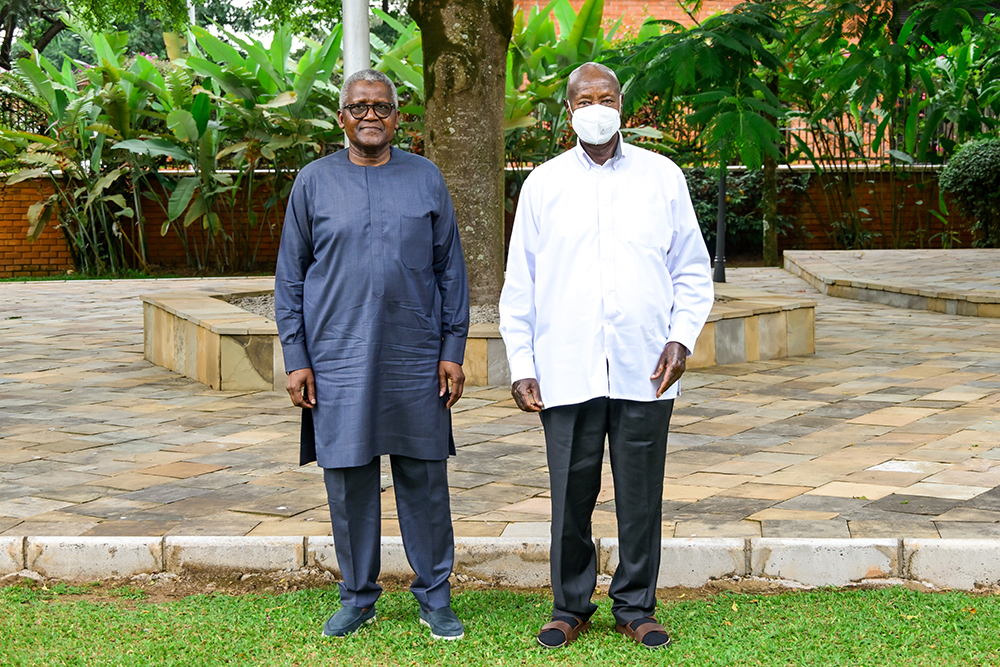
Ugandan President Yoweri Kaguta Museveni has praised Nigerian industrialist Aliko Dangote, describing him as a genuine African investor while contrasting his approach with what he described as individuals who prioritise foreign interests.
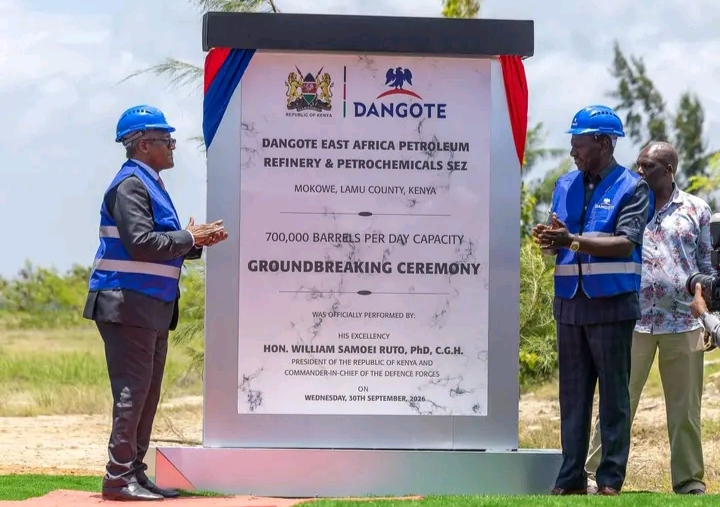
Museveni made the remarks on Wednesday, September 30, 2026, during the groundbreaking ceremony of the proposed Dangote East Africa Oil Refinery in Lamu, Kenya.
The event brought together several African leaders, government officials and business representatives, marking the formal launch of a project expected to have significant implications for Kenya and the wider East African region.
Museveni's remarks focused attention on the broader question of African ownership, investment and the continent's ability to develop industries using its own resources and business leaders.
His comments came as African leaders gathered to witness the beginning of construction of a refinery estimated at about US$16 billion, equivalent to roughly KSh2.2 trillion. The facility is designed to process up to 700,000 barrels of crude oil per day and is expected to supply petroleum products to Kenya and other regional markets.
Dangote's Growing Role in African Industry
Aliko Dangote has built one of Africa's largest business groups, with interests spanning cement, fertiliser, food processing and petroleum.
His investment in Kenya represents an expansion of that industrial footprint beyond Nigeria and into East Africa.
The Lamu refinery is being presented as a major African-led industrial project. Reports indicate that Dangote has offered East African governments a combined 30 percent stake in the refinery, with Kenya and two other countries expected to participate.
For Museveni, the significance of such an investment goes beyond the refinery itself.
The Ugandan leader has repeatedly argued that African countries need to add value to their natural resources instead of exporting raw materials and importing finished products.
In May 2026, Museveni said Uganda was ready to support a regional refinery initiative and expressed willingness to buy shares in a regional refinery, linking the investment to regional integration and industrial development.
The comments made in Lamu therefore fit into a wider argument that African countries should participate directly in strategic industries and ensure that economic opportunities remain within the continent.
A New Energy Project for East Africa
The Dangote East Africa Refinery is expected to become one of the largest refining facilities on the continent once completed.
According to reports, the refinery is planned to produce products including petrol, diesel and aviation fuel for the Kenyan market and neighbouring countries. The project is expected to be completed around 2030.
The project is also strategically located along the Lamu Port-South Sudan-Ethiopia Transport corridor, commonly known as LAPSSET.
This gives Lamu an important position in regional trade and transportation.
The arrival of heavy construction equipment at Lamu Port ahead of the groundbreaking was one of the indications that preparations for the project had moved into an advanced stage. About 2,930 metric tonnes of machinery arrived at the port aboard MV Da Yang in September.
The development of the refinery could therefore increase activity at Lamu Port and create demand for transportation, logistics, engineering, construction and other services.
Museveni's Message on African Development
Museveni's praise of Dangote was linked to a larger conversation about the role of African entrepreneurs in transforming the continent.
For many years, African economies have relied heavily on exporting raw materials such as crude oil, minerals and agricultural commodities.
At the same time, many African countries have continued to import finished products, including refined petroleum products.
This creates a situation where countries can possess valuable natural resources but capture only a limited share of the economic value generated from those resources.
The refinery model seeks to address part of this challenge by processing crude oil closer to the markets where petroleum products are consumed.
If successfully implemented, the Lamu refinery could allow more value to be captured through refining, transportation, storage, distribution and related industries.
Regional Cooperation
The project is also being closely watched because of its potential regional role.
East African countries have different levels of oil production and refining capacity.
Uganda, for example, is developing its own refinery plans in Hoima, while Tanzania has also pursued refinery and petroleum infrastructure initiatives.
Museveni has maintained that Uganda will continue with its domestic refinery plans even as the Dangote project progresses in Kenya. He has argued that the region can have several refineries serving different markets rather than relying on one facility.
This means the Lamu refinery does not necessarily eliminate the need for other regional investments.
Instead, the different projects could form part of a wider East African energy network if countries coordinate infrastructure, trade and supply systems.
Reducing Dependence on Imported Fuel
One of the main arguments supporting the Lamu refinery is the potential to reduce East Africa's reliance on imported refined petroleum products.
Kenya and other countries in the region currently import significant quantities of petroleum products to meet domestic demand.
A large regional refinery could provide an alternative source of fuel while reducing some of the logistical costs associated with importing finished products from distant markets.
Reuters reported that the Lamu facility is intended to supply diesel, petrol and jet fuel to Kenya and neighbouring countries.
However, the ultimate impact will depend on several factors, including the availability and cost of crude oil, transportation infrastructure, refinery efficiency and regional demand.
Jobs and Industrial Opportunities
The refinery is also expected to generate employment.
Reuters has reported that the project could create more than 50,000 jobs, while other project statements have cited even higher potential employment figures.
Employment opportunities would not be limited to workers directly employed at the refinery.
Large industrial projects usually create opportunities for contractors, transport companies, engineers, technicians, suppliers, hotels, restaurants and other businesses.
Local communities could therefore benefit from increased economic activity if they are effectively integrated into the project's supply chains and employment programmes.
The refinery could also encourage other investors to establish businesses in Lamu and neighbouring areas.
Petrochemical industries, storage facilities, packaging companies and other manufacturing activities could potentially develop around the refinery.
Technology and Skills
Another important aspect of the project is the technology and technical expertise required to build and operate a refinery of this scale.
The project involves international engineering and technology companies. Reuters reported that Honeywell Technologies is involved in engineering services, equipment and licensing for the refinery.
Such partnerships can provide opportunities for Kenyan and other African engineers and technicians to gain experience in advanced industrial operations.
For Africa, developing this technical capacity is an important part of long-term industrialisation.
The continent requires skilled workers who can design, construct, operate and maintain complex industrial facilities.
The Lamu project could therefore contribute to skills development if local professionals and institutions are integrated into the process.
African Ownership
Museveni's remarks also bring the question of ownership into focus.
Dangote has repeatedly argued that Africans should have a greater role in owning major businesses and infrastructure projects on the continent.
The proposed participation of East African governments in the refinery is part of that conversation.
Reports indicate that Kenya and two other East African governments are expected to collectively take a 30 percent stake in the facility.
Such participation could give regional governments a direct economic interest in the project.
It could also create an opportunity for African investors to participate in a major energy asset.
Dangote has further indicated that shares in the refinery could eventually be listed on the Nairobi Securities Exchange, potentially widening African participation in its ownership.
The Challenges Ahead
Despite the economic expectations surrounding the project, the refinery has also faced challenges.
Residents have raised concerns over land ownership, compensation and environmental issues, leading to legal proceedings.
A Kenyan court has ordered the maintenance of the status quo concerning disputed portions of land after residents filed a case challenging aspects of the project. The dispute remains before the courts.
Dangote has said the company is prepared to deal with the legal challenges while continuing with the investment.
The existence of the court proceedings means that questions relating to disputed land must still be addressed through the judicial process.
This illustrates one of the challenges associated with large infrastructure projects: governments and investors must balance economic development ambitions with land rights, environmental requirements and community concerns.
A Broader African Development Debate
Museveni's praise of Dangote also reflects a wider debate about how Africa can achieve sustainable economic transformation.
African countries possess large quantities of natural resources, a young population and expanding consumer markets.
The challenge is converting these advantages into productive industries that create jobs and generate wealth within the continent.
Industrialisation requires more than natural resources.
It requires infrastructure, reliable electricity, skilled workers, access to finance, technology, stable regulations and markets.
Regional cooperation is also important because individual African countries sometimes have relatively small domestic markets.
Projects such as the Lamu refinery could therefore benefit from regional markets involving Kenya, Uganda, Tanzania, Rwanda, South Sudan, Ethiopia and other countries.
The success of such regional investments will depend partly on the ability of governments to reduce trade barriers and improve transport connections.
Looking Ahead
The groundbreaking of the Dangote East Africa Refinery marks an important stage in the development of a project that has attracted attention across Africa.
For Kenya, the refinery represents a major investment in the country's energy and industrial sector.
For East Africa, it could provide additional refining capacity and strengthen regional petroleum supply chains.
For Dangote, the project expands his industrial presence into a new part of the continent.
For African leaders such as Museveni, the project represents an opportunity to advance the argument that Africans should play a larger role in developing and owning strategic industries.
Museveni's description of Dangote as a genuine African investor reflects his broader emphasis on African-led industrialisation and value addition.
At the same time, the project will have to overcome practical and legal challenges before its full economic potential can be realised.
The coming years will therefore be important as construction progresses, regional governments determine their participation and communities continue to engage with the project.
The Lamu refinery has already become more than an energy project. It is now part of a larger conversation about African investment, regional integration, industrialisation, energy security and ownership.
Museveni's remarks have added another dimension to that conversation, highlighting his view that African entrepreneurs and investors can play a significant role in building industries capable of serving African markets.
As construction begins, attention will now shift from the groundbreaking ceremony to the actual implementation of the project, the creation of jobs, participation of local communities and the development of the infrastructure required to support the refinery.
The eventual impact of the project will depend on how successfully these different elements come together.
For now, the groundbreaking has placed Lamu at the centre of East Africa's industrial and energy ambitions, while Dangote's investment continues to generate debate about how Africa can increasingly develop, process and benefit from its own resources.

You Might Also Like
-
President William Ruto says Kenya will take a stake in the proposed Dangote East Africa Refinery and contribute its assets to the project, stressing that the country will invest and not expect anything for free.
-
Prime Minister Abiy Ahmed's message during the Dangote East Africa Petroleum Refinery groundbreaking was centred on energy security, Ethiopia's access to additional fuel supplies, regional trade, industrialisation, investment and opportunities for young Africans. He described the Lamu refinery as a
-
Former Nigerian President Olusegun Obasanjo's attendance at the September 30, 2026 groundbreaking of the Dangote East Africa Petroleum Refinery in Lamu added historical and continental significance to the ceremony. His presence alongside President William Ruto, Aliko Dangote and other African leader
-
President William Ruto's September 30, 2026 groundbreaking ceremony with Aliko Dangote marks a major new chapter in Kenya's energy and industrial development. The proposed Sh2.2 trillion, 700,000-barrel-per-day Dangote East Africa Petroleum Refinery is expected to supply petroleum products to Kenya
-
The EPRA report released on September 29 provides a broad assessment of Kenya's energy and petroleum sectors for the year ended June 30, 2026. Its findings show record electricity demand, increased generation, continued dominance of renewable energy, rising household electricity consumption, higher
-
Aliko Dangote says he is not intimidated by court challenges, maintaining that his team is ready to defend the proposed KSh2.2 trillion Lamu refinery through legal channels.