



Former Nigerian President Obasanjo Joins Ruto and Dangote at Historic Lamu Oil Refinery Groundbreaking
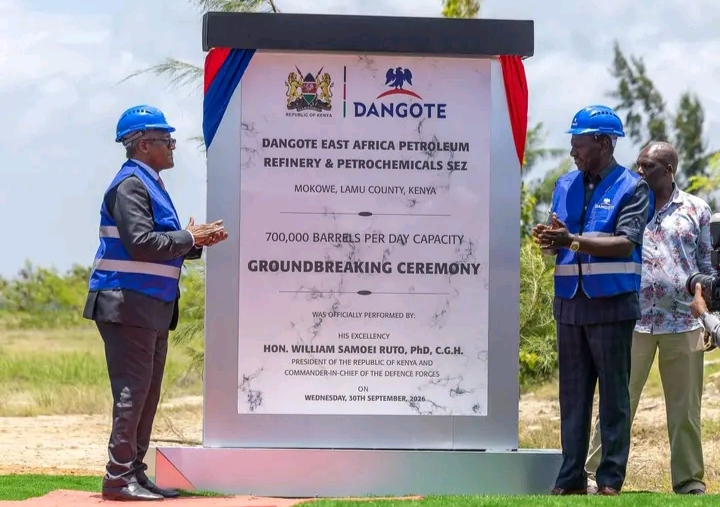
Former Nigerian President Olusegun Obasanjo's attendance at the September 30, 2026 groundbreaking of the Dangote East Africa Petroleum Refinery in Lamu added historical and continental significance to the ceremony. His presence alongside President William Ruto, Aliko Dangote and other African leaders highlighted the regional character of a project expected to process approximately 700,000 barrels of crude oil daily and supply petroleum products to markets across East Africa. The Lamu refinery is being positioned as an important step toward increasing Africa's capacity to process its own resources, strengthening regional fuel supply and expanding industrial cooperation. At the same time, its progress will depend on financing, construction, infrastructure, environmental requirements and resolution of land-related concerns. For Nigeria, Kenya and the wider East African region, the project represents a major test of whether large-scale African-led investment can create a stronger regional petroleum-processing network.
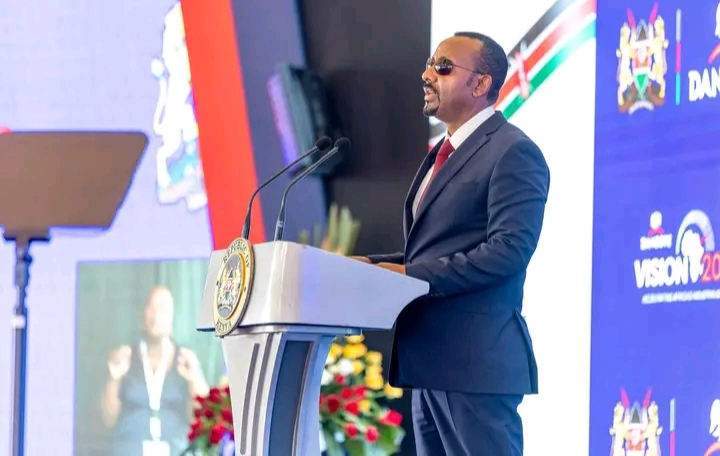
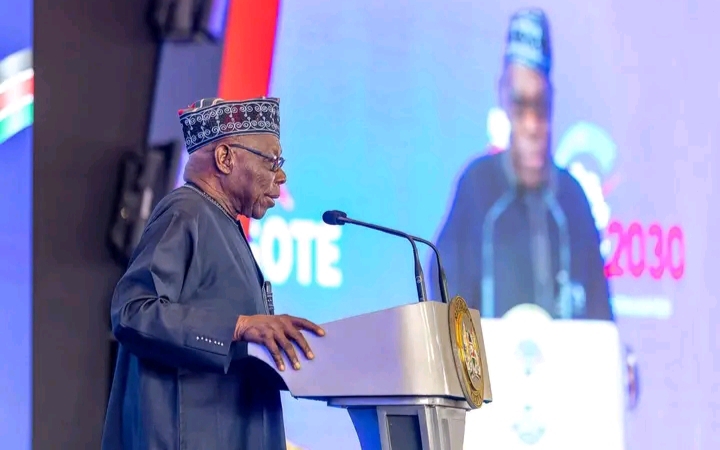
Former Nigerian President Olusegun Obasanjo was among the high-profile African leaders who attended the groundbreaking ceremony of the proposed Dangote East Africa Petroleum Refinery in Lamu on Wednesday, September 30, 2026. His presence added a significant Nigerian dimension to an event centred on one of the continent's biggest private-sector industrial investments. The ceremony was hosted by President William Ruto and attended by several African leaders, including Uganda's Yoweri Museveni, Ethiopia's Prime Minister Abiy Ahmed, Togo's Jean-Lucien Savi de Tové and Benin's Romuald Wadagni.
Obasanjo's participation was particularly notable because the refinery is being developed by Nigerian businessman Aliko Dangote, whose existing petroleum refinery in Lagos has become an important example of large-scale African investment in energy processing. The Lamu project is designed to replicate and expand on the industrial model demonstrated by Dangote's Nigerian operation, with a planned processing capacity of about 700,000 barrels of crude oil per day.
Obasanjo's presence at the historic ceremony
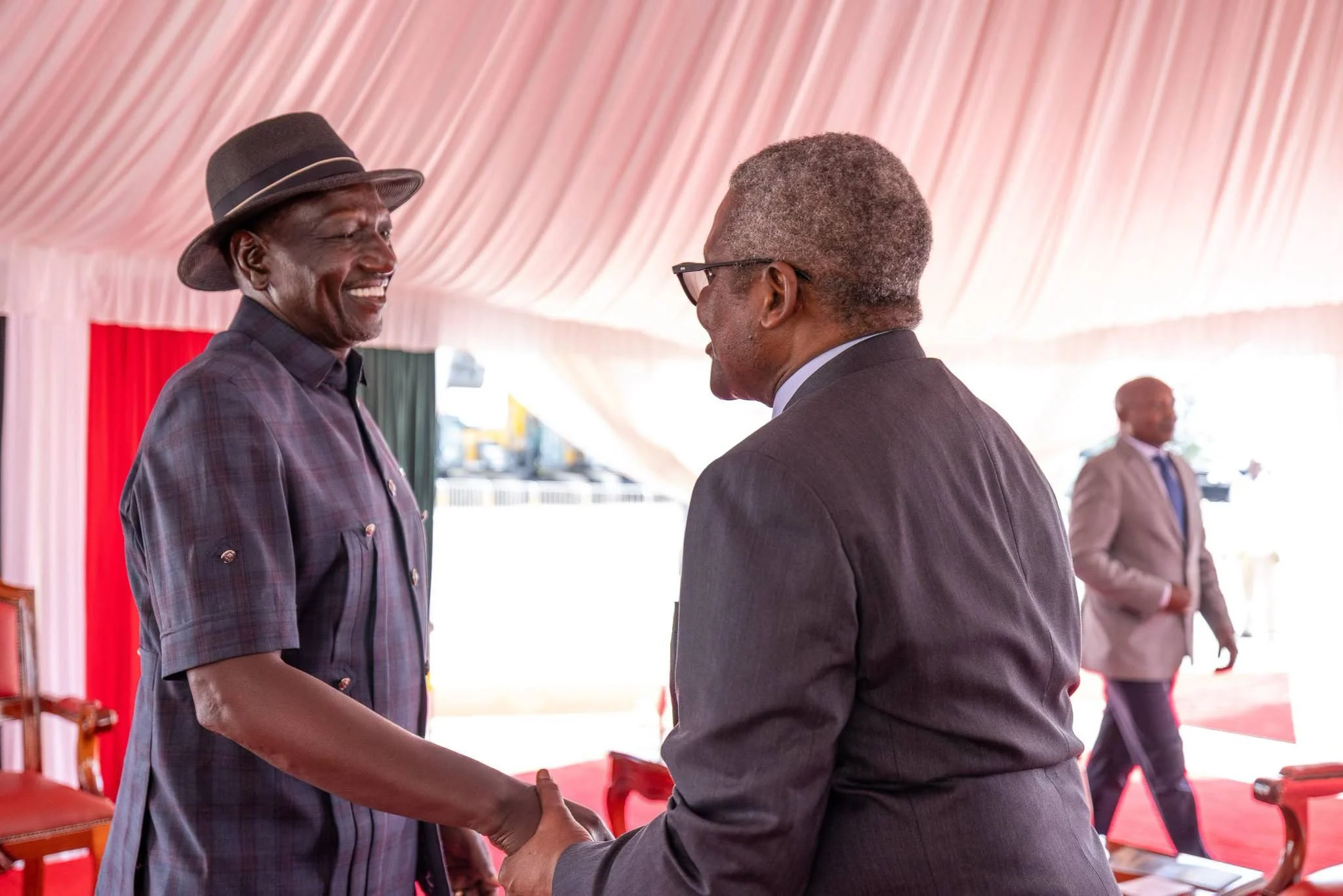
The former Nigerian president joined African leaders and senior officials at the ceremony as Kenya formally marked the beginning of construction of the multibillion-dollar refinery. According to reports from the event, the gathering brought together leaders from across Africa around a project intended to increase the continent's ability to process its own crude oil instead of relying heavily on imported refined petroleum products.
The appearance of Obasanjo was also symbolic because of his long involvement in African economic and political affairs. He served as Nigeria's president from 1999 to 2007 and has remained an influential figure in continental discussions after leaving office.
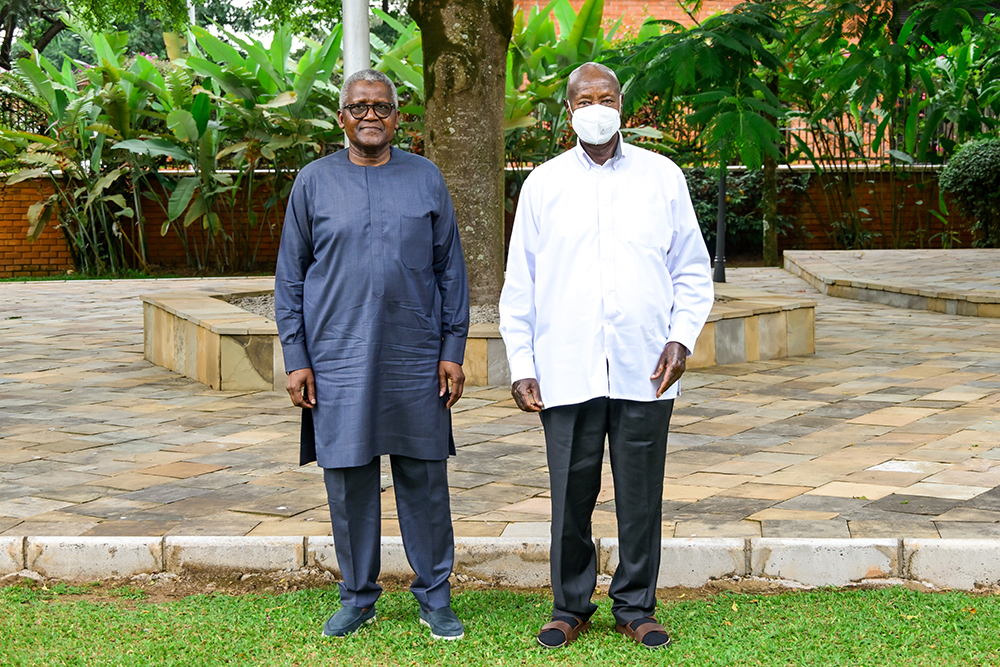
His presence alongside Dangote was especially significant because the project is being driven by a Nigerian company but is expected to serve markets across East Africa. The Lamu refinery is therefore being presented not simply as a Kenyan project, but as an investment with wider regional and continental implications.
A Nigerian project expanding into East Africa
The Lamu refinery represents a major expansion of Dangote's industrial footprint beyond Nigeria. Dangote's existing refinery in Lagos has a stated capacity of 700,000 barrels per day, while the planned Lamu facility is expected to have a similar capacity. Reports have described the Kenyan plant as being designed to supply petroleum products to Kenya and neighbouring countries, including Uganda, Tanzania, Ethiopia, South Sudan and Burundi.
The project is expected to produce important petroleum products such as petrol, diesel and aviation fuel. Its strategic location in Lamu is linked to the area's maritime infrastructure and the wider LAPSSET corridor, which provides a connection between the Kenyan coast and several inland markets.
The refinery is expected to take advantage of the Port of Lamu to facilitate the movement of crude oil and petroleum products. This could allow the facility to serve both Kenya's domestic market and countries that depend on imported fuel.
Obasanjo and Africa's industrial transformation
The former Nigerian president's attendance also comes at a time when African countries are increasingly discussing the need to add value to natural resources within the continent.
For many years, African economies have exported crude oil and other raw materials while importing processed products. The Dangote refinery model has been presented as an example of an African investor attempting to change that pattern by establishing large-scale processing facilities within Africa.
The Lamu project follows the same broad approach. Instead of exporting crude and purchasing refined products from international markets, the refinery is expected to process crude closer to the markets that require petroleum products.
President William Ruto and other African leaders have repeatedly linked the Lamu project to industrialisation, energy security and regional economic integration. The groundbreaking ceremony therefore served as a platform for discussing a broader vision of African countries processing more of their own natural resources.
The scale of the Lamu refinery
The planned refinery is estimated at approximately $16 billion, making it one of the largest private industrial investments associated with Kenya. The facility is planned to process around 700,000 barrels of crude oil per day once fully operational. Reuters reported that completion is targeted for around 2030.
The project is also expected to include substantial supporting infrastructure. According to reports, the planned development will have a power-generation component of about 1,000 megawatts, with a portion of the electricity potentially available for Kenya.
Dangote has also said the refinery could directly and indirectly create tens of thousands of jobs. AP reported that the project is expected to create around 60,000 jobs, while other reports have cited more than 50,000 employment opportunities depending on how direct and indirect employment is calculated.
These opportunities could include engineering, construction, transportation, logistics, energy services, manufacturing, hospitality and other businesses supporting the refinery.
Why Nigeria is important to the project
Nigeria's connection to the Lamu refinery goes beyond Dangote's ownership. Nigeria has one of Africa's largest oil industries, and Dangote's Lagos refinery has become a major part of the country's refining landscape.
The Lamu project is therefore an extension of an industrial model that Dangote has already developed in Nigeria. Reports indicate that Honeywell Technologies is supporting the Kenyan project, drawing on experience from its involvement with Dangote's Nigerian refinery.
The presence of Obasanjo at the groundbreaking consequently provided a visible link between Nigeria's experience with large-scale oil infrastructure and Kenya's ambitions to establish itself as a regional petroleum-processing hub.
Regional energy security
One of the major issues surrounding the project is East Africa's dependence on imported refined petroleum products.
Kenya and several neighbouring countries rely heavily on petroleum imports to meet transport, industrial and aviation requirements. A refinery in Lamu could potentially reduce the distance petroleum products have to travel before reaching East African markets.
The project could also create opportunities for crude oil producers in the region. Kenya has oil resources in Turkana, while Uganda and South Sudan are also major potential sources of crude for regional petroleum infrastructure.
The AP reported that the planned refinery could use crude from neighbouring countries such as Uganda and South Sudan.
A major African investment
Dangote has described the Lamu project within a broader strategy of African industrial development. At the groundbreaking event, attention focused on the importance of Africans investing in large projects on the continent and building industries capable of competing internationally.
The refinery is consequently being watched beyond Kenya and Nigeria. If completed at the planned scale, it could become one of the largest petroleum-processing facilities in Africa and an important supplier to the East African region.
The involvement of African political leaders, including former Nigerian President Obasanjo, reflects the wider regional significance attached to the project.
Land and environmental concerns
Despite the optimism surrounding the groundbreaking, the project has also faced concerns from some local residents and environmental groups.
Reuters reported that the project has encountered legal challenges involving land rights, while other reports have highlighted concerns raised by residents regarding compensation and land ownership.
These issues remain an important part of the refinery's development because the success of a project of this scale will depend not only on financing and construction but also on compliance with Kenyan law and engagement with affected communities.
The legal challenges have not prevented the official groundbreaking ceremony from taking place. Dangote has maintained that the project will proceed, although court proceedings could affect some activities at the site.
Obasanjo's wider significance
For many observers, Olusegun Obasanjo's presence at the ceremony represented more than the attendance of a former head of state. It connected the project to Nigeria's wider history of oil production and to the continent's continuing debate about economic independence.
Obasanjo's generation of African leaders has frequently advocated for greater regional cooperation and stronger African institutions. His attendance at a project led by a Nigerian entrepreneur and located in Kenya offered a visible example of economic cooperation between two major African economies.
The Lamu refinery also demonstrates how private investment can cross national boundaries. A Nigerian company is investing billions of dollars in Kenya, while the proposed refinery is expected to supply petroleum products to several countries across East Africa.

You Might Also Like
-
President William Ruto says Kenya will take a stake in the proposed Dangote East Africa Refinery and contribute its assets to the project, stressing that the country will invest and not expect anything for free.
-
Ugandan President Yoweri Museveni has praised Aliko Dangote as an African investor committed to developing the continent, while criticising leaders he says prioritise foreign interests over African development.
-
Prime Minister Abiy Ahmed's message during the Dangote East Africa Petroleum Refinery groundbreaking was centred on energy security, Ethiopia's access to additional fuel supplies, regional trade, industrialisation, investment and opportunities for young Africans. He described the Lamu refinery as a
-
President William Ruto's September 30, 2026 groundbreaking ceremony with Aliko Dangote marks a major new chapter in Kenya's energy and industrial development. The proposed Sh2.2 trillion, 700,000-barrel-per-day Dangote East Africa Petroleum Refinery is expected to supply petroleum products to Kenya
-
The EPRA report released on September 29 provides a broad assessment of Kenya's energy and petroleum sectors for the year ended June 30, 2026. Its findings show record electricity demand, increased generation, continued dominance of renewable energy, rising household electricity consumption, higher
-
Aliko Dangote says he is not intimidated by court challenges, maintaining that his team is ready to defend the proposed KSh2.2 trillion Lamu refinery through legal channels.