AFRICAN UNION CHAIR URGES COUNTRIES TO BOOST LOCAL PRODUCTION AND INTRA-AFRICAN TRADE
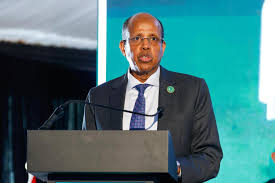
African Union Commission Chair Mahmoud Ali Youssouf has called on African countries to strengthen their economies through increased local production, value addition and expanded intra-African trade. He urged governments to remove trade barriers, improve cross-border infrastructure, connect regional energy markets and invest in digital technology to accelerate economic growth across the continent. Youssouf emphasised the need for African nations to reduce dependence on imported goods by strengthening local industries, processing their own raw materials and creating more opportunities for businesses and workers. He also highlighted the importance of making it easier for African countries to trade with one another, noting that improved cooperation could open up larger markets for local manufacturers and producers. His remarks underscore the need for a more integrated African economy driven by industrial development, reliable energy supplies, modern digital infrastructure and stronger regional partnerships.
African Union Commission Chair Mahmoud Ali Youssouf has called on African countries to strengthen their economies by increasing local production, promoting value addition and expanding trade among nations across the continent. He emphasised the need for African governments to develop strategies that will enable countries to make better use of their natural resources, improve industrial capacity and create stronger economic partnerships that benefit their populations.
Youssouf highlighted the importance of reducing Africa's dependence on imported goods by investing in local industries and supporting businesses capable of producing products that meet the needs of African consumers. He noted that the continent has significant natural resources, a large population and a growing market, but these advantages must be supported by policies that encourage production, manufacturing and trade.
Increasing local production remains an important part of efforts to strengthen Africa's economic independence. Many African countries have continued to rely heavily on imported manufactured products, even when some of the raw materials used to produce those goods are available within the continent. Strengthening local industries would allow countries to process their own resources, create employment opportunities and retain a larger share of the economic benefits generated from their products.
Youssouf's call for increased production also places emphasis on the need for African countries to move beyond exporting raw materials. Value addition would enable countries to process agricultural products, minerals and other resources before selling them to local and international markets. This approach could help increase the value of exports, improve earnings for producers and support the development of industries that provide jobs to millions of people.
Agriculture remains one of the sectors with significant potential for value addition across Africa. Many countries produce large quantities of agricultural commodities, including tea, coffee, cocoa, maize, fruits and other crops. However, a considerable portion of these products is sold in raw or minimally processed form, limiting the income that producers and businesses can generate.
Investing in food processing, packaging, storage and transportation facilities would help farmers and agricultural businesses benefit from a wider range of markets. It would also reduce post-harvest losses and improve the availability of locally processed products. Stronger agricultural industries could contribute to food security while supporting rural economies and creating employment opportunities for young people.
The African Union Commission Chair also stressed the importance of expanding trade between African countries. Intra-African trade remains a major part of efforts to build a more integrated continental economy, allowing countries to exchange goods and services, strengthen business relationships and access markets beyond their national borders.
Expanding trade within Africa would provide businesses with opportunities to reach more customers and increase their production capacity. Instead of depending mainly on markets outside the continent, African manufacturers and producers could benefit from demand within neighbouring countries and other regional markets.
For this to happen, countries must address challenges that continue to make cross-border trade difficult. These include high transportation costs, lengthy customs procedures, inconsistent regulations, poor infrastructure and restrictions that delay the movement of goods. Removing unnecessary trade barriers would make it easier for businesses to transport products across borders and conduct transactions with partners in other African countries.
Youssouf urged governments to work towards reducing these obstacles and creating an environment that supports the movement of goods and services. Improved coordination among customs authorities, simplified documentation procedures and more efficient border operations would help reduce delays and lower the cost of doing business.
The development of regional infrastructure is also important in supporting trade across the continent. Roads, railways, ports and logistics facilities play a significant role in connecting producers to consumers and linking countries to major commercial centres. Without reliable transport networks, businesses may struggle to move their products efficiently, making African goods more expensive and less competitive.
Investment in infrastructure would therefore help strengthen regional supply chains and improve access to markets. Countries that share borders could also cooperate in developing transport corridors that connect production centres, industrial zones and major trade routes.
Another important issue highlighted by Youssouf is the need to connect energy markets across Africa. Reliable and affordable energy is essential for industrial development, manufacturing, agriculture and the growth of businesses. Many industries require consistent electricity supplies to operate machinery, process products and maintain production activities.
However, energy shortages and high electricity costs continue to affect businesses in different parts of the continent. In some areas, unreliable power supplies increase the cost of production and discourage investment in industries that require large amounts of electricity.
Connecting energy markets would allow countries to strengthen cooperation in electricity generation, transmission and distribution. It could also make it easier for nations with surplus energy to supply neighbouring countries facing shortages, helping improve the reliability of electricity across regional markets.
Regional energy cooperation could support the development of manufacturing industries and improve the competitiveness of African businesses. It would also create opportunities for countries to jointly invest in power generation projects and infrastructure that benefit more than one national market.
Africa has considerable potential in renewable energy, including solar, wind, hydroelectric and geothermal power. Developing these resources could help countries increase electricity generation while supporting long-term energy security. Cooperation in renewable energy projects would also provide opportunities for technology transfer, investment and the development of skilled workers.
The call to connect energy markets reflects the wider need for African countries to approach economic development through cooperation rather than isolated national strategies. Energy infrastructure that links neighbouring countries could support industrial growth and create a more reliable supply system for businesses and households.
Youssouf further emphasised the importance of investing in digital infrastructure as part of efforts to improve economic growth. Technology has become an important driver of modern business, communication, financial services and international trade. Strengthening digital systems would allow African countries to participate more effectively in the global digital economy.
Digital infrastructure includes reliable internet connectivity, modern communication networks, data centres and other technological systems that support online services. Expanding access to these facilities would help businesses operate more efficiently, reach customers in different markets and access digital platforms that support commercial activities.
Small and medium-sized enterprises could particularly benefit from improved digital connectivity. Many businesses increasingly depend on online platforms to advertise products, communicate with customers, receive payments and manage transactions. Better access to digital services would allow more enterprises to participate in regional and international markets.
Digital technology could also improve the efficiency of cross-border trade. Online customs systems, electronic documentation and digital payment platforms would help reduce paperwork, improve transparency and make transactions faster. Such systems could lower administrative costs and simplify the process of doing business across national borders.
Investment in digital infrastructure would also create opportunities for young Africans, particularly those with skills in information technology, software development, digital marketing and other technology-related fields. As businesses adopt digital systems, demand for skilled workers could increase, creating new employment opportunities and supporting innovation.
However, expanding digital infrastructure requires significant investment and cooperation between governments, private companies and development partners. Countries must work towards improving internet access, reducing connectivity costs and ensuring that digital services reach communities outside major cities.
The development of digital skills is equally important. Access to technology alone may not be enough to support economic transformation if people lack the knowledge required to use digital platforms effectively. Training programmes and investments in education could help prepare young people for opportunities in technology and other emerging industries.
The issues raised by Youssouf point to the importance of strengthening cooperation among African countries as they seek to improve their economic position. Individual national efforts remain important, but many of the challenges affecting production, energy, infrastructure and trade require solutions that extend beyond national borders.
Closer cooperation could help countries share resources, exchange expertise and coordinate policies that support economic development. It could also encourage investment in regional projects that may be difficult for individual countries to undertake independently.
The African Continental Free Trade Area provides an important framework for expanding trade among African nations. Its objective is to create a more integrated market by reducing trade barriers and improving the movement of goods and services across the continent. Effective implementation would provide businesses with access to a wider consumer market and encourage investment in production and manufacturing.
For African countries to benefit fully from greater economic integration, governments must ensure that policies are translated into practical improvements for businesses and citizens. This includes improving transport infrastructure, strengthening customs systems, supporting local industries and addressing challenges that affect access to finance and markets.
Governments also need to create an environment that encourages private sector investment. Businesses require predictable policies, efficient public services and reliable infrastructure to establish industries and expand operations. Stronger partnerships between the public and private sectors could help mobilise the investment needed to support production and regional development.
Small businesses, farmers and manufacturers should also be included in efforts to expand intra-African trade. While large companies may have the capacity to access international markets, smaller enterprises often face financial and logistical challenges that limit their participation. Providing them with better access to finance, information, technology and transport services could enable them to benefit from wider continental markets.
The focus on local production and value addition also carries important implications for employment. Expanding manufacturing and processing industries could create opportunities for skilled and unskilled workers, particularly young people entering the labour market. Stronger industries could also stimulate demand for services such as transport, packaging, maintenance, marketing and financial support.

You Might Also Like
-
Treasury Cabinet Secretary John Mbadi has ordered a comprehensive review of Personal Income Tax, Value Added Tax (VAT), petroleum excise duty and corporate taxation ahead of the Finance Bill 2027. The exercise follows recommendations from various groups and is aimed at examining how the current tax
-
Education Cabinet Secretary Julius Ogamba has appointed a 52-member task force to investigate the rising cases of unrest in Kenyan schools, following the reporting of more than 687 incidents during the second term of 2026. The team has been given 90 days to examine the causes of the disturbances, as
-
IEBC CHAIRPERSON ETHEKON QUESTIONS PRACTICALITY AND COST OF LIVESTREAMING RESULTS FROM 50,000 POLLING STATIONS **NEWS ARTICLE:** Independent Electoral and Boundaries Commission (IEBC) Chairperson Erastus Ethekon has questioned the practicality of livestreaming electoral activities from every p
-
The meeting convened by Interior Cabinet Secretary Kipchumba Murkomen, attended by PS Raymond Omollo, IG Douglas Kanja, DIG Eliud Lagat, DIG Gilbert Masengeli and leaders from Isiolo and Garissa, marks an important government intervention following the recent deadly inter-community clashes. The eig
-
Football Kenya Federation (FKF) has partnered with the Kenya Red Cross Society in an agreement valued at approximately KSh54 million aimed at strengthening medical preparedness and emergency response across Kenyan football. The collaboration seeks to improve the safety and welfare of players, coache
-
President William Ruto has announced an increase in Hustler Fund borrowing limits for approximately 4.5 million Kenyans who have demonstrated responsible repayment behaviour. The move is aimed at expanding access to affordable credit, supporting small-scale traders and entrepreneurs, and strengtheni