Treasury Orders Review of Key Tax Policies Ahead of Finance Bill 2027
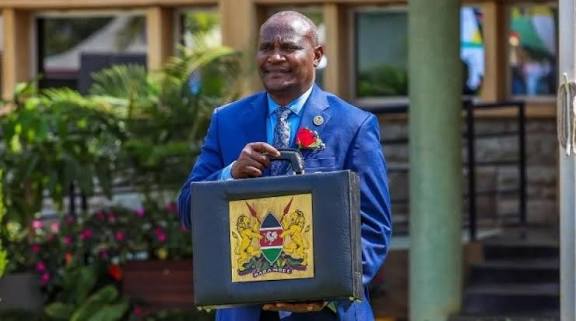
Treasury Cabinet Secretary John Mbadi has ordered a comprehensive review of Personal Income Tax, Value Added Tax (VAT), petroleum excise duty and corporate taxation ahead of the Finance Bill 2027. The exercise follows recommendations from various groups and is aimed at examining how the current tax policies affect employees, businesses, consumers and the wider economy. The review is expected to assess the impact of existing tax measures on household incomes, the cost of living, fuel prices, business operations and investment. It will also provide an opportunity to identify areas that may require adjustments to improve fairness, strengthen tax compliance and enhance government revenue collection. As preparations for the 2027 Finance Bill gather pace, the outcome of the review is likely to attract significant public attention, given the potential implications for workers, entrepreneurs, investors and ordinary Kenyans.
Treasury Cabinet Secretary John Mbadi has directed a comprehensive review of several major tax measures as the government prepares for the Finance Bill 2027. The proposed exercise will focus on Personal Income Tax, Value Added Tax (VAT), petroleum excise duty and corporate taxation, following recommendations submitted by different groups and stakeholders.
The review is expected to examine how the existing tax framework affects individuals, businesses and the wider economy, while identifying areas that may require adjustments. The government is seeking to assess whether the current taxation system is achieving its intended objectives and whether changes could improve revenue collection without placing unnecessary pressure on households and enterprises.
The directive comes at a time when taxation remains one of the most important issues in Kenya's economic discussions. Taxes provide the government with revenue to finance public services, infrastructure projects, development programmes and other national responsibilities. However, the amount collected, the methods used and the categories of people and businesses affected continue to attract public attention.
The review of Personal Income Tax is expected to examine the impact of taxation on employees and other income earners. Personal Income Tax affects individuals who receive taxable income, including workers in both the public and private sectors. Any adjustments to this area could have implications for take-home pay, household spending and the ability of individuals to meet their daily financial obligations.
For many employees, the amount deducted from their salaries plays an important role in determining how much money remains available after statutory obligations have been met. Changes to tax rates, income brackets, reliefs or other provisions could therefore influence household budgets and personal financial planning.
The government will need to consider how the existing system affects people earning different levels of income. A review could provide an opportunity to assess whether the tax structure distributes obligations fairly and whether the current arrangements remain appropriate under changing economic conditions.
Another major area identified for examination is Value Added Tax, commonly known as VAT. This tax is applied to taxable goods and services and can influence the prices paid by consumers. Because VAT affects transactions across different sectors, changes to its application could have consequences for households, traders, manufacturers and service providers.
The review is expected to consider how VAT affects the cost of goods and services and the wider business environment. Consumers often experience the impact of indirect taxation through the prices they pay when purchasing products or accessing services. Businesses, on the other hand, must comply with the relevant tax requirements while managing operational costs and maintaining their competitiveness.
Any proposed changes to VAT will therefore need to take into account the relationship between government revenue, consumer affordability and the cost of doing business. The government will have to examine whether the existing framework is working effectively and whether adjustments could improve compliance and support economic activity.
Petroleum excise duty is also among the areas targeted for review. Fuel taxation is particularly significant because petroleum products are essential to transportation, manufacturing, agriculture and several other economic activities. The cost of fuel can influence the prices of goods and services, making changes to petroleum-related taxes an issue of concern for many Kenyans.
Transport operators, manufacturers, farmers and businesses that depend on fuel may be affected by adjustments to petroleum excise duty. Increased costs in the energy and transport sectors can place pressure on the wider economy, while changes in taxation may also affect government revenue.
The review is expected to examine the broader implications of the existing petroleum excise duty framework and how it interacts with economic activity. This will be important in assessing the balance between raising public revenue and maintaining manageable costs for businesses and consumers.
Corporate taxation forms another important part of the exercise. Companies operating in Kenya are required to meet tax obligations on their taxable profits, and the structure of corporate taxation can influence investment decisions, business expansion and employment opportunities.
The government is expected to examine how the current corporate tax framework affects businesses of different sizes and across various sectors. Large companies, medium-sized enterprises and smaller businesses operate under different financial conditions, meaning that tax obligations can have varying effects on their ability to grow and remain competitive.
A review of corporate taxation could also provide an opportunity to assess whether the existing system encourages investment, supports business development and promotes compliance. The government must consider how to maintain a reliable revenue base while ensuring that the tax environment does not discourage companies from expanding their operations or creating employment opportunities.
The involvement of recommendations from various groups suggests that the review is intended to consider different perspectives before decisions are made on the proposed tax measures. Stakeholders in the economy often raise concerns about the effects of taxation on households, businesses, investment and the cost of living.
Such recommendations can help highlight areas where the existing tax system may be creating difficulties or where adjustments could improve its effectiveness. They may also provide information on how different sectors are responding to current tax requirements and the challenges they face in meeting their obligations.
The preparation of the Finance Bill 2027 provides an opportunity for the government to assess the country's taxation policies and determine whether legislative changes are necessary. The Finance Bill is an important part of the annual budget process because it contains proposals relating to taxation and other measures intended to support government revenue and financial planning.
The proposed review is therefore expected to contribute to discussions surrounding the next financial year's tax policy. Its findings could help inform decisions on whether existing provisions should be maintained, amended or replaced with alternative measures.
However, reviewing the tax system involves balancing several competing priorities. The government needs sufficient revenue to meet its financial obligations, while taxpayers want a system that is fair, predictable and manageable. Businesses also require a stable tax environment that allows them to plan investments, manage expenses and operate with confidence.
The cost of living remains a major consideration whenever changes to taxation are discussed. Households are affected by both direct and indirect taxes, whether through deductions from income or the prices of goods and services. Any proposed adjustments could therefore attract significant public interest, particularly where they have the potential to influence household spending.
For businesses, the outcome of the review could shape decisions on pricing, employment, expansion and investment. Companies must take tax obligations into account when planning their operations, and uncertainty surrounding future tax changes can affect long-term financial decisions.
The review could also contribute to broader efforts to strengthen tax administration and improve compliance. A well-structured tax system requires clear regulations, effective enforcement and procedures that allow taxpayers to understand and meet their obligations. Improving these areas can help reduce disputes, discourage tax evasion and support more reliable revenue collection.
As the government prepares for the Finance Bill 2027, the examination of Personal Income Tax, VAT, petroleum excise duty and corporate taxation is likely to remain an important part of the national economic debate.
The findings will be significant in determining whether changes are needed to make the tax system more responsive to the country's economic conditions. They will also help shape discussions on how the government can raise revenue while considering the financial pressures facing ordinary Kenyans and the business community.
The directive by Treasury Cabinet Secretary John Mbadi sets in motion a review of four important areas of taxation ahead of the 2027 Finance Bill. The eventual proposals will be closely watched by employees, consumers, investors and businesses because of the potential impact on incomes, prices, operating costs and the wider economy.

You Might Also Like
-
African Union Commission Chair Mahmoud Ali Youssouf has called on African countries to strengthen their economies through increased local production, value addition and expanded intra-African trade. He urged governments to remove trade barriers, improve cross-border infrastructure, connect regional
-
Education Cabinet Secretary Julius Ogamba has appointed a 52-member task force to investigate the rising cases of unrest in Kenyan schools, following the reporting of more than 687 incidents during the second term of 2026. The team has been given 90 days to examine the causes of the disturbances, as
-
IEBC CHAIRPERSON ETHEKON QUESTIONS PRACTICALITY AND COST OF LIVESTREAMING RESULTS FROM 50,000 POLLING STATIONS **NEWS ARTICLE:** Independent Electoral and Boundaries Commission (IEBC) Chairperson Erastus Ethekon has questioned the practicality of livestreaming electoral activities from every p
-
The meeting convened by Interior Cabinet Secretary Kipchumba Murkomen, attended by PS Raymond Omollo, IG Douglas Kanja, DIG Eliud Lagat, DIG Gilbert Masengeli and leaders from Isiolo and Garissa, marks an important government intervention following the recent deadly inter-community clashes. The eig
-
Football Kenya Federation (FKF) has partnered with the Kenya Red Cross Society in an agreement valued at approximately KSh54 million aimed at strengthening medical preparedness and emergency response across Kenyan football. The collaboration seeks to improve the safety and welfare of players, coache
-
President William Ruto has announced an increase in Hustler Fund borrowing limits for approximately 4.5 million Kenyans who have demonstrated responsible repayment behaviour. The move is aimed at expanding access to affordable credit, supporting small-scale traders and entrepreneurs, and strengtheni