




ALIKO DANGOTE TAKES CENTRE STAGE AS LAMU REFINERY PROJECT BEGINS
Nigerian billionaire Aliko Dangote is set to expand his industrial footprint in Kenya with the proposed Sh2.2 trillion East Africa Oil Refinery in Lamu, a project expected to boost the region’s energy and industrial development.
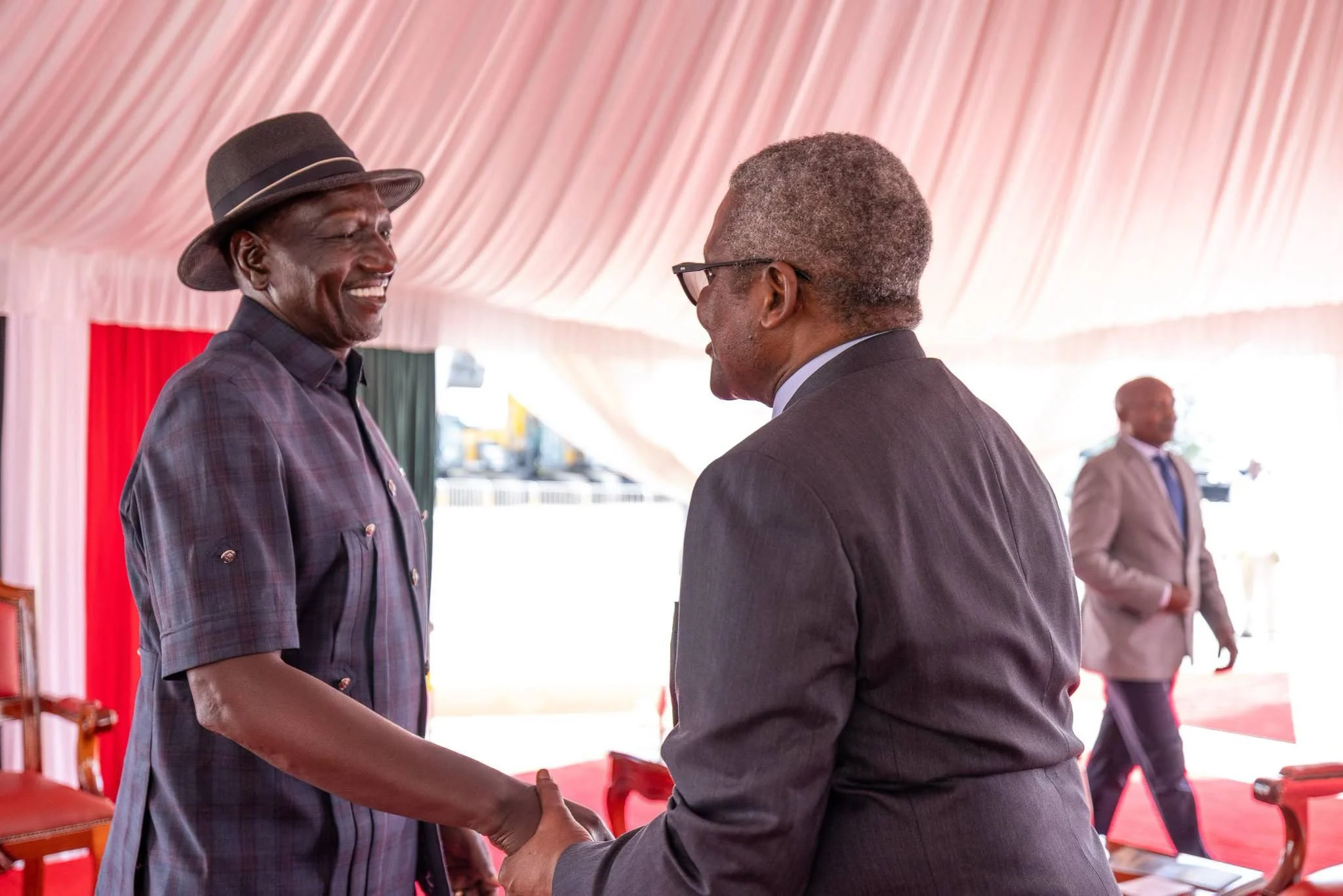
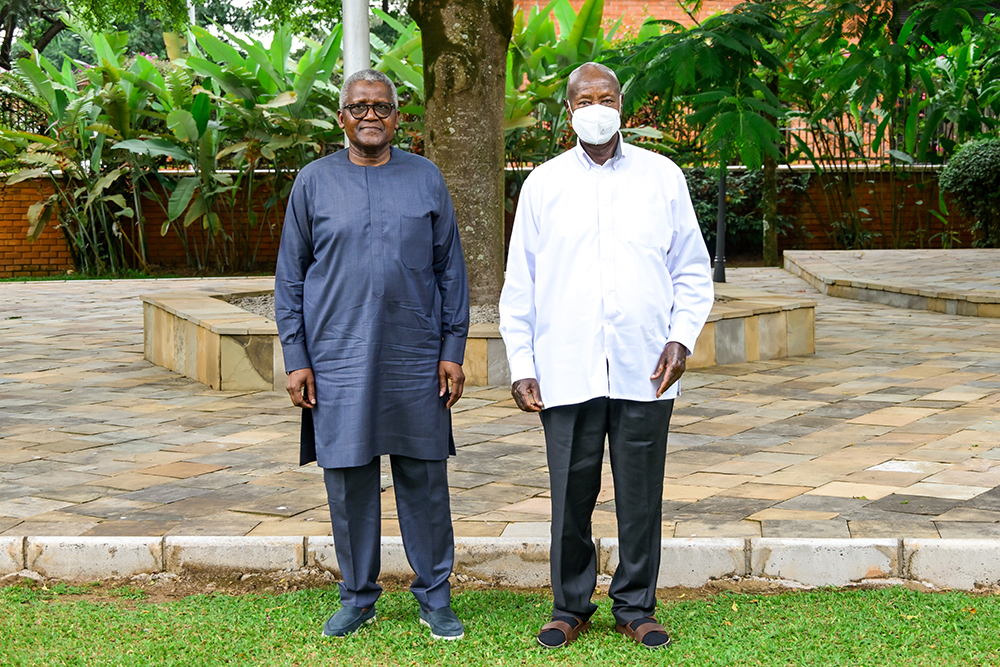
Nigerian billionaire Aliko Dangote is at the centre of attention in Kenya as he prepares to launch construction of a major oil refinery project in Lamu, a multibillion-shilling investment expected to significantly expand the country’s industrial and petroleum-processing capacity.
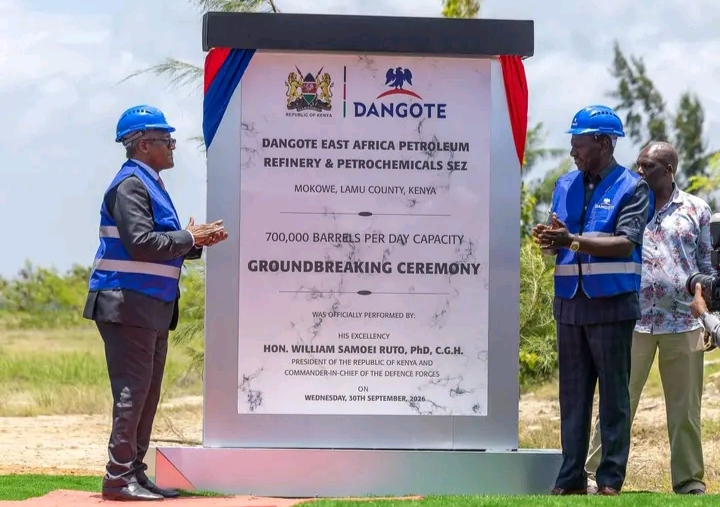
The proposed Dangote East Africa Oil Refinery is scheduled for groundbreaking in Lamu on September 30, 2026, with President William Ruto expected to lead the ceremony alongside Dangote and other regional leaders. The project has been valued at about Sh2.2 trillion, although figures reported by Dangote and Kenyan authorities have varied depending on the dollar-to-shilling conversion and project valuation.
The proposed facility is designed to process up to 700,000 barrels of crude oil per day. If completed as planned, it would become one of the largest petroleum-processing facilities in Africa and the biggest refinery project of its kind in East Africa. The refinery is expected to supply petroleum products to Kenya and neighbouring countries, potentially strengthening the region’s refining and energy infrastructure.
Dangote’s Expanding Industrial Footprint
Dangote has built a reputation across Africa for investing in large-scale industrial projects, particularly in cement, fertiliser, food processing, manufacturing and energy.
His business empire has expanded into several African markets, while his most prominent energy investment is the 700,000-barrel-per-day Dangote Refinery in Lagos, Nigeria.
The Lagos refinery has become an important reference point as Kenya prepares to develop its own large-scale facility. President Ruto visited the Nigerian refinery on September 25, 2026, as Kenya moved closer to the formal launch of the Lamu project.
The proposed Lamu facility is expected to draw on lessons from Dangote’s Nigerian operations while creating a new industrial base on Kenya’s northern coast.
A Major Investment for Lamu
The refinery is planned on land associated with the Lamu Port-South Sudan-Ethiopia Transport, or LAPSSET, corridor.
Its location is significant because Lamu Port is intended to serve as a major gateway connecting Kenya with northern Kenya, Ethiopia, South Sudan and other regional markets.
The development of a large refinery alongside the port could therefore create demand for additional transport, storage, logistics, engineering and manufacturing services.
Kenyan officials have also linked the refinery to the development of related industries, including fertiliser, chemicals and packaging. This could broaden the economic impact beyond petroleum processing alone.
Machinery Already Arriving
Preparations for construction have moved beyond planning, with heavy machinery already arriving at the Port of Lamu.
The Kenya News Agency reported that 2,930 metric tonnes of heavy construction machinery arrived aboard the vessel MV Da Yang ahead of the groundbreaking ceremony. The arrival was described as an important milestone as the project moves towards the construction phase.
The arrival of specialised equipment also highlights the importance of Lamu Port to the project. Kenya Ports Authority officials have said the port will have a central role in handling construction cargo and, later, petroleum-related shipments associated with the refinery.
Regional Energy Ambitions
The refinery is being positioned as more than a Kenyan project.
The proposed 700,000-barrel-per-day facility is expected to serve markets across East and Central Africa, with Kenya seeking to strengthen its position as a regional petroleum-processing and distribution hub.
The project comes at a time when several countries in the region remain heavily dependent on imported refined petroleum products.
Supporters of the project have therefore presented the refinery as an opportunity to increase regional refining capacity and strengthen energy security.
The facility is also expected to support industrial development around Lamu and potentially create employment opportunities during construction and after operations begin. Reuters has reported that the project is expected to create more than 50,000 jobs, although the exact number of direct and indirect jobs will depend on the final development and operational structure.
The Question of Crude Supply
Despite the scale of the proposed refinery, questions remain over where sufficient crude oil will come from to maintain operations at full capacity.
Kenya’s current oil production is considerably below the refinery’s proposed 700,000-barrel-per-day capacity. Production from the South Lokichar fields in Turkana is expected to increase in the coming years, but domestic output alone would not be enough to supply the planned facility.
This means the refinery would likely need crude from other African producers and international markets.
The issue of securing reliable and competitive crude supplies has therefore emerged as one of the key considerations surrounding the project.
Land Dispute and Court Challenge
The project is also facing a legal challenge over land.
A group of local residents has taken the matter to court, raising concerns over land ownership and occupation. Reports indicate that 133 petitioners are challenging plans involving part of the land earmarked for the refinery.
The legal proceedings have introduced uncertainty around activities on the disputed land, although the government has maintained that the groundbreaking ceremony will proceed as scheduled.
The Dangote Group has also said the court decision would not prevent the official launch, while acknowledging that legal proceedings could affect some activities at the site.
The land question is significant because Lamu has communities with long-standing claims and concerns regarding land rights, development and compensation.
A High-Profile Groundbreaking
The September 30 ceremony is expected to attract senior government officials, regional leaders, investors and other guests.
President William Ruto is expected to preside over the groundbreaking, while Dangote will represent the private-sector side of the investment.
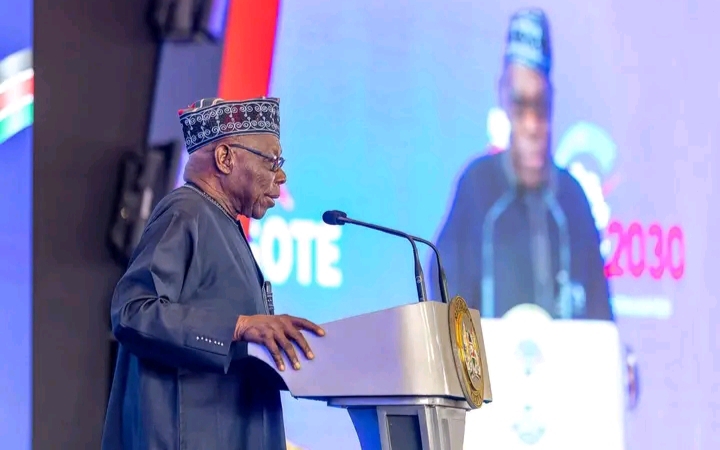
Several African leaders are also expected to attend, underlining the regional importance being attached to the proposed refinery.
For the Kenyan government, the event represents an opportunity to demonstrate its commitment to large-scale industrial investment and the expansion of the country’s energy infrastructure.
For Dangote, it marks another major step in the expansion of his industrial investments beyond Nigeria.
What the Project Could Mean for Kenya
If successfully completed, the refinery could change the nature of petroleum processing in Kenya and the wider region.
The country currently relies heavily on imported refined petroleum products. A large refinery at Lamu could provide an alternative source of fuel for domestic and regional markets.
The project could also stimulate demand for supporting businesses, including transport companies, engineering firms, construction contractors, equipment suppliers, hospitality businesses and other service providers.
For Lamu County, the anticipated economic activity could create new opportunities for local businesses and workers, although the scale of those benefits will depend on how local communities are incorporated into the project.
Looking Beyond the Groundbreaking
The groundbreaking ceremony is only the beginning of a much longer process.
Construction of a refinery of this scale will require significant investment, engineering expertise, infrastructure development and coordination between government agencies, private investors and regional markets.
The project will also have to navigate environmental, legal, land and energy-supply considerations.
For Dangote, the Lamu investment represents an opportunity to replicate part of the industrial model demonstrated by his Nigerian refinery while establishing a major presence in East Africa.
For Kenya, it is part of a broader ambition to transform Lamu into an important industrial and logistics centre through the LAPSSET corridor.
As construction begins, attention will now shift from the groundbreaking ceremony to the practical challenges of financing, building and eventually operating the massive facility.
The success of the project will ultimately depend not only on the size of the investment, but also on the ability to secure crude supplies, address legal and community concerns, develop supporting infrastructure and connect the refinery to reliable regional markets.
For now, Aliko Dangote and the proposed Lamu refinery have placed Kenya firmly in the spotlight as the country prepares to embark on one of its most ambitious industrial projects to date.

You Might Also Like
-
President William Ruto says Kenya will take a stake in the proposed Dangote East Africa Refinery and contribute its assets to the project, stressing that the country will invest and not expect anything for free.
-
Ugandan President Yoweri Museveni has praised Aliko Dangote as an African investor committed to developing the continent, while criticising leaders he says prioritise foreign interests over African development.
-
Prime Minister Abiy Ahmed's message during the Dangote East Africa Petroleum Refinery groundbreaking was centred on energy security, Ethiopia's access to additional fuel supplies, regional trade, industrialisation, investment and opportunities for young Africans. He described the Lamu refinery as a
-
Former Nigerian President Olusegun Obasanjo's attendance at the September 30, 2026 groundbreaking of the Dangote East Africa Petroleum Refinery in Lamu added historical and continental significance to the ceremony. His presence alongside President William Ruto, Aliko Dangote and other African leader
-
President William Ruto's September 30, 2026 groundbreaking ceremony with Aliko Dangote marks a major new chapter in Kenya's energy and industrial development. The proposed Sh2.2 trillion, 700,000-barrel-per-day Dangote East Africa Petroleum Refinery is expected to supply petroleum products to Kenya
-
The EPRA report released on September 29 provides a broad assessment of Kenya's energy and petroleum sectors for the year ended June 30, 2026. Its findings show record electricity demand, increased generation, continued dominance of renewable energy, rising household electricity consumption, higher