Caleb Amisi Criticises Leaders Who Skipped Raila Odinga’s Anniversary Over Gachagua’s Possible Attendance
Caleb Amisi has strongly criticised leaders who allegedly skipped the first anniversary of the late former Prime Minister Raila Odinga because former Deputy President Rigathi Gachagua could have attended the commemoration. Amisi described the reported decision as insincere, inhumane and ungrateful, arguing that leaders who benefited from Baba’s benevolence should have demonstrated respect for his legacy regardless of their political differences with other attendees. His remarks have sparked debate about political loyalty, gratitude and the relationships Raila maintained with leaders from different political camps during his lifetime. The controversy has also renewed discussions about the importance of setting aside political disagreements during memorial events to honour individuals who played significant roles in Kenya’s political history. As reactions continue, the circumstances surrounding the alleged absence of the leaders remain important in understanding the full context of Amisi’s criticism.
Member of Parliament Caleb Amisi has criticised leaders who allegedly declined to attend the first anniversary commemorating the late former Prime Minister Raila Odinga because former Deputy President Rigathi Gachagua could have attended the event.
Amisi described the reported decision as insincere, inhumane and ungrateful, arguing that leaders who benefited from Raila Odinga’s generosity should have demonstrated respect by attending the anniversary regardless of who else was expected to be present.
His remarks have drawn attention to the relationships that existed between Raila Odinga and various political leaders during his lifetime, as well as the expectations surrounding the commemoration of a figure who played a significant role in Kenya’s political history.
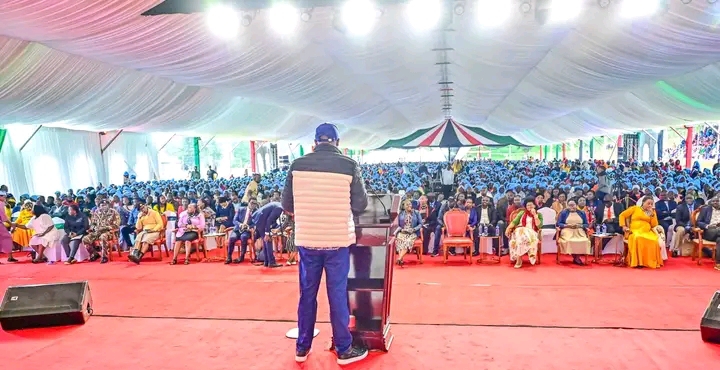
The anniversary was an opportunity for family members, political allies, friends and other Kenyans to reflect on Raila’s contribution to the country and remember his legacy. The event also provided an occasion for leaders from different political backgrounds to pay tribute to his life and political journey.
Amisi’s criticism centres on the argument that personal or political disagreements should not prevent individuals from honouring a departed leader. In his view, the decision to attend a memorial event should be guided by respect for the person being remembered rather than by concerns about the presence of another political figure.
The remarks have also renewed discussions about political loyalty, gratitude and the responsibilities of leaders who previously benefited from relationships with influential figures.
Amisi Questions the Decision to Skip the Anniversary
In his statement, Amisi expressed disappointment with leaders who allegedly chose not to attend the anniversary because Gachagua might have been among those present.
The legislator argued that such a decision reflected a lack of sincerity towards Raila Odinga and the people who valued his contribution to Kenya.
By describing the reported action as inhumane and ungrateful, Amisi suggested that the circumstances surrounding a memorial gathering should be considered separately from disagreements involving other political personalities.
His argument is that remembering a departed leader should not become an extension of political competition or rivalry.
Anniversaries and memorial services often bring together people whose political views differ. Such gatherings can provide an opportunity to set aside disagreements temporarily and recognise an individual's contribution to public life.
For Amisi, the reported absence of some leaders raised questions about whether personal interests and political calculations had taken precedence over the responsibility to honour Raila's memory.
His remarks placed particular emphasis on the concept of gratitude, suggesting that individuals who had benefited from Raila's support during his lifetime had a reason to demonstrate respect during the commemoration.
However, the specific circumstances behind the alleged decision by the leaders were not detailed in the statement provided. Their identities, explanations and individual reasons for not attending would need to be established before drawing conclusions about their motivations.
Remembering Raila Odinga’s Political Legacy
Raila Odinga was one of Kenya’s most influential political figures, with a career spanning several decades. He played a prominent role in opposition politics, constitutional reform and national discussions about democratic governance.
Throughout his political journey, Raila built relationships with leaders from different political parties and communities. His political career included periods of cooperation, disagreement and negotiation with people who held different positions on national issues.
He was also a central figure in several major political developments that shaped Kenya's modern history.
For many of his supporters, Raila represented a long struggle for political change, greater accountability and expanded democratic participation. His supporters frequently highlighted his persistence in public life and his role in advancing debates about governance and constitutional reform.
His political relationships also extended beyond those who consistently supported his positions. At different points in his career, he engaged with political opponents and participated in arrangements intended to address national challenges.
This history is part of the reason his memorial events attract interest beyond his immediate family and political party.
The first anniversary of his death offered an opportunity for Kenyans to reflect on his contribution and consider the impact he had on the country's political development.
Amisi's comments emphasise that such a commemoration should remain focused on the person being remembered rather than becoming a contest over which political figures are present.
The Significance of Political Gratitude
Amisi's remarks have placed gratitude at the centre of the debate.
In politics, relationships often develop through cooperation, mentorship, public support and shared political interests. Leaders may receive assistance, encouragement or opportunities through their relationships with influential figures.
These relationships can create expectations of mutual respect, although political alliances do not always remain unchanged.
Amisi's argument is that leaders who benefited from Raila Odinga's benevolence should have demonstrated appreciation by attending his anniversary, regardless of the possibility that Gachagua would also be present.
The statement raises a broader question about the meaning of gratitude in public life and whether past political relationships should influence how leaders behave during moments of remembrance.
For some observers, attending a memorial is a personal decision that may reflect respect, friendship or recognition of an individual's contribution. Others may argue that political differences should not automatically prevent leaders from participating in events intended to honour a departed public figure.
At the same time, attendance at an anniversary cannot, on its own, establish the sincerity of an individual's respect. People may have different personal, logistical or political reasons for attending or remaining absent.
For this reason, discussions about the controversy should distinguish between Amisi's criticism and the explanations that the leaders concerned may provide.
Nevertheless, his statement reinforces the view that respect for a departed leader should not necessarily depend on the political identities of other people attending the same gathering.
Gachagua’s Possible Attendance and Political Differences
The reference to former Deputy President Rigathi Gachagua is central to Amisi's criticism.
Gachagua is a prominent political figure whose relationships with other leaders have featured in Kenya's political discussions. His possible attendance at the anniversary appears to have been the issue highlighted in Amisi's remarks.
According to the legislator's argument, the possibility of Gachagua attending should not have been sufficient reason for other leaders to stay away from the commemoration.
The criticism reflects the challenges that can arise when political disagreements influence participation in public events.
Kenyan politics often brings together leaders with different ambitions, party affiliations and positions on national matters. These differences can shape public appearances and political engagements, particularly when the individuals involved have previously disagreed.
However, memorial services and anniversaries serve a different purpose from campaign rallies or party meetings. Their central focus is generally the remembrance of a person and recognition of that individual's life and contribution.
Amisi's position is that the presence of a political figure should not overshadow the importance of honouring Raila Odinga.
Whether the leaders concerned had other reasons for their absence remains a separate question. Their own explanations would be important in establishing the circumstances surrounding the controversy.
Memorial Events and National Unity
Memorial events involving prominent national figures can provide an opportunity for unity, reflection and dialogue.
They bring together people who may disagree on political issues but share an interest in recognising an individual's place in the country's history.
In a politically diverse society, such occasions can demonstrate that disagreement does not necessarily prevent people from acknowledging one another's contributions.
Raila Odinga's political career involved relationships with people across different political camps. His life therefore provides an opportunity to reflect on how political differences can coexist with respect for an individual's role in national affairs.
Amisi's criticism suggests that the anniversary should have been treated as an occasion for remembrance rather than as a platform for avoiding political opponents.
His argument also raises questions about how leaders can separate personal or political differences from public responsibilities and moments of national significance.
At the same time, national unity does not require everyone to agree on the same political issues. Leaders and citizens can maintain different opinions while participating in events that recognise shared history.
The significance of a memorial gathering lies in its purpose, and the participation of people with differing views can sometimes demonstrate the breadth of an individual's influence.
The Broader Debate About Political Loyalty
Amisi's remarks also contribute to a wider discussion about loyalty in Kenyan politics.
Political loyalty can be expressed through continued support, public recognition, cooperation and participation in important events. However, the nature of political relationships can change over time as circumstances, priorities and alliances evolve.
Some people believe that leaders should remain appreciative of individuals who supported them during their political journeys. Others emphasise that political decisions should be based on current principles, interests and circumstances rather than obligations arising from previous relationships.
The controversy surrounding Raila Odinga's anniversary brings these perspectives into focus.
Amisi's position places emphasis on appreciation and respect, arguing that the alleged decision to stay away because of Gachagua's possible presence was inconsistent with the gratitude owed to Raila.
The criticism has therefore shifted attention towards the expectations that accompany political relationships, especially when the person being remembered is no longer alive to participate in public discussions.
Ultimately, assessing the circumstances requires a clear understanding of what happened, why the leaders concerned were absent and whether their explanations support or contradict the interpretation presented by Amisi.
Conclusion
Caleb Amisi has strongly criticised leaders who allegedly skipped the first anniversary of the late Raila Odinga because former Deputy President Rigathi Gachagua could have attended the event.
Describing the reported decision as insincere, inhumane and ungrateful, Amisi argued that those who benefited from Raila's benevolence should have shown respect for his memory regardless of political differences.
His remarks have highlighted broader questions about gratitude, political loyalty and the ability of leaders to separate personal disagreements from occasions of remembrance.
The controversy also underscores the enduring significance of Raila Odinga in Kenya's political history and the attention surrounding events held in his honour.
While Amisi has made his position clear, the reasons behind the alleged absences and the responses of the leaders concerned remain important to understanding the full circumstances.
The debate ultimately returns to a central question raised by the legislator: should disagreements involving other political figures determine whether a leader attends an event commemorating someone who played a significant role in their political journey?
Amisi's answer is that respect and gratitude should come first.

You Might Also Like
-
Self-proclaimed preacher Paul Mackenzie and 29 co-accused have been found guilty on all 191 murder counts in the Shakahola case, marking a major development in one of Kenya’s most disturbing criminal investigations. The case is linked to the deaths of followers associated with Mackenzie’s Good N
-
President William Ruto has received the APSCA 2026 Continental Leadership Award for Visionary Governance and Human Capital Transformation, with Deputy Head of Public Service Amos Gathecha accepting the honour on his behalf. The recognition highlights the importance of leadership, effective governanc
-
Kenya is expected to experience varied weather conditions during this week's forecast period, with rainfall anticipated across western Kenya, the Lake Victoria Basin, the Rift Valley, Central Kenya, Nairobi and selected eastern and coastal areas. Thunderstorms are possible in some locations, while o
-
Siaya Governor James Orengo has condemned attacks and alleged propaganda directed at the Odinga family, describing them as a betrayal of the political struggles and sacrifices associated with the late former Prime Minister Raila Odinga. His remarks come amid growing political tensions over Raila’s
-
Over 6,000 widows meet in Kericho.Led by Governor Eric Mutai, Woman Representative Beatrice Kemei and Principal Secretary Ann Wangombe, the initiative brought attention to the need for sustainable programmes that enable widows to support their families and participate meaningfully in community devel
-
The decision by some farmers in Kapkoros, Bomet Central, to begin uprooting tea bushes has brought renewed attention to the challenges facing smallholder tea growers in Kenya. The reported KSh17-per-kilogramme bonus at Kapkoros for the 2025/2026 financial year has added to concerns about rising pro