James Orengo Condemns Attacks and Propaganda Against the Odinga Family, Describing Them as Acts of Betrayal
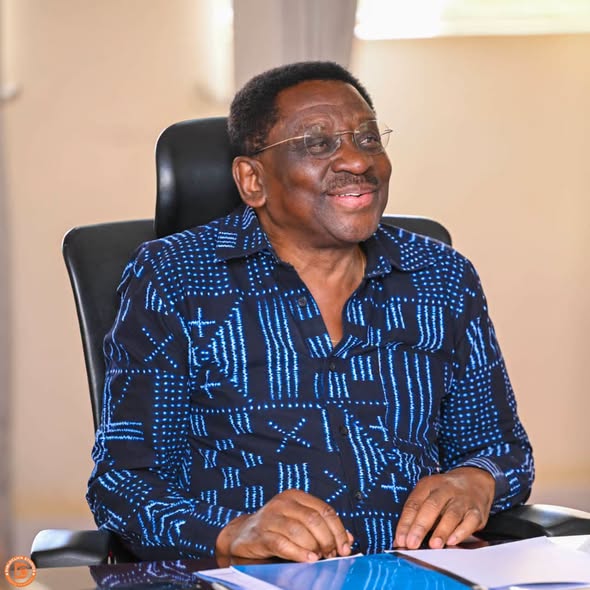
Siaya Governor James Orengo has condemned attacks and alleged propaganda directed at the Odinga family, describing them as a betrayal of the political struggles and sacrifices associated with the late former Prime Minister Raila Odinga. His remarks come amid growing political tensions over Raila’s legacy, the future of ODM and shifting alliances ahead of the 2027 General Election. Orengo has called for respect for the family’s historical contribution to Kenya’s democratic development, highlighting the need for responsible political discourse, political tolerance and unity among leaders who previously worked alongside the late opposition chief.
James Orengo Condemns Attacks and Propaganda Against the Odinga Family, Describing Them as Acts of Betrayal
Siaya Governor James Orengo has condemned attacks and propaganda directed at the Odinga family, describing the actions as a betrayal of the political struggle, personal sacrifices and longstanding relationships associated with the late former Prime Minister Raila Amolo Odinga.
Orengo's remarks come amid heightened political debate surrounding the Odinga family and the legacy of Raila, one of Kenya's most influential political figures, whose decades-long involvement in opposition politics helped shape the country's democratic development.
The Siaya governor has maintained close political and historical ties with Raila, having worked alongside him during different periods of Kenya's struggle for multiparty democracy and constitutional reform. His defence of the Odinga family reflects broader concerns among some political allies about the treatment of a family that has remained central to the country's political landscape for decades.
The controversy has also renewed discussions about political loyalty, the preservation of historical alliances and the responsibility of leaders to respect the contributions of individuals who played significant roles in Kenya's democratic transformation.
Orengo's condemnation places the focus on the growing importance of how Raila's legacy is remembered and interpreted following his death, particularly at a time when political alliances are shifting and leaders are positioning themselves ahead of future electoral contests.
Although political disagreements are an established feature of democratic competition, Orengo's position highlights the distinction between legitimate criticism and attacks that he believes undermine the dignity of the Odinga family and disregard its historical contribution to the country.
Orengo Defends the Odinga Family
Governor Orengo's defence of the Odinga family centres on the belief that the family's contribution to Kenya's political development deserves recognition and respect, regardless of changing political alliances or disagreements over current affairs.
Raila's political journey was marked by years of opposition activism, detention, political negotiations and campaigns for constitutional reforms. Throughout his career, he attracted both strong support and criticism, becoming a central figure in debates about democracy, governance and the distribution of political power.
For Orengo and other political allies who worked alongside him, Raila's legacy is closely associated with the struggle to expand democratic freedoms and create a more inclusive political system.
The governor's condemnation of attacks and propaganda against the family therefore reflects a wider concern that political disagreements should not erase the historical circumstances under which alliances were formed or the sacrifices made by those involved.
The Odinga family has remained prominent in Kenyan public life for generations. Jaramogi Oginga Odinga, Raila's father, was a major figure in the country's independence movement and served as Kenya's first vice-president before falling out with the government of President Jomo Kenyatta.
Raila subsequently emerged as a leading opposition politician, building his influence through political mobilisation, reform campaigns and several presidential contests.
These historical connections have given the family a distinctive place in the country's political history. Supporters regard its contribution as an important part of Kenya's democratic journey, while political opponents have frequently challenged its positions and influence.
Orengo's intervention underscores the argument that political disagreements should be conducted in a manner that recognises the dignity of individuals and avoids unfairly targeting family members because of their political associations.
Concerns Over Propaganda and Political Attacks
The governor's criticism also draws attention to the role of political communication in shaping public perceptions of leaders and their families.
In Kenya's competitive political environment, public statements, social media posts and political commentary can quickly influence discussions about prominent individuals. Supporters and opponents frequently use these platforms to defend political positions, challenge rivals and debate the direction of national leadership.
However, the spread of misleading information and unsubstantiated allegations can complicate public debate, particularly when claims are circulated without adequate evidence.
Orengo's condemnation of what he characterises as propaganda against the Odinga family reflects concerns about the use of political messaging to damage reputations or undermine longstanding relationships.
The distinction between criticism and propaganda is important. Public figures remain subject to scrutiny over their decisions, political positions and public conduct. Such scrutiny is a normal part of democratic accountability.
At the same time, claims presented as facts should be supported by evidence, and political criticism should not rely on fabricated information or deliberately misleading representations.
The challenge for political leaders and members of the public is to distinguish legitimate disagreement from claims intended to provoke hostility or distort the historical record.
Responsible political communication is particularly important when discussions involve the families of prominent leaders, as public commentary can easily become personal and extend beyond questions of policy or political performance.
Orengo's remarks therefore form part of a broader debate about political responsibility, public discourse and the treatment of individuals whose family histories are closely connected to national politics.
Raila Odinga's Political Legacy
Raila Odinga's legacy remains a central element of Kenya's political history. Over several decades, he became one of the country's most recognisable political figures, influencing national debates on governance, constitutional reform and electoral democracy.
His involvement in the campaign for multiparty democracy placed him among the prominent opposition figures who challenged Kenya's one-party political system in the late twentieth century.
He experienced detention and political persecution during the period of restricted political freedoms, experiences that became important parts of his public identity and political narrative.
Following the reintroduction of multiparty politics, Raila became a leading opposition figure and contested the presidency several times. His campaigns attracted significant support across different regions and brought questions about electoral processes, governance and national inclusion to the centre of public debate.
He also played a role in major political negotiations, including the power-sharing arrangement established after the disputed 2007 presidential election. The agreement helped end a period of widespread post-election violence and introduced a coalition government structure.
His political career was characterised by shifting alliances, negotiations with political opponents and repeated efforts to influence the direction of national governance.
For his supporters, Raila represented resilience and the pursuit of democratic reform. His critics, however, often disagreed with his political strategies, alliances and policy positions.
These contrasting views are part of the complexity of his legacy. Preserving an accurate historical account requires acknowledging both his contributions and the disagreements that accompanied his political career.
Orengo's defence of the Odinga family places particular emphasis on the sacrifices and political struggles associated with that history, arguing that they should not be dismissed amid contemporary political disputes.
The Importance of Political Loyalty
Political loyalty has long played a significant role in Kenya's political landscape, where relationships between leaders often develop over many years of campaigns, negotiations and shared struggles.
For politicians who worked closely with Raila, their relationship with him extended beyond electoral cooperation. It was shaped by common political objectives, personal relationships and experiences during periods of political uncertainty.
Orengo's condemnation of attacks against the Odinga family can therefore be understood within the context of these longstanding associations.
His position raises questions about how political leaders should treat former allies when political circumstances change and disagreements emerge over leadership, alliances or future electoral strategies.
In a competitive political environment, alliances are rarely permanent. Leaders may disagree over policy, join different political formations or adopt contrasting positions on national issues.
Such changes do not necessarily invalidate earlier cooperation, nor should they prevent public scrutiny of political decisions.
However, the language of betrayal reflects the strong expectations of loyalty that can develop among political allies who believe they have shared significant sacrifices in pursuit of common objectives.
For Orengo, the issue appears to extend beyond ordinary political disagreement to concerns about whether the historical relationship between leaders and the Odinga family is being treated with the respect it deserves.
The broader debate highlights the challenge of balancing political independence with recognition of past contributions.
Ultimately, political loyalty remains a matter of individual judgment, while public accountability requires leaders to explain their current positions and allow citizens to assess their actions.
Political Tensions and the Future of Opposition Politics
The controversy surrounding the Odinga family also comes at a time when Kenya's opposition landscape continues to experience political realignments.
The death of Raila left a significant gap in opposition politics and raised questions about the future of political coalitions, leadership structures and the continuation of his political agenda.
For decades, Raila had been able to mobilise substantial support, negotiate with rival political formations and influence national political discussions.
His departure has created a new environment in which political figures must navigate changing relationships and competing visions for the future.
Some leaders may seek to preserve the alliances associated with Raila, while others may favour new partnerships or different political strategies.
These developments can produce disagreements over how his legacy should be protected and who should carry forward the causes he championed.
The Odinga family remains an important part of this discussion because of its historical association with the country's opposition politics and democratic reform movements.
Orengo's defence of the family reflects the view that the transition following Raila's death should not become an excuse for disregarding the relationships and sacrifices that shaped his political journey.
At the same time, the future of opposition politics will depend on a range of factors, including policy priorities, organisational capacity, leadership decisions and the ability of political parties to respond to citizens' concerns.
Debates over Raila's legacy are therefore likely to remain part of wider discussions about the direction of Kenyan politics.
Calls for Responsible Political Debate
The controversy has renewed attention on the need for responsible political engagement, particularly when public disagreements involve prominent families and figures associated with historical struggles.
Kenya's democratic system provides space for citizens, journalists, civil society organisations and political leaders to question public decisions and challenge influential individuals.
That freedom is essential to accountability and should not be interpreted as a requirement for political agreement or silence in the face of controversy.
However, meaningful debate depends on the ability to distinguish factual information from speculation and to address disagreements without resorting to personal attacks or misleading claims.
Political leaders have a particular responsibility because their statements can influence public attitudes and shape the tone of national discussions.
When allegations are made against individuals or families, they should be assessed on the available evidence rather than accepted solely because of the political identity of the person making them.
Likewise, historical contributions should be examined carefully and placed within their proper context, rather than simplified to serve the immediate interests of competing political groups.
Orengo's remarks highlight the tension between defending a political legacy and maintaining an environment in which public figures remain open to scrutiny.
A constructive approach would allow the Odinga family to respond to criticism while ensuring that legitimate questions about political decisions remain part of public debate.
Such an approach would support democratic accountability while reducing the risk that political competition becomes dominated by hostility and personal accusations.
Preserving Historical Contributions
The debate over the Odinga family also raises questions about how Kenya preserves the memory of its political history.
The country's democratic development involved many individuals and movements whose contributions were shaped by different experiences, political beliefs and struggles.
Raila and Jaramogi Oginga Odinga occupy prominent places in that history, but their experiences also formed part of broader movements involving activists, political parties, civil society organisations and ordinary citizens.
Recognising the contributions of prominent families does not require overlooking the role of others. Instead, a comprehensive understanding of Kenya's political development should acknowledge the different individuals and institutions that contributed to major national changes.
Orengo's condemnation reflects his concern that attacks directed at the Odinga family risk diminishing the significance of its historical role.
The debate also offers an opportunity to examine how political history is discussed and preserved, particularly as new generations engage with events that shaped the country's current institutions.
Accurate historical documentation, open discussion and respect for evidence can help ensure that political legacies are assessed fairly.
This is particularly important during periods of political transition, when competing groups may seek to define the meaning of a prominent leader's life and determine how that legacy should influence future politics.
Conclusion
James Orengo's condemnation of attacks and propaganda against the Odinga family has brought renewed attention to political loyalty, historical recognition and the responsibilities that accompany public debate.
His position reflects the longstanding relationship between the Siaya governor and Raila Odinga, as well as his concern about how the family's contribution to Kenya's democratic development is treated amid changing political circumstances.
The controversy comes at a time when the future of opposition politics remains a subject of discussion following Raila's death and when political leaders are reassessing alliances ahead of future elections.
While disagreements over leadership, strategy and political direction are inevitable in a democratic society, the debate underscores the importance of evidence-based criticism and responsible public communication.
For supporters of Raila's legacy, preserving the memory of his political struggles remains an important priority. For his critics, the opportunity to question his record and the positions of his associates remains equally part of democratic discourse.
The challenge is to ensure that these competing perspectives can coexist without allowing misinformation or personal hostility to overshadow substantive political debate.
Ultimately, the discussion surrounding Orengo's remarks extends beyond one family or one political relationship. It reflects a wider question about how Kenya recognises its political history, manages changing alliances and maintains respect for democratic freedoms while holding public figures accountable.
As the country's political landscape continues to evolve, the Odinga family's legacy and the debates surrounding it are likely to remain important elements of national political discussion.

You Might Also Like
-
Self-proclaimed preacher Paul Mackenzie and 29 co-accused have been found guilty on all 191 murder counts in the Shakahola case, marking a major development in one of Kenya’s most disturbing criminal investigations. The case is linked to the deaths of followers associated with Mackenzie’s Good N
-
President William Ruto has received the APSCA 2026 Continental Leadership Award for Visionary Governance and Human Capital Transformation, with Deputy Head of Public Service Amos Gathecha accepting the honour on his behalf. The recognition highlights the importance of leadership, effective governanc
-
Kenya is expected to experience varied weather conditions during this week's forecast period, with rainfall anticipated across western Kenya, the Lake Victoria Basin, the Rift Valley, Central Kenya, Nairobi and selected eastern and coastal areas. Thunderstorms are possible in some locations, while o
-
Over 6,000 widows meet in Kericho.Led by Governor Eric Mutai, Woman Representative Beatrice Kemei and Principal Secretary Ann Wangombe, the initiative brought attention to the need for sustainable programmes that enable widows to support their families and participate meaningfully in community devel
-
The decision by some farmers in Kapkoros, Bomet Central, to begin uprooting tea bushes has brought renewed attention to the challenges facing smallholder tea growers in Kenya. The reported KSh17-per-kilogramme bonus at Kapkoros for the 2025/2026 financial year has added to concerns about rising pro
-
Democracy for the Citizens Party (DCP) leaders have accused President William Ruto’s administration of deliberately frustrating counties perceived to support the opposition, raising concerns over equitable resource allocation, development projects and service delivery. The leaders insist that poli