DCI Chief Mohamed Amin Warns Drug Money Could Finance Political Campaigns and Buy Influence
Director of Criminal Investigations Mohamed Amin has called for heightened vigilance against narcotics trafficking, warning that proceeds from the illegal drug trade could be channelled into political campaigns or used to purchase influence within Kenya’s political and public institutions. Amin cautioned that the threat posed by drug trafficking extends beyond the distribution and consumption of illegal substances, noting that money generated from the trade could potentially be used to interfere with political processes, strengthen criminal networks and gain access to positions of influence. His warning has renewed attention on the possible connection between organised crime, illicit financial flows and political activities, particularly the need to ensure that individuals involved in illegal businesses do not use their wealth to influence public affairs. The concerns also highlight the importance of monitoring suspicious financial transactions, strengthening investigations into money laundering and ensuring that political activities are funded through legitimate and transparent sources. Drug trafficking remains a major security and social concern because of its links to organised crime, corruption, substance abuse and other illegal activities. Criminal networks often generate substantial profits from the sale and distribution of narcotics, which can be used to expand their operations, recruit vulnerable individuals and conceal the origins of illegally acquired wealth. Amin's remarks underscore the need for stronger cooperation among investigative agencies, financial institutions and other relevant authorities to identify and disrupt these networks. The public has also been urged to remain alert and support efforts to combat illegal activities that threaten community safety, national security and the integrity of democratic institutions.
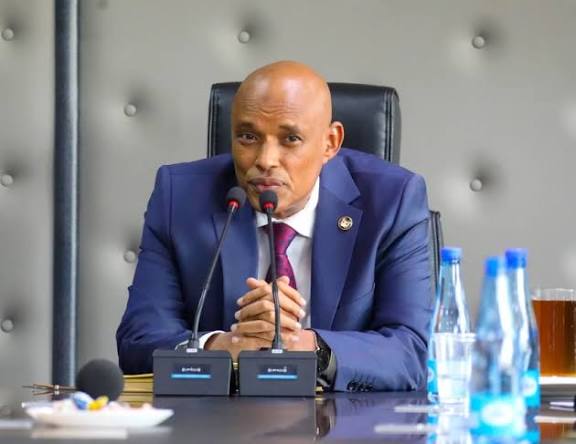
Director of Criminal Investigations Mohamed Amin has called for heightened vigilance against the growing threat posed by narcotics trafficking, warning that proceeds from the illegal drug trade could be channelled into political campaigns and used to purchase influence within the country’s political and public institutions.
Amin cautioned that drug trafficking is not merely a criminal activity involving the production, transportation and distribution of illegal substances, but also a serious threat to national security, governance and the integrity of democratic processes. He warned that individuals involved in the narcotics trade could seek to use their illegally acquired wealth to gain political influence, finance campaigns and establish connections with influential people.
The warning has brought renewed attention to the possible links between organised criminal networks and political activities, particularly as Kenya continues to strengthen efforts to combat drug trafficking and other forms of organised crime. Security agencies have repeatedly raised concerns about the ability of criminal groups to operate across borders, move large amounts of money and exploit weaknesses in law enforcement systems.
According to Amin's warning, money generated through narcotics trafficking could be used to support political activities, creating opportunities for individuals involved in organised crime to gain access to positions of influence. Such financial involvement could undermine transparency, accountability and public confidence in democratic institutions.
Political campaigns require substantial financial resources, including funding for mobilisation, communication, transportation, publicity and other organisational activities. Amin's concerns highlight the importance of ensuring that political financing comes from legitimate sources and that individuals seeking public office are not supported by proceeds of criminal activities.
The use of illicit money in political campaigns can create serious challenges for democratic governance. Individuals who finance political activities using proceeds from illegal businesses may seek favourable treatment, protection from investigations or access to government institutions. This could create conflicts of interest and weaken the ability of public institutions to operate independently.
The warning also highlights the need for stronger cooperation between investigative agencies, financial institutions and other government bodies responsible for monitoring suspicious financial transactions. Detecting and disrupting the movement of money generated through illegal activities is considered an important part of fighting organised crime.
Narcotics trafficking remains a major concern for security agencies because of its connection to other criminal activities, including money laundering, corruption, human trafficking and the illegal movement of firearms. Criminal networks involved in the drug trade often rely on complex financial arrangements to conceal the origins of their wealth and avoid detection by authorities.
The money obtained from narcotics trafficking can be moved through different channels, making it difficult for investigators to establish its original source. Criminal groups may use businesses, intermediaries and other financial arrangements to disguise illegal proceeds as legitimate income. This makes financial investigations an important component of efforts to dismantle organised criminal networks.
Amin's warning underscores the importance of addressing both the supply and financial sides of the narcotics trade. While security operations may target individuals involved in the production, transportation and distribution of illegal drugs, authorities must also investigate the financial networks that allow such activities to continue.
The Director of Criminal Investigations has called for heightened vigilance at a time when the country is facing growing concerns about the impact of organised criminal activities on communities and institutions. The warning serves as a reminder that the consequences of drug trafficking extend beyond those directly involved in the trade.
Drug trafficking has far-reaching social and economic consequences, particularly among young people who may become exposed to substance abuse, criminal networks and other harmful activities. The illegal trade can contribute to insecurity, family instability, school dropout rates and increased pressure on public health services.
Communities affected by drug trafficking often experience multiple challenges, including the availability of illegal substances, the exploitation of vulnerable individuals and the growth of criminal groups. Young people can be particularly vulnerable when criminal networks target them with promises of quick money, employment opportunities or other incentives.
The availability and use of narcotics can also contribute to addiction, which may affect individuals' health, education, employment and relationships. Families may experience financial difficulties and emotional distress when members become dependent on illegal substances. These challenges can extend to entire communities, particularly in areas where drug trafficking and substance abuse are widespread.
Amin's concerns therefore point to the need for a comprehensive approach that combines law enforcement with public education, prevention programmes and rehabilitation services. Security agencies cannot address the problem through arrests and seizures alone. Efforts must also focus on reducing demand for illegal substances and supporting people affected by addiction.
The possible use of narcotics proceeds to influence political activities raises additional questions about the importance of protecting institutions from criminal interference. Political processes depend on transparency, fair competition and the ability of voters to make independent decisions without being influenced by illegal financial interests.
When criminal money enters political activities, it can create an uneven playing field for candidates and political organisations that rely on legitimate sources of funding. It may also expose political institutions to pressure from individuals seeking to protect their illegal businesses or secure access to decision-making processes.
The concerns raised by Amin reinforce the importance of transparency in political financing and the enforcement of laws governing campaign contributions. Relevant institutions have a responsibility to ensure that political funding is properly monitored and that suspicious financial activities are investigated.
Financial institutions also play an important role in identifying and reporting transactions that may be connected to money laundering or other criminal activities. Effective monitoring systems can help authorities detect unusual financial movements and trace funds suspected to originate from illegal businesses.
Investigators must also work closely with international partners because narcotics trafficking is often a cross-border activity. Drug networks may operate in several countries, using different routes and financial systems to transport substances and conceal proceeds. Cooperation between law enforcement agencies can help identify suspects, share intelligence and disrupt criminal operations.
Kenya's geographical position makes regional and international cooperation important in addressing the narcotics trade. Criminal networks can exploit transportation routes, border points and maritime connections to move illegal substances. Tackling these activities requires coordinated action involving security agencies, customs authorities and other relevant institutions.
The warning also highlights the importance of protecting law enforcement institutions from corruption and interference. Investigations into organised crime can become difficult when criminal networks attempt to influence individuals responsible for enforcing the law. Maintaining professional standards, accountability and independence within security agencies is therefore essential.
Members of the public have also been encouraged to remain alert and report suspicious activities through appropriate channels. Community participation can support investigations by helping authorities identify locations, individuals and networks involved in illegal activities. However, such reporting should be handled responsibly and without exposing individuals to unnecessary risks.
Public awareness programmes can also help communities understand the dangers associated with narcotics trafficking and the wider consequences of organised crime. Schools, religious institutions, community organisations and local leaders can contribute to prevention efforts by educating young people about substance abuse and encouraging positive alternatives.
The fight against narcotics trafficking requires sustained commitment from government agencies and society as a whole. While enforcement operations remain necessary, long-term progress will depend on addressing the conditions that allow criminal networks to recruit individuals, generate profits and expand their influence.
Amin's warning places particular emphasis on the need to prevent illegal wealth from gaining access to political and public institutions. The possibility that money from narcotics trafficking could be used to finance campaigns or purchase influence demonstrates why the fight against organised crime must also protect democratic governance.
As Kenya continues to address drug trafficking and other forms of organised crime, the effectiveness of enforcement measures will depend on the ability of authorities to identify criminal networks, trace illicit financial flows and hold those responsible accountable.
The message from the Director of Criminal Investigations is therefore a call for vigilance beyond the traditional fight against illegal drugs. It highlights the importance of protecting the country's political processes, strengthening financial accountability and ensuring that proceeds from criminal activities do not become a source of influence over public affairs.
Safeguarding national institutions from criminal interference requires cooperation, transparency and consistent enforcement of the law. Amin's concerns serve as a reminder that the consequences of narcotics trafficking can extend into areas of governance and public administration, making it a matter that requires attention from security agencies, political institutions and the wider public.

You Might Also Like
-
Several businesses at Keumbu Market in Kisii County have been destroyed following a devastating midnight fire that left traders counting heavy losses on Saturday, November 14, 2026. Market chairman Samwel Ombui Ongaki said the fire was suspected to have started at a stall operating as a hotel before
-
A family in Ilula Village, Ainabkoi Constituency, Uasin Gishu County, is mourning the death of their loved one, Silah Kimutai Arusei, who reportedly died in April 2026 while fighting in the Russia-Ukraine war. Kimutai travelled to Qatar in 2022 in search of employment before moving to Russia, where
-
Kenya is facing growing concerns over building safety following revelations that approximately 100 buildings have collapsed across the country over the past 30 years, resulting in more than 40 deaths in the last five years alone. The alarming figures have renewed questions about construction standar
-
The Energy and Petroleum Regulatory Authority (EPRA) has maintained fuel prices for the November 15 to December 14, 2026 pricing cycle, keeping pump prices unchanged following its latest monthly review. In Nairobi, Super Petrol will retail at KSh226.96 per litre, Diesel at KSh227.76 and Kerosene at
-
The Maa Cultural Festival in Narok County was disrupted by chaos after violent confrontations erupted between two rival groups at Sekenani Gate on Saturday, November 14, 2026. Videos circulating on social media captured shocking scenes of attendees scampering for safety as the confrontation intensif
-
The death toll following the tragic Riverside wall collapse in Ngara, Nairobi County, has risen to four, with authorities confirming that search and rescue operations have officially come to an end after all individuals believed to have been at the site were accounted for. Kileleshwa Officer Command