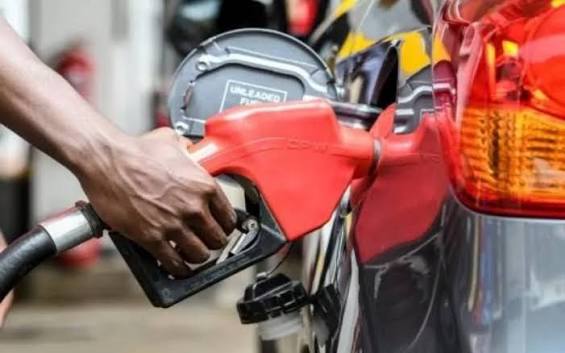
EPRA Maintains Fuel Prices for November–December 2026 Cycle as Government Injects KSh4.6 Billion to Cushion Consumers
The Energy and Petroleum Regulatory Authority (EPRA) has maintained fuel prices for the November 15 to December 14, 2026 pricing cycle, keeping pump prices unchanged following its latest monthly review. In Nairobi, Super Petrol will retail at KSh226.96 per litre, Diesel at KSh227.76 and Kerosene at KSh219.87. The decision comes after the government injected approximately KSh4.6 billion through the Petroleum Development Levy Fund to cushion consumers against rising international petroleum costs. The move is expected to provide temporary relief to motorists, public transport operators, businesses and households that continue to face pressure from the high cost of living. Fuel prices remain a major factor in determining transportation expenses, food distribution costs and the prices of essential goods and services across the country. The latest announcement means consumers will continue purchasing petroleum products at the existing rates until December 14, 2026, when the next EPRA review is expected to take effect.
The Energy and Petroleum Regulatory Authority (EPRA) has announced that fuel prices in Kenya will remain unchanged for the November–December 2026 pricing cycle, offering motorists and households a reprieve from further increases in the cost of petroleum products.
In its latest review released on Saturday, November 14, 2026, the regulator confirmed that the maximum retail pump prices for Super Petrol, Diesel and Kerosene would remain unchanged for the period running from November 15 to December 14, 2026.
The decision means motorists, businesses and households will continue purchasing petroleum products at the same regulated prices that applied during the previous pricing period.
According to EPRA, the decision followed an assessment of the weighted average cost of imported refined petroleum products during the review period. The authority also considered the various components that determine the maximum retail prices of petroleum products in the country.
The announcement comes at a time when Kenyans have been experiencing increased pressure from the cost of living, with fuel prices remaining a major concern for households, transport operators and businesses.
The government has also intervened through the Petroleum Development Levy Fund (PDLF), injecting approximately KSh4.6 billion to help stabilise fuel prices and protect consumers from the impact of rising international petroleum costs.
The intervention is intended to cushion consumers against further increases and maintain some stability in the domestic energy market.
Current fuel prices in Nairobi
According to the November 14 announcement, the maximum retail pump prices in Nairobi remain as follows:
- Super Petrol: KSh226.96 per litre.
- Diesel: KSh227.76 per litre.
- Kerosene: KSh219.87 per litre.
Prices are maximum regulated pump prices for the November 15–December 14, 2026 cycle.
These figures mean that motorists using petrol-powered vehicles will continue paying KSh226.96 for every litre purchased, while diesel users will pay KSh227.76 per litre. Households and other consumers using kerosene will continue paying KSh219.87 per litre.
The unchanged prices are expected to provide some predictability for consumers as they plan their household and business expenditure over the coming weeks.
One of the major developments surrounding the latest fuel price announcement is the government's decision to inject KSh4.6 billion through the Petroleum Development Levy Fund to support price stabilisation.
The intervention is aimed at cushioning Kenyan consumers from the effects of fluctuations in international petroleum markets, particularly at a time when global energy costs have continued to influence the price of imported fuel.
Kenya depends on imported refined petroleum products to meet domestic demand, making the local market sensitive to changes in international prices, shipping expenses, insurance costs and currency movements.
The government therefore uses available stabilisation mechanisms to manage the impact of international price fluctuations and prevent sudden increases from being transferred entirely to consumers.
The KSh4.6 billion intervention is expected to support the maintenance of the current pump prices during the latest pricing cycle.
For ordinary Kenyans, the decision is particularly important because fuel costs influence almost every sector of the economy.
Transport operators depend heavily on petrol and diesel to move passengers and goods, while manufacturers rely on petroleum products to support production and distribution activities.
Similarly, farmers and agricultural businesses depend on fuel to operate machinery, transport produce and access markets.
Any significant increase in fuel prices can therefore place additional pressure on businesses, potentially translating into higher costs for consumers.
By maintaining the current prices, the government is seeking to provide some relief and prevent additional pressure on households already dealing with the high cost of essential commodities.
EPRA explained that its latest decision was based on an assessment of the weighted average cost of imported refined petroleum products during the period under review.
The monthly pricing process considers several factors, including the cost of importing petroleum products, applicable taxes, levies, transportation expenses, storage charges and distribution costs.
International petroleum prices are among the most important considerations because Kenya relies on imported refined products.
However, changes in international crude oil prices do not automatically translate into immediate changes at local petrol stations.
This is because the regulator primarily considers the actual costs associated with importing refined petroleum products rather than relying solely on daily movements in crude oil markets.
The exchange rate between the Kenyan shilling and the United States dollar also plays an important role because petroleum imports are purchased in foreign currencies.
A weaker shilling can increase the amount importers spend on petroleum products, even when international oil prices remain relatively stable.
On the other hand, a stable or stronger shilling can help reduce pressure on import costs.
The regulator's latest decision therefore reflects the overall pricing calculations and the government's stabilisation intervention.
The prices announced will remain in force for 30 days, after which EPRA is expected to conduct another review and determine the maximum retail prices for the following cycle.
The decision to retain fuel prices is particularly significant for the public transport sector, which remains heavily dependent on petroleum products.
Matatus, buses, taxis and other commercial vehicles rely on petrol and diesel to provide daily transport services to millions of Kenyans.
Fuel expenses form a major component of their operating costs, alongside vehicle maintenance, insurance, salaries and other business expenses.
Maintaining the current prices provides transport operators with some certainty when calculating their daily operating expenses.
However, the announcement does not automatically translate into reduced public transport fares, since operators consider several other costs when determining the prices charged to passengers.
The transport and logistics industries are also expected to benefit from the stability because diesel is widely used in trucks and other commercial vehicles responsible for moving goods across the country.
Higher fuel expenses can increase the cost of transporting agricultural produce, construction materials, manufactured goods and essential commodities.
Consequently, keeping diesel prices unchanged could help businesses manage their distribution expenses and avoid additional cost pressures.
For small businesses, particularly those involved in deliveries and commercial transportation, predictable fuel prices can make financial planning easier.
The latest decision is therefore expected to offer some stability across different sectors of the economy.
The latest announcement is also important for households that depend on petroleum products for their daily activities.
Kerosene remains an important source of energy for some families, particularly those who use it for cooking and lighting. Maintaining its price at KSh219.87 per litre means these consumers will not face an additional increase during the current pricing period.
Similarly, petrol and diesel prices have a direct and indirect influence on the cost of living because they affect transportation, food distribution and the operation of various businesses.
When fuel prices increase, transporters may experience higher operating expenses, which can eventually influence the prices of goods and services.
Food commodities are particularly sensitive to transportation costs because agricultural produce must be moved from farms to collection centres, markets and retail outlets.
Maintaining fuel prices could therefore help prevent additional pressure on distribution expenses, although it does not guarantee that food prices will fall.
For households already struggling with rising living expenses, the decision provides some certainty when planning monthly budgets.
The latest EPRA announcement also comes amid changing conditions in the international petroleum market.
According to figures reported by the Central Bank of Kenya, Murban crude oil prices declined to approximately 90.07 US dollars per barrel on November 12, 2026, compared with 94.04 US dollars recorded on November 5.
The decline reflects changing conditions in the international oil market, where supply expectations and demand concerns have influenced petroleum prices.
However, international crude oil prices are only one component of Kenya's domestic fuel pricing formula.
The actual cost of imported refined petroleum products, exchange-rate movements, shipping expenses and other charges also determine the final prices announced by EPRA.
Kenya Times+1
Kenya's reliance on imported petroleum products means that developments in international energy markets will continue to influence local fuel prices.
The decision to maintain prices comes after a significant increase during the October 2026 review.
During that pricing cycle, EPRA raised the maximum retail prices of Super Petrol by KSh12.93 per litre, Diesel by KSh9.90 and Kerosene by KSh28.49.
The increases placed additional pressure on motorists, transport operators and households that depend on petroleum products.
The latest decision therefore prevents another increase during the November–December period, although it does not reverse the previous adjustments.
Consumers will continue paying the existing prices until December 14, unless an official regulatory adjustment is announced.
EPRA is expected to conduct another monthly review before the current pricing period expires.
The next review will consider the prevailing costs of imported refined petroleum products, applicable taxes, levies, distribution expenses and other factors included in the country's petroleum pricing formula.
The regulator will then announce the maximum retail prices that will apply from December 15, 2026.
Motorists and other petroleum consumers will be watching closely to determine whether future international market developments could create room for lower prices or whether the current rates will be maintained.
For now, the government's KSh4.6 billion stabilisation intervention and EPRA's decision to retain the existing pump prices provide some relief from the possibility of another immediate increase.
The announcement is particularly significant for the transport industry, businesses and households that have been dealing with the effects of fluctuating energy costs.
With Super Petrol remaining at KSh226.96, Diesel at KSh227.76 and Kerosene at KSh219.87 per litre in Nairobi, Kenyans will continue paying the existing rates until December 14, 2026

You Might Also Like
-
Several businesses at Keumbu Market in Kisii County have been destroyed following a devastating midnight fire that left traders counting heavy losses on Saturday, November 14, 2026. Market chairman Samwel Ombui Ongaki said the fire was suspected to have started at a stall operating as a hotel before
-
A family in Ilula Village, Ainabkoi Constituency, Uasin Gishu County, is mourning the death of their loved one, Silah Kimutai Arusei, who reportedly died in April 2026 while fighting in the Russia-Ukraine war. Kimutai travelled to Qatar in 2022 in search of employment before moving to Russia, where
-
Kenya is facing growing concerns over building safety following revelations that approximately 100 buildings have collapsed across the country over the past 30 years, resulting in more than 40 deaths in the last five years alone. The alarming figures have renewed questions about construction standar
-
The Maa Cultural Festival in Narok County was disrupted by chaos after violent confrontations erupted between two rival groups at Sekenani Gate on Saturday, November 14, 2026. Videos circulating on social media captured shocking scenes of attendees scampering for safety as the confrontation intensif
-
The death toll following the tragic Riverside wall collapse in Ngara, Nairobi County, has risen to four, with authorities confirming that search and rescue operations have officially come to an end after all individuals believed to have been at the site were accounted for. Kileleshwa Officer Command
-
Director of Criminal Investigations Mohamed Amin has called for heightened vigilance against narcotics trafficking, warning that proceeds from the illegal drug trade could be channelled into political campaigns or used to purchase influence within Kenya’s political and public institutions. Amin ca