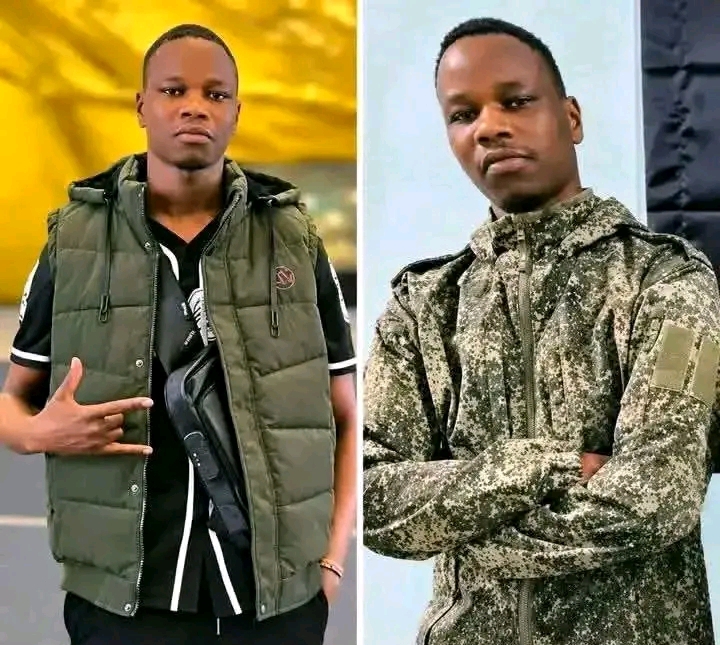
Uasin Gishu Family in Deep Mourning as Silah Kimutai Is Killed in Russia-Ukraine War, Appeals for Financial Assistance to Bring His Body Home
A family in Ilula Village, Ainabkoi Constituency, Uasin Gishu County, is mourning the death of their loved one, Silah Kimutai Arusei, who reportedly died in April 2026 while fighting in the Russia-Ukraine war. Kimutai travelled to Qatar in 2022 in search of employment before moving to Russia, where he reportedly joined the Russian military. His mother, Josephine, said they maintained communication until March 31, when contact suddenly stopped. The family later received confirmation of his death through a contact in Russia. His death has left the family without its breadwinner, with the unfinished house he had been building for his mother serving as a painful reminder of his dreams. The family is now appealing to President William Ruto, Musalia Mudavadi, the government and well-wishers for financial and diplomatic assistance to facilitate the repatriation of his body from Russia and allow him to receive a dignified burial in Kenya.
A family in Ilula Village, Ainabkoi Constituency, Uasin Gishu County, is going through a difficult moment following the death of their loved one, Silah Kimutai Arusei, who reportedly lost his life while fighting in the Russia-Ukraine war. The family is now appealing to the Kenyan government, well-wishers and other leaders to offer financial and logistical assistance to facilitate the repatriation of his body from Russia to Kenya for a dignified burial.The heartbreaking news has left relatives, friends and neighbours devastated, with the family struggling to come to terms with the loss of a loved one who had travelled abroad in search of better employment opportunities and a brighter future. According to a report published on November 13, 2026, Kimutai reportedly died on the frontline in April 2026, but his remains are still in Russia.
The family says its greatest wish is to have his body returned home so that relatives can give him a respectful farewell according to their family and cultural traditions. However, the process of bringing his remains back to Kenya has become a major challenge, particularly because of the financial and logistical difficulties associated with international repatriation.
The family is therefore calling upon President William Ruto, Prime Cabinet Secretary and Foreign Affairs Cabinet Secretary Musalia Mudavadi, and other relevant government departments to intervene and help them bring their son home.The family says Kimutai had not travelled abroad with the intention of losing his life in a war. Instead, he had hoped to secure employment and create a better future for himself and his relatives.
His decision to travel to Russia has now left his family facing an unimaginable loss. What was supposed to be a journey towards financial stability has ended in tragedy, with his loved ones now struggling to bring his remains back home.
The circumstances surrounding his recruitment and involvement in the military conflict have also raised concerns about the risks Kenyan jobseekers face when pursuing employment opportunities in foreign countries.Despite the concerns, the family maintained communication with him. His mother continued hoping that her son would remain safe and eventually return home.
However, their communication abruptly stopped on March 31, 2026.
The sudden silence created uncertainty among his relatives, who were unable to establish whether he was safe, injured or facing difficulties while serving in the military.
For a family that had been accustomed to communicating with their loved one, the loss of contact was a worrying development.
His mother and other relatives were left waiting for information, hoping that communication would eventually resume.Their efforts eventually led to the heartbreaking information that Kimutai had died while fighting in the conflict.
The contact reportedly informed the family on Saturday that their relative had died.
The confirmation brought an end to the uncertainty surrounding his whereabouts but introduced another difficult challenge: finding a way to bring his body back to Kenya.
The family now has to deal with the emotional pain of losing a loved one while simultaneously trying to navigate the complicated process of international repatriation.
His death has also left relatives questioning how they will manage without the person they depended on for financial and family support.According to the family, he was an important breadwinner whose earnings and support contributed to their hopes of achieving a better life.
His decision to seek employment outside Kenya was motivated by the desire to transform the lives of his loved ones.
One of the most painful reminders of his dreams is the house he had been constructing for his mother.
The house was part of his plans to give his mother a better living environment and provide her with security after years of hoping for improved family circumstances.
However, his untimely death has turned the project into a painful reminder of the future that the family had hoped to enjoy together.The most urgent concern facing the family is the financial and logistical challenge of transporting Kimutai's remains from Russia to Kenya.
The family is appealing for assistance from the government, leaders, friends, well-wishers and other people of goodwill who may be willing to support the repatriation process.
International repatriation of human remains involves several arrangements, including documentation, identification, coordination with relevant authorities, preparation of the body, transportation and clearance procedures.
These requirements can make the process difficult for families who do not have sufficient financial resources.
For Kimutai's family, the situation is particularly challenging because they have lost someone who was contributing to their financial wellbeing.According to the parliamentary report, the government had recorded 354 Kenyan nationals connected to the crisis, including those on the frontlines, those reported missing or killed, those hospitalised and those who had returned home. Sixty-two Kenyans had been repatriated at the time of the briefing.
Mudavadi also explained that the repatriation of deceased Kenyans was complicated by the location and condition of some remains.
He told senators that Russia had informed Kenya that it could not meet the costs of repatriating the remains of deceased Kenyans. Consequently, arrangements were being handled on a case-by-case basis.
Another important concern raised during the parliamentary briefing was the absence of a dedicated government fund for supporting returnees and repatriating the remains of Kenyans who die abroad in the conflict.Kimutai's death has also renewed attention on the dangers that Kenyan jobseekers may encounter while searching for employment opportunities outside the country.
Many young people travel abroad because of unemployment, financial difficulties and the desire to support their families.
Countries in the Middle East, Europe and other parts of the world have attracted Kenyan workers seeking better salaries and improved living conditions.
However, cases involving Kenyans who reportedly ended up in military operations in Russia have raised serious questions about recruitment procedures and the information provided to jobseekers before travelling.
Some families have reported losing communication with relatives who initially travelled abroad expecting employment opportunities.Burial is an important moment for families because it provides an opportunity to honour the deceased, come together and begin the difficult process of accepting their loss.
For Kimutai's relatives, conducting a burial without his body would be an extremely painful experience.
They want an opportunity to see their loved one brought home and give him a farewell surrounded by family members, friends and neighbours.
The family is also hoping that leaders from Uasin Gishu County and other well-wishers will stand with them during this difficult period.
They are appealing for financial contributions and any other support that could help meet the costs involved in the repatriation process.
Although the family has already received the devastating news of his death, the absence of his remains in Kenya continues to make the situation more difficult.He travelled to Qatar in 2022, later moved to Russia and reportedly joined the Russian military. His communication with his family stopped on March 31, and relatives subsequently received information that he had died on the frontline in April 2026.
His death has left his family grieving, financially vulnerable and facing the difficult task of bringing his remains home.
The unfinished house he had been constructing for his mother remains a reminder of the dreams he had for his family.
As the family appeals to President William Ruto, Musalia Mudavadi, the relevant government departments and well-wishers, its message is clear: they need support to bring their loved one home and give him a dignified burial.
The family hopes that the government will respond to its appeal and work through the relevant diplomatic channels to facilitate the repatriation process.
For Josephine and the rest of the family, bringing Silah Kimutai home would provide an opportunity to finally lay their loved one to rest and honour the memory of a man who left Kenya hoping to build a better future for those he loved.

You Might Also Like
-
Several businesses at Keumbu Market in Kisii County have been destroyed following a devastating midnight fire that left traders counting heavy losses on Saturday, November 14, 2026. Market chairman Samwel Ombui Ongaki said the fire was suspected to have started at a stall operating as a hotel before
-
Kenya is facing growing concerns over building safety following revelations that approximately 100 buildings have collapsed across the country over the past 30 years, resulting in more than 40 deaths in the last five years alone. The alarming figures have renewed questions about construction standar
-
The Energy and Petroleum Regulatory Authority (EPRA) has maintained fuel prices for the November 15 to December 14, 2026 pricing cycle, keeping pump prices unchanged following its latest monthly review. In Nairobi, Super Petrol will retail at KSh226.96 per litre, Diesel at KSh227.76 and Kerosene at
-
The Maa Cultural Festival in Narok County was disrupted by chaos after violent confrontations erupted between two rival groups at Sekenani Gate on Saturday, November 14, 2026. Videos circulating on social media captured shocking scenes of attendees scampering for safety as the confrontation intensif
-
The death toll following the tragic Riverside wall collapse in Ngara, Nairobi County, has risen to four, with authorities confirming that search and rescue operations have officially come to an end after all individuals believed to have been at the site were accounted for. Kileleshwa Officer Command
-
Director of Criminal Investigations Mohamed Amin has called for heightened vigilance against narcotics trafficking, warning that proceeds from the illegal drug trade could be channelled into political campaigns or used to purchase influence within Kenya’s political and public institutions. Amin ca