Eliud Lagat Warns Against Goonism and Political Violence Ahead of 2027 Elections
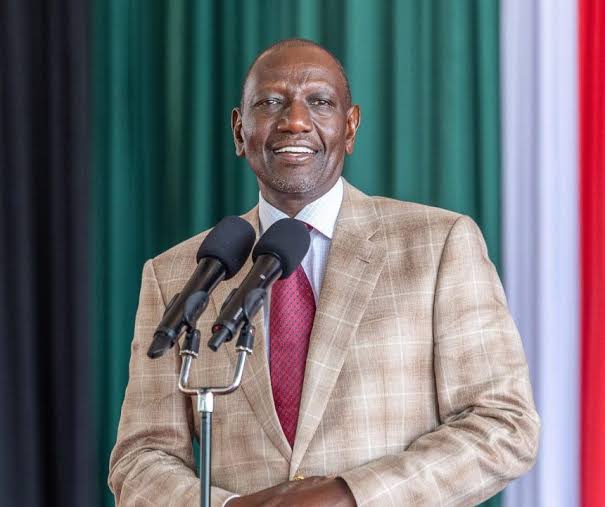
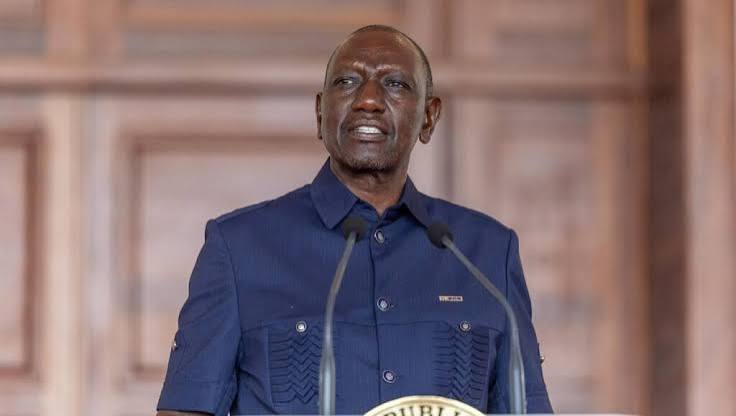
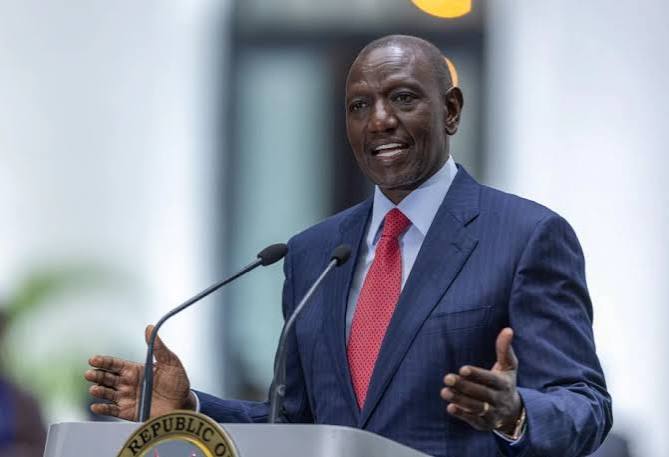
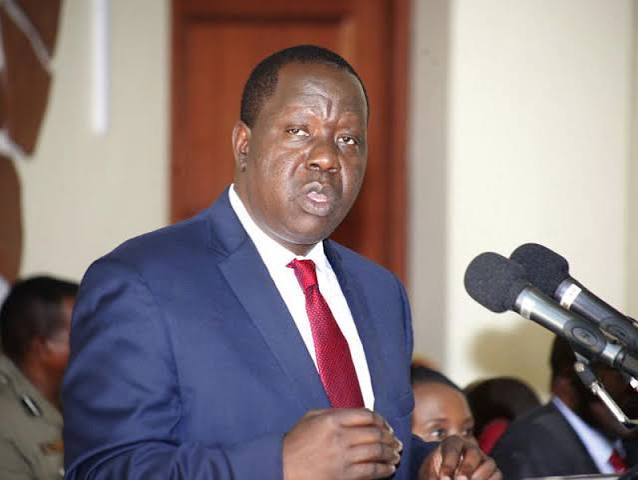
Deputy Inspector General of Police Eliud Lagat has warned that the National Police Service will not tolerate goonism, political violence, intimidation or any other criminal activities as Kenya approaches the 2027 General Election. Lagat's remarks come amid growing political engagements and preparations by leaders seeking to strengthen their support ahead of the next electoral contest. He has emphasised the importance of maintaining law and order, cautioning individuals and groups against using violence to disrupt political activities or intimidate those holding different political views. The warning also places responsibility on political leaders and their supporters to ensure that campaigns, rallies and public gatherings remain peaceful and within the law. As the country prepares for the 2027 elections, the police service is expected to play a key role in protecting lives, property and the constitutional rights of citizens. Kenyans are being reminded that political competition should be driven by ideas, policies and democratic participation rather than threats, violence or criminal behaviour. The message from the police leadership is clear: anyone involved in unlawful activities will be expected to face the law, regardless of their political connections or affiliations.
Deputy Inspector General of Police Eliud Lagat has issued a stern warning against goonism, political violence and other criminal activities as Kenya approaches the 2027 General Election, reaffirming the National Police Service's commitment to maintaining law and order throughout the electoral period.
Lagat cautioned individuals and groups involved in acts of violence that the police service would not tolerate criminal behaviour disguised as political mobilisation or public participation. He emphasised that maintaining peace and security remains a major responsibility of the National Police Service, particularly as political activities begin to intensify ahead of the next general election.
His warning comes at a time when political leaders and their supporters are increasingly engaging communities, organising meetings and positioning themselves ahead of the 2027 elections. With political competition expected to attract heightened public attention, concerns about violence, intimidation and disorder have continued to feature in discussions about the country's electoral environment.
The Deputy Inspector General's remarks underline the importance of ensuring that political activities are conducted within the law and that every Kenyan can participate in democratic processes without fear of harassment or physical harm.
Goonism has remained a concern in Kenya's political environment, particularly where groups of individuals are accused of disrupting public gatherings, intimidating opponents or engaging in violence during political events. Such incidents can undermine public confidence and create an atmosphere in which citizens feel unsafe expressing their political opinions.
The National Police Service has a responsibility to protect the public, regardless of political affiliation, and ensure that individuals are able to exercise their constitutional rights without interference from criminal elements.
Lagat's warning serves as a reminder that political competition does not provide anyone with immunity from the law. Whether individuals are acting as supporters of political leaders, members of organised groups or participants in public demonstrations, they remain accountable for their actions.
The Constitution of Kenya guarantees citizens several fundamental rights, including freedom of expression, freedom of association, freedom of assembly and the right to participate in political activities. These freedoms form the foundation of the country's democratic system and allow citizens to engage in national conversations, support candidates and question those holding public office.
However, the exercise of these rights must respect the rights and freedoms of other people. Violence, threats, destruction of property and intimidation have no place in democratic participation.
The warning from the police leadership therefore highlights the distinction between lawful political mobilisation and criminal conduct. Citizens have the right to attend political meetings, support their preferred candidates and express dissatisfaction with government policies, but these activities should take place peacefully and within the established legal framework.
As the 2027 General Election approaches, security agencies are expected to play an important role in preventing incidents that could threaten public safety. Their responsibilities include protecting political gatherings, responding to reports of violence, investigating criminal activities and ensuring that individuals suspected of breaking the law are handled through established legal procedures.
The police service also faces the challenge of maintaining public confidence while carrying out its security responsibilities. Effective policing requires professionalism, impartiality and respect for the rights of all citizens.
Political neutrality is particularly important during election periods because law enforcement officers are expected to serve every Kenyan equally, regardless of political preference or association. Any perception that security agencies are favouring particular political groups can undermine public trust and complicate efforts to maintain peace.
The National Police Service is therefore expected to apply the law consistently when dealing with cases involving political violence, intimidation or other criminal activities.
The warning also places responsibility on political leaders, who have significant influence over their supporters and the conduct of political engagements. Leaders are expected to encourage peaceful participation and discourage actions that could expose citizens to danger.
Political competition can generate strong emotions, particularly when supporters become deeply invested in the success of their preferred candidates. However, disagreements over political positions should not result in physical confrontations or threats against individuals with different opinions.
Political leaders can contribute to a peaceful electoral environment by promoting respectful debate, discouraging inflammatory conduct and ensuring that their meetings comply with the law.
Organisers of political events also have a responsibility to ensure that gatherings are conducted safely. They should take reasonable measures to prevent disorder, cooperate with security agencies where necessary and discourage participants from engaging in violence.
The role of young people in the electoral process is another important consideration. Young Kenyans form a significant part of the country's population and are actively involved in political discussions, campaigns and community activities.
Their participation is essential to the democratic process, but they should not be exploited or recruited into activities that expose them to criminal responsibility or physical danger. Political engagement should provide young people with opportunities to contribute ideas, debate policies and participate in peaceful civic activities.
The warning against goonism also raises questions about the broader issue of political accountability. When violence occurs during political activities, investigations should establish the circumstances surrounding the incidents and identify those responsible. Individuals who organise, finance or directly participate in criminal acts should be dealt with according to the law where sufficient evidence exists.
At the same time, accusations should be investigated objectively, and no individual should be treated as guilty without due process. The protection of constitutional rights and the rule of law must remain central to all security operations.
As the country moves closer to the election period, the police service will need to work closely with other institutions involved in safeguarding the democratic process. Cooperation among security agencies, electoral officials, political parties, civil society organisations and community leaders can help identify potential risks and promote peaceful participation.
Public awareness will also be important. Citizens should understand their rights and responsibilities during political activities and know the appropriate channels for reporting threats, intimidation or suspected criminal behaviour.
Community leaders, religious institutions and other influential organisations can support peace initiatives by encouraging dialogue and reminding citizens that political differences should not destroy relationships within families and communities.
Kenya has previously experienced periods of political tension, making the prevention of electoral violence an important national priority. Memories of past incidents have reinforced the need for early preparation, responsible political leadership and effective law enforcement.
Preventing violence requires more than police operations during election campaigns. It involves building a culture in which citizens respect political differences, institutions respond fairly to complaints and leaders understand the consequences of encouraging hostility.
The police service must also ensure that security measures do not interfere unnecessarily with lawful political activities. Citizens should be allowed to hold peaceful meetings, demonstrate within the law and engage in political discussions without intimidation.
Where violations occur, appropriate action should be guided by the law and supported by credible investigations.
Lagat's remarks are therefore an important reminder that security and democratic participation must go hand in hand. The country's electoral process can only remain credible when citizens are able to make political choices freely and participate without fear of violence.
The National Police Service will be under public scrutiny as political activities increase, with Kenyans expecting officers to respond professionally to security concerns and protect all communities equally.
The responsibility for maintaining peace, however, extends beyond law enforcement agencies. Political parties, candidates, supporters and ordinary citizens all have a role to play in ensuring that disagreements do not escalate into violence.

You Might Also Like
-
The reported Panga Boys attacks in Likoni have exposed the growing security concerns facing residents of Mombasa County. With more than six people reportedly injured, including boda boda operators and other members of the public, the incidents have left families distressed and residents demanding ur
-
President William Ruto has responded to criticism surrounding corruption and the World Bank report, questioning attempts by some individuals to hold him responsible for the construction of the Mombasa–Nairobi Standard Gauge Railway (SGR). The Head of State maintains that the railway was constructe
-
The eCitizen platform has helped reduce pilferage in government revenue collection by strengthening transparency, improving accountability and limiting opportunities for the misappropriation of public funds. Through digital payment systems, Kenyans can access various government services and make pay
-
A Kenya National Examinations Council (KNEC) supervisor is recuperating after allegedly being abducted, brutally assaulted and abandoned for dead in Kinangop, Nyandarua County, in an incident linked to suspected examination cheating. The supervisor is reportedly believed to have been targeted by sus
-
President William Ruto has congratulated Rt. Rev. Joseph Obanyi following his appointment by Pope Leo XIV as the first Archbishop of the newly established Archdiocese of Eldoret. The President described the appointment as an important milestone that ushers in a new chapter for the Catholic Church in
-
Jubilee Party leader Fred Matiang’i has criticised President William Ruto over his recent Gusii tour, accusing the Head of State of using money to mobilise crowds during public engagements. Matiang’i alleged that KSh2 million was discussed for mobilisation in Keroka, Nyamira County, raising ques