



Government Identifies 109 Organised Criminal Gangs Across Kenya
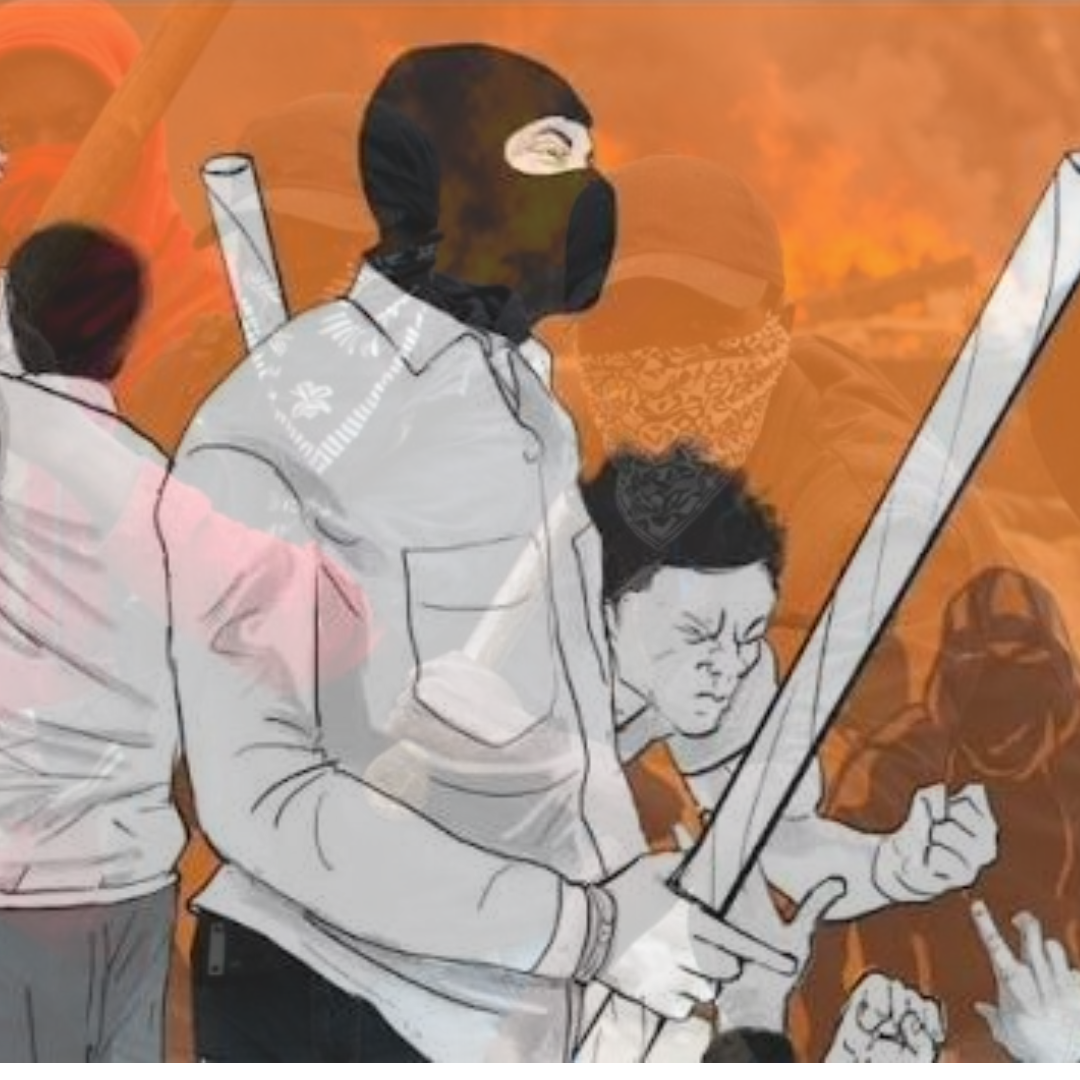
The Interior Ministry has identified 109 organised criminal gangs and groups across Kenya, with Western leading at 38, followed by Rift Valley with 22 and Nairobi with 20. The government says it is intensifying efforts to curb organised crime ahead of the 2027 General Election.
The government has identified 109 organised criminal gangs and groups operating in different parts of Kenya, raising concerns over security, violence, intimidation and other criminal activities as the country prepares for the 2027 General Election.
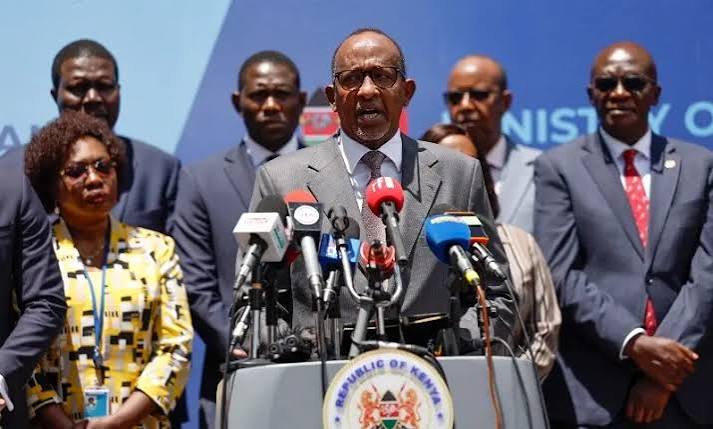
Principal Secretary for Internal Security and National Administration Raymond Omollo said the groups have been identified across the country, with Western Kenya recording the highest number at 38. The Rift Valley follows with 22 groups, while Nairobi has 20.
Nyanza has 12 identified groups, Coast has 11, Eastern has three, North-Eastern has two and Central Kenya has one.
The government says the number represents an increase from the 89 organised criminal groups that were declared illegal through a 2016 Gazette Notice.
The disclosure comes at a time when security agencies are increasing their focus on organised crime and the possible involvement of criminal groups in political activities ahead of the 2027 General Election.
According to the Interior Ministry, the use of organised youth groups for political intimidation, attacks and harassment remains a major security concern.
Omollo said criminal groups have no place in the country's political process and warned that security agencies would take lawful action against individuals and networks involved in criminal activities.
Western Region Records Highest Number
Western Kenya has recorded the highest number of identified organised criminal groups, with 38 groups listed by the government.
The region's figure accounts for more than a third of the 109 groups identified nationally.
The Rift Valley follows with 22 groups, while Nairobi has 20. Nyanza has 12, Coast 11, Eastern three, North-Eastern two and Central one.
The regional distribution provides authorities with a picture of areas where organised criminal activity is considered a significant security concern.
However, the figures do not necessarily mean that every area with a listed group experiences the same level of criminal activity. The nature, size and activities of the groups may vary from one location to another.
Security agencies are therefore expected to use intelligence and investigations to establish the activities and networks associated with each group.
Government Raises Concern Over Political Violence
One of the major concerns highlighted by the government is the alleged use of organised youth groups in political activities.
With the 2027 General Election approaching, authorities are warning against attempts to recruit or use criminal groups to intimidate political opponents, disrupt meetings or engage in violence.
The government says political competition should be conducted within the law and that criminal networks should not be allowed to influence the electoral process.
Omollo warned that violence, intimidation and the use of criminal groups to advance political interests would not be tolerated.
Security agencies are expected to maintain visibility during political activities and respond to criminal conduct regardless of the individuals or groups involved.
The warning comes as political activities gradually intensify across the country, with politicians beginning to mobilise supporters and establish networks ahead of the next General Election.
More Than 1,800 Suspects Arrested
The government has also released statistics showing the scale of its ongoing crackdown on organised criminal activity.
Between January 1 and August 31, 2026, security agencies arrested and arraigned 1,827 suspects over offences linked to organised criminal activity and what authorities describe as goonism.
Trans Nzoia recorded the highest number of arrests during the period, with 491 suspects.
The figures indicate that law enforcement agencies have already taken action against individuals suspected of participating in organised criminal activities.
However, an arrest or arraignment does not amount to a conviction. Suspects are entitled to due process, and their cases must be determined through the courts.
During the same period, authorities reported securing 729 convictions, while another 716 cases remained before the courts.
The Rift Valley accounted for 36.5 per cent of the convictions recorded during the period.
Shift From Individual Offenders to Criminal Networks
The government says its approach to organised crime is changing.
Rather than concentrating only on individuals who commit crimes, security agencies are increasingly focusing on the networks behind organised criminal activities.
Investigators are targeting gang leaders, recruiters and financiers in an effort to understand how the groups operate and how they obtain resources.
Authorities are also seeking to establish links between seemingly separate criminal incidents.
This approach is intended to help investigators identify the wider structures that support organised crime rather than simply arresting individual suspects.
Financial investigations are also being pursued where evidence points to proceeds from activities such as extortion, robbery and illegal businesses.
By tracing the money behind criminal networks, authorities hope to identify people who finance, coordinate or benefit from organised criminal activities.
Challenge of Decentralised Groups
According to the government, dealing with organised criminal groups has become more complicated because some networks have decentralised structures.
This can make it difficult for investigators to identify a single leadership structure or determine the full extent of a group's operations.
Authorities have also raised concerns over the proliferation of small arms and light weapons, particularly in vulnerable border areas.
The availability of illegal weapons can increase the capacity of criminal groups to carry out violent activities and can make law enforcement operations more challenging.
The government says stronger intelligence gathering and cooperation among security agencies will therefore be necessary to address the threat.
Police Commanders Directed to Act
The Inspector-General of Police has directed regional police commanders to take firm and lawful action against organised criminal groups and violence.
The directive places responsibility on regional security leadership to identify criminal networks operating within their areas and take appropriate action.
The government has also warned that police officers who facilitate criminal activity or fail to take appropriate action could face administrative or disciplinary measures, subject to due process.
This is intended to ensure that law enforcement officers do not provide protection or assistance to criminal networks.
The government says the fight against organised crime requires accountability not only among criminals but also among anyone who knowingly supports or facilitates their activities.
Beyond Arrests and Prosecutions
Despite the ongoing arrests and prosecutions, the government acknowledges that enforcement alone cannot permanently eliminate organised criminality.
Authorities say they must also address some of the social and economic factors that can make young people vulnerable to recruitment into criminal groups.
The government is therefore planning to combine law enforcement with prevention, rehabilitation and reintegration initiatives.
The approach will involve government agencies, county governments, faith-based organisations, community leaders and other stakeholders.
The Probation and Aftercare Service and Kenya Prisons Service are among the institutions expected to play a role in supporting rehabilitation and reintegration.
The objective is to help individuals who leave criminal groups rebuild their lives and return to their communities.
Focus on Young People
The government has placed particular emphasis on young people who may be vulnerable to recruitment by criminal groups.
Authorities have encouraged young people to take advantage of employment, enterprise and financial programmes rather than becoming involved in criminal networks.
Among the programmes highlighted are the NYOTA Programme and the Hustler Fund.
The government argues that creating legitimate economic opportunities can help reduce the appeal of criminal groups among unemployed or economically vulnerable young people.
Parents, teachers, religious leaders and community leaders have also been urged to play a role in preventing youth recruitment.
Community-based interventions could help identify young people at risk and provide them with alternatives before they become involved in criminal activity.
Role of Communities
The government says members of the public have an important role to play in combating organised crime.
Residents are being encouraged to report suspected criminal activities through official channels rather than confronting suspected criminals themselves.
Authorities have highlighted the Fichua kwa DCI initiative, which allows members of the public to provide information through a toll-free line.
Community intelligence can assist investigators in identifying criminal networks, their activities and their areas of operation.
At the same time, authorities must ensure that information provided by members of the public is properly investigated and that individuals are not unfairly labelled as criminals without evidence.
The fight against organised crime therefore requires cooperation between communities and law enforcement agencies while respecting legal procedures and individual rights.
Security Concerns Ahead of 2027
The identification of 109 organised criminal groups comes less than a year before the 2027 General Election.
Kenya has previously experienced periods of political violence, making security preparations an important part of the electoral process.
The government says it wants to prevent criminal groups from being mobilised to cause violence or intimidate political opponents during campaigns.
Security agencies are expected to monitor political activities while maintaining a balance between enforcing the law and protecting citizens' constitutional rights to participate in political activities.
Political parties, candidates and supporters will also have a responsibility to ensure that their activities remain peaceful and within the law.
The government has stressed that those who recruit, finance or direct criminal groups could face accountability alongside individuals who directly participate in acts of violence.
Importance of Intelligence-Led Policing
The government says intelligence-led policing will remain central to efforts to dismantle organised criminal networks.
Instead of relying entirely on reactive policing after crimes have been committed, investigators are working to identify networks, leadership structures and financial links before criminal activities escalate.
This approach requires cooperation between different security agencies and the sharing of intelligence.
It also requires investigators to build strong cases based on evidence that can withstand scrutiny in court.
The government's reported 729 convictions between January and August demonstrate that cases arising from the crackdown are already progressing through the judicial system, although hundreds of other cases remain pending.
The Road Ahead
The identification of 109 organised criminal gangs represents a significant security challenge for authorities as Kenya heads toward the 2027 General Election.
Western Kenya, with 38 identified groups, has the highest number, followed by the Rift Valley with 22 and Nairobi with 20. The remaining regions have smaller numbers, but authorities say criminal activity must be addressed wherever it occurs.
The government's response combines arrests and prosecutions with efforts to target gang leadership, recruitment and financing.
At the same time, authorities are pursuing rehabilitation and economic empowerment programmes aimed at preventing young people from being drawn into criminal networks.
The government has also made clear that political activity should not provide an avenue for organised criminal groups to operate.
As campaigns gather momentum, security agencies are expected to remain vigilant against violence, intimidation and other forms of criminal conduct.
For communities, the message from the government is that cooperation and timely reporting remain important in helping law enforcement identify criminal networks.
The challenge, however, extends beyond the number of gangs identified. Authorities will have to demonstrate that investigations lead to lawful prosecutions, that criminal networks are effectively dismantled and that young people vulnerable to recruitment have meaningful alternatives.
With 1,827 suspects already arrested and arraigned between January and August and hundreds of cases still before the courts, the coming months will provide a major test of Kenya's strategy against organised crime.
The government says it will continue combining enforcement, intelligence gathering, prosecution, rehabilitation and prevention as it works to address the threat.
As the country moves closer to the 2027 election, the effectiveness of these measures will be closely watched, particularly in areas where authorities have identified higher concentrations of organised criminal groups.

You Might Also Like
-
Dr. Oburu Oginga’s Secretariat has dismissed reports on his health, saying the ODM Party Leader is safe, in good spirits and recovering while following doctors’ advice.
-
President William Ruto will lead the dedication and official commissioning of the late Raila Odinga’s mausoleum at Kang’o Ka Jaramogi in Bondo, Siaya County.
-
Kenya's first confirmed Ebola case and the death of the patient at Nairobi Hospital have triggered an urgent response from KMPDU, which is demanding stronger protection for frontline healthcare workers and greater preparedness across health facilities. The union wants exposed healthcare workers to
-
 Deputy President Kithure Kindiki toured Kiambu County today, October 6, 2026, where he inspected development projects and announced plans to invest Sh290 million in student hostels at the KMTC Kiambaa Campus, alongside the expansion of the institution's tuition facilities. Kindiki said the governmen
 -
President William Ruto's witnessing of the signing of the US$3 billion, approximately KSh390 billion, electric mobility MoU marks an important development in Kenya's push for manufacturing, technology and green transportation. The proposed project includes electric vehicle assembly, production of tw
-
Kenya has confirmed its first Ebola case after a patient who had travelled from the Democratic Republic of Congo died while undergoing treatment in Nairobi. Health authorities are tracing and monitoring people who may have been exposed.