



RUTO TO LEAD COMMISSIONING OF RAILA ODINGA’S MAUSOLEUM IN BONDO
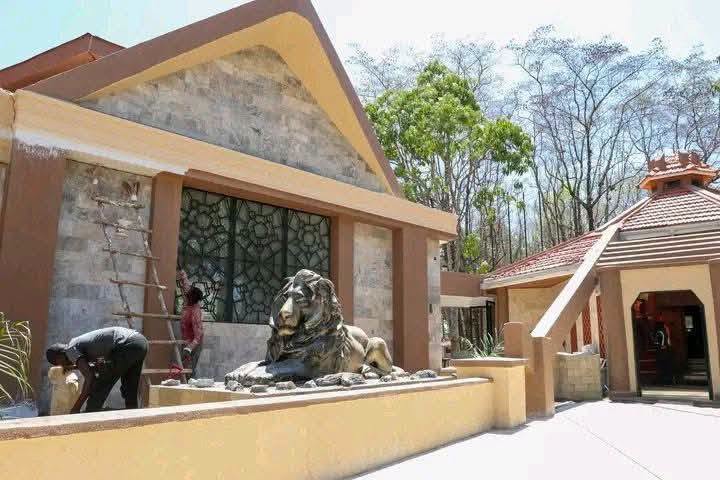
President William Ruto will lead the dedication and official commissioning of the late Raila Odinga’s mausoleum at Kang’o Ka Jaramogi in Bondo, Siaya County.
President William Ruto is set to lead the dedication and official commissioning of the mausoleum of the late former Prime Minister Raila Odinga on Wednesday, October 7, at Kang’o Ka Jaramogi in Bondo, Siaya County.
The event is expected to bring together national leaders, political figures, family members, religious leaders, residents and other dignitaries to honour the life and legacy of the former Prime Minister, who remained one of Kenya’s most prominent political figures for decades.
The mausoleum at Kang’o Ka Jaramogi is expected to serve as a lasting memorial to Raila Odinga and his contribution to Kenya’s political history and public life. The site holds significance for the Odinga family and the people of Siaya, particularly given the area’s historical connection to the late Jaramogi Oginga Odinga, Kenya’s first Vice President and Raila’s father.
President Ruto’s presence at the ceremony is also expected to draw attention given his long and complex political relationship with Raila Odinga. The two leaders were once political opponents before forming a working relationship in recent years, particularly around matters concerning national unity, governance and development.
The commissioning comes as leaders and members of the public continue to reflect on Raila Odinga’s decades-long involvement in Kenya’s political affairs. Throughout his career, Raila played a significant role in major political developments, constitutional reforms and debates surrounding democracy and governance.
Born in 1945, Raila Odinga entered public life during a period when Kenya was undergoing significant political and social changes. Over the years, he became a central figure in the country’s opposition politics and later served in various government positions.
He was appointed Kenya’s Prime Minister in 2008 under the Grand Coalition Government following the disputed 2007 General Election and the subsequent political crisis. The power-sharing arrangement brought together President Mwai Kibaki and Raila Odinga in an effort to restore stability and address the divisions that followed the election.
As Prime Minister, Raila was involved in government programmes and national initiatives during a period when the country was working to rebuild political and social trust.
His political career also saw him participate in several presidential elections. He contested for the presidency in 1997, 2007, 2013, 2017 and 2022, becoming one of the most familiar figures in Kenya’s electoral politics.
Beyond electoral politics, Raila was closely associated with campaigns for constitutional reform and multiparty democracy. His supporters have often credited him with playing an important role in pushing for political reforms and greater democratic space.
His political journey was, however, also marked by intense disagreements with successive governments and political opponents. These contests helped shape Kenya’s political landscape for several decades.
The mausoleum commissioning in Bondo therefore provides an opportunity for the country to reflect on a political career that spanned several generations.
The location of the ceremony at Kang’o Ka Jaramogi carries additional historical significance. The area is closely associated with Jaramogi Oginga Odinga, whose political legacy remains deeply connected to Kenya’s independence history and the development of opposition politics in the country.
Raila inherited much of this political history while also establishing his own identity and influence in national politics.
The mausoleum is expected to provide a permanent place where members of the public, family members and future generations can remember the former Prime Minister. Such memorial sites often serve as important points of reflection, particularly for public figures who played a major role in shaping the history of a country.
The commissioning ceremony will also come at a time when national leaders continue to discuss the importance of unity, political tolerance and peaceful coexistence.
President Ruto has previously worked with Raila on initiatives aimed at addressing national issues. Their political relationship changed significantly over the years, moving from rivalry to cooperation on matters affecting the country.
Their engagement has been closely followed by Kenyans because of the political significance of both leaders.
The event in Bondo is therefore likely to attract attention not only because of the commissioning itself but also because of the gathering of leaders from different political backgrounds.
For residents of Siaya County and the wider Nyanza region, the ceremony is expected to be an important occasion to honour one of the region’s most influential political figures.
Raila’s influence extended beyond his home region. During his political career, he built political alliances across different parts of Kenya and became a national figure whose campaigns attracted supporters from various communities.
His approach to politics, his public speeches and his long-standing involvement in national debates made him a significant presence in Kenyan public life.
The former Prime Minister was also known for his advocacy on issues relating to governance, democracy, electoral reforms and constitutionalism. His political activities contributed to several national debates, including discussions that eventually influenced Kenya’s constitutional development.
The 2010 Constitution introduced major changes to Kenya’s governance structure, including devolution, strengthened institutions and a new framework for the protection of rights and freedoms.
Raila and his political allies were among those who strongly supported constitutional reform, although political positions around the Constitution and its implementation have continued to evolve over the years.
The Bondo ceremony is expected to bring together people who interacted with Raila at different stages of his life and political career.
Family members are also expected to play a central role during the event, as the mausoleum represents not only a national memorial but also a place connected to the Odinga family's history.
Religious leaders are expected to participate in the dedication ceremony, adding a spiritual dimension to the occasion.
The commissioning will formally mark the completion and opening of the mausoleum, providing a permanent memorial associated with the late former Prime Minister.
For many Kenyans, the occasion will be an opportunity to remember Raila not only as a politician but also as a public figure whose life was closely connected to some of the country's most important political moments.
His supporters have described him as a champion of democracy and political reform, while his political opponents have often challenged his positions and strategies. Regardless of political affiliation, his long presence in national affairs made him an important figure in Kenya's modern political history.
The ceremony is also expected to attract significant public interest in Bondo, with residents and visitors likely to gather around the venue to witness the historic occasion.
Security and logistical preparations are expected to be a major consideration as national leaders and other dignitaries attend the event.
The presence of the President and other senior government officials will require coordination between security agencies and local authorities to ensure the ceremony proceeds smoothly.
The event will also provide an opportunity for leaders to reflect on the importance of preserving Kenya's history and remembering individuals who have contributed to the country's political development.
As Kenya continues to undergo political, economic and social changes, historical sites such as Kang’o Ka Jaramogi remain important in preserving memories of the country's past.
The commissioning of Raila Odinga's mausoleum will therefore be more than a formal ceremony. It will mark the establishment of a permanent memorial for a political figure whose career was intertwined with Kenya's transition from one-party rule to multiparty politics, the struggle for constitutional reforms and the evolution of modern electoral politics.
President Ruto's role in leading the dedication also highlights the changing nature of political relationships in Kenya. Political alliances have historically shifted, with former opponents sometimes coming together to pursue common national interests.
The event is expected to attract national attention as Kenyans watch how political leaders, members of the Odinga family and other dignitaries pay tribute to the late former Prime Minister.
For the people of Siaya, the occasion carries a particularly strong local significance. Bondo has long been associated with the Odinga family, and the presence of national leaders at Kang’o Ka Jaramogi will place the area at the centre of national attention.
The dedication and commissioning will ultimately provide an opportunity for the country to remember Raila Odinga's life, political journey and contribution to Kenya.
As the ceremony takes place on October 7, attention will be focused on the proceedings at Kang’o Ka Jaramogi, the messages delivered by leaders and the tributes offered in honour of the former Prime Minister.
The event will also provide a moment for Kenyans to reflect on the country's political journey and the individuals who have shaped it over the decades.
Raila Odinga's legacy remains a subject of discussion across Kenya, with different communities and political groups holding different views about his contribution and place in the country's history.
The commissioning of his mausoleum will provide a physical space where that history can continue to be remembered by future generations.
President William Ruto's leadership of the dedication will officially mark another chapter in the preservation of the former Prime Minister's legacy, with Kang’o Ka Jaramogi becoming a permanent memorial site associated with one of Kenya's most prominent political figures.

You Might Also Like
-
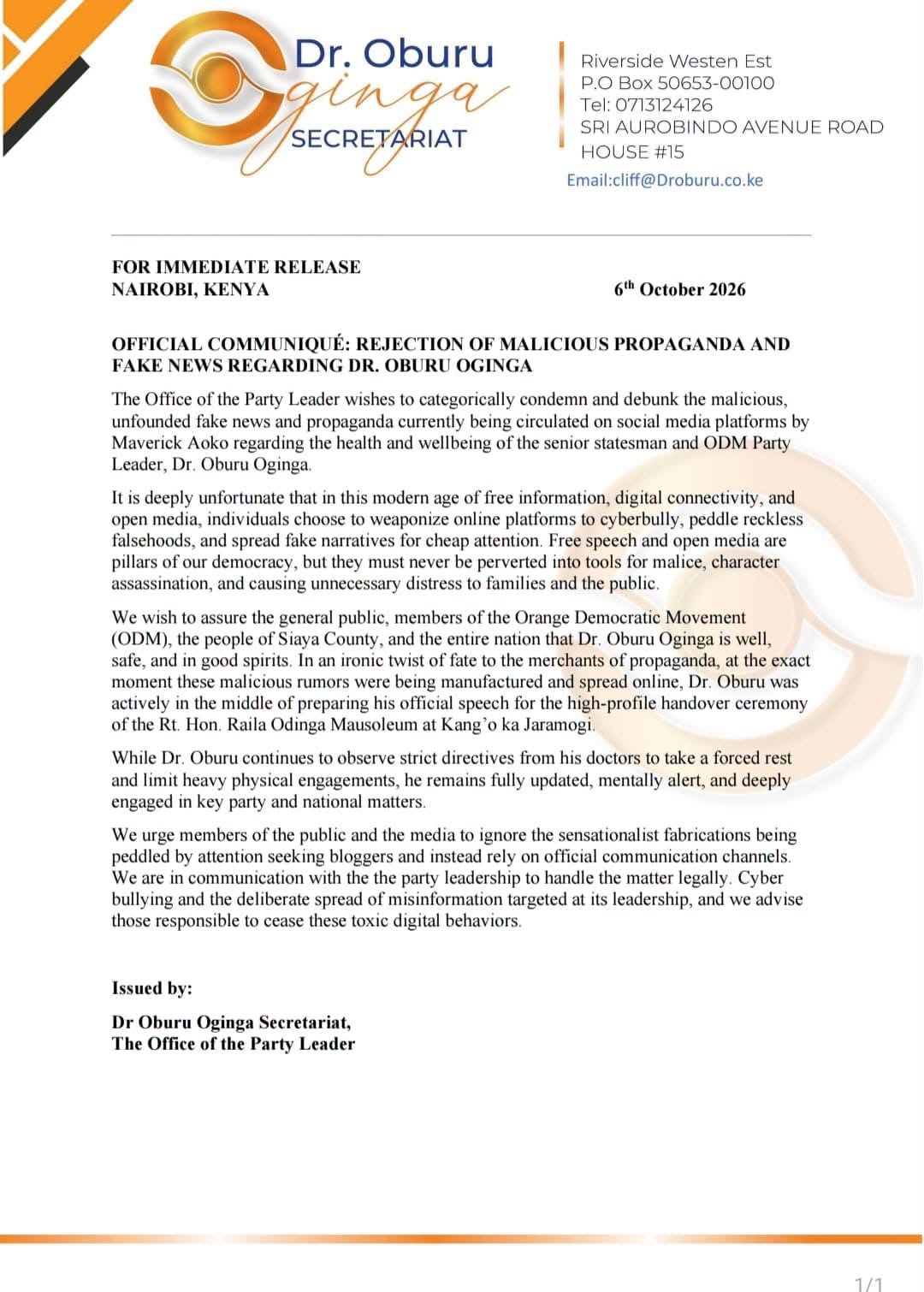
Dr. Oburu Oginga’s Secretariat has dismissed reports on his health, saying the ODM Party Leader is safe, in good spirits and recovering while following doctors’ advice.
-
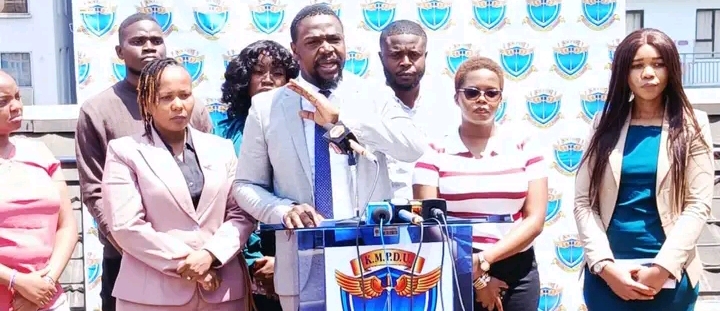
Kenya's first confirmed Ebola case and the death of the patient at Nairobi Hospital have triggered an urgent response from KMPDU, which is demanding stronger protection for frontline healthcare workers and greater preparedness across health facilities. The union wants exposed healthcare workers to
-
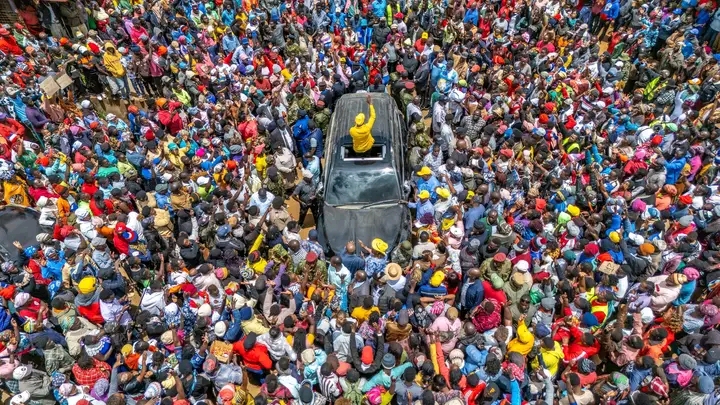 Deputy President Kithure Kindiki toured Kiambu County today, October 6, 2026, where he inspected development projects and announced plans to invest Sh290 million in student hostels at the KMTC Kiambaa Campus, alongside the expansion of the institution's tuition facilities. Kindiki said the governmen
 -
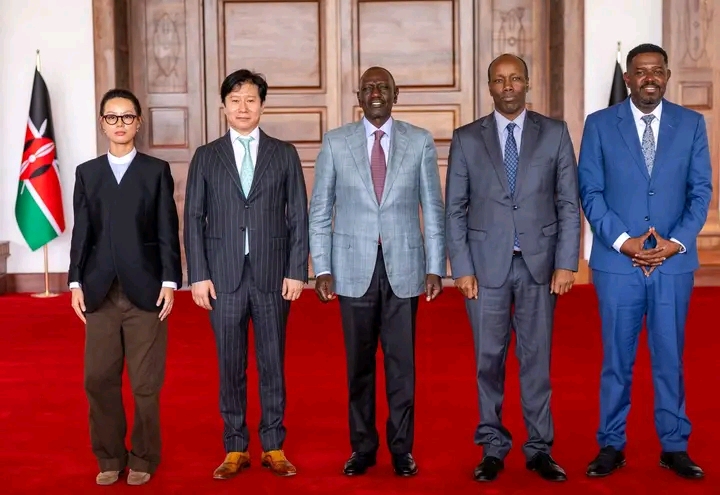
President William Ruto's witnessing of the signing of the US$3 billion, approximately KSh390 billion, electric mobility MoU marks an important development in Kenya's push for manufacturing, technology and green transportation. The proposed project includes electric vehicle assembly, production of tw
-
Kenya has confirmed its first Ebola case after a patient who had travelled from the Democratic Republic of Congo died while undergoing treatment in Nairobi. Health authorities are tracing and monitoring people who may have been exposed.
-
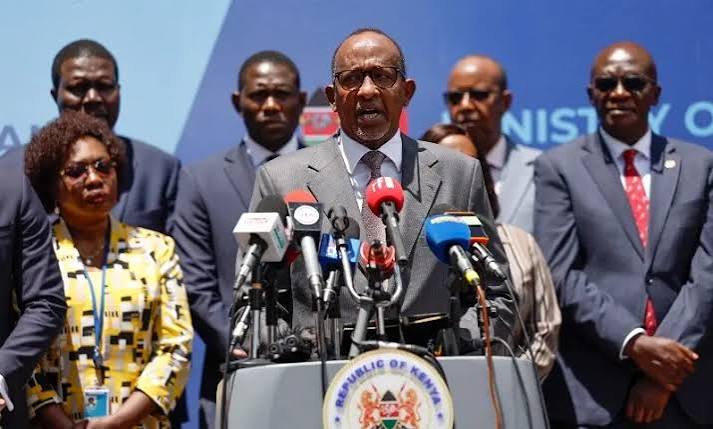
The Interior Ministry has identified 109 organised criminal gangs and groups across Kenya, with Western leading at 38, followed by Rift Valley with 22 and Nairobi with 20. The government says it is intensifying efforts to curb organised crime ahead of the 2027 General Election.