




KMPDU Sounds the Alarm as Kenya Records First Ebola Death in Nairobi Hospital
Kenya's first confirmed Ebola case and the death of the patient at Nairobi Hospital have triggered an urgent response from KMPDU, which is demanding stronger protection for frontline healthcare workers and greater preparedness across health facilities. The union wants exposed healthcare workers to receive immediate medical monitoring, psychological support and follow-up, while hospitals should have adequate PPE, functioning isolation facilities and trained personnel. It is also calling for transparent contact tracing and greater involvement of healthcare workers in emergency response decisions. Meanwhile, the Ministry of Health says 28 contacts linked to the deceased have been identified, while authorities are tracing passengers and crew members who travelled with him. The government has also urged Kenyans to remain calm, observe hygiene measures and seek medical attention when necessary. The situation remains closely monitored, and the effectiveness of Kenya's response will depend heavily on rapid contact tracing, strict infection-control measures, clear public communication and, as KMPDU emphasises, ensuring that the healthcare workers leading the fight are adequately protected.
Kenya has confirmed its first imported case of Ebola after a Kenyan citizen who had lived in the Democratic Republic of Congo (DRC) for seven years tested positive for the Bundibugyo strain and later died while receiving treatment in Nairobi. The development has prompted the Kenya Medical Practitioners, Pharmacists and Dentists Union (KMPDU) to demand stronger protection for healthcare workers, immediate medical monitoring of those exposed, adequate personal protective equipment and greater transparency in contact tracing. Health Cabinet Secretary Aden Duale said 28 contacts, including family members and healthcare workers, had been identified, while authorities were also tracing 23 passengers and four crew members who travelled on the same flight as the patient.
The confirmation of the case on Tuesday, October 6, 2026, has placed Kenya's healthcare system under renewed scrutiny as authorities work to prevent further transmission of the highly infectious disease.
KMPDU has responded by putting the safety of doctors, nurses and other frontline health workers at the centre of the national response.
KMPDU calls for protection of healthcare workers
KMPDU Secretary-General Dr Davji Atellah said the confirmation of the Ebola case and the subsequent death of the patient should be treated with the seriousness it deserves.
The union extended its condolences to the family and loved ones of the deceased while recognising the healthcare workers who attended to the patient and those who continue working during the outbreak response.
According to KMPDU, healthcare workers should not become the weakest link in Kenya's Ebola response. Instead, they should be among the most protected people because they are directly exposed to patients and potentially infectious materials.
The union therefore called for immediate medical monitoring of every healthcare worker who may have come into contact with the patient, whether at Nairobi Hospital or at another point where the patient received care.
KMPDU also demanded psychological support and appropriate follow-up for healthcare workers who may have been exposed.
This is particularly important because Ebola outbreaks can place enormous pressure on medical personnel. Apart from the physical risk of infection, health workers can experience anxiety and fear when they know they have been exposed to a potentially fatal infectious disease.
Demand for adequate PPE
One of KMPDU's major concerns is the availability of specialised personal protective equipment, commonly known as PPE.
The union wants every health facility to have appropriate protective equipment, infection-prevention protocols and adequately trained personnel capable of safely managing suspected Ebola cases.
The call comes as Kenya moves from preparedness to dealing with an actual confirmed case.
KMPDU has argued that preparedness should not remain on paper. Hospitals must have the equipment and trained personnel necessary to identify, isolate and manage suspected patients without exposing other patients or medical workers.
The union has also urged counties that do not provide adequate medical cover for their healthcare workers to address the gap.
This would ensure that health workers who become ill or require treatment after possible occupational exposure are not left without adequate medical support.
Patient's journey to Kenya
According to the Ministry of Health, the patient had been living in the DRC for approximately seven years.
He reportedly became ill about one month before arriving in Kenya and received treatment at several health facilities in the DRC.
He later travelled by road from the DRC to Kampala, Uganda, before boarding a JamboJet flight to Nairobi.
The patient arrived in Nairobi on October 3 and underwent routine public health screening at Jomo Kenyatta International Airport.
After arriving at the airport, a relative and a friend took him directly to Nairobi Hospital.
At the hospital, doctors quickly isolated him after he presented with symptoms including fever, chills, intense fatigue and weakness, muscle pain, painful swallowing, sore throat and bleeding under the skin at injection sites.
Because of his symptoms and his travel history from the DRC, doctors suspected viral haemorrhagic fever and collected samples for testing.
The samples tested positive for Bundibugyo Ebola virus disease at both the National Virology Reference Laboratory and the Kenya Medical Research Institute laboratory.
He was placed on supportive treatment but died at approximately 11:30pm on Monday, according to the Ministry of Health.
Nairobi Hospital says normal operations continue
The death has naturally raised concerns about possible exposure at Nairobi Hospital.
However, the hospital has said its normal operations are continuing.
Nairobi Hospital Chief Executive Officer Dr Felix Osano said the patient was isolated and quarantined in a facility across the road from the main hospital after presenting with symptoms.
The hospital said infection prevention and control procedures were followed, including the use of PPE.
According to the hospital, the patient was not admitted to the main hospital, while contact tracing was carried out together with the Ministry of Health.
The development is important because one of KMPDU's central concerns is ensuring that medical facilities do not become centres of transmission during an Ebola outbreak.
KMPDU wants transparent contact tracing
The doctors' union has also called for contact tracing to be rigorous, timely and transparent.
KMPDU wants healthcare workers and the general public to receive regular and accurate information about the response.
The union warned that inadequate communication could create room for misinformation and unnecessary fear.
The Ministry of Health has so far identified 28 contacts linked to the deceased patient. These include relatives and healthcare workers.
Authorities are also tracing 23 passengers and four crew members who were on the same flight as the patient.
Contacts considered at risk are expected to undergo monitoring or quarantine for up to 21 days, which corresponds to the maximum incubation period for Ebola.
KMPDU demands functioning isolation facilities
Another major issue raised by KMPDU is the readiness of isolation and infectious-disease treatment units across the country.
The union has called on the government to confirm that such facilities in regional referral hospitals are functional, properly equipped and staffed by trained personnel.
KMPDU's position is that Kenya cannot wait for more cases before identifying weaknesses in its outbreak response system.
The union wants the country to be ready to isolate suspected patients immediately and prevent possible transmission to other patients, healthcare workers and communities.
It has also called for healthcare workers and their representatives to have meaningful representation in national and county emergency response structures.
The argument is that frontline workers understand the practical challenges within hospitals because they directly interact with patients and are often the first people to identify weaknesses in infection-control systems.
Concerns over healthcare workers' access to medical services
KMPDU has also raised an issue concerning healthcare workers' access to medical services through the Social Health Authority.
The union called on SHA to stop situations where healthcare workers are denied access to services because of delayed remittances by their employers.
For KMPDU, protecting health workers during an outbreak also means ensuring that they can access healthcare when they need it.
The union believes that a protected and healthy healthcare workforce is essential to maintaining the country's ability to respond effectively to Ebola.
Government response
The Ministry of Health says Kenya has been on high alert since the Ebola outbreak began in May 2026.
By October 6, the government said it had screened more than 652,000 travellers and tested 267 samples in five laboratories.
These included the National Virology Reference Laboratory, KEMRI laboratories in Nairobi and Kisumu, as well as mobile laboratories at the Busia and Lwakhakha border points.
The government also said 4,971 healthcare workers at national and county levels had been trained in Ebola prevention and management.
The Ministry has notified the World Health Organization about the confirmed case in accordance with international health regulations.
Health authorities have also reassured Kenyans that measures are being taken to contain the disease.
How Kenyans can protect themselves
Health authorities are advising Kenyans to maintain proper hand hygiene by washing their hands frequently with soap and water or using alcohol-based hand sanitiser.
People have also been advised to avoid close contact with individuals who are sick and have recently travelled from countries experiencing active Ebola transmission.
Anyone who develops concerning symptoms, particularly after possible exposure or travel to an affected area, should seek medical attention at a recognised health facility.
Healthcare workers have been urged to maintain strict infection-prevention and control measures regardless of the condition they are treating.
Concerns over airport screening
The first confirmed case has also generated questions about how the patient managed to pass through airport screening.
Ministry of Health Director-General Dr Patrick Amoth explained that the patient had been receiving treatment before travelling and that some medication could potentially have masked symptoms such as fever.
He said this may explain why routine screening at JKIA did not identify the infection.
The patient nevertheless went directly to hospital after arriving in Kenya, which allowed doctors to isolate him and carry out further investigations based on his symptoms and travel history.
What the KMPDU response means
KMPDU's response highlights one of the biggest challenges facing Kenya: protecting the healthcare workforce while simultaneously protecting the wider public.
Doctors, nurses, laboratory personnel, cleaners, ambulance workers and other hospital staff can all potentially come into contact with infectious materials during an outbreak.
If healthcare workers become infected, the country could lose critical personnel at exactly the moment they are most needed.
KMPDU therefore wants the government to ensure that PPE, training, medical monitoring, psychological support and medical cover are available.
The union is also calling for transparency because timely information can help prevent rumours and panic.

You Might Also Like
-
Dr. Oburu Oginga’s Secretariat has dismissed reports on his health, saying the ODM Party Leader is safe, in good spirits and recovering while following doctors’ advice.
-
President William Ruto will lead the dedication and official commissioning of the late Raila Odinga’s mausoleum at Kang’o Ka Jaramogi in Bondo, Siaya County.
-
 Deputy President Kithure Kindiki toured Kiambu County today, October 6, 2026, where he inspected development projects and announced plans to invest Sh290 million in student hostels at the KMTC Kiambaa Campus, alongside the expansion of the institution's tuition facilities. Kindiki said the governmen
 -
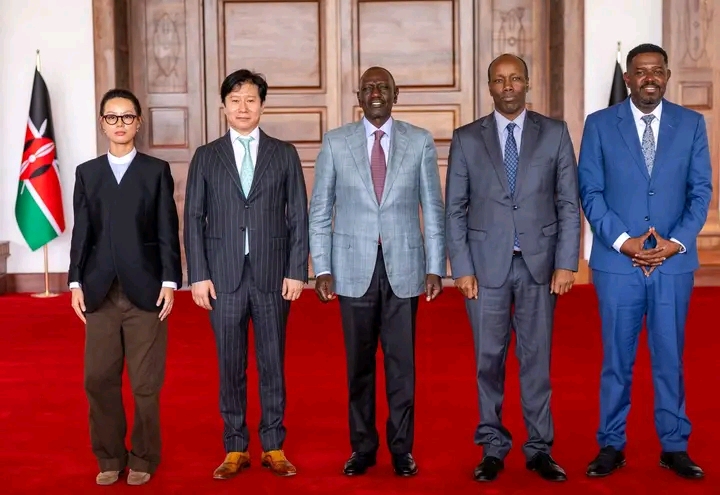
President William Ruto's witnessing of the signing of the US$3 billion, approximately KSh390 billion, electric mobility MoU marks an important development in Kenya's push for manufacturing, technology and green transportation. The proposed project includes electric vehicle assembly, production of tw
-
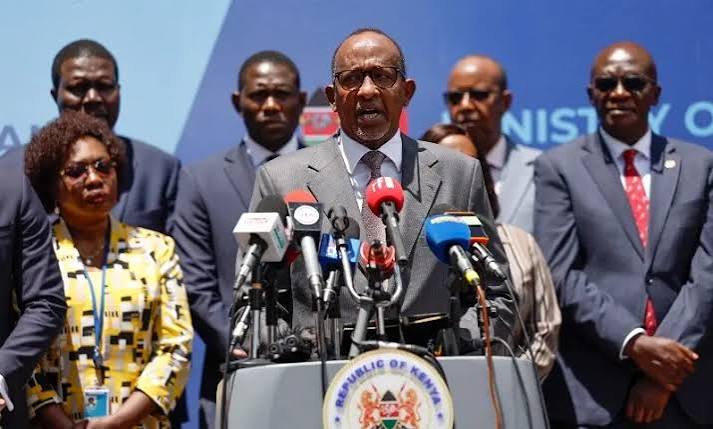
Kenya has confirmed its first Ebola case after a patient who had travelled from the Democratic Republic of Congo died while undergoing treatment in Nairobi. Health authorities are tracing and monitoring people who may have been exposed.
-
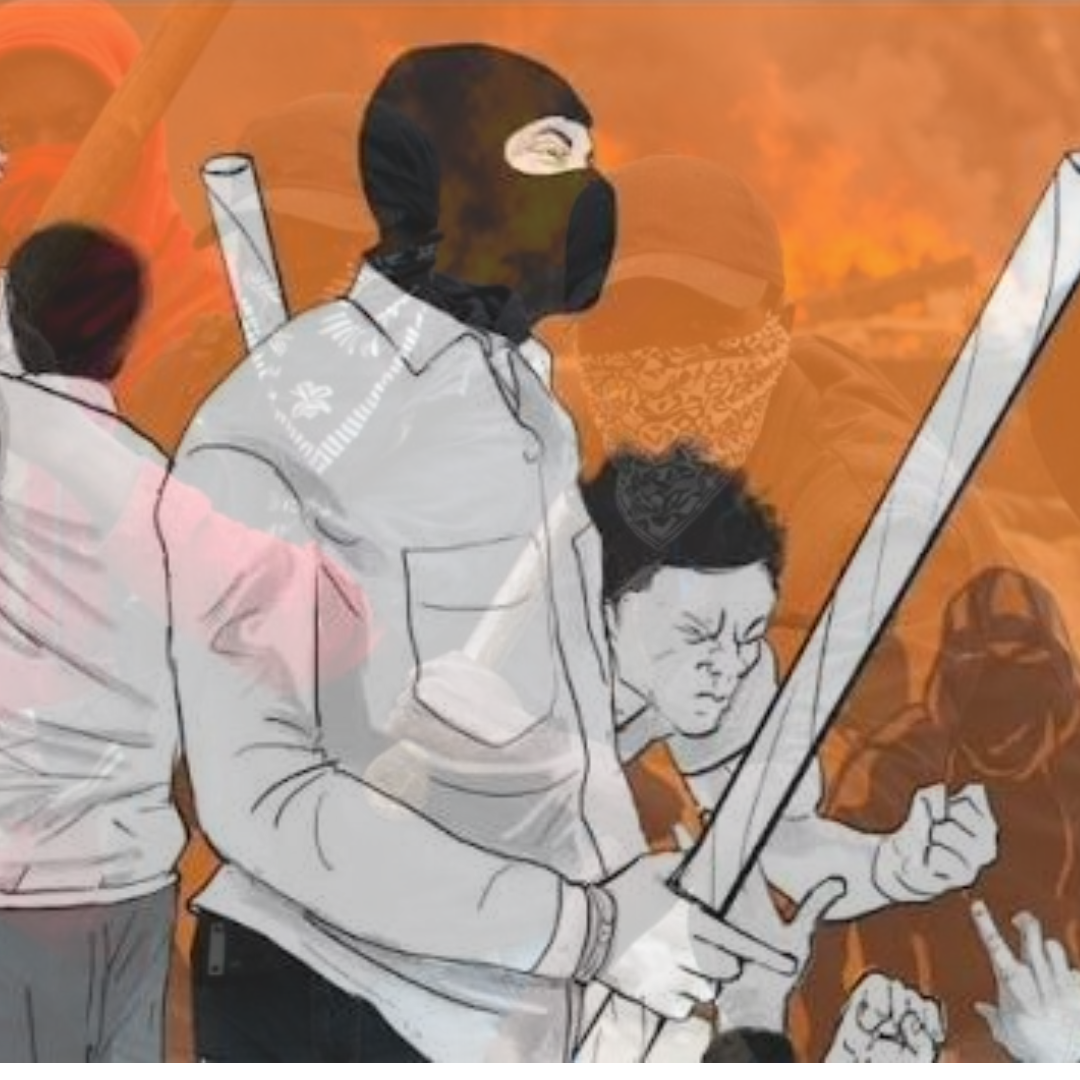
The Interior Ministry has identified 109 organised criminal gangs and groups across Kenya, with Western leading at 38, followed by Rift Valley with 22 and Nairobi with 20. The government says it is intensifying efforts to curb organised crime ahead of the 2027 General Election.