Kenya Confirms Eighth Ebola Case as Health Authorities Intensify Containment Measures
Kenya's confirmation of one additional Ebola case on October 18, 2026, has raised the national total to eight, placing renewed emphasis on contact tracing, quarantine, hospital safety and public awareness. The latest patient is a 49-year-old hospital attendant who developed fever, headache and muscle pain before testing positive. Health authorities suspect he may have been exposed to the country's first Ebola patient, who died in Nairobi on October 5 after travelling from the Democratic Republic of Congo. The priority now is to identify everyone who may have been exposed, monitor contacts, provide appropriate treatment and prevent further infections. Protecting healthcare workers and support staff is particularly important because the cases reported so far have included people connected to the first patient's care.
Kenya has confirmed one additional case of Ebola virus disease, raising the country's total number of confirmed infections to eight as the Ministry of Health intensifies surveillance, contact tracing, testing and isolation measures to prevent further transmission.The latest case was announced on Sunday, October 18, 2026, by Director-General for Health Dr Patrick Amoth. According to the announcement, 38 people were tested for Ebola, and one person returned a positive result. The newly confirmed patient is a 49-year-old man who worked as a hospital patient attendant, cleaning utensils and linens rather than serving as a healthcare professional directly involved in clinical treatment.
The patient developed symptoms including fever, headache and muscle pain. Health authorities isolated him and tested him after the symptoms emerged, with the positive result bringing Kenya's reported total to eight cases. Officials believe he may have been exposed to the country's first Ebola patient, who died at a Nairobi hospital on October 5 after arriving from the Democratic Republic of Congo (DRC). The eighth case involves a 49-year-old man whose work as a patient attendant brought him into a hospital environment. His duties included cleaning utensils and linens, activities that can present an infection risk if contaminated materials are handled without appropriate protective measures.
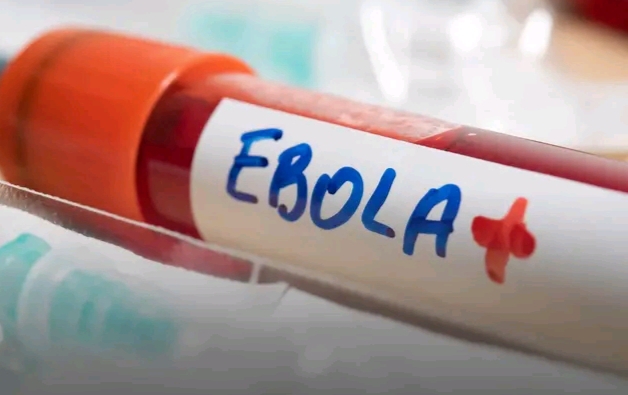
According to reports citing Dr Patrick Amoth, the man developed a fever, headache and muscle pain before testing positive for the virus. These symptoms can occur in Ebola virus disease, although they are also associated with many other illnesses. Laboratory testing is therefore essential to establish whether someone has Ebola.How Kenya's Ebola cases rose to eight
Kenya's current outbreak began with an imported case involving a Kenyan man who had been living in the Democratic Republic of Congo, where a major Ebola outbreak has been reported.
The patient travelled through Uganda and arrived in Nairobi on October 3, 2026. He was taken to Nairobi Hospital, where he was isolated and assessed by medical personnel. Laboratory tests confirmed that he had Bundibugyo Ebola virus disease. Despite receiving medical care, he died on October 5.
Following his death, health authorities began identifying people who had interacted with him, including relatives, healthcare workers and other individuals who might have been exposed to the virusContact tracing and quarantine efforts
Contact tracing is among the most important tools being used to contain the outbreak. It involves identifying people who may have been exposed to an infected individual, notifying them, assessing their health and monitoring them for symptoms.
Following the initial infection, health authorities identified approximately 130 contacts. By October 17, reports indicated that 128 of these individuals had been placed in quarantine, while two were still being traced. The outbreak involves the Bundibugyo virus, which causes a form of Ebola virus disease. It is a serious infectious illness that can lead to severe complications and death.
Ebola is transmitted primarily through direct contact with the blood or other bodily fluids of an infected person who has symptoms, or through contact with contaminated objects and materials. These may include bedding, clothing, medical equipment and other items exposed to infected bodily fluids.
The virus is not considered an airborne infection in the way that illnesses such as measles spread through the air. Nevertheless, close contact with an infected person and unsafe handling of contaminated materials can create significant risks.This includes examining his workplace activities, movements and contact with colleagues or other people. Investigators must also establish whether he handled materials that could have been contaminated and determine whether protective equipment and infection prevention procedures were properly followed.
People identified as contacts are generally monitored for 21 days after their last possible exposure, reflecting the maximum recognised incubation period for Ebola. Anyone who develops compatible symptoms should promptly notify health authorities and receive assessment in an appropriate facility.
Quarantine is not the same as a confirmed diagnosis. People placed under monitoring may never develop the disease, but temporary restrictions and health checks can help authorities detect infections early and reduce the likelihood of further transmission.
The government's challenge is to ensure that everyone who needs monitoring receives it without unnecessary disruption, stigma or public panic.Government strengthens surveillance and public health preparedness
The Ministry of Health faces the task of containing the current outbreak while maintaining essential health services across the country.
Kenya had already introduced measures to identify potential infections, including screening travellers, testing suspected cases and strengthening surveillance at points of entry. The government has also urged healthcare workers to remain vigilant and apply infection prevention and control procedures consistently.
The initial outbreak response involved coordination between the Ministry of Health, laboratory teams, hospitals and international health partners. The World Health Organization has also reported support for Kenya's response, including measures to detect cases early and monitor exposed individuals. With eight cases now confirmed, authorities need to maintain adequate supplies of protective equipment, testing materials and other essential resources. They must also ensure that isolation facilities can safely manage patients and that healthcare workers receive clear guidance.
Public communication is another important responsibility. Citizens need timely, accurate information about confirmed cases, symptoms, exposure risks and the steps to take if they suspect infection.
Health authorities should continue issuing updates based on verified laboratory results and epidemiological investigations. Transparent communication can help prevent rumours, discourage discrimination against patients and their families, and encourage people to cooperate with contact tracing.The rise to eight confirmed cases should encourage vigilance rather than panic. Members of the public can take several practical precautions to reduce the risk of infection.
Avoid direct contact with the blood and other bodily fluids of anyone suspected or confirmed to have Ebola.
Do not handle clothing, bedding or other materials potentially contaminated by an infected person without appropriate training and protective equipment.
Wash hands regularly with soap and water, particularly after visiting healthcare facilities or coming into contact with potentially contaminated surfaces.
Seek medical advice promptly if symptoms develop after a possible exposure.
Cooperate with health officials if contacted for tracing, monitoring or testing.
Follow verified updates from the Ministry of Health rather than circulating unconfirmed claims on social media.The World Health Organization has emphasised the importance of surveillance, rapid case identification and coordination between affected countries. Kenya's response therefore depends not only on measures inside hospitals but also on information sharing and effective monitoring of potential cross-border exposure.
Authorities must balance public health protection with the need to avoid unnecessary disruption to travel, trade and daily activities. Screening and surveillance should be guided by the evolving evidence and public health advice.
The latest Kenyan case also demonstrates the importance of early detection in workplaces where staff may come into contact with potentially infected people or materials. Hospitals and other facilities need reliable systems for reporting symptoms, arranging testing and isolating suspected cases.

You Might Also Like
-
Self-proclaimed preacher Paul Mackenzie and 29 co-accused have been found guilty on all 191 murder counts in the Shakahola case, marking a major development in one of Kenya’s most disturbing criminal investigations. The case is linked to the deaths of followers associated with Mackenzie’s Good N
-
President William Ruto has received the APSCA 2026 Continental Leadership Award for Visionary Governance and Human Capital Transformation, with Deputy Head of Public Service Amos Gathecha accepting the honour on his behalf. The recognition highlights the importance of leadership, effective governanc
-
Kenya is expected to experience varied weather conditions during this week's forecast period, with rainfall anticipated across western Kenya, the Lake Victoria Basin, the Rift Valley, Central Kenya, Nairobi and selected eastern and coastal areas. Thunderstorms are possible in some locations, while o
-
Siaya Governor James Orengo has condemned attacks and alleged propaganda directed at the Odinga family, describing them as a betrayal of the political struggles and sacrifices associated with the late former Prime Minister Raila Odinga. His remarks come amid growing political tensions over Raila’s
-
Over 6,000 widows meet in Kericho.Led by Governor Eric Mutai, Woman Representative Beatrice Kemei and Principal Secretary Ann Wangombe, the initiative brought attention to the need for sustainable programmes that enable widows to support their families and participate meaningfully in community devel
-
The decision by some farmers in Kapkoros, Bomet Central, to begin uprooting tea bushes has brought renewed attention to the challenges facing smallholder tea growers in Kenya. The reported KSh17-per-kilogramme bonus at Kapkoros for the 2025/2026 financial year has added to concerns about rising pro