




Major Railway Construction Begins in Narok as Kenya Moves to Connect Kisumu and Western Region Through SGR Extension
Kenya has taken a major step towards improving transport and boosting economic growth following the commencement of construction of the Naivasha–Kisumu–Malaba Standard Gauge Railway (SGR) extension, with initial construction activities beginning in Narok County in July 2026. The railway project, implemented through Kenya Railways Corporation, is expected to strengthen connectivity between the Rift Valley and western Kenya, improve the movement of passengers and cargo, and create economic opportunities for farmers, traders and businesses along the route. The extension will pass through several counties, including Narok, Bomet, Kericho, Nyamira and Kisumu, before the wider project continues towards Malaba on the Uganda border. The planned connection to Kisumu Port could further support regional trade through Lake Victoria. The project is also expected to generate employment during construction and create opportunities in transport, logistics and commercial services. However, its success will depend on timely implementation, adequate financing, fair compensation for affected landowners and effective environmental protection.
The proposed construction of a railway line linking Narok and Kisumu is an important infrastructure topic for Kenya because of the potential benefits that improved railway connectivity could bring to passengers, farmers, traders and businesses. If developed, the railway could strengthen transport links between the Rift Valley and western Kenya, improve the movement of agricultural produce and other goods, and support economic activities along its route.
However, it is important to distinguish between a proposed railway project and a project whose construction has officially commenced. Information about the exact route, budget, construction schedule and implementation status must be confirmed through official announcements from Kenya Railways and the Ministry of Roads and Transport. Without such confirmation, it would be misleading to state that construction between Narok and Kisumu has already started or that a particular completion date has been announced
Construction of the Standard Gauge Railway (SGR) extension from Naivasha towards Kisumu and Malaba has officially commenced, marking a significant step in Kenya's efforts to expand its modern railway network. Kenya Railways Corporation confirmed that actual construction on the Naivasha–Kisumu section began on July 1, 2026, in Narok County, with further construction activities taking place on July 2.
The railway is part of the government's wider infrastructure programme intended to improve transportation, facilitate trade and strengthen connections between Kenya's major economic centres. The extension is also expected to improve access to Lake Victoria and create a more efficient route for transporting goods between the Port of Mombasa, western Kenya and neighbouring countries.
Although the project is often described as the Narok–Kisumu railway, it forms part of a larger railway extension that starts from Naivasha, passes through Narok and other counties, reaches Kisumu and is eventually expected to continue to Malaba on the Kenya–Uganda border.
The construction of the railway extension follows years of planning, technical assessments and preparations to expand Kenya's SGR network beyond Naivasha.
According to the Ministry of Roads and Transport, President William Ruto presided over the launch of the Naivasha–Kisumu–Malaba SGR project at Narok Teachers Training College in March 2026. The government presented the project as a major investment in national transport infrastructure and regional economic integration.
The actual commencement of construction in July marked a further milestone because it signalled a move from planning and project preparation to physical railway works.
Kenya Railways Managing Director Philip Mainga witnessed the initial construction activities in Narok County. The exercise brought together railway officials, government representatives, the contractor and other stakeholders involved in the implementation of the project.
The railway is expected to provide a modern transport link that can serve passengers and freight customers while supporting the movement of agricultural produce and manufactured goods.
The government has also presented the extension as an important part of Kenya's long-term strategy to strengthen its position as a regional logistics and trade centre.
The railway extension is a major public infrastructure undertaking that requires substantial financial resources.
Recent reporting has placed the wider Naivasha–Kisumu–Malaba project in the range of KSh500 billion to KSh700 billion, although the precise amount applicable to each section should be distinguished from the total cost of the wider project.
The project involves Kenya Railways, the Ministry of Roads and Transport, the National Land Commission and construction contractors.
Its implementation depends on the availability of financing, land access, engineering works, construction materials and effective coordination between the relevant institutions.
Although construction began in July 2026, that does not mean every part of the route is already accessible to contractors. The ongoing land identification and valuation process indicates that implementation activities may progress at different rates along the corridor.
Large infrastructure projects can create economic benefits, but they can also affect the environment and local communities.
The railway corridor crosses landscapes that support farming, settlements, water systems and natural habitats. Construction activities therefore need to be managed carefully.
Potential concerns include soil erosion, disruption of drainage systems, noise, dust, construction waste and interference with access roads.
In flood-prone areas, poorly designed drainage could create additional difficulties for neighbouring farms and settlements.
Environmental assessments and appropriate mitigation measures are important for identifying and managing these risks.
Communities should also receive information about construction schedules, temporary road closures, safety measures and any changes to local access routes.
Public participation is particularly important where construction may affect livelihoods, community facilities or access to essential services.
By addressing these issues early, the implementing agencies can reduce avoidable conflict and improve the relationship between contractors and the communities along the railway corridor.
For western Kenya, the railway could represent a major improvement in access to national and regional transport networks.
Kisumu could benefit from its connection to the SGR and the proposed port branch line, while communities along the route could gain from new commercial opportunities and improved freight connections.
Businesses may become more interested in establishing warehouses, processing facilities and distribution centres near suitable railway stations.
The development could also encourage investment in logistics, hospitality and other services, although such growth will depend on demand and the reliability of the railway.
The extension to Malaba is particularly significant because it is intended to strengthen connections with Uganda and support wider regional trade.
The benefits will not be distributed equally by the mere existence of railway tracks. Counties and communities will need effective access to stations, cargo facilities and related services to make the most of the investment.
Local authorities, businesses and community organisations can therefore play an important role in identifying complementary investments that would help residents benefit from the railway.

You Might Also Like
-
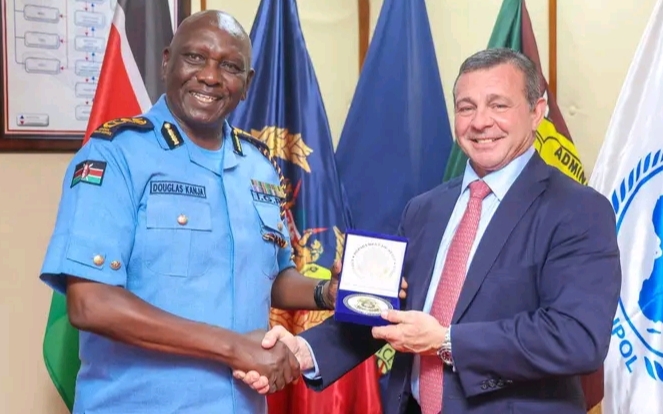
The United States Embassy delegation's courtesy call on Inspector-General Douglas Kanja on October 9, 2026, highlighted the continuing security partnership between Kenya and the United States. Led by Assistant Secretary of State for Diplomatic Security Todd Wilcox, the delegation discussed police tr
-
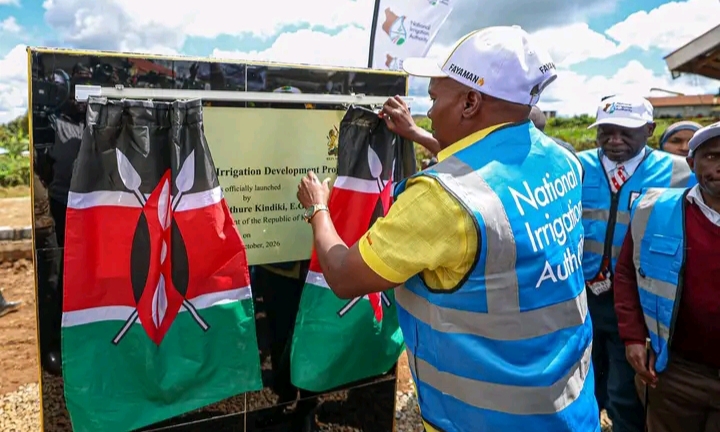
Deputy President Kithure Kindiki's October 8, 2026, development tour of Gatanga in Murang’a County placed emphasis on road construction, market development, affordable housing, student accommodation, electricity connectivity and the fight against illicit alcohol. Among the main projects highlight
-
President William Ruto's remarks at the Agriculture and Food Security Transformation Summit at Jamhuri Park in Nairobi focused on making Kenyan agriculture more productive, commercially sustainable and less dependent on imported food. He highlighted the growth of milk, maize, cotton and rice produc
-
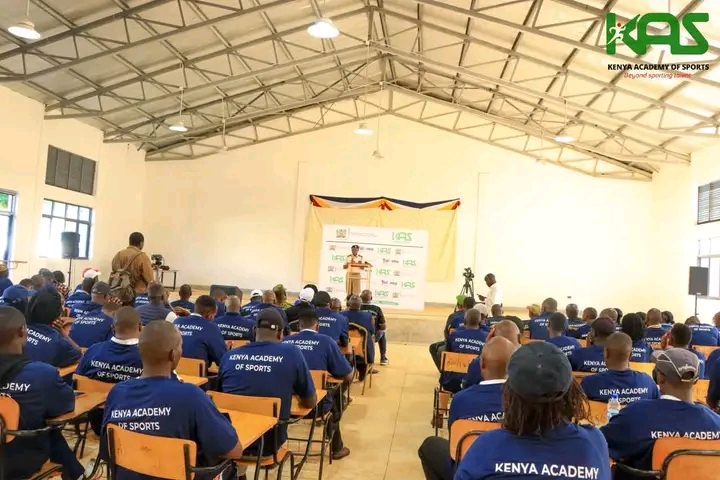
The Kenya Academy of Sports' launch of a five-day coaching programme in Nandi County represents an important effort to strengthen grassroots sports development as Kenya prepares for the 2026 Mashujaa Day celebrations.With 150 coaches participating in introductory courses covering football, volleybal
-
KUPPET's warning against participation in national examination duties until clear guidelines on terms and conditions are issued has brought teachers' remuneration back into the national education debate. Secretary-General Akello Misori has criticised the allowances paid during examination marking an
-
Uganda has ordered an immediate crackdown on alleged unlawful political and electoral activities involving its citizens crossing into Kenya ahead of the 2027 General Election. First Deputy Prime Minister Rebecca Alitwala Kadaga instructed security agencies and local leaders in eight border districts