



Uganda Orders Immediate Crackdown on Nationals Crossing into Kenya to Influence 2027 Elections
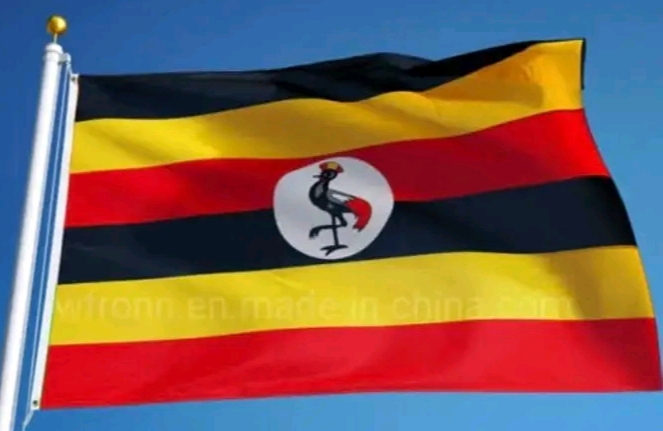
Uganda has ordered an immediate crackdown on alleged unlawful political and electoral activities involving its citizens crossing into Kenya ahead of the 2027 General Election. First Deputy Prime Minister Rebecca Alitwala Kadaga instructed security agencies and local leaders in eight border districts to monitor movement and prevent unlawful participation in Kenya’s electoral affairs. The directive follows allegations that some Ugandan nationals may have obtained Kenyan identification documents and registered as voters, claims the IEBC has disputed for lack of credible supporting evidence. Uganda says it respects Kenya’s sovereignty and is prepared to cooperate through diplomatic and security channels, while urging authorities to protect legitimate cross-border movement and maintain peaceful relations between the two countries.
Uganda’s government has ordered an immediate crackdown on alleged unlawful cross-border political and electoral activities involving its citizens ahead of Kenya’s 2027 General Election. The directive was announced by Uganda’s First Deputy Prime Minister and Minister for East African Community Affairs, Rebecca Alitwala Kadaga, who instructed security agencies, immigration officials and local leaders in districts bordering Kenya to closely monitor movement and prevent Ugandan nationals from crossing into Kenya to participate in its electoral activities.
The announcement comes amid growing debate in Kenya over allegations that some Ugandan nationals may have obtained Kenyan identification documents and registered as voters ahead of the next General Election. Uganda has distanced itself from any alleged involvement in Kenya’s electoral process, emphasising that every country must respect the sovereignty and democratic institutions of its neighbours.
However, Kenya’s Independent Electoral and Boundaries Commission (IEBC) has rejected claims of an organised scheme to register foreign nationals illegally, saying it has not received credible evidence to substantiate the allegations.Kadaga’s directive targets eight districts in Uganda where authorities are expected to coordinate efforts to prevent unlawful participation in Kenya’s political and electoral activities. These include Bukwo, Moroto, Amudat, Namisindwa, Buikwe, Busia, Namayingo and Tororo.
The government wants local leaders and security officers to pay closer attention to activities that could involve Ugandan citizens crossing into Kenya to participate in election-related campaigns or voter registration.
The directive reflects Uganda’s position that electoral processes must be managed by the institutions of the country holding the election. Kadaga said Uganda had no role in Kenya’s electoral process and would not support unlawful involvement by its citizens or public institutions.
The proposed crackdown is therefore focused on alleged unlawful political involvement, rather than a declared blanket closure of the Kenya-Uganda border.Reports concerning the Suam border crossing in Trans Nzoia County have contributed to the debate. Questions have been raised about whether foreign nationals could have been facilitated to obtain Kenyan documents and enter the electoral register.
However, the allegations should not be treated as established facts. The IEBC has denied claims of an organised scheme to register foreigners illegally and has called for credible evidence of any suspected malpractice.
The distinction is important because people living near the border may have legitimate reasons to travel between the two countries, including trade, family responsibilities and employment. Any investigation must establish whether specific individuals broke the law rather than assume wrongdoing based on nationality or residence.The commission has also indicated that evidence of malpractice would warrant appropriate action, including investigations, disciplinary measures and prosecution where criminal responsibility is established.
The IEBC’s position places responsibility on anyone making allegations to provide verifiable information that can be investigated by the relevant authorities.
Kenya’s electoral body is responsible for registering eligible voters and safeguarding the electoral process, while the authorities responsible for national identification documents have their own duties in establishing citizenship and identity.
Many families have relatives on both sides, while traders regularly cross the border to buy and sell goods. Other residents travel for work, education, healthcare and social activities.
Ugandan authorities have cautioned security agencies against disrupting legitimate cross-border movement. Kadaga stressed the importance of professional and proportionate enforcement, indicating that the focus should remain on unlawful political involvement rather than ordinary travel.
For this reason, the announcement should not automatically be interpreted as a ban on all Ugandan nationals entering Kenya.
Instead, the authorities are expected to monitor suspected election-related activities and ensure that any action taken is supported by the law. How effectively this distinction is maintained will matter to residents and businesses that depend on an open and peaceful border.
Kenya and Uganda share longstanding cultural connections and significant economic interests. A dispute over election-related activities could affect public perceptions and cooperation if it is handled without clear evidence or careful communication.Both governments therefore have an interest in ensuring that security measures do not unfairly target ordinary residents or disrupt lawful trade.
Diplomatic engagement, information sharing and impartial investigations would help address concerns while protecting legitimate cross-border movement.
The two countries also need to ensure that political disagreements do not turn into hostility between neighbouring communities. Individual allegations should be investigated on their merits, without collective blame against Ugandans or Kenyans.
Uganda’s government has ordered an immediate crackdown on unlawful cross-border political and electoral activities ahead of Kenya’s 2027 General Election. First Deputy Prime Minister Rebecca Alitwala Kadaga directed security agencies and local leaders in eight border districts to prevent Ugandan citizens from crossing into Kenya to participate unlawfully in its electoral affairs.
The directive follows allegations that some Ugandan nationals may have obtained Kenyan identification documents and registered as voters. However, the IEBC has rejected claims of an organised scheme to register foreign nationals illegally, saying credible evidence has not been presented.
As the election approaches, the key issues will be the protection of Kenya’s electoral integrity, respect for national sovereignty and the preservation of peaceful relations between neighbouring communities. Any suspected electoral offence should be investigated fairly, while legitimate travel, trade and family connections between Kenya and Uganda should continue without unnecessary disruption.

You Might Also Like
-
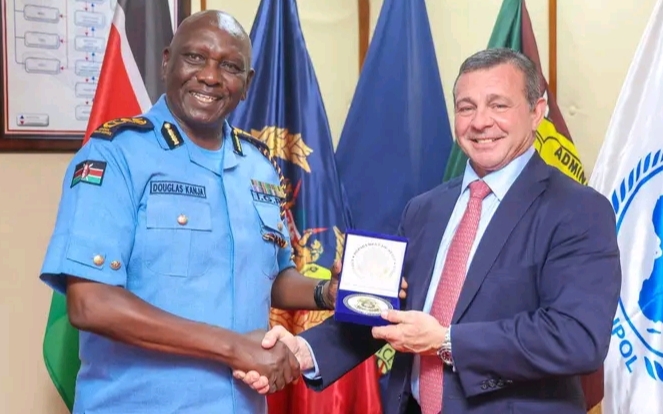
The United States Embassy delegation's courtesy call on Inspector-General Douglas Kanja on October 9, 2026, highlighted the continuing security partnership between Kenya and the United States. Led by Assistant Secretary of State for Diplomatic Security Todd Wilcox, the delegation discussed police tr
-
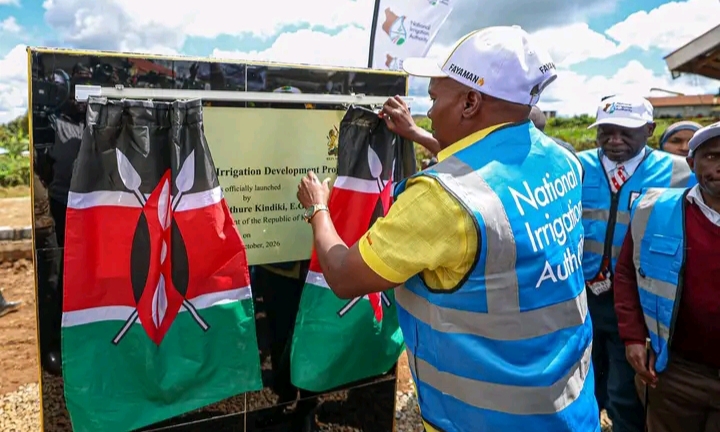
Deputy President Kithure Kindiki's October 8, 2026, development tour of Gatanga in Murang’a County placed emphasis on road construction, market development, affordable housing, student accommodation, electricity connectivity and the fight against illicit alcohol. Among the main projects highlight
-
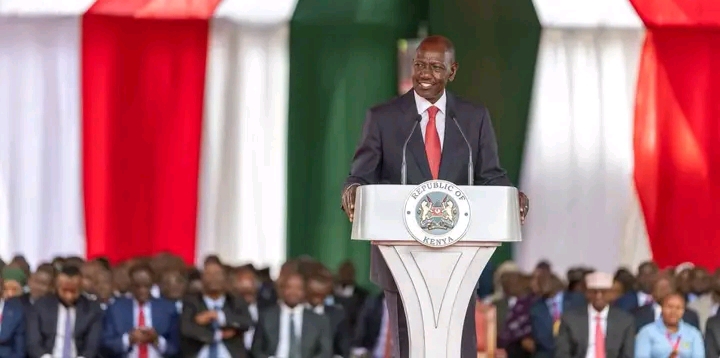
President William Ruto's remarks at the Agriculture and Food Security Transformation Summit at Jamhuri Park in Nairobi focused on making Kenyan agriculture more productive, commercially sustainable and less dependent on imported food. He highlighted the growth of milk, maize, cotton and rice produc
-
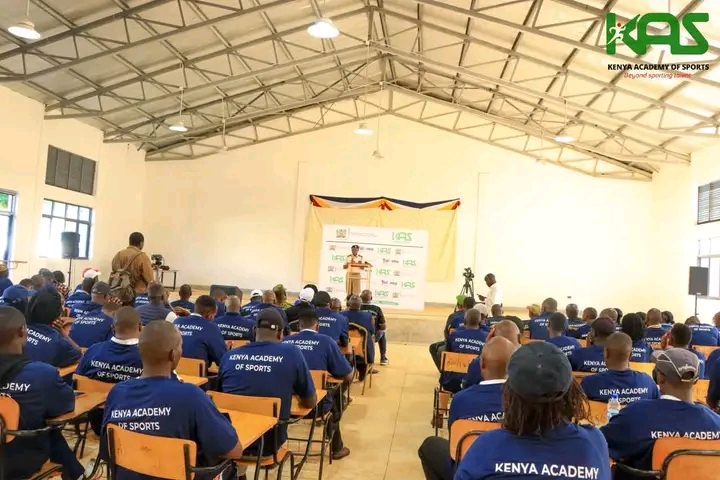
The Kenya Academy of Sports' launch of a five-day coaching programme in Nandi County represents an important effort to strengthen grassroots sports development as Kenya prepares for the 2026 Mashujaa Day celebrations.With 150 coaches participating in introductory courses covering football, volleybal
-
KUPPET's warning against participation in national examination duties until clear guidelines on terms and conditions are issued has brought teachers' remuneration back into the national education debate. Secretary-General Akello Misori has criticised the allowances paid during examination marking an
-
Kenya has taken a major step towards improving transport and boosting economic growth following the commencement of construction of the Naivasha–Kisumu–Malaba Standard Gauge Railway (SGR) extension, with initial construction activities beginning in Narok County in July 2026. The railway project,