



Nandi Set for More Sporting Champions as Kenya Academy of Sports Launches Coach Training for 150 Coaches
The Kenya Academy of Sports' launch of a five-day coaching programme in Nandi County represents an important effort to strengthen grassroots sports development as Kenya prepares for the 2026 Mashujaa Day celebrations.With 150 coaches participating in introductory courses covering football, volleyball and athletics, the initiative seeks to improve the identification, training and mentorship of young sporting talent. The programme also highlights the importance of investing in coaches, who play a central role in helping young people transform their abilities into competitive sporting skills. For Nandi County, the initiative offers an opportunity to build on its established reputation as the Source of Champions while expanding development opportunities beyond athletics. Ultimately, the programme's long-term success will depend on sustained support, access to facilities, continued training and clear pathways that enable promising athletes to progress from community-level sport to higher levels of competition.
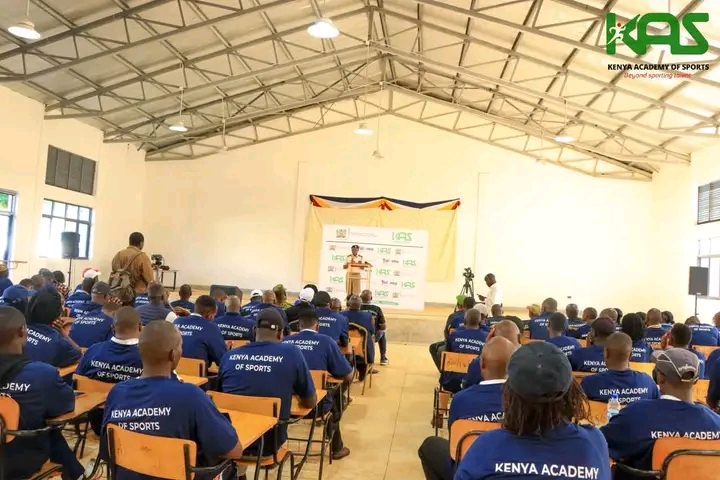
The Kenya Academy of Sports (KAS) has launched a five-day training programme for sports coaches in Nandi County, in a move aimed at strengthening grassroots talent development and preparing young athletes for higher levels of competition. The training, being held at Koitalel Samoei University College, brings together coaches from football, volleyball and athletics as part of preparations for the 2026 Mashujaa Day celebrations. According to a report published by the Kenya News Agency on October 9, 2026, the initiative seeks to improve coaches' skills in identifying, developing and mentoring young sporting talent across the county.
The programme is particularly significant for Nandi County, which has earned a reputation as the “Source of Champions” because of its contribution to Kenyan athletics. By equipping coaches with appropriate skills, the initiative aims to strengthen the sporting structures that help young people progress from local competitions to county, national and potentially international levels.
The training programme has attracted 150 coaches from different sporting disciplines, demonstrating the government's intention to strengthen sports development at the grassroots level.
According to the Kenya News Agency, the participants are distributed as follows:
Football: 30 coaches.
Volleyball: 60 coaches.
Athletics: 60 coaches.
The participants have been drawn from sports clubs, schools and universities across Nandi County. The five-day introductory courses are designed to improve their ability to identify emerging talent and guide athletes towards competitive sporting opportunities.The initiative in Nandi is part of wider government efforts to improve sports training and identify talent in schools and communities.
In April 2026, the Ministry of Sports, working with the Kenya Academy of Sports, launched a separate coaching programme in Murang'a County. That initiative brought together more than 200 teachers from primary, junior and senior schools for a 10-day intensive training programme.
The government said the programme was intended to help teachers identify, nurture and mentor talented learners while improving their technical coaching skills. Sports Principal Secretary Elijah Mwangi emphasised that young people's potential could be developed through investment in those responsible for training and mentoring them.The Nandi initiative follows a similar broad approach, although it has its own five-day training format and focuses on coaches from football, volleyball and athletics.
These programmes reflect a growing emphasis on building sporting capacity at the local level rather than relying exclusively on national training facilities or established professional clubs.
If sustained, this approach could help expand the number of people capable of providing structured sports training across different counties.
The coach training initiative could have important implications for young people in Nandi County, especially those interested in pursuing sports alongside their education.
First, improved coaching may help young athletes develop their technical abilities and understand the importance of discipline, regular training and fair competition.
Second, stronger local coaching structures could make sporting opportunities more accessible to children who cannot easily travel to major training centres.Third, organised talent identification could help promising athletes gain exposure to school competitions, county tournaments and other development programmes.
Sports can also provide transferable skills. Participation in organised activities can encourage teamwork, leadership, perseverance and respect for rules.
For young people who eventually progress into professional sport, athletic development may open opportunities in competitive athletics, football, volleyball and related careers. These can include coaching, sports administration, fitness training and other areas of the sporting industry.
However, the benefits will depend on whether the training is followed by continued mentorship, adequate facilities, access to equipment and opportunities for athletes to compete.Although the training marks an important step, improving sports development requires more than short courses for coaches.
Some grassroots programmes face shortages of equipment, playing fields, running facilities and financial support. Coaches may also need continued professional development to keep pace with changing training methods and the requirements of different sporting disciplines.
Young athletes require safe training environments, appropriate supervision and protection from exploitation. Their education and general well-being must also remain priorities as they pursue sporting ambitions.There is also a need to ensure that girls and boys have fair access to training and competition opportunities. Coaches should be equipped to recognise talent without discrimination and to support athletes from different backgrounds.
The Kenya Academy of Sports and other relevant institutions will need to work with schools, sports clubs, county authorities and sporting federations to ensure that the skills acquired during the training are put into practice.
Long-term monitoring could also help determine whether trained coaches are identifying more athletes, improving performance and helping young people remain active in sports after leaving school.Although the training marks an important step, improving sports development requires more than short courses for coaches.
Some grassroots programmes face shortages of equipment, playing fields, running facilities and financial support. Coaches may also need continued professional development to keep pace with changing training methods and the requirements of different sporting disciplines.
Young athletes require safe training environments, appropriate supervision and protection from exploitation. Their education and general well-being must also remain priorities as they pursue sporting ambitions.Dr John Okwemba, the academy's Director of Research, said the programme is intended to empower grassroots talent and support its development from the earliest stages through to elite competition. He also highlighted the importance of creating pathways for Under-17 athletes, particularly young people who may struggle to pursue sports after completing school.
This focus is significant because many talented young people face uncertainty when transitioning from school competitions into adult sporting structures. Without organised pathways, some may abandon sports even when they possess the ability to progress further.
Better-trained coaches can help young athletes understand the opportunities available to them, prepare for competitions and make informed decisions about their sporting development.For Nandi County, the training could help strengthen the quality of coaching available to athletes participating in the celebrations. Coaches with improved technical knowledge may also be better positioned to prepare teams and individual competitors for future tournaments.
The celebrations therefore provide an opportunity to connect national events with long-term community sporting development.There is also a need to ensure that girls and boys have fair access to training and competition opportunities. Coaches should be equipped to recognise talent without discrimination and to support athletes from different backgrounds.
The Kenya Academy of Sports and other relevant institutions will need to work with schools, sports clubs, county authorities and sporting federations to ensure that the skills acquired during the training are put into practice.
Long-term monitoring could also help determine whether trained coaches are identifying more athletes, improving performance and helping young people remain active in sports after leaving school.

You Might Also Like
-
The United States Embassy delegation's courtesy call on Inspector-General Douglas Kanja on October 9, 2026, highlighted the continuing security partnership between Kenya and the United States. Led by Assistant Secretary of State for Diplomatic Security Todd Wilcox, the delegation discussed police tr
-
Deputy President Kithure Kindiki's October 8, 2026, development tour of Gatanga in Murang’a County placed emphasis on road construction, market development, affordable housing, student accommodation, electricity connectivity and the fight against illicit alcohol. Among the main projects highlight
-
President William Ruto's remarks at the Agriculture and Food Security Transformation Summit at Jamhuri Park in Nairobi focused on making Kenyan agriculture more productive, commercially sustainable and less dependent on imported food. He highlighted the growth of milk, maize, cotton and rice produc
-
KUPPET's warning against participation in national examination duties until clear guidelines on terms and conditions are issued has brought teachers' remuneration back into the national education debate. Secretary-General Akello Misori has criticised the allowances paid during examination marking an
-
Uganda has ordered an immediate crackdown on alleged unlawful political and electoral activities involving its citizens crossing into Kenya ahead of the 2027 General Election. First Deputy Prime Minister Rebecca Alitwala Kadaga instructed security agencies and local leaders in eight border districts
-
Kenya has taken a major step towards improving transport and boosting economic growth following the commencement of construction of the Naivasha–Kisumu–Malaba Standard Gauge Railway (SGR) extension, with initial construction activities beginning in Narok County in July 2026. The railway project,