



US Embassy Delegation Meets IG Douglas Kanja: 2027 Election Security, Terrorism and Drug Trafficking Top Agenda
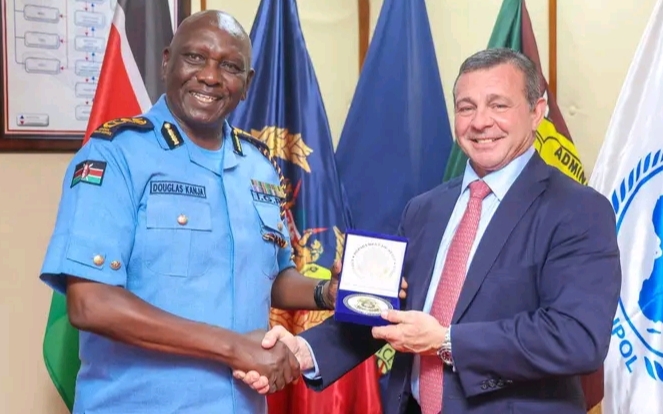
The United States Embassy delegation's courtesy call on Inspector-General Douglas Kanja on October 9, 2026, highlighted the continuing security partnership between Kenya and the United States. Led by Assistant Secretary of State for Diplomatic Security Todd Wilcox, the delegation discussed police training and capacity building, election security ahead of the 2027 General Election, counter-terrorism, drug trafficking and other transnational crimes. Wilcox commended Kenyan officers for providing security to the US Embassy, while Kanja thanked the American government for its continued support and reaffirmed the National Police Service's commitment to law enforcement cooperation. The engagement underscored the importance of international partnerships in addressing modern security challenges. As Kenya prepares for the next general election, the priority will be to translate cooperation into effective policing, safer communities, professional security operations and respect for the rights of all Kenyans.
A delegation from the United States Embassy in Kenya has paid a courtesy call on Inspector-General of Police Douglas Kanja at Jogoo House ‘A’ in Nairobi, in a meeting focused on strengthening cooperation between Kenya and the United States in law enforcement, police training and national security.
The delegation was led by Todd Wilcox, the United States Assistant Secretary of State for Diplomatic Security. Discussions covered several important security matters, including preparations for the 2027 General Election, counter-terrorism, drug trafficking, police training and capacity building, as well as the fight against other forms of transnational crime. The meeting highlighted the importance of cooperation between the two countries as Kenya prepares for another election cycle and continues to address security challenges.
Courtesy calls between senior security officials provide a platform for exchanging views, reviewing areas of cooperation and identifying priorities for future engagement. In this case, the meeting brought together officials responsible for diplomatic security and the leadership of Kenya's national police service.
Kenya and the United States have worked together on several security matters over the years, including counter-terrorism, combating drug trafficking and strengthening the capacity of law enforcement institutions. The latest engagement reflects the continued importance both countries attach to these areas.Security preparations may involve training officers to manage public gatherings, protecting voters and electoral facilities, responding to emergencies and improving coordination among different security agencies. These are important responsibilities for police officers tasked with maintaining law and order throughout the electoral process.
The police must also ensure that security operations respect the constitutional rights of citizens. Kenyans have the right to participate in political activities, attend peaceful gatherings and express their opinions within the law.
Effective election security therefore requires officers to maintain professionalism, impartiality and accountability while dealing with political parties, candidates and members of the public.One of the major issues discussed during the meeting was election security as Kenya prepares for the 2027 General Election.
The election period is an important time for the country's security agencies because political campaigns, public rallies, demonstrations and voting activities require careful planning to maintain peace and protect citizens.
The engagement between IG Douglas Kanja and the American delegation comes as the National Police Service prepares to address potential security challenges before, during and after the elections. The discussions placed election preparedness among the key areas of cooperation between the two countries.Another important issue raised during the meeting was training and capacity building for Kenyan police officers.
Modern policing requires officers to possess the necessary skills, knowledge and resources to respond to changing security threats. Training helps officers improve their investigative abilities, understand legal procedures and respond effectively to emergencies.
The United States and Kenya have previously discussed cooperation in strengthening the professional capacity of the National Police Service. During an earlier meeting in February 2025, Acting US Ambassador Marc Dillard and IG Kanja discussed training, capacity building, border security, human rights and cooperation against terrorism and drug trafficking.Terrorism remains a serious concern for Kenya because attacks and threats can affect public safety, businesses, tourism and national stability. Addressing terrorism requires intelligence sharing, investigations, coordination among security agencies and cooperation with international partners.
The United States has worked with Kenya on security matters, including efforts to combat terrorism. The latest engagement provides another opportunity for the two countries to discuss the challenges facing their law enforcement agencies and ways to improve their response.
Counter-terrorism cooperation can include sharing information about suspected criminal networks, identifying threats, strengthening investigative skills and improving the ability of officers to respond to security incidents.
Kenya's geographical position in East Africa also makes regional cooperation important. Security threats can involve individuals and networks operating across several countries, making it difficult for one national agency to address them independently.Drug trafficking and other transnational crimes also featured in the discussions between IG Kanja and the US Embassy delegation.
Transnational crime refers to illegal activities that cross national borders or involve criminal networks operating in more than one country. Such activities can include drug trafficking, human trafficking, illicit weapons trading, money laundering and organised criminal operations.
These crimes present challenges to law enforcement agencies because suspects, financial transactions and evidence may be located in different jurisdictions.The delegation was led by Todd Wilcox, the United States Assistant Secretary of State for Diplomatic Security.
Other officials reported to have attended the meeting included Scott Kim, the US Embassy's Director of Regional Security, and Corynn Stratton, the Senior Regional Security Officer. Their participation reflected the diplomatic and security dimensions of the engagement.
During the meeting, Wilcox commended Kenyan police officers for their role in providing security to the United States Embassy in Nairobi.
Diplomatic missions depend on host countries to provide appropriate security arrangements for their personnel and premises. Cooperation between the embassy and Kenyan authorities is therefore important for protecting diplomatic facilities and supporting the safe conduct of diplomatic activities.On his part, Douglas Kanja expressed appreciation to the United States government for its continued support and reaffirmed the National Police Service's commitment to strengthening cooperation with American law enforcement agencies.
Kanja's response highlighted the importance of maintaining partnerships that can support the work of Kenyan police officers and improve the country's ability to address security challenges.
The Inspector-General leads the National Police Service, which plays a central role in maintaining law and order, preventing crime and protecting the public.
Cooperation with international partners can provide opportunities for professional exchanges, specialised training and improved coordination when addressing cross-border criminal activities.Kenya and the United States have developed a longstanding relationship that includes diplomacy, trade, development and security cooperation.
Security collaboration is particularly important because threats such as terrorism, drug trafficking and organised crime can affect several countries at once.
The October 9 meeting at Jogoo House ‘A’ demonstrated the continuing engagement between the two countries on law enforcement issues. It also brought attention to the role of police training, election security and international coordination in strengthening public safety. For ordinary Kenyans, the main importance of the engagement lies in its potential contribution to stronger law enforcement and improved security preparedness.
Security affects daily life in many ways, including the ability of people to travel safely, operate businesses, attend public events and participate in political activities without fear.
Improved police training and cooperation can help security agencies respond more effectively to criminal activity. Better coordination can also support investigations involving criminal networks that operate across borders.Citizens will also expect security agencies to address crime consistently, investigate allegations fairly and ensure that officers act within the law.
The meeting itself does not establish that new resources have been delivered or that particular security measures have already been implemented. Its importance is that senior Kenyan and American officials have continued discussions on issues central to national security.
Any future programmes announced following the engagement will need to be assessed according to their objectives, implementation and measurable results.

You Might Also Like
-
Deputy President Kithure Kindiki's October 8, 2026, development tour of Gatanga in Murang’a County placed emphasis on road construction, market development, affordable housing, student accommodation, electricity connectivity and the fight against illicit alcohol. Among the main projects highlight
-
President William Ruto's remarks at the Agriculture and Food Security Transformation Summit at Jamhuri Park in Nairobi focused on making Kenyan agriculture more productive, commercially sustainable and less dependent on imported food. He highlighted the growth of milk, maize, cotton and rice produc
-
The Kenya Academy of Sports' launch of a five-day coaching programme in Nandi County represents an important effort to strengthen grassroots sports development as Kenya prepares for the 2026 Mashujaa Day celebrations.With 150 coaches participating in introductory courses covering football, volleybal
-
KUPPET's warning against participation in national examination duties until clear guidelines on terms and conditions are issued has brought teachers' remuneration back into the national education debate. Secretary-General Akello Misori has criticised the allowances paid during examination marking an
-
Uganda has ordered an immediate crackdown on alleged unlawful political and electoral activities involving its citizens crossing into Kenya ahead of the 2027 General Election. First Deputy Prime Minister Rebecca Alitwala Kadaga instructed security agencies and local leaders in eight border districts
-
Kenya has taken a major step towards improving transport and boosting economic growth following the commencement of construction of the Naivasha–Kisumu–Malaba Standard Gauge Railway (SGR) extension, with initial construction activities beginning in Narok County in July 2026. The railway project,