



MBADI DEFENDS DANGOTE LAMU REFINERY, SAYS RUTO HAS NO SHARES
Treasury CS John Mbadi has defended the proposed Sh2 trillion Dangote Lamu refinery, dismissing claims that President William Ruto owns shares in the project while addressing concerns over land compensation and public participation.
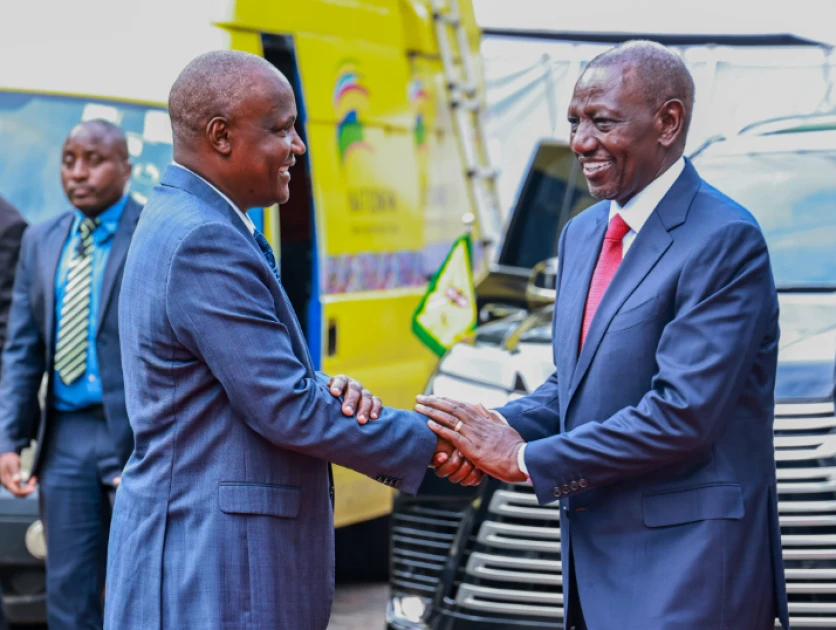
Treasury Cabinet Secretary John Mbadi has defended the proposed Dangote East Africa Oil Refinery in Lamu, describing the Sh2 trillion investment as an important project for Kenya while dismissing claims that President William Ruto has a personal stake in the facility.
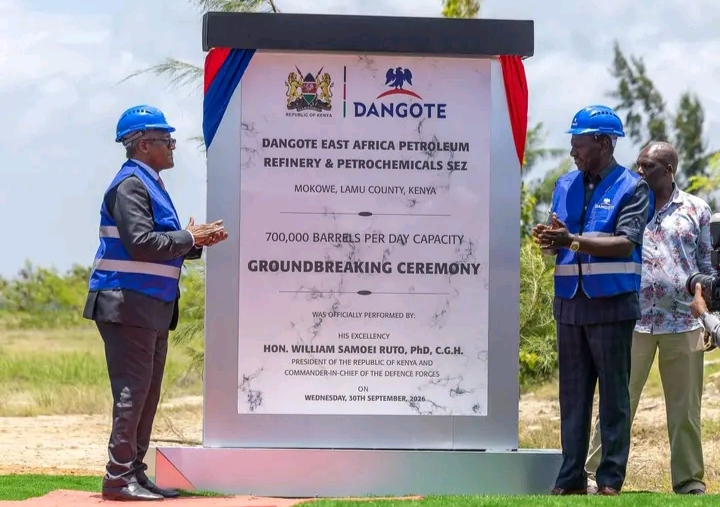
Mbadi spoke as preparations intensified for the groundbreaking of the proposed refinery in Lamu, amid growing political debate, protests by some residents and a legal dispute over land earmarked for the project.
The CS maintained that the refinery is beneficial to Kenya and argued that the government has followed the necessary procedures ahead of the planned construction. His comments came as questions continued to emerge over the ownership structure of the investment and concerns raised by some Lamu residents over compensation and public participation.
According to Mbadi, President Ruto does not own shares in the planned refinery. He said the ownership structure could be checked through the Dangote Group's disclosures and argued that the project should be viewed primarily as a major private investment rather than a personal venture involving the President.
Mbadi Rejects Claims Over Ruto's Ownership
The Treasury CS was responding to allegations from some opposition figures and political leaders who have questioned who will own shares in the planned refinery.
Mbadi firmly rejected the claims that President Ruto has shares in the project.
He said the public can verify the ownership structure through the Dangote Group's listings and added that a portion of the investment would be opened to the East African region.
The remarks followed separate calls by politicians demanding greater transparency over the project's ownership and asking the government to disclose the individuals or institutions that will benefit from the investment.
The debate has added a political dimension to what the government has presented as a major industrial and energy project.
Mbadi, however, maintained that the focus should remain on the potential economic benefits of the refinery and the investment it could bring to Kenya.
A Major Investment in Lamu
The proposed refinery is planned for Lamu County and is expected to have a refining capacity of about 700,000 barrels of crude oil per day.
If completed as proposed, the facility would become one of the largest refining projects in Africa and would significantly increase petroleum-processing capacity in East Africa.
The project is expected to supply refined petroleum products to Kenya and other countries in the region, including Ethiopia, South Sudan, Uganda, Tanzania, Rwanda, Burundi and the Democratic Republic of Congo.
The government has presented the refinery as part of its broader efforts to strengthen energy security, attract foreign direct investment and promote industrialisation.
President Ruto has also described the investment as important for improving fuel reliability and supporting economic activity. During his recent visit to Dangote's refinery in Nigeria, he highlighted the potential of the Lamu project to support industrialisation and employment.
Residents Raise Compensation Concerns
Despite the government's support for the project, sections of the Lamu community have raised concerns over land acquisition, compensation and public participation.
More than 130 residents of Chandavai have moved to court challenging aspects of the development. The residents have argued that some of the land associated with the project has been occupied and cultivated by their families for generations.
They have raised concerns that development could result in displacement without adequate compensation or a clear resettlement framework.
The residents' position is part of an ongoing legal dispute that has placed the project under additional scrutiny.
The Malindi Environment and Land Court recently ordered that the status quo on the disputed land be maintained pending further proceedings. The matter is scheduled for further consideration in October.
The legal dispute has therefore become one of the major issues surrounding the refinery as the government and investors move forward with the groundbreaking plans.
Government Position on Compensation
Mbadi has taken a different position on some of the compensation claims.
The Treasury CS accused land brokers and what he described as land cartels of attempting to manipulate the acquisition process and obtain excessive compensation from the government.
He questioned demands for large sums of money for land that, according to government valuations, may have considerably lower values.
Mbadi argued that such claims could increase the cost of public projects and create difficulties for investors seeking to establish major businesses in the country.
However, the allegations against residents and land claimants remain contested. Those challenging the project in court maintain that their interests in the land should be recognised and that the acquisition process must comply with constitutional and legal requirements.
The court proceedings will therefore be important in determining how the competing claims are addressed.
Public Participation Question
Another issue raised by residents concerns whether adequate public participation was conducted before the project moved to the groundbreaking stage.
Mbadi insisted that residents had been involved in public participation exercises conducted by the relevant government agencies.
However, some residents and their representatives have disputed the adequacy of the process, arguing that communities directly affected by the development should have greater involvement in decisions concerning their land and livelihoods.
The disagreement highlights one of the central challenges facing large infrastructure projects in Kenya: balancing national economic ambitions with the rights and interests of communities living in areas selected for development.
Dangote Defends the Project
Dangote Group Chairman Aliko Dangote has also maintained confidence in the Lamu refinery despite the legal challenges.
The Nigerian billionaire said the project would proceed, although he acknowledged that the court dispute could affect some activities at the site.
The proposed refinery is expected to become Dangote Group's biggest refining investment outside Nigeria.
The company already operates the large Dangote Refinery in Lagos, which has a capacity of about 700,000 barrels per day.
The Lamu project is expected to draw on Dangote's experience in Nigeria while creating a major industrial and energy hub in East Africa.
Economic Expectations
Supporters of the refinery have pointed to its potential economic impact.
The project is expected to generate employment during construction and operations, while also creating opportunities for businesses involved in transport, logistics, engineering, construction, hospitality and other services.
President Ruto has previously said the project could create tens of thousands of jobs.
Dangote has also indicated that the refinery will be accompanied by a major power-generation component, with plans for a power plant capable of producing about 1,000 megawatts and potentially supplying a portion of that electricity to Kenya.
For Lamu, the investment could also strengthen the county's position as an industrial and logistics centre.
The refinery is expected to benefit from its proximity to the Port of Lamu and the wider LAPSSET corridor, which is designed to connect Kenya with regional markets.
Regional Energy Security
The refinery is also being promoted as a regional energy project rather than an investment serving Kenya alone.
East African countries currently rely heavily on imported refined petroleum products.
A large refinery in Lamu could therefore provide an additional source of fuel for regional markets and potentially reduce dependence on imports from distant markets.
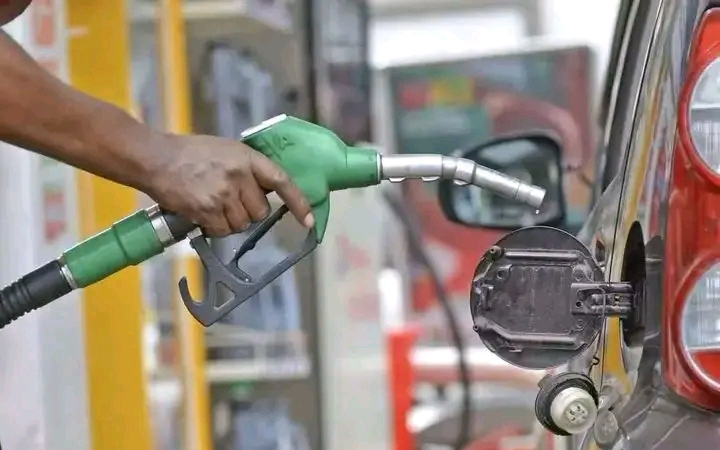
The proposed facility is expected to produce petrol, diesel and aviation fuel for domestic and regional consumption.
Its planned capacity of 700,000 barrels per day would place it among the largest refining facilities on the continent.
Questions Still Remain
Despite the optimism surrounding the project, several questions remain.
One of the major issues is the availability of sufficient crude oil to supply a refinery of such a large capacity.
Kenya's current domestic crude production is far below the proposed refining capacity, meaning the facility would need to rely significantly on crude supplies from other producers.
Infrastructure, financing, environmental considerations, land ownership and community relations will also remain important issues as the project moves forward.
These questions are likely to continue attracting public and political attention even after the groundbreaking ceremony.
A Project Under the Spotlight
The Lamu refinery has quickly become one of the most closely watched investment projects in Kenya.
The government sees it as an opportunity to attract billions of dollars in foreign investment and strengthen the country's position as a regional industrial hub.
Dangote views the project as part of the expansion of his group's energy business across Africa.
At the same time, some residents and political leaders are demanding greater transparency over land acquisition, ownership, compensation and the terms of the investment.
The competing views have created a wider national debate about how Kenya should attract large-scale investments while protecting the rights of local communities.
Looking Ahead
As the groundbreaking approaches, the government remains firmly behind the refinery.
Mbadi has continued to defend the investment and rejected allegations that President Ruto has a personal shareholding in the project.
The CS has also argued that the refinery should not be derailed by what he described as political interference or attempts to manipulate the land acquisition process.
For residents who have raised concerns, however, the focus remains on compensation, land rights and meaningful participation.
The courts will continue to play a role in determining the legal questions surrounding the disputed land.
Meanwhile, Dangote and the Kenyan government are moving ahead with plans for the investment.
The proposed Sh2 trillion refinery therefore stands at the intersection of Kenya's industrial ambitions, regional energy needs, private investment and local community concerns.
Whether the project ultimately delivers the economic transformation promised by its supporters will depend on how effectively the government, investors and communities address the legal, environmental, land and economic questions surrounding it.
For now, the government's position is clear: it considers the Dangote East Africa Oil Refinery a major investment for Kenya and intends to move forward with the project, while the debate over ownership, compensation and community participation continues.

You Might Also Like
-
President William Ruto says Kenya will take a stake in the proposed Dangote East Africa Refinery and contribute its assets to the project, stressing that the country will invest and not expect anything for free.
-
Ugandan President Yoweri Museveni has praised Aliko Dangote as an African investor committed to developing the continent, while criticising leaders he says prioritise foreign interests over African development.
-
Prime Minister Abiy Ahmed's message during the Dangote East Africa Petroleum Refinery groundbreaking was centred on energy security, Ethiopia's access to additional fuel supplies, regional trade, industrialisation, investment and opportunities for young Africans. He described the Lamu refinery as a
-
Former Nigerian President Olusegun Obasanjo's attendance at the September 30, 2026 groundbreaking of the Dangote East Africa Petroleum Refinery in Lamu added historical and continental significance to the ceremony. His presence alongside President William Ruto, Aliko Dangote and other African leader
-
President William Ruto's September 30, 2026 groundbreaking ceremony with Aliko Dangote marks a major new chapter in Kenya's energy and industrial development. The proposed Sh2.2 trillion, 700,000-barrel-per-day Dangote East Africa Petroleum Refinery is expected to supply petroleum products to Kenya
-
The EPRA report released on September 29 provides a broad assessment of Kenya's energy and petroleum sectors for the year ended June 30, 2026. Its findings show record electricity demand, increased generation, continued dominance of renewable energy, rising household electricity consumption, higher